Mom's Best Recipes
Recipe

Easy Chicken Chow Mein

A fast, saucy, crisp-edged chicken chow mein with tender noodles, crunchy veggies, and a glossy stir-fry sauce you can memorize after one make.

Author By Matt Campbell
4.8
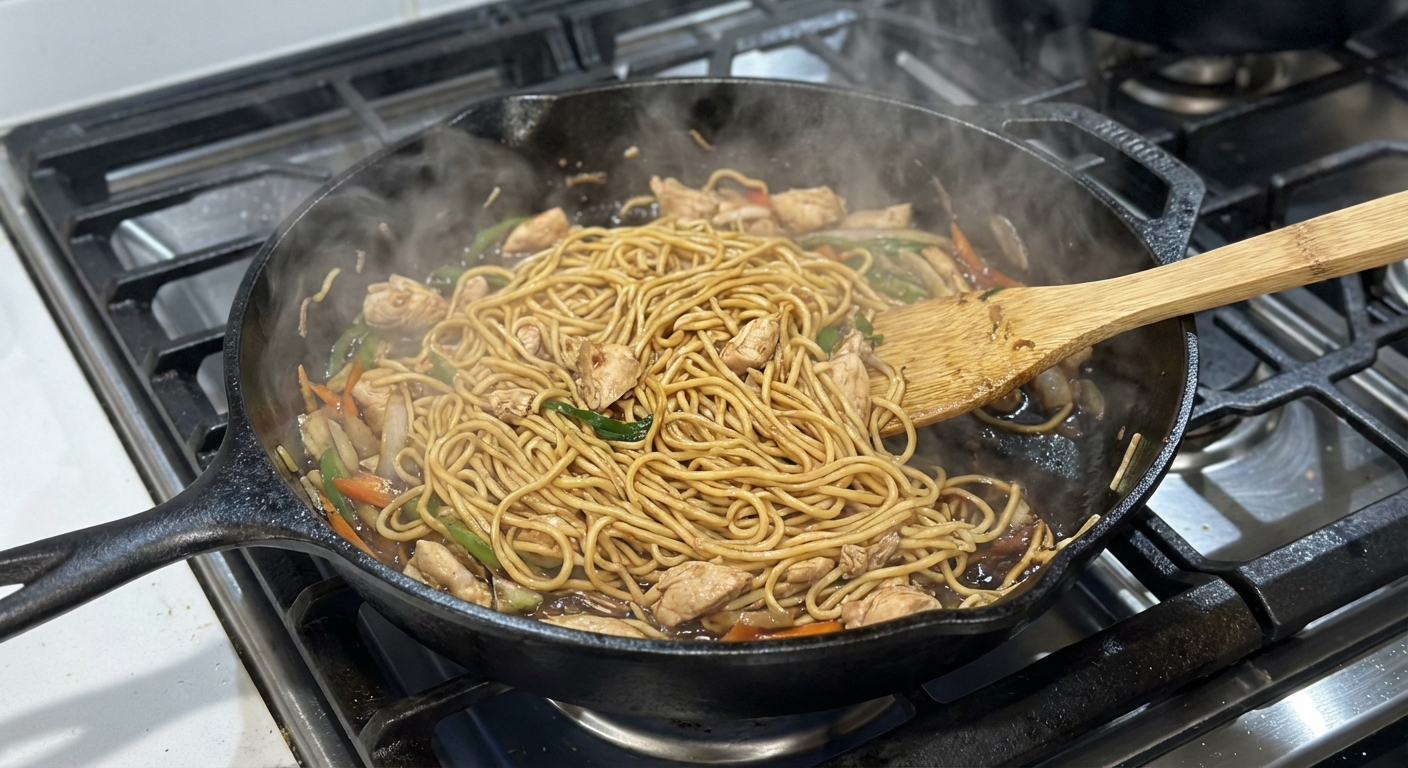
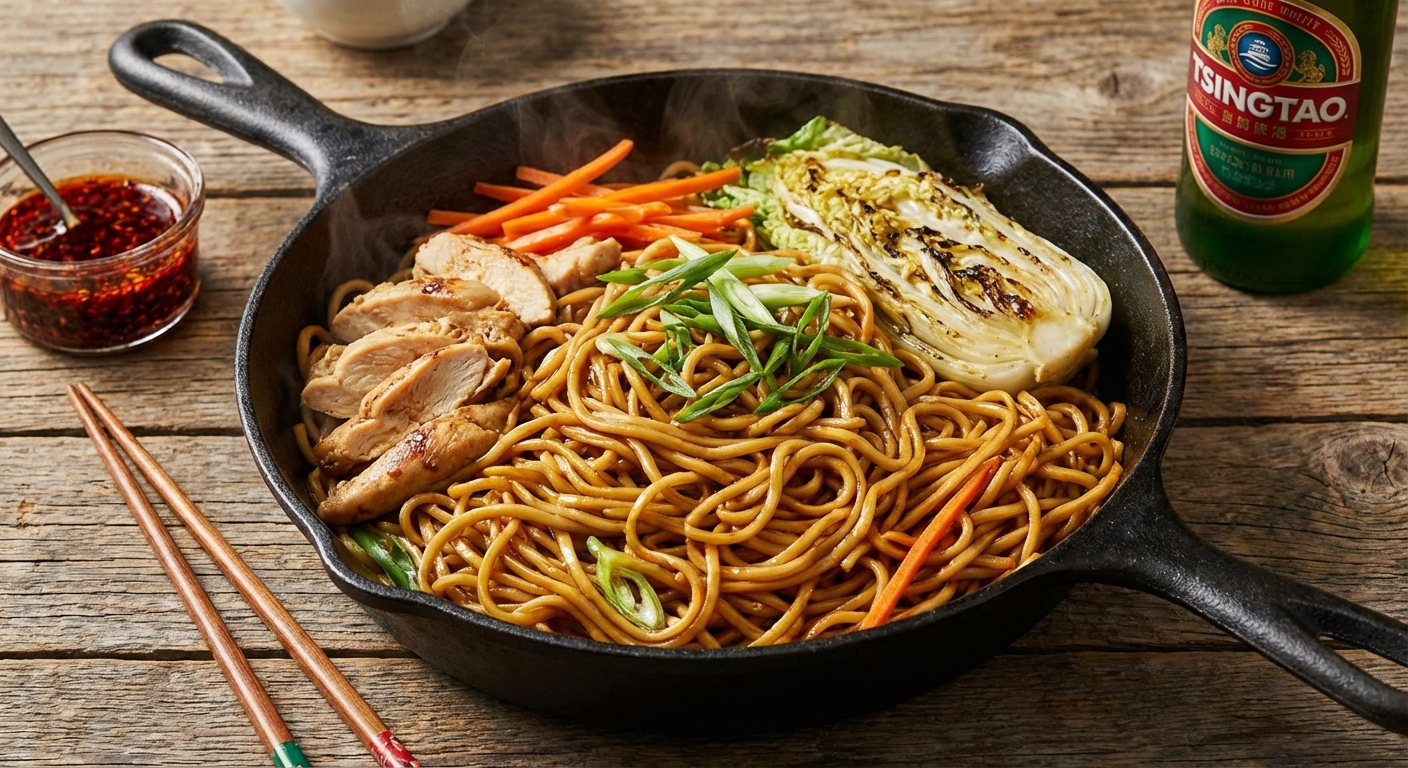
A skillet of chicken chow mein with glossy noodles, sliced chicken, cabbage, carrots, and scallions

Chicken chow mein is my favorite kind of weeknight magic trick: you start with a pile of “random fridge vegetables,” add noodles, and suddenly you are holding a takeout-level bowl of glossy, savory happiness. This version is easy, fast, and built for real kitchens, meaning it works even if your “wok” is a slightly scratched 12-inch skillet that has seen things.

The key is simple: cook the chicken hot and fast, keep the veggies crisp, and use a sauce that hits all the right notes. Salty soy, a little sweetness, a gentle tang, and just enough cornstarch to make everything cling like it means it.

Chicken chow mein cooking in a large skillet with steam rising

Why It Works

  • Bright, savory sauce that actually sticks: Cornstarch plus a quick simmer turns the sauce glossy so it coats noodles instead of pooling sadly at the bottom.
  • Crisp-tender vegetables: We stir-fry in stages so cabbage stays perky and carrots keep their snap.
  • Weeknight flexible: Swap the veg, swap the protein, use spaghetti in a pinch. The method stays solid.
  • No deep fryer energy required: You still get those lightly crisp, restaurant-style edges by letting the noodles sit against the hot pan before tossing.

Storage Tips

Refrigerate: Store cooled chow mein in an airtight container for up to 3 to 4 days.

Reheat (best way): Warm in a skillet over medium heat with a splash of water or chicken broth. Toss until the noodles loosen and the sauce looks glossy again, about 3 to 5 minutes.

Microwave: Totally fine. Cover loosely and heat in 45-second bursts, stirring between. Add a teaspoon of water if the noodles look dry.

Freezing: You can, but the veggies soften and the noodles lose some bounce. If you must, freeze up to 2 months and reheat in a skillet to revive texture.

Common Questions

What noodles should I use for chow mein?

In many restaurants, chow mein is made with egg noodles labeled chow mein or Hong Kong style pan-fry noodles, but the “right” noodle depends on the style (and the region, and the cook, and whatever the grocery store decided to stock). For this easy version, use what you can find: fresh yakisoba, refrigerated stir-fry noodles, dried chow mein/egg noodles, or even thin spaghetti. The sauce is doing a lot of heavy lifting here, in a good way.

Quick noodle handling guide: Fresh/refrigerated noodles usually just need loosening (a quick microwave, a splash of hot water, or a brief blanch, per package). Dried noodles should be boiled until just tender.

Can I make it without oyster sauce?

Yes. Oyster sauce adds deep savory sweetness, but you can swap in hoisin sauce (a bit sweeter) or use extra soy sauce plus 1 teaspoon brown sugar. If you have fish sauce, add a few drops for extra depth.

How do I keep the chicken tender?

Slice it thin, cook it quickly over medium-high heat, and let it sear undisturbed at first so it browns instead of steaming. Also, avoid crowding the pan. Optional but excellent: toss the chicken with 1 tablespoon cornstarch before cooking. It helps lock in moisture and gives you that velvety takeout vibe.

Can I add more vegetables?

Please do. Mushrooms, bell peppers, snow peas, bean sprouts, broccoli, or whatever is giving you the “use me or lose me” look in the crisper drawer all work. Keep total veg to about 5 to 6 cups so the pan stays hot.

Is chow mein the same as lo mein?

Not exactly. Lo mein is usually softer and more saucy, with noodles tossed at the end. Chow mein often leans toward stir-fried noodles with a bit more crispness. This recipe lands in the best middle ground: glossy, saucy, and with a few crisp noodle edges if you let them sear.

Any common allergens?

Yes. This recipe commonly includes soy (soy sauce), gluten (soy sauce and many noodles), and shellfish (oyster sauce). Use gluten-free tamari and gluten-free noodles if needed, and swap oyster sauce if avoiding shellfish.

I started making chicken chow mein the night I realized my fridge contained three things: a lonely chicken breast, half a cabbage, and the kind of carrots that look like they have seen too much. I told myself it would be “a quick stir-fry.” Twenty minutes later, I was standing over the pan eating noodles directly with tongs like a raccoon with culinary aspirations. Now it is my go-to for clearing out vegetables and proving, once again, that sauce can fix almost anything.