Mom's Best Recipes
Recipe

Flavorful Easy Sourdough Bread

A fresh, vibrant sourdough loaf with a crackly crust, open crumb, and bright flavor, made with approachable timing, simple techniques, and a few beginner-friendly guardrails.

Author By Matt Campbell
4.8
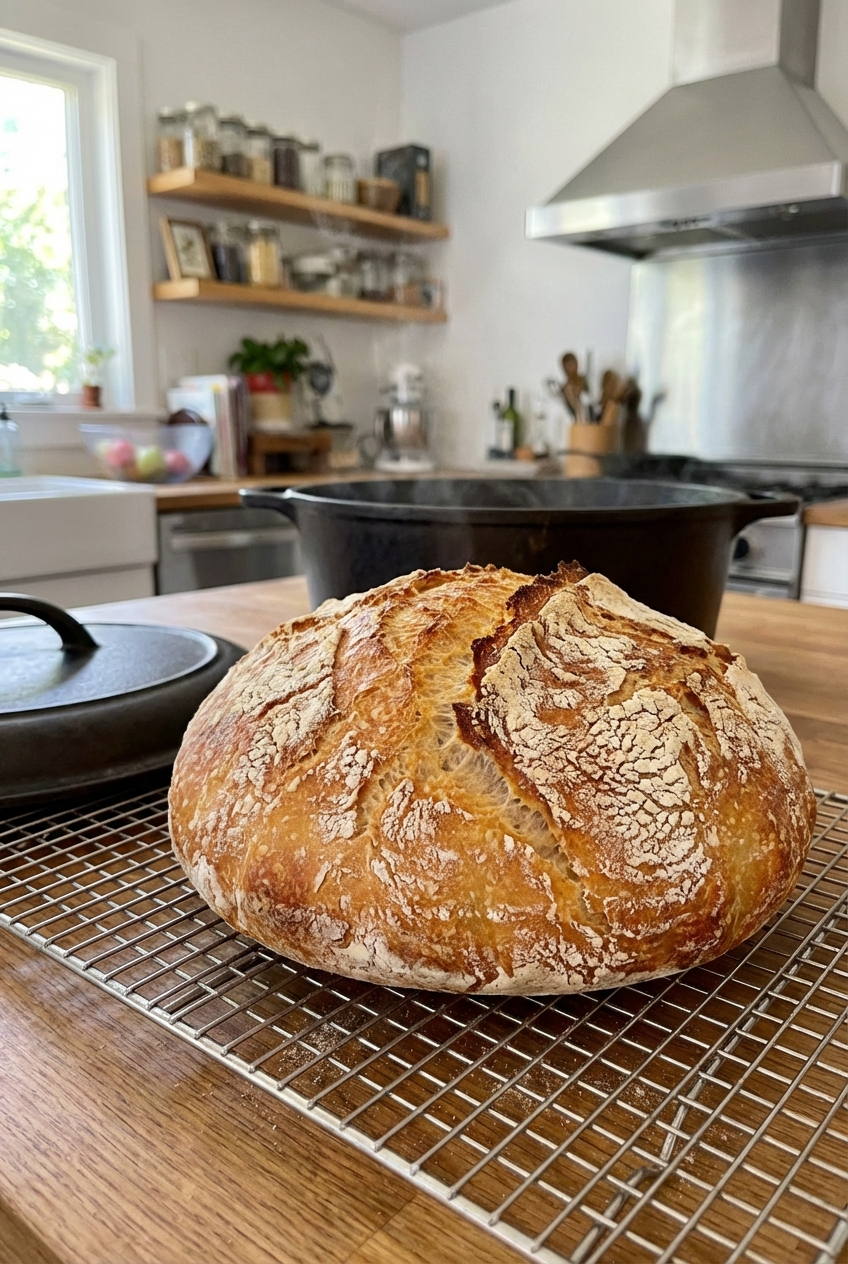
A golden brown sourdough loaf with a crisp, blistered crust cooling on a wire rack in a sunlit kitchen

Sourdough has a reputation for being high maintenance. This loaf is not. This is the kind of bread you can make on a normal day with normal ingredients, then pull from the oven like you planned your whole life around artisanal carbohydrates.

The vibe here is fresh and vibrant, not heavy and sour for the sake of being sour. We build flavor with a patient fermentation, a few strategic folds, and a hot bake that delivers crisp edges and that dreamy crackle when the crust cools. If you have an active starter and a Dutch oven, you are in business.

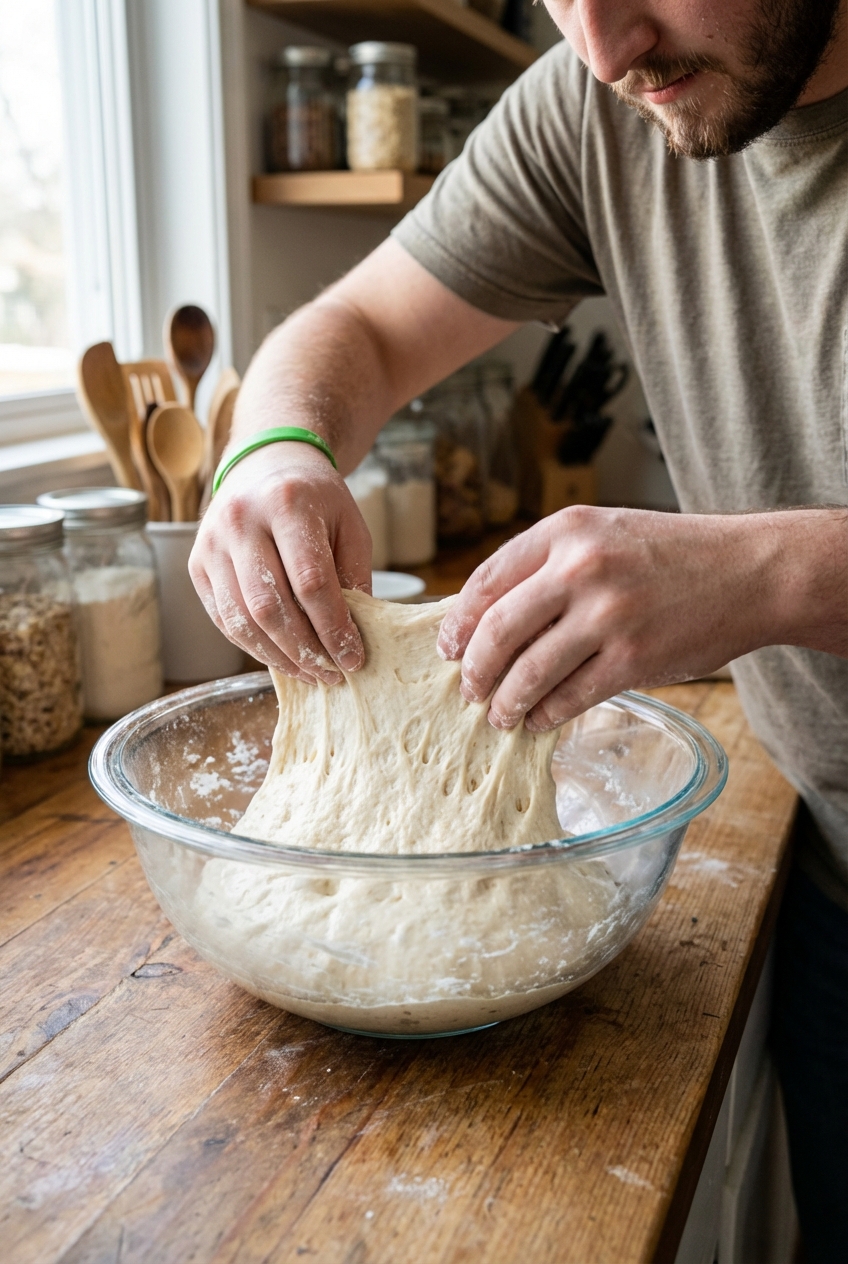
Hands gently stretching a soft sourdough dough in a clear bowl on a wooden counter

Why It Works

  • Bright, complex flavor from a long, controlled fermentation, balanced and not overly tangy.
  • Airy crumb with structure using a simple stretch and fold schedule that does the work for you.
  • Bold crust from a ripping hot Dutch oven that traps steam for maximum oven spring.
  • Flexible timing with an overnight cold proof so you can bake when it fits your day.

Pairs Well With

Storage Tips

Keep It Crispy, Keep It Fresh

  • Day 1 to 2: Store cut side down on a cutting board, or wrap loosely in a clean kitchen towel. This keeps the crust from going soft, but it can dry the crumb a bit, so aim to enjoy it while it is at its peak.
  • Day 3 to 4: Move to a paper bag or a bread box for a better balance of crust and crumb.
  • Plastic option: Plastic keeps the bread from drying out, but it will soften the crust. If you are planning to toast anyway, it is a totally valid move.
  • Freezing: Slice the loaf, freeze slices in a zip top bag, and toast from frozen. This is peak weeknight energy.
  • Revive the crust: Spritz the outside lightly with water, then warm at 400°F for 8 to 12 minutes. Let it cool a few minutes so the crust re-crackles.

Common Questions

Common Sourdough Questions

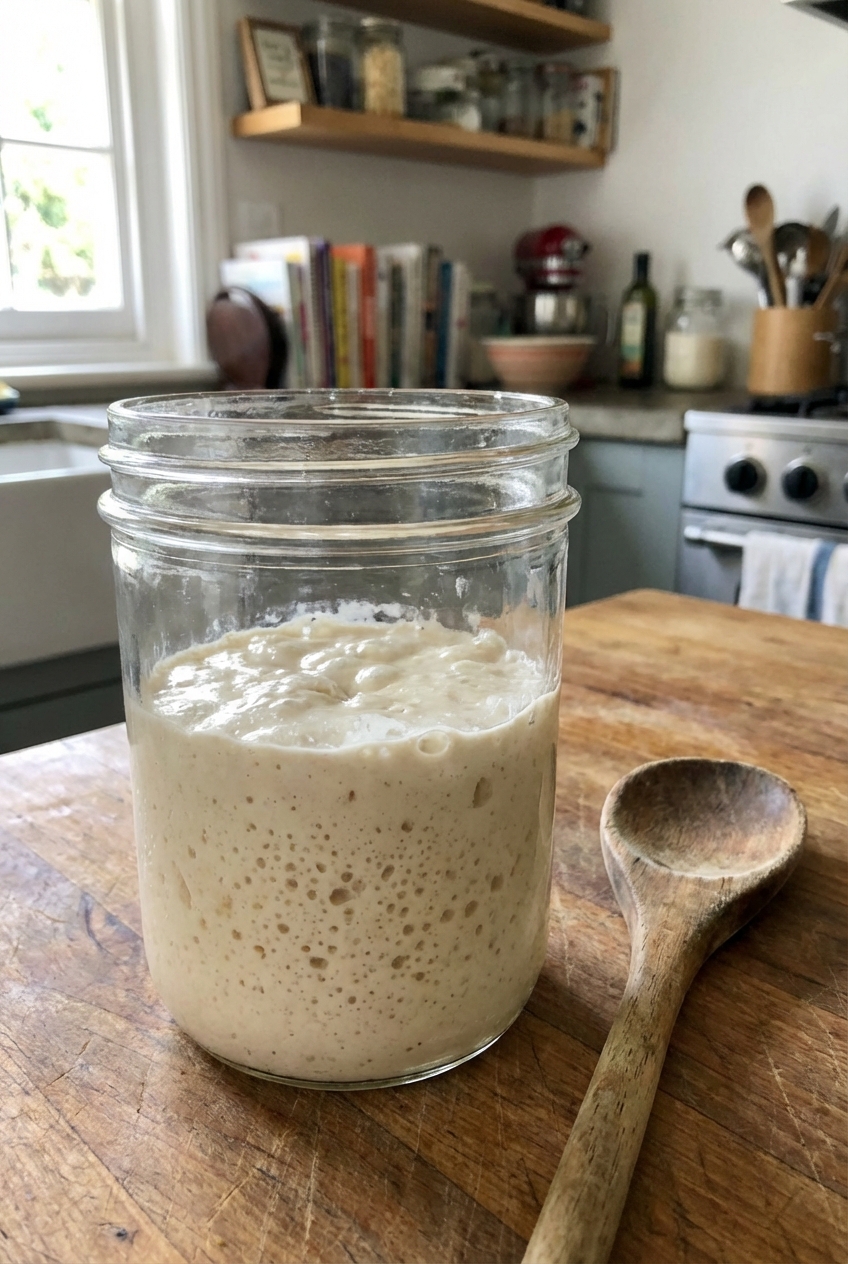
How do I know my starter is ready?

Use it when it has doubled in size after feeding, looks bubbly on the sides and top, and smells pleasantly yeasty. The float test is optional and not pass or fail. Some starters sink even when they bake beautifully, so prioritize consistent rise and aroma over a single test.

Why is my dough so sticky?

Sourdough dough is supposed to feel tacky at first. Give it time, folds, and fermentation. This recipe lands in the medium-high hydration zone, so it will feel looser than sandwich bread. If it is soup-level loose, your flour may need a touch more strength, your kitchen might be warm, or your starter might be very liquid. Next time, hold back 20 to 30 grams of water and add only if the dough feels strong.

What if I do not have a Dutch oven?

Use a heavy oven-safe pot with a lid, or bake on a preheated sheet pan with a deep metal roasting pan on a rack below. Add a cup of hot water to the roasting pan at the start for steam.

Why did my loaf turn out dense?

Most dense loaves come from under-fermentation. Let bulk fermentation go until the dough looks puffier, jiggles slightly, and shows bubbles along the edges. A helpful target is about 30% to 60% rise during bulk (more rise in a cooler kitchen, less in a warm one). Temperature matters more than the clock.

Can I make it more tangy?

Yes. Extend the cold proof to 18 to 24 hours and use a slightly lower percentage of ripe starter. A longer cold time can increase acidity, but keep an eye on over-proofing. If the dough looks very expanded, fragile, or starts to slump in the basket, bake sooner to avoid a gummy crumb.

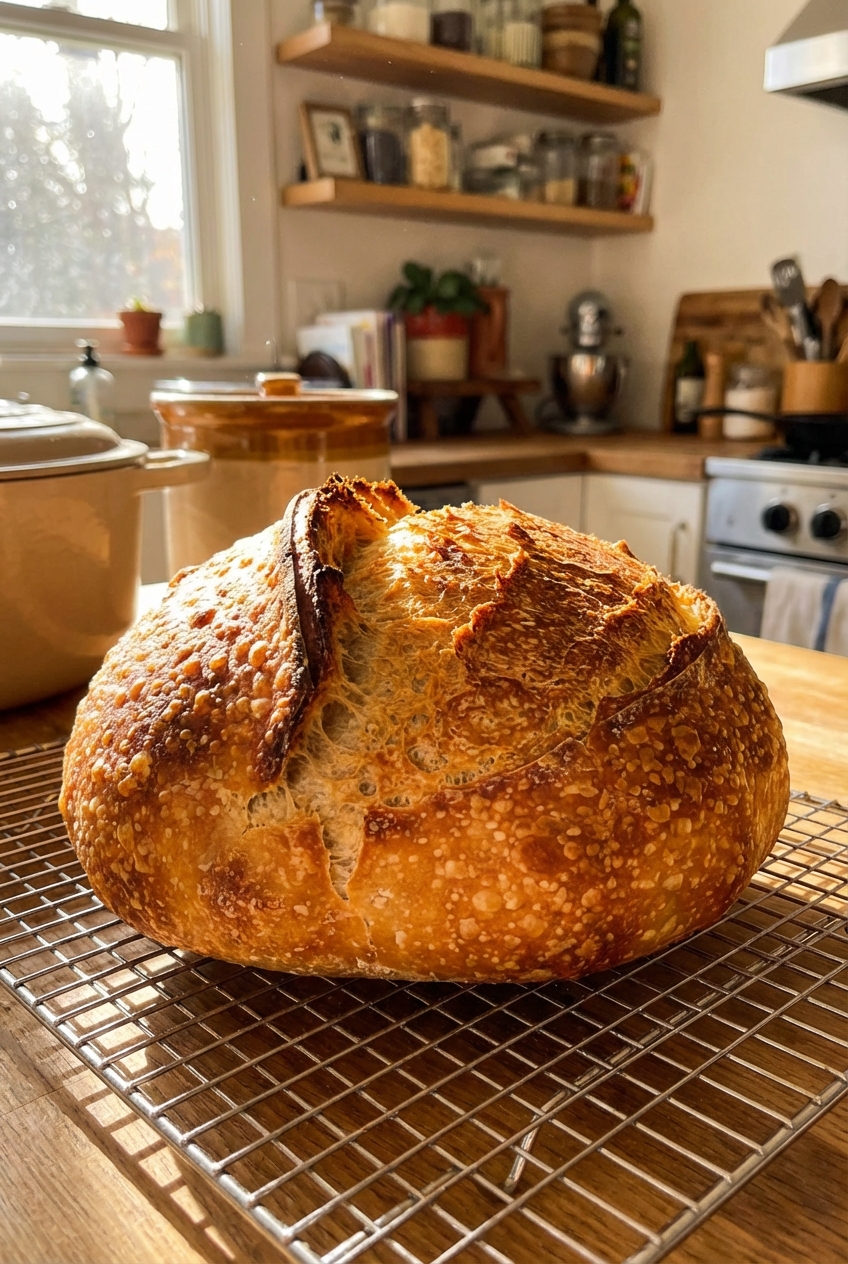
The first time I made sourdough that actually felt like bakery bread, I did not have a fancy setup. I had a starter that smelled like green apples and ambition, a beat-up Dutch oven, and just enough patience to stop poking the dough every five minutes. This loaf is the version I wish I started with: flavorful, forgiving, and totally okay with real life happening around it. It is the bread I make when I want my kitchen to smell like I have my act together, even if I do not.