
Mom's Best Recipes
Recipe

Easy Homemade Bread (Soft and Fluffy)

A no-fuss, beginner-friendly loaf with a tender crumb and golden crust. One bowl, simple ingredients, and the kind of fresh bread smell that makes the whole house feel cozy.

Author By Matt Campbell
4.8
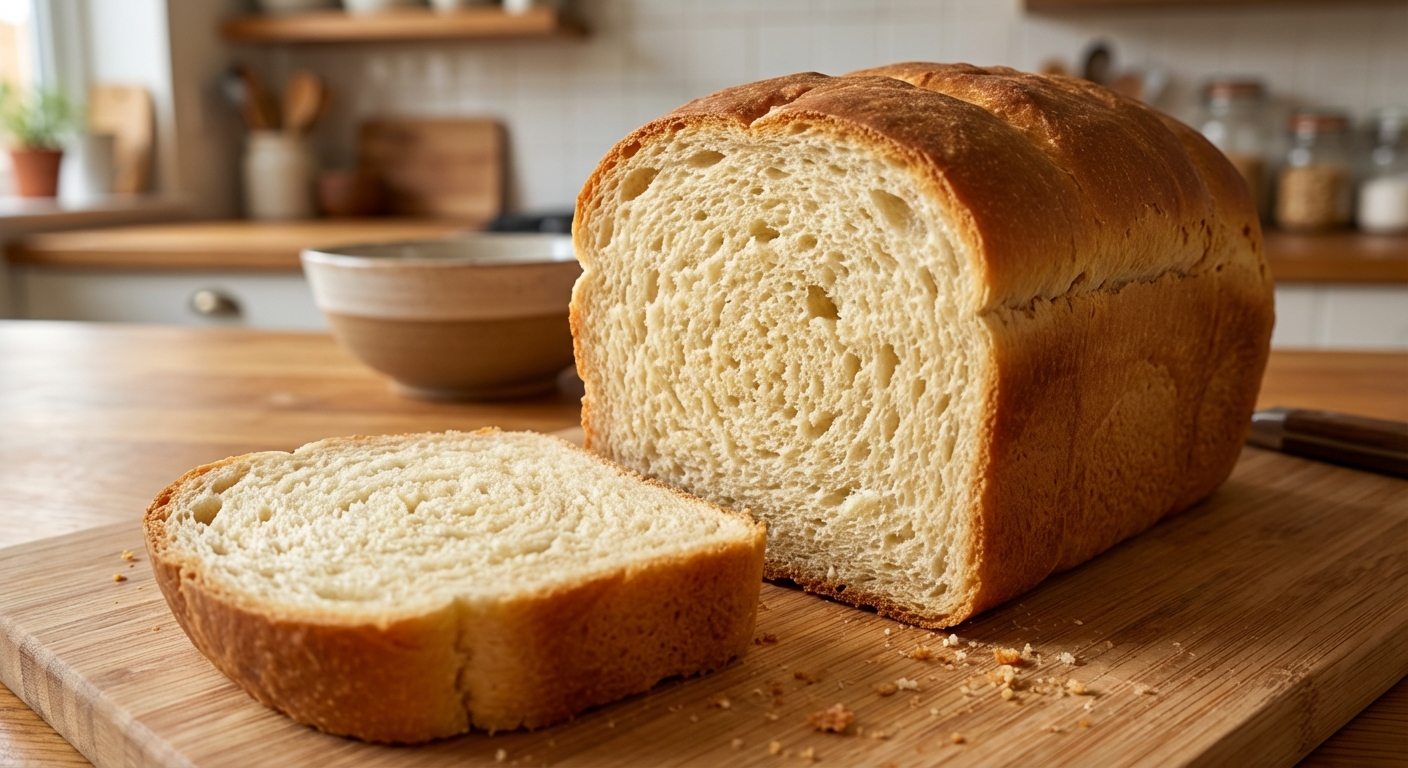
A single golden homemade bread loaf on a wooden cutting board with one slice cut, showing a soft fluffy interior

There are two kinds of homemade bread days. The “I have all afternoon and a playlist” days, and the “I just want soft, fluffy bread that works” days. This loaf is for the second kind, and honestly, those are the days that keep us fed.

We are using pantry basics, skipping fancy techniques, and leaning on a few small moves that make a big difference: properly warmed liquid, a short knead, a patient rise, and a quick internal temperature check if you want to feel like a bread wizard.

It bakes up pillowy enough for sandwiches, sturdy enough for toast, and it makes a grilled cheese that will have you pausing mid-bite like, okay wow.
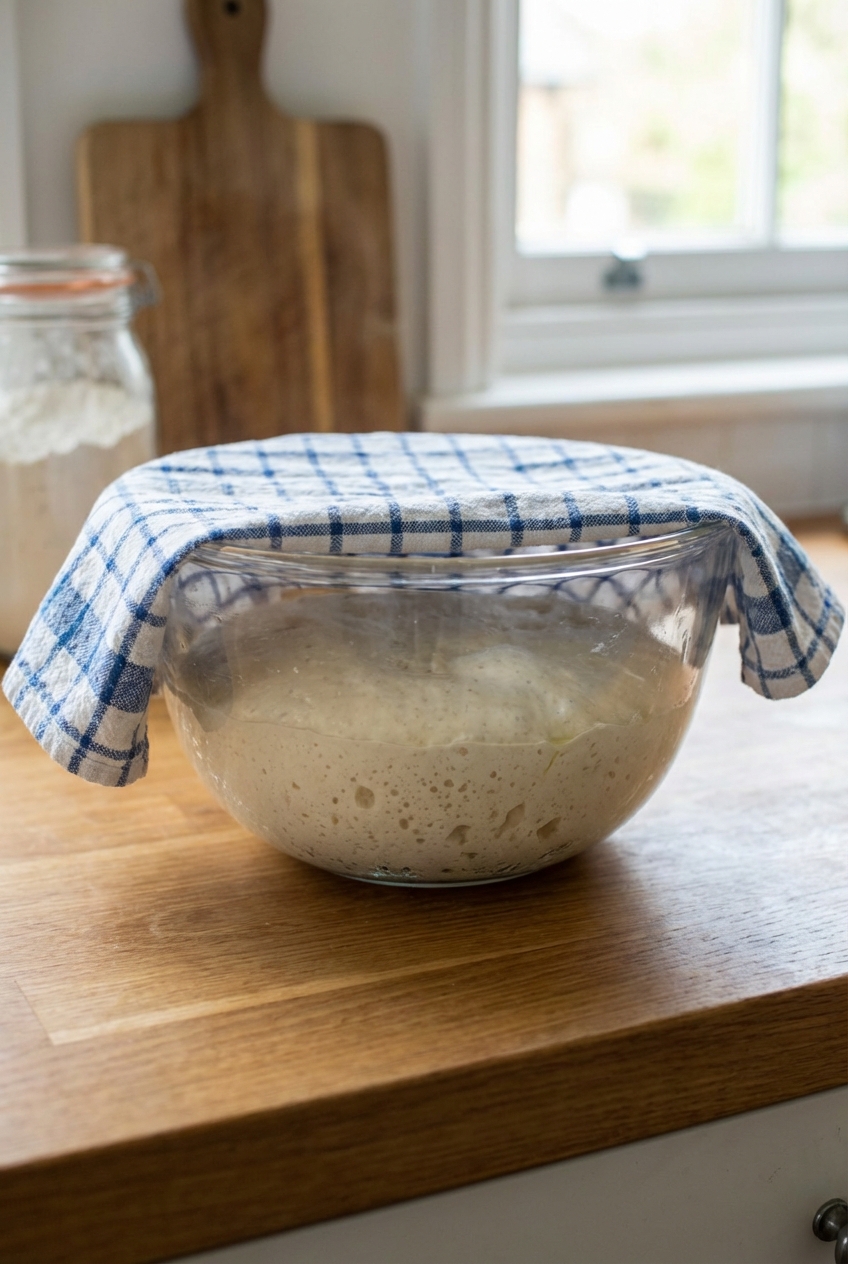

Bread dough rising in a lightly oiled glass bowl covered with a towel on a kitchen counter

Why It Works

  • Soft, fluffy crumb: Milk, a touch of butter, and a gentle knead give you that tender pull-apart interior.
  • Reliable rise: The dough is enriched just enough to stay soft but still rises like a champ with yeast that is alive and happy.
  • Beginner-proof shaping: A simple log shape fits any standard loaf pan and bakes evenly.
  • Big payoff for little effort: Hands-on time is minimal, and the result tastes like you tried way harder than you did.

Pairs Well With

Storage Tips

Room temperature: Once fully cooled, keep the loaf in a bread bag or airtight container for 2 to 3 days. If your kitchen runs warm or humid, lean toward 2 days.

Refrigerator: It is safe for up to 5 days, but it can dry out faster in the fridge. Toast slices to bring it back to life.

Freezer (best option): Slice the loaf, then freeze slices in a zip-top bag with parchment between layers. Good for up to 3 months. Toast straight from frozen.

Revive it: If the loaf feels a little stale, sprinkle the crust with a few drops of water and warm at 325°F for 8 to 12 minutes.

Common Questions

Why did my bread turn out dense?

Most often it is one (or a combo) of these: the yeast was not active, the dough did not rise long enough, or you added too much flour. A couple other quick checks: the dough might have needed a bit more kneading to build structure, or your kitchen was cool so the rise simply took longer. Aim for dough that is soft and slightly tacky, not dry, and let it rise until it truly doubles, even if the clock says it “should be done.”

How warm should the milk or water be?

Aim for 100°F to 115°F. If it feels like a warm bath, you are in the zone. Hotter than that can slow or hurt the yeast, especially during blooming.

Can I use instant yeast instead of active dry yeast?

Yes. Use the same amount. You can mix it right into the dry ingredients and skip blooming if you want, though blooming is still a nice confidence check. Rise times may be slightly faster, so watch the dough, not the clock.

Do I have to use a loaf pan?

No. You can shape it into a round and bake on a parchment-lined sheet pan. Start checking for doneness a little early.

How do I know it is fully baked?

The most reliable way is a thermometer. The center of the loaf should read about 190°F to 200°F. No thermometer? Tap the bottom. It should sound hollow, and the loaf should feel light for its size.

What is the best temperature for rising dough?

Comfortably warm is the goal. Around 75°F to 80°F helps the dough rise on schedule. If your kitchen is cooler, your rise times will likely be longer, and that is totally fine.

I started chasing “perfect bread” the way a lot of us do, by overcomplicating it. Too much flour on the counter, too many opinions on the internet, and a dough that felt like it was judging me.

This loaf is what I make when I want a win. It is the bread I bake when the kitchen is loud, the day is busy, and I still want something warm and homemade on the table. The first time I nailed the fluffy crumb, I stood there eating a heel slice over the sink with butter and zero shame. That is how you know a recipe is a keeper.