Mom's Best Recipes
Recipe

Best Salmon Recipe: Easy and Flavorful

A weeknight salmon dinner with crisp edges, a glossy honey garlic glaze, and a bright lemon finish. Fast, flexible, and honestly hard to mess up.

Author By Matt Campbell
4.9
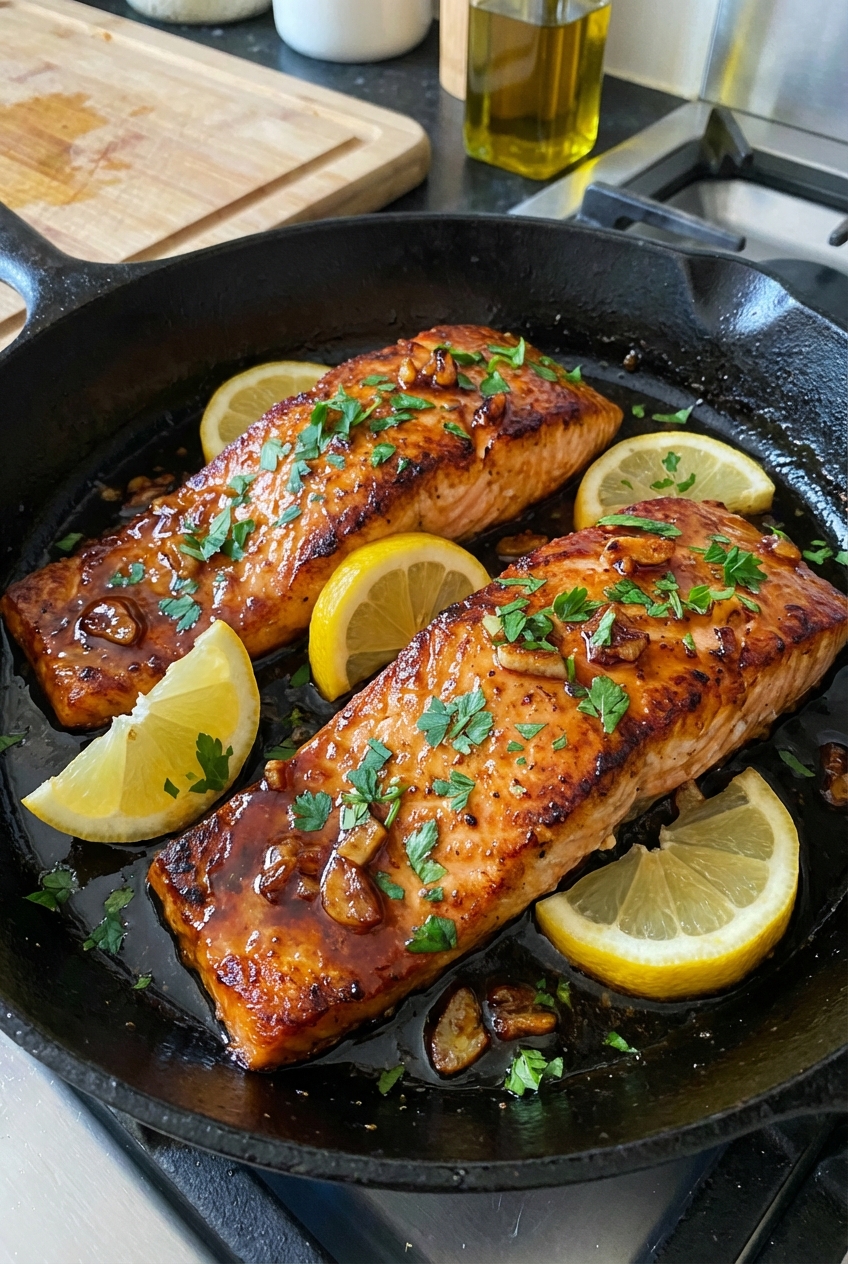
Pan-seared salmon fillets in a skillet coated in glossy honey garlic sauce with lemon wedges and chopped parsley

Some recipes are loud about how “simple” they are, then quietly ask you to zest three citrus fruits and source a rare pepper from a mountaintop. This is not that.

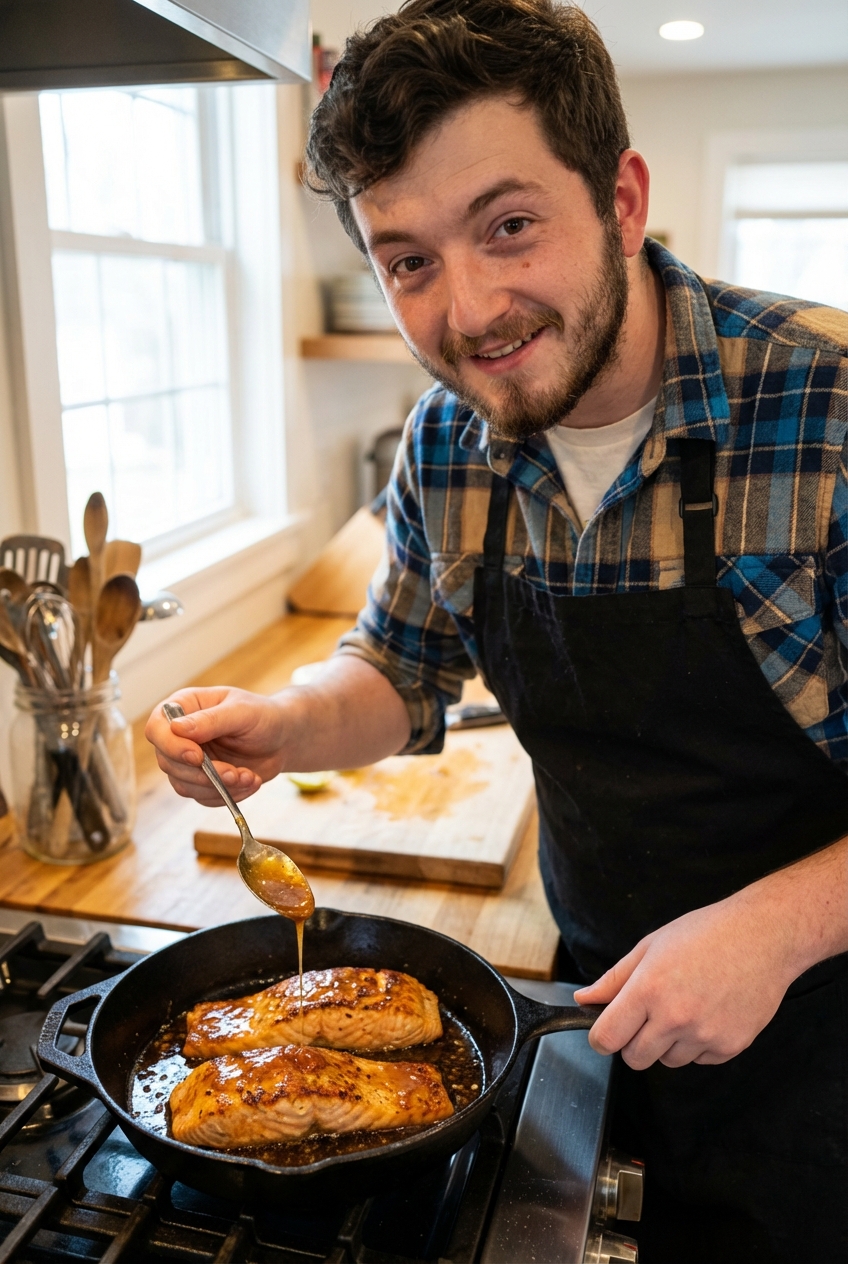
This salmon is my go-to when I want maximum flavor with minimum chaos: a quick pan sear for those crisp edges, then a sticky, savory-sweet honey garlic glaze that clings to the fish like it has a purpose. A squeeze of lemon at the end makes everything taste awake.

It is easy enough for Tuesday, impressive enough for “Oh, you are coming over in 20 minutes?” and forgiving if your timing is not perfect. Keep it medium-high for the sear, medium for the sauce, and you are going to eat really well.
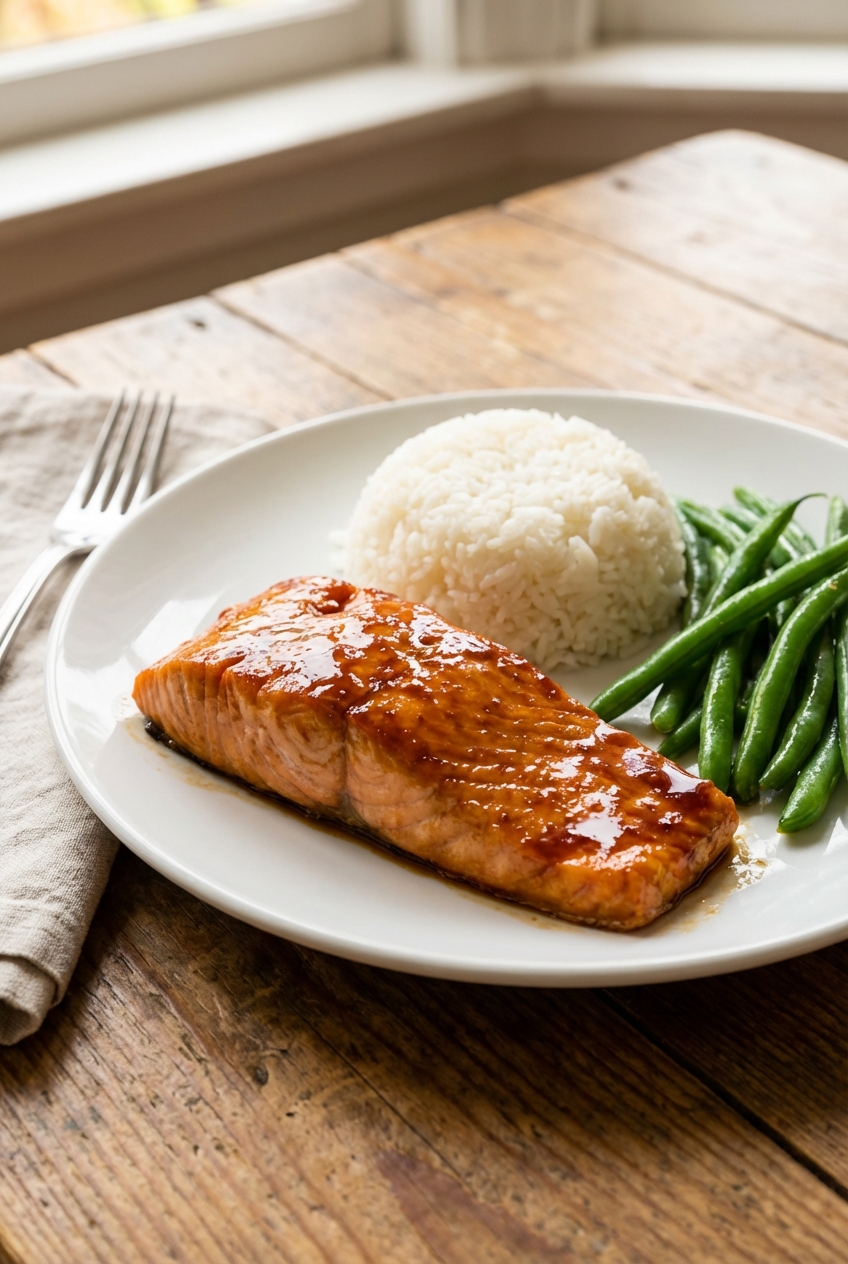
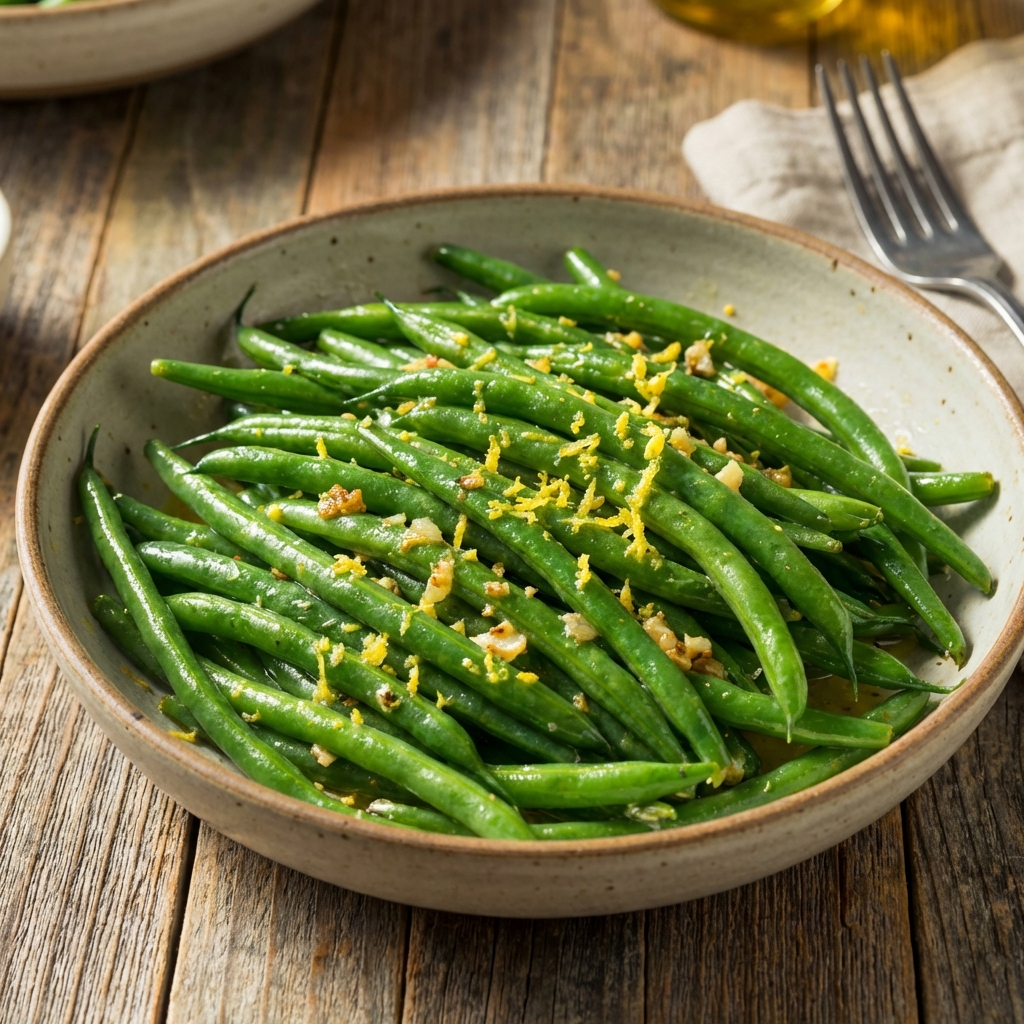
Glazed salmon on a white plate with steamed rice and green beans

Why It Works

  • Crisp outside, juicy inside: A hot pan plus a dry salmon surface gives you that restaurant-style sear without overcooking.
  • Big flavor from pantry basics: Honey, soy sauce, garlic, and butter make a fast glaze that tastes like you worked harder than you did.
  • Glaze that actually sticks: A quick simmer reduces it into a glossy sauce that coats a spoon and clings to the salmon instead of pooling sadly on the plate.
  • Flexible with what you have: Works with salmon portions or a larger fillet, and you can swap in lime, add chili flakes, or use maple syrup in a pinch.

Pairs Well With

Storage Tips

Refrigerate: Cool salmon completely, then store in an airtight container for 1 to 3 days. If possible, keep any extra sauce in a separate small container.

Reheat gently (best): Warm in a skillet over low heat with a tiny splash of water, then cover for 2 to 3 minutes. This keeps it moist and revives the glaze.

Microwave option: Use 50% power in 30-second bursts just until warm. Salmon goes from perfect to dry quickly, so stop early and let carryover heat finish the job.

Eat it cold: Flake leftover salmon over a salad or rice bowl, drizzle with the sauce, and add cucumbers or avocado.

Freezing: You can freeze cooked salmon, but the texture softens. If you do, wrap tightly and freeze up to 2 months. Thaw overnight in the fridge and reheat gently.

Food safety note: When in doubt, follow standard refrigeration rules, reheat thoroughly, and discard leftovers that smell off or have been left out too long.

Common Questions

How do I know when salmon is done?

Look for the fish to turn opaque and flake easily with a fork. If you use a thermometer, 125°F to 130°F in the thickest part gives you moist, tender salmon (chef-style medium). If you prefer it more done, go to 135°F. Food safety note: The USDA recommends cooking fish to 145°F. Choose the temperature and texture you are comfortable with.

Should I use skin-on or skinless salmon?

Either works. Skin-on is great because it protects the fish from overcooking and can get crispy if you sear it well. If you keep the skin, sear skin-side down first and leave it alone until it releases easily.

Can I bake this instead of pan-searing?

Yes. Bake at 400°F for 10 to 14 minutes depending on thickness. Simmer the sauce on the stove and spoon it over at the end, or brush on during the last 3 to 4 minutes.

What if my sauce tastes too salty?

Easy fix: add a little more honey and a squeeze of lemon. You can also add 1 to 2 tablespoons water and simmer for 30 seconds to rebalance.

What salmon should I buy?

Atlantic (often farmed) is rich and forgiving. Sockeye is leaner and cooks faster, so watch the time. Coho is a nice middle ground. No matter what, pick fillets with firm flesh and a clean, mild smell.

How thick should my salmon be?

For this method, about 1 inch thick is the sweet spot. If your fillets are closer to 1 1/2 inches, you will likely need an extra 1 to 3 minutes total cook time (usually on the second side and/or when finishing in the sauce).

I started making this salmon when I realized I was buying beautiful fillets, then freezing them out of intimidation. Salmon can feel like it has a tiny ego, like it needs perfect timing and special treatment. Turns out, it just needs a hot pan, decent seasoning, and a sauce that shows up with confidence.

This is the one I cook when I want dinner to feel a little fancy without turning the kitchen into a science lab. The glaze is sticky, garlicky, and bright at the end, which is exactly how I want weeknight food to behave.