Mom's Best Recipes
Recipe

Easy Japanese Chicken Katsu

Ultra-crispy panko chicken cutlets with a quick tonkatsu-style sauce. Weeknight-friendly, kid-approved, and wildly satisfying with rice and shredded cabbage.

Author By Matt Campbell
4.9
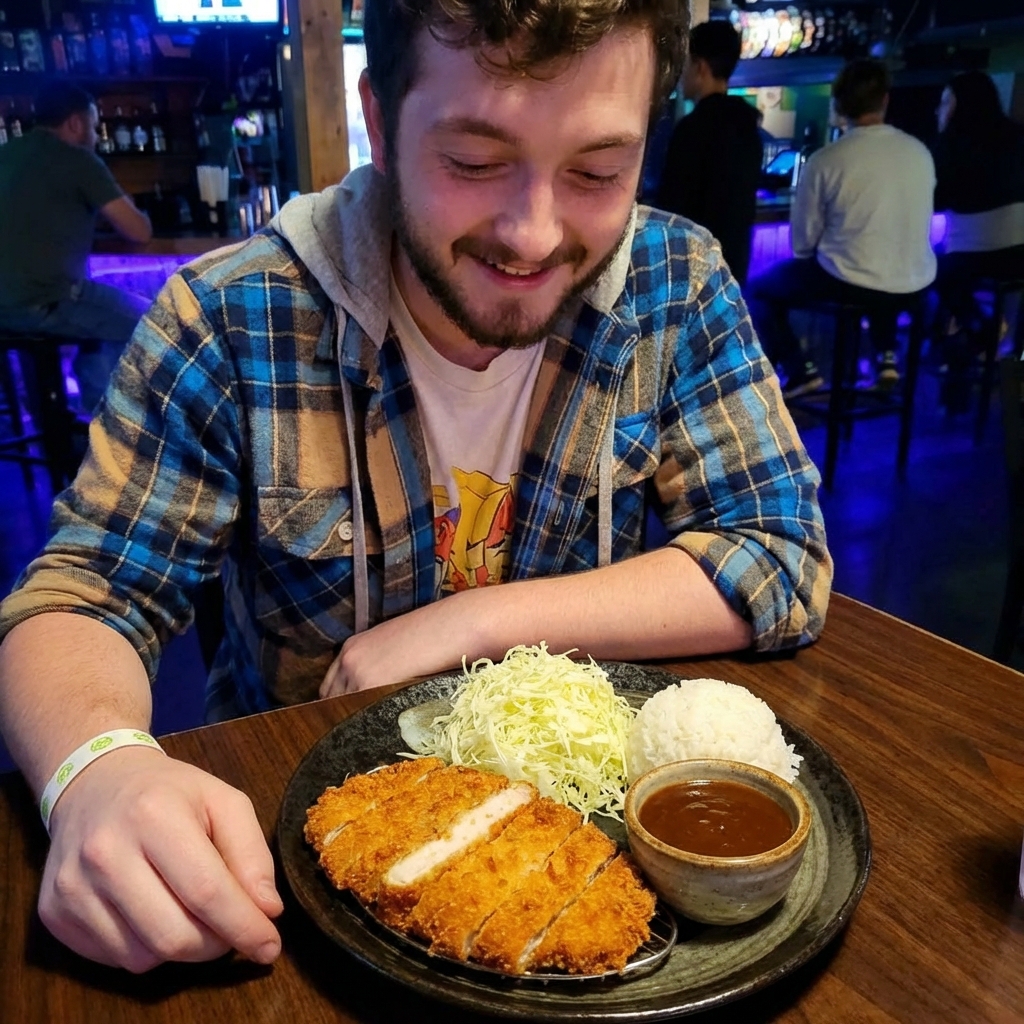
A golden brown Japanese chicken katsu cutlet sliced on a plate with shredded cabbage, steamed rice, and a small bowl of tonkatsu sauce

If you want that classic katsu crunch without turning your kitchen into a deep-fry situation, chicken katsu is your move. It is crunchy, cozy, and honestly kind of magical in how fast it comes together. The secret is not secret at all. It is panko, a quick flour and egg station, and oil hot enough to make those crumbs puff and crackle.

This version keeps ingredients accessible, gives you a punchy homemade sauce (no hunting for specialty bottles required), and walks you through the little things that make katsu taste like it came from a good neighborhood spot. Crisp edges, juicy center, and a sauce that makes you pause mid-bite like, okay, wow.
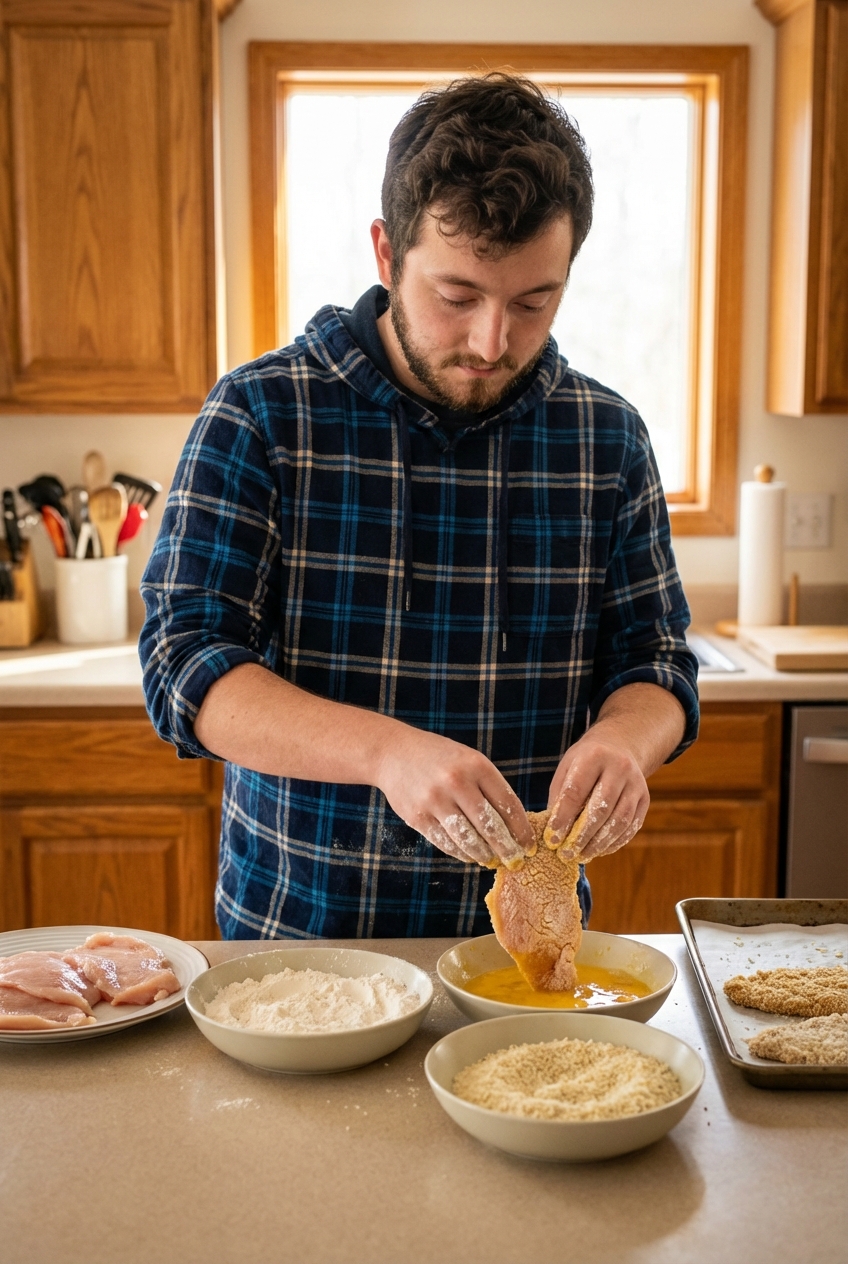
A home cook breading chicken cutlets with flour, egg, and panko on a kitchen counter

Why It Works

  • Crisp, airy crust: Panko stays crunchy longer than regular breadcrumbs and gives that signature katsu shatter.
  • Juicy chicken: Light pounding plus a short rest after frying keeps the cutlet tender, not dry.
  • Fast flavor: A simple tonkatsu-style sauce made from pantry staples brings sweet, tangy, savory balance in 60 seconds.
  • Low-drama workflow: One skillet, one thermometer if you have it, and a clean breading sequence that actually makes sense.

Pairs Well With

Storage Tips

Fridge: Store katsu in an airtight container for up to 3 days. Keep sauce separate if possible.

Best reheat for crispiness: Oven or air fryer at 375°F (190°C) for 8 to 12 minutes, flipping once, or until hot throughout and the chicken reaches 165°F (74°C). If you can, set it on a rack so the bottom does not steam.

Microwave: Works in a pinch but softens the crust. If you microwave, do 30 to 45 seconds just to warm it, then crisp in a hot skillet for about a minute per side.

Freezer: Freeze cooked cutlets on a sheet pan until firm, then bag for up to 2 months. Reheat from frozen in a 375°F (190°C) oven for 18 to 24 minutes, flipping once, until hot throughout (165°F).

Common Questions

Is chicken katsu Japanese?

Yes. Katsu is a Japanese dish influenced by Western-style cutlets. The classic is pork tonkatsu, but chicken katsu is extremely common in homes and restaurants.

What oil temperature should I fry at?

Aim for 350°F to 360°F (about 175°C to 182°C). Too low and the coating gets oily. Too high and the crust browns before the chicken cooks through.

Can I bake it instead of frying?

You can, but it will be less puffy-crisp. For best baked results, spray the breaded cutlets generously with oil and bake at 425°F (220°C) on a rack for 18 to 22 minutes, flipping once, or until the chicken reaches 165°F (74°C).

Do I have to use panko?

For that classic katsu crunch, yes. Regular breadcrumbs are finer and tend to go dense. Panko gives that airy, shattery texture.

Is the homemade sauce authentic?

It is a quick approximation of tonkatsu sauce using pantry staples. It is delicious and totally katsu-friendly, but it will not be identical to bottled sauces (which often include fruit and vegetable purees and more spices). If you have Bulldog Tonkatsu Sauce, use it. If not, this version gets you in the right neighborhood fast.

The first time I made katsu at home, I thought it would be a whole production. It was not. The moment the panko hit the oil and started that gentle crackle, I knew I was in business. Now it is my go-to when I want something that feels like a treat but still plays nice on a weeknight. I always slice it, sauce it, then immediately “taste for quality control” while standing at the counter. Completely necessary. Completely non-negotiable.