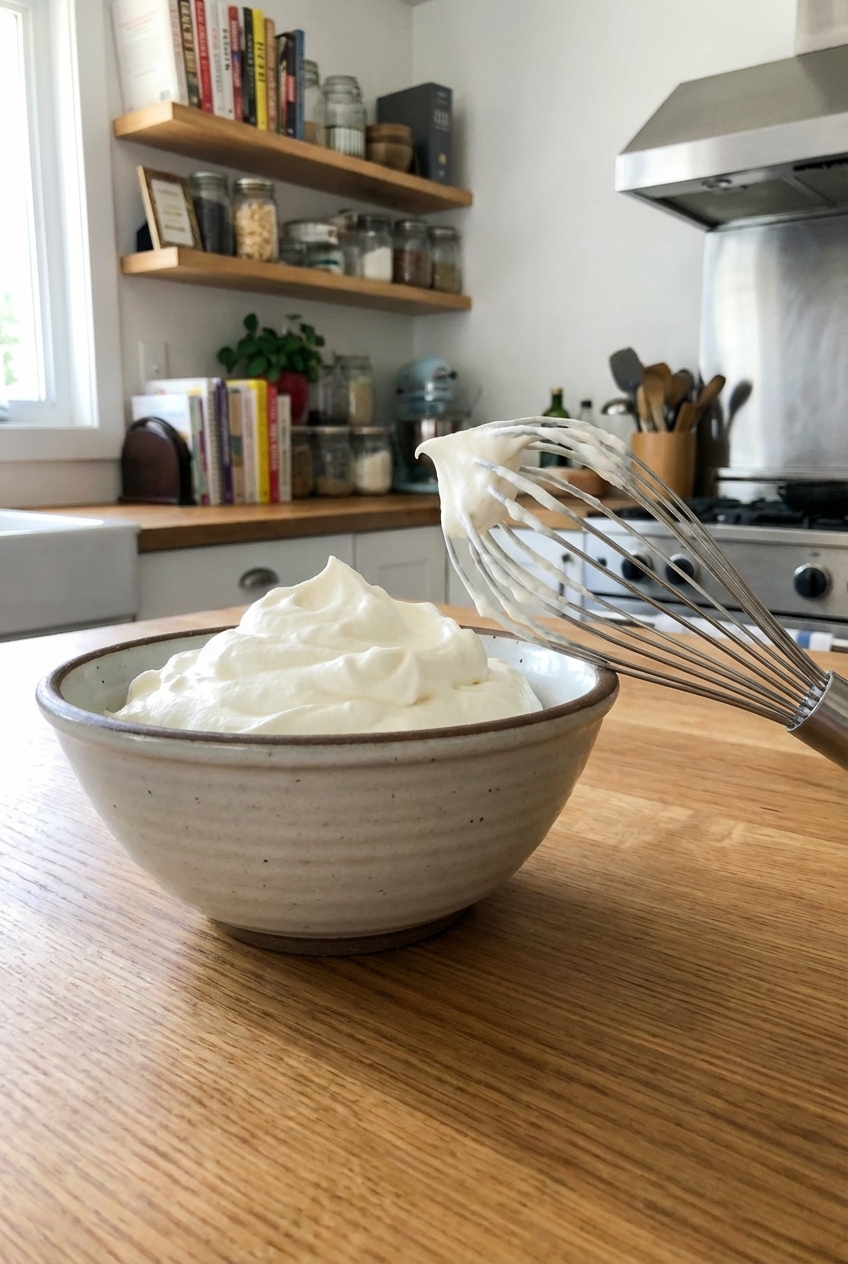

Whip up rich, creamy egg nog fast with simple ingredients and warm holiday spices. This quick, tasty recipe is perfect for parties, cozy nights, and festive ...
There are two kinds of weeknights: the ones where you cook something responsible, and the ones where you look at a half-loaf of bread on the counter and think, we can do better than toast. This is for the second kind.
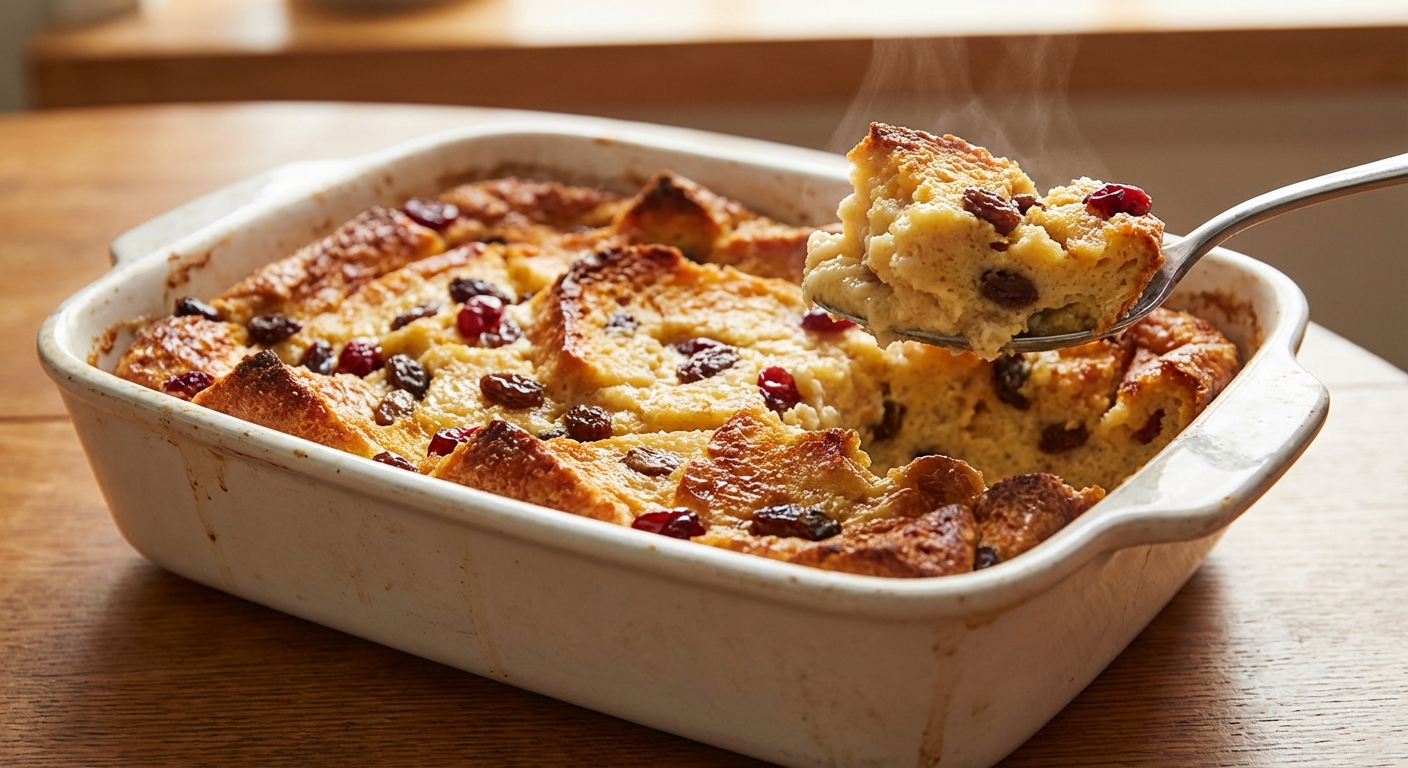
This easy bread pudding is light and fluffy instead of heavy and brick-like. It bakes up with crisp, golden corners, a soft center that practically sighs when you scoop it, and a vanilla-scented custard that tastes like you tried harder than you did. The best part: you can pull it together in about 10 minutes with bread you already have, then let the oven handle the rest.
If you want it dessert-sweet, go for it. If you want it breakfast-ish with a little less sugar and a big spoonful of yogurt on top, I support you fully. This is a flexible, low-drama recipe that still delivers that pause-mid-bite moment.