Mom's Best Recipes
Recipe

Easy Miso Soup

A simple, authentic Japanese miso soup with dashi, silken tofu, wakame, and scallions. Includes both instant and homemade dashi, plus the one rule that matters: avoid boiling once the miso goes in.

Author By Matt Campbell
4.9
A steaming bowl of authentic Japanese miso soup with silken tofu cubes, wakame seaweed, and sliced scallions on a wooden table in a bright home kitchen, real food photography

Miso soup is the quiet hero of Japanese home cooking. It is warm, savory, and somehow makes a plain Tuesday feel a little more put together. The best part is that authentic miso soup is genuinely easy once you have two things: dashi (the broth) and miso paste (the flavor).

This version keeps it classic with tofu, wakame, and scallions, and I am giving you two paths: a speedy instant dashi option for weeknights and a simple homemade dashi for when you want that extra depth. Either way, you are about 10 minutes from a bowl you will want to sip straight from the cup. No judgment.

Serving note: This recipe uses 4 cups of broth, which typically makes 4 small bowls (the way miso soup is often served). Want bigger bowls? Scale it up.

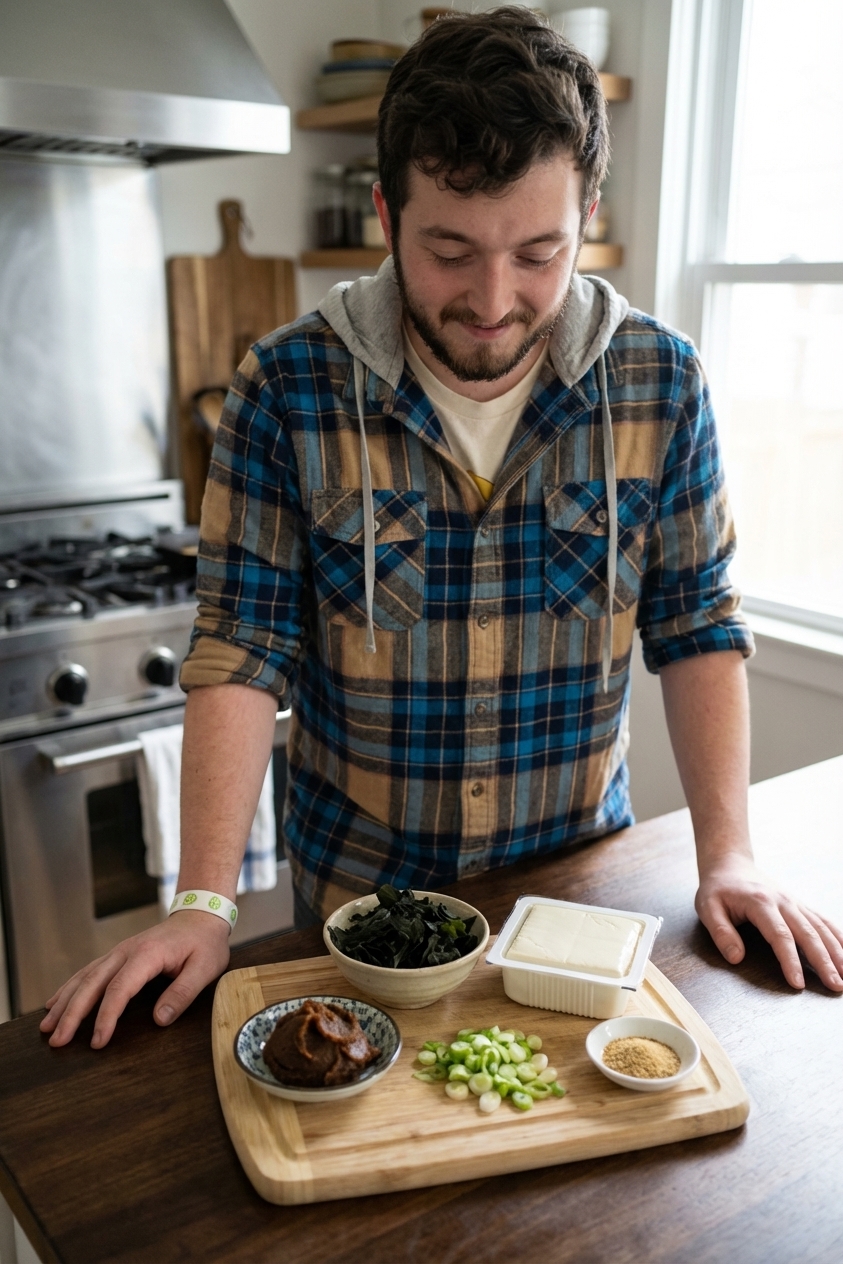
A small arrangement of miso paste, dried wakame, silken tofu, sliced scallions, and dashi ingredients on a kitchen counter, real photograph

Why It Works

  • Real Japanese flavor with minimal effort: Dashi plus miso is the whole secret. Everything else is just the fun part.
  • Flexible intensity: Start with 3 tablespoons miso, then add more if you want a bolder, saltier bowl.
  • Perfect texture every time: Tofu stays silky and wakame stays tender because we keep the soup at a gentle simmer.
  • No grainy miso: You will whisk the miso in off the heat so it dissolves smoothly and keeps its aroma.

Pairs Well With

Storage Tips

Miso soup is best fresh, but leftovers are still totally worth saving.

  • Fridge: Store in an airtight container for up to 2 days.
  • Reheat gently: Warm over low heat until steaming. Avoid boiling, especially if the miso is already in there.
  • Best practice (if you are planning ahead): Keep leftover dashi broth separate, then add miso after reheating. This keeps the flavor brighter.
  • Freezing: Not ideal once tofu and wakame are in the soup. Texture gets weird. If you want to freeze, freeze the dashi only for up to 2 months.

Common Questions

What kind of miso paste should I buy?

White miso (shiro miso) is lighter, slightly sweet, and super approachable. Red miso (aka miso) is darker, saltier, and more intense. For a balanced everyday bowl, try awase miso, which is a blend and very common in Japanese kitchens.

Why shouldn’t I boil miso soup?

Boiling can dull the aroma and make the miso taste harsher. Miso is full of delicate fermented flavors, so keep the soup at a gentle simmer, then whisk in miso off heat at the end. If it bubbles a tiny bit, it is not “ruined,” but it will smell and taste best when you avoid boiling.

What is dashi, exactly?

Dashi is a Japanese stock, most often made from kombu (kelp) and katsuobushi (bonito flakes). It tastes savory and clean, and it is the backbone of miso soup.

Can I make this vegetarian?

Yes. Use kombu dashi (kelp only) or a vegetarian dashi powder. Also note: many instant dashi powders contain bonito, and some include MSG. Totally normal, just worth knowing if you are shopping with dietary preferences in mind.

My miso soup tastes flat. How do I fix it?

Usually it needs one of these: (1) a bit more miso, added gradually, (2) stronger dashi, or (3) a pinch of salt if your miso is low-sodium. Also try adding more scallions or a few drops of toasted sesame oil for aroma.

How much miso should I use per cup of broth?

A good starting point is 3 to 4 tablespoons miso per 4 cups broth (about 2 1/4 to 3 teaspoons per cup), then adjust to taste. Different brands vary a lot in salt level, so start on the lower end if you are unsure.

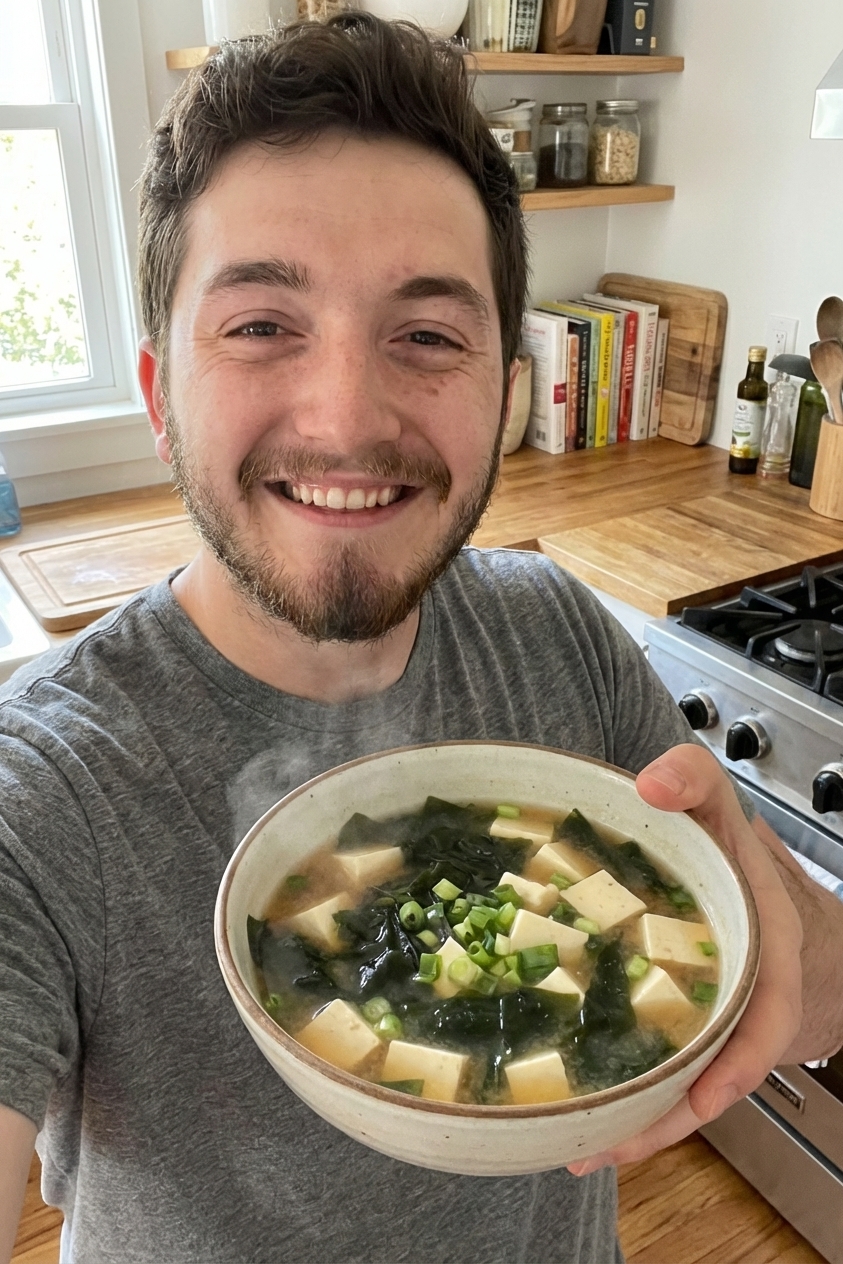
Miso soup is one of those recipes that made me feel like I finally had my footing in the kitchen. Not because it is hard, but because it teaches you a very chef-y lesson in a very not-fancy way: heat matters. The first time I boiled miso like a maniac, the soup tasted kind of tired. The next time I treated it gently and whisked the miso in at the end, it tasted like something I would happily sip in a tiny bowl at a sushi spot. Same ingredients. Different respect level.