FAQ
What temperature should baked salmon be cooked to?
For food safety, salmon is commonly cooked to an internal temperature of 145°F in the thickest part. For a juicier texture, many home cooks pull it around 125°F to 135°F and let it rest a couple minutes. If you are serving anyone who is pregnant, immunocompromised, or otherwise higher risk, stick with 145°F.
How long do you bake salmon at 400°F?
Most fillets take 10 to 14 minutes at 400°F, depending on thickness. A helpful rule of thumb is about 4 to 6 minutes per 1/2-inch thickness. A thick center-cut piece may need closer to 14 to 16 minutes. Start checking early.
Should I bake salmon covered or uncovered?
Uncovered is best here for lightly crisp edges. If your fillets are very thin or you want extra gentle heat, you can loosely tent with foil for the first half of baking.
Can I use frozen salmon?
Yes, but thawing first gives the best texture. Thaw overnight in the fridge, or quick-thaw in a sealed bag in cold water. If baking from frozen, add a few extra minutes and expect slightly more moisture.
How do I know when salmon is done without a thermometer?
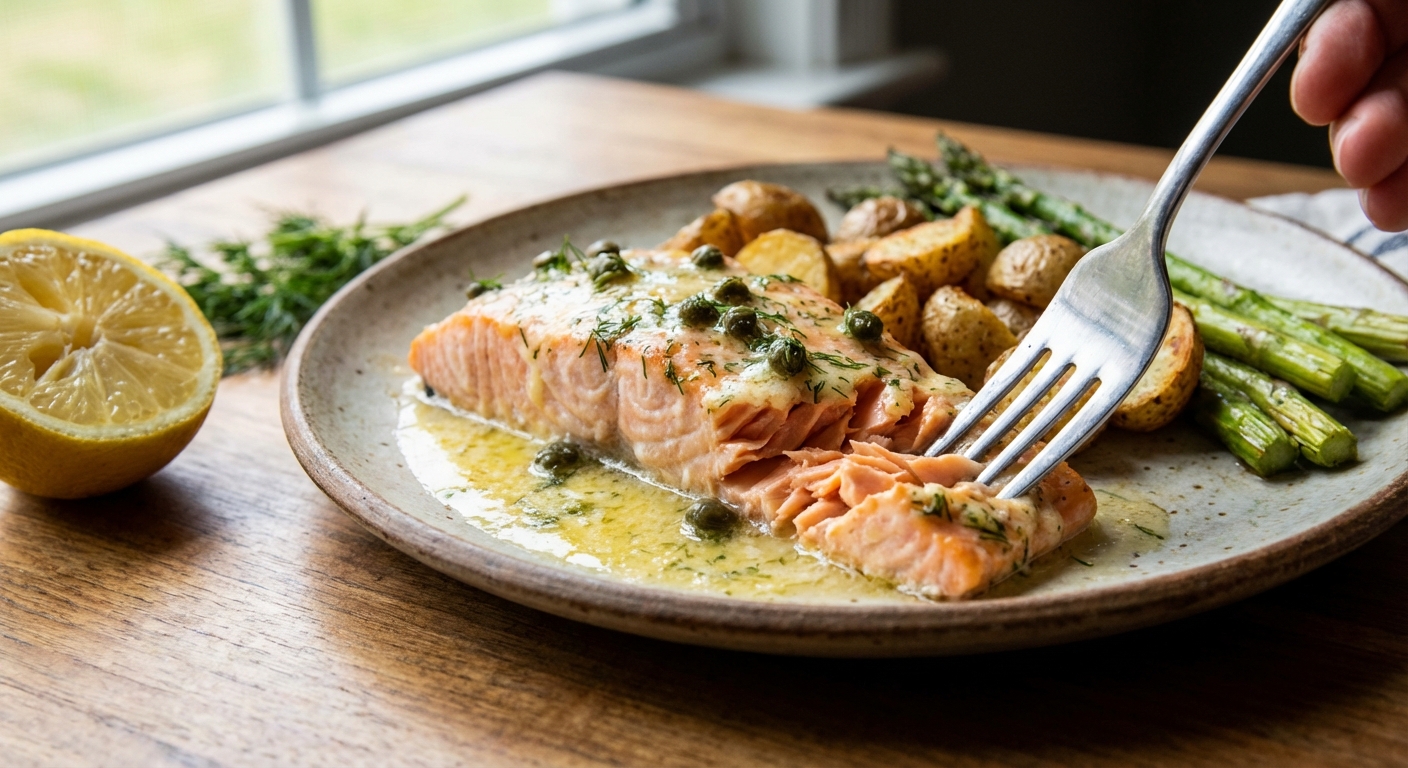
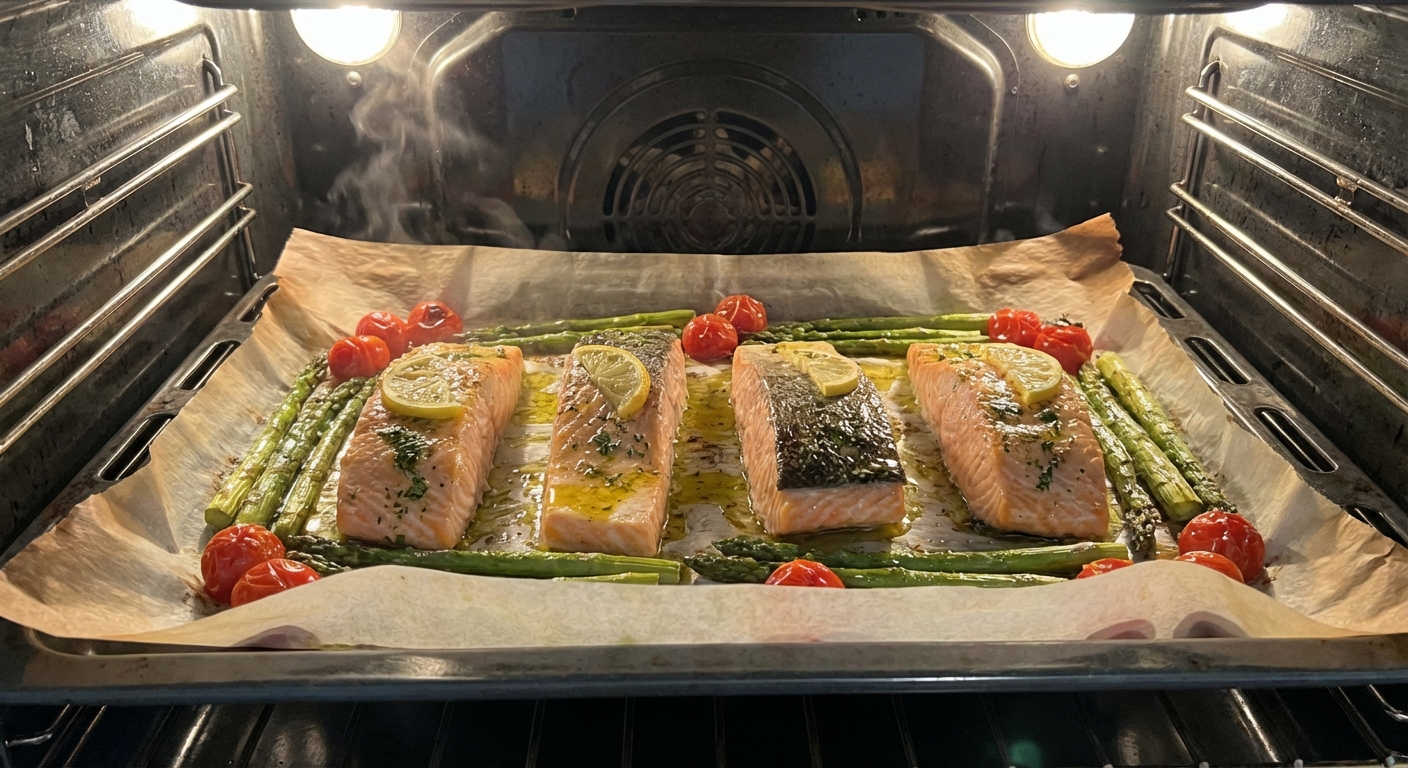
Look for salmon that turns opaque and flakes easily when nudged with a fork. If you are pulling it on the tender side, the very center may look a little more glossy than the edges, but it should not look raw.
What is the white stuff that sometimes comes out of salmon?
That is albumin, a harmless protein that can seep out when salmon cooks, especially if it cooks a bit too hot or too long. Patting the fish dry, using a timer, and avoiding overcooking helps. A short rest also makes it look less dramatic.
What sides go well with oven-baked salmon?
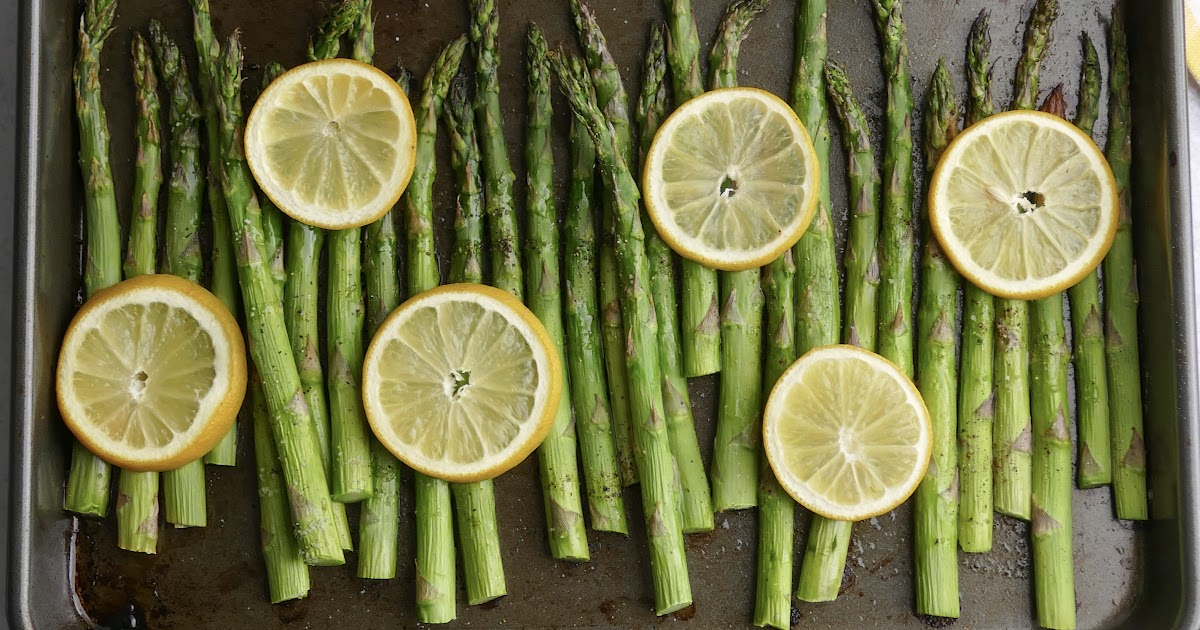
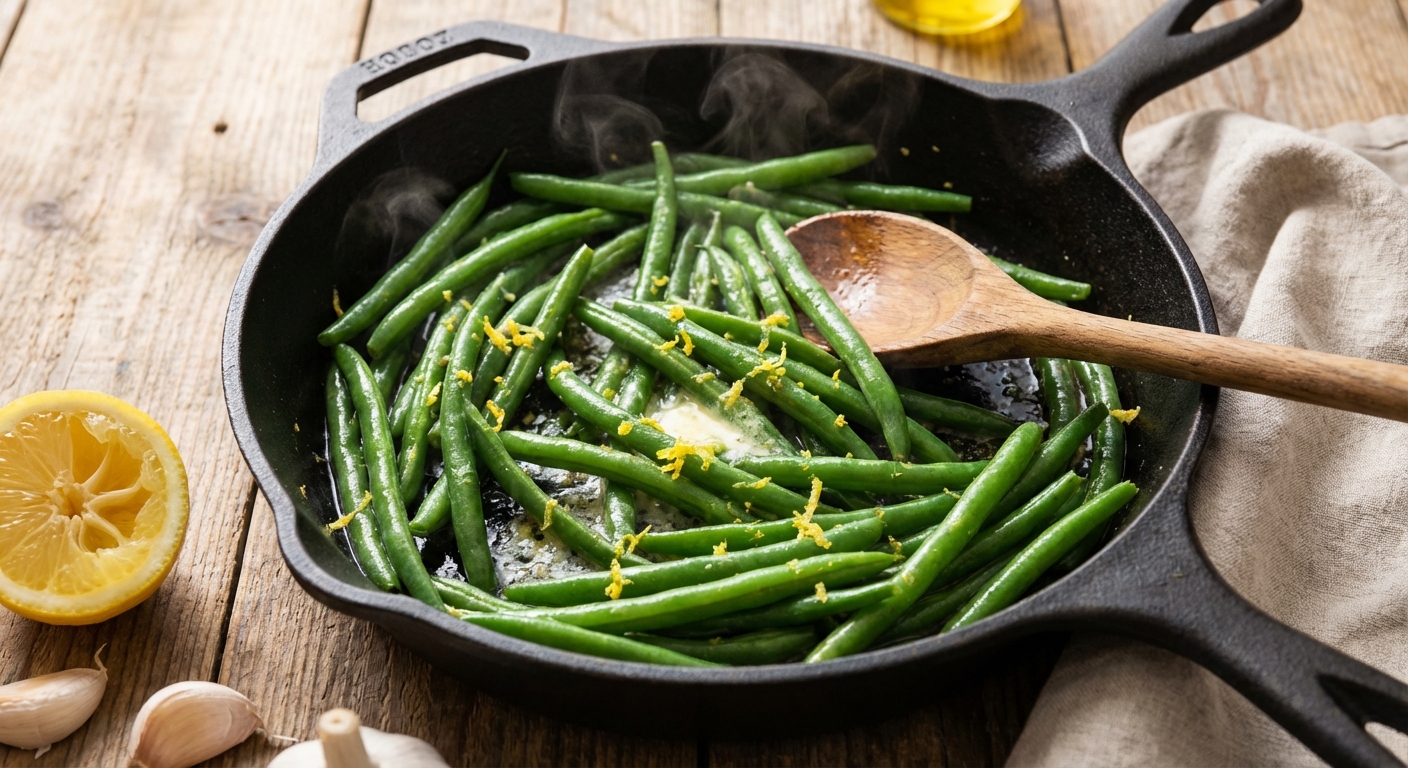
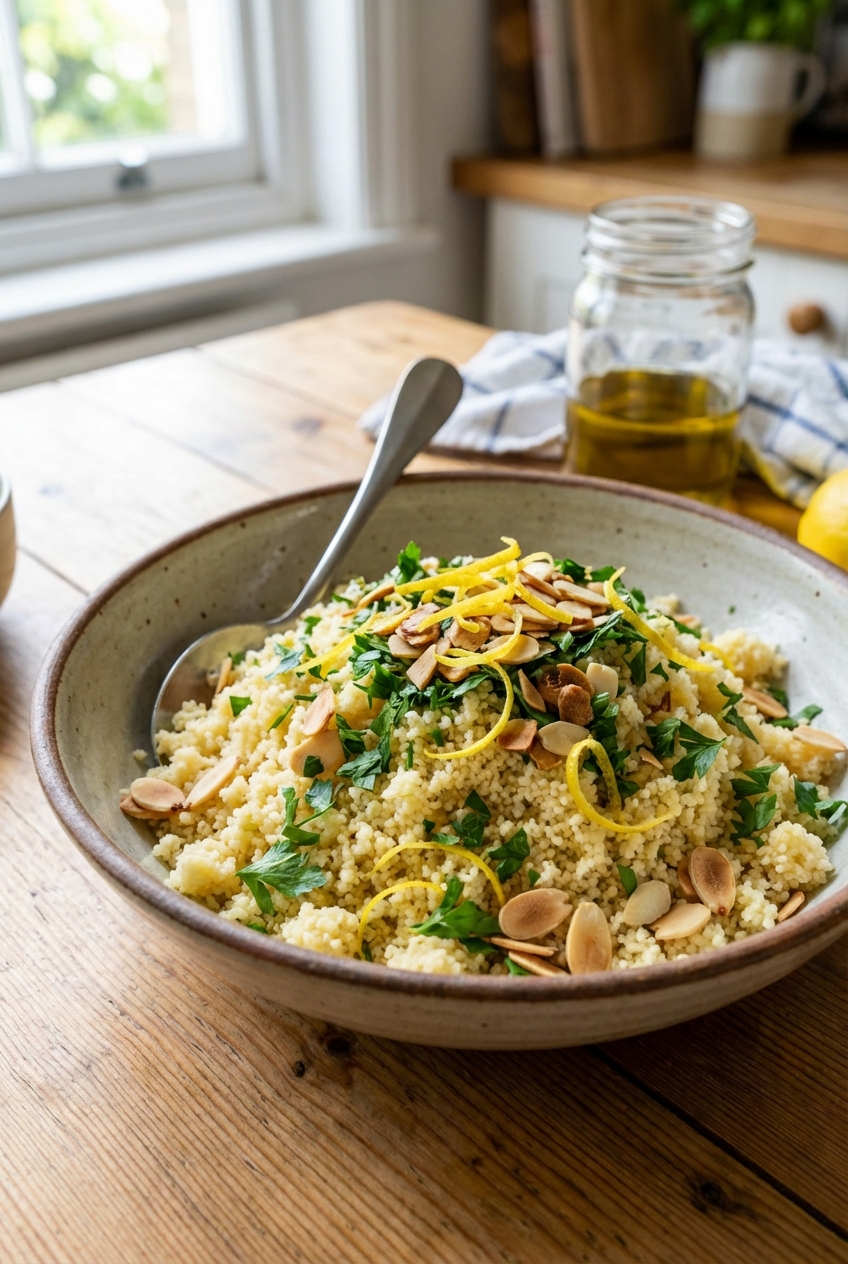
Rice, roasted potatoes, asparagus, broccoli, green beans, a big salad, or couscous. If you want peak weeknight energy, do a sheet pan vegetable alongside it.