Mom's Best Recipes
Recipe

Shrimp Scampi Recipe

A quick, buttery garlic-lemon shrimp scampi with a glossy sauce that clings to pasta and disappears fast.

Author By Matt Campbell
4.8
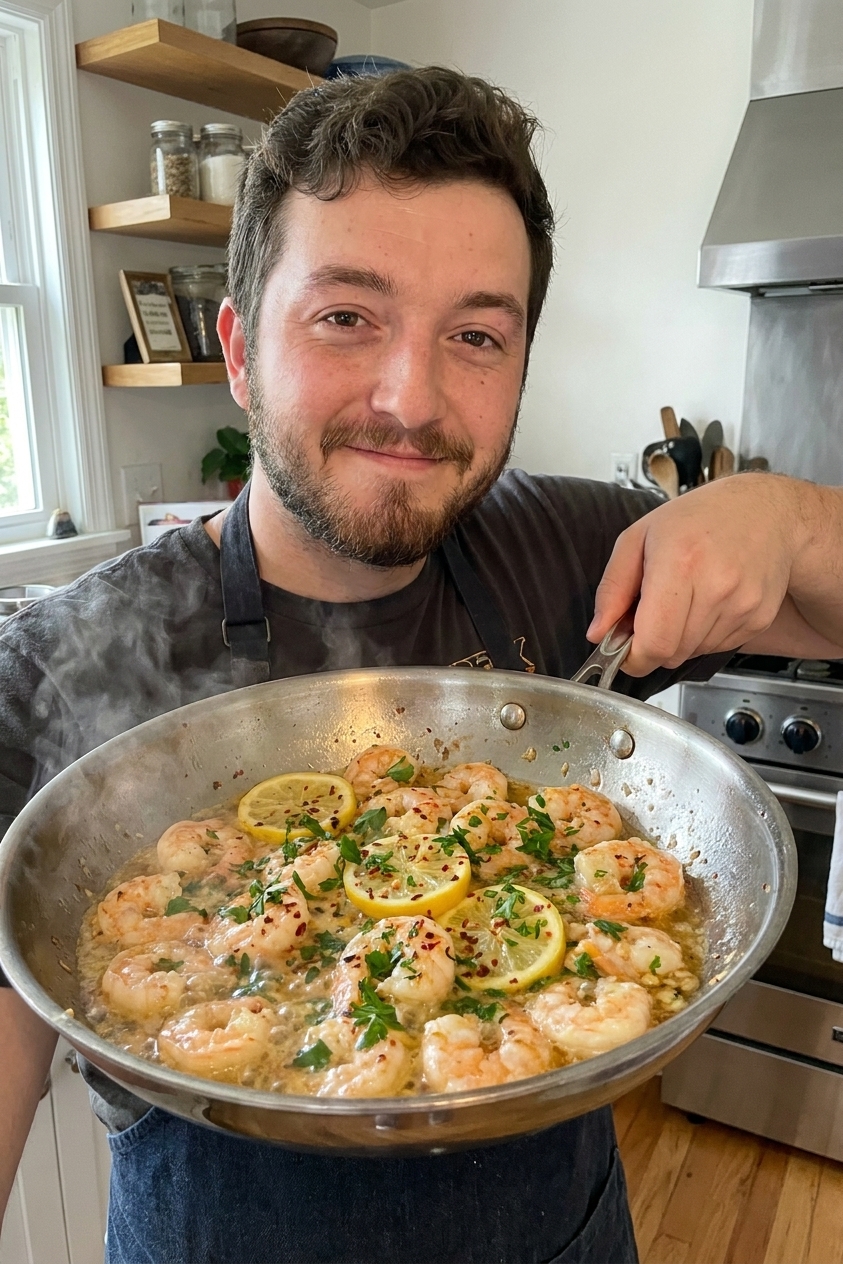
Shrimp scampi in a stainless steel skillet with glossy garlic-butter sauce, lemon slices, red pepper flakes, and chopped parsley
Jump to Recipe

Shrimp scampi is one of those magical dinners that feels a little fancy but cooks like a weeknight MVP. You get juicy shrimp, a garlic-butter sauce that smells like you know what you are doing, and a hit of lemon that keeps everything bright instead of heavy.

This version is built for real life. The ingredient list is short, the steps are clear, and the timing is forgiving as long as you respect one rule: do not overcook the shrimp. We are going for plump and snappy, not rubbery and sad.

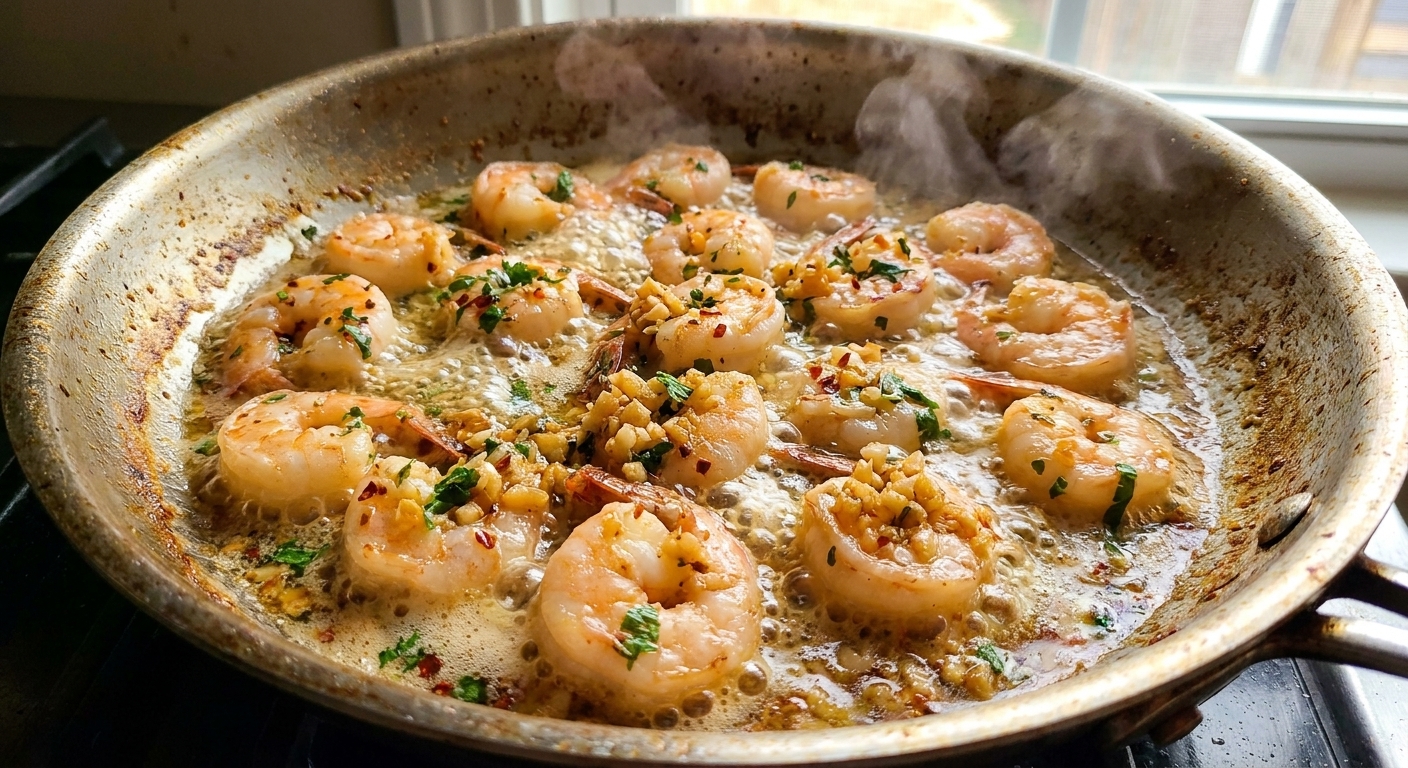
Close-up of shrimp scampi sauce bubbling with minced garlic and butter around pink shrimp in a pan

Why It Works

  • Fast flavor build: Garlic blooms in olive oil and butter, then lemon and a splash of broth or wine make a sauce that tastes like it simmered longer than it did.
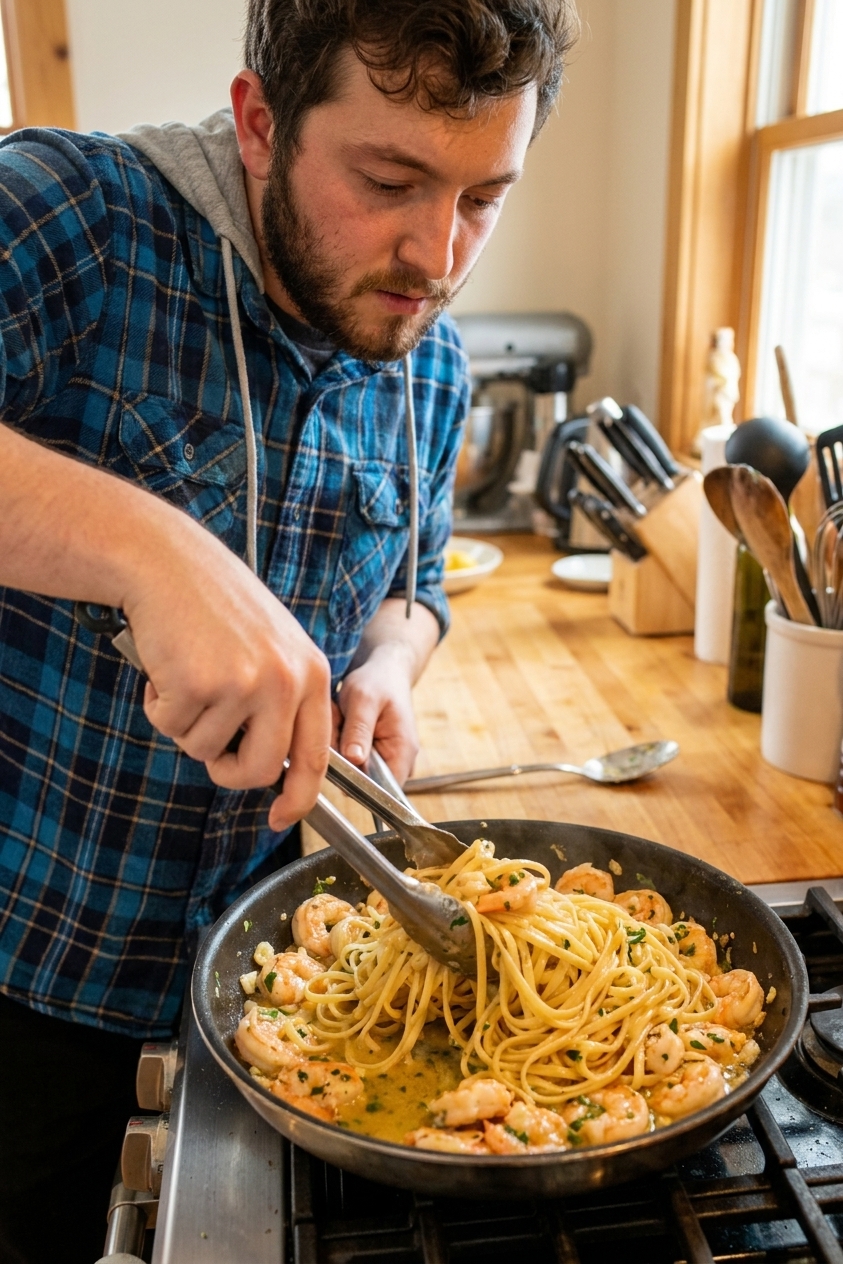
  • Glossy, clingy sauce: A little pasta water helps the butter emulsify so it coats noodles instead of pooling at the bottom.
  • Shrimp cooked right: Quick sear, quick finish. The shrimp stay tender and sweet.
  • Flexible serving: Toss with pasta, spoon over rice, or serve with crusty bread for maximum sauce cleanup.

Servings note: This comfortably serves 3 to 4 as a main, or 4 with a salad or veggie side.

Pairs Well With

Storage Tips

How to Store Leftovers

  • Fridge: Store in an airtight container for up to 2 days for best flavor and texture. (Some guidelines allow longer, but this is the conservative, seafood-is-best-sooner approach.)
  • Reheat gently: Warm in a skillet over low heat with a splash of water or broth, just until heated through. If you microwave, use 50 percent power in short bursts.
  • Pasta note: If your scampi is already tossed with pasta, it will soak up sauce. Add a spoonful of water, broth, or a tiny pat of butter while reheating to loosen it.
  • Freezing: Not my favorite. Shrimp can get tough and the butter sauce can separate. If you must freeze, do it for up to 1 month. Reheat slowly in a pan with a splash of water or broth and whisk. If the sauce looks broken, add 1 to 2 teaspoons fresh butter at the end and toss to bring it back together.

Common Questions

Common Questions

What is scampi sauce made of?

Classic scampi sauce is a simple mix of garlic, butter, olive oil, and something acidic like lemon juice and often white wine. I also like a splash of broth and a little pasta water to help it turn glossy.

Can I make shrimp scampi without wine?

Yes. Use chicken broth or seafood stock. Then, at the end, add an extra 1 to 2 teaspoons lemon juice (to taste) for that bright pop you would normally get from wine.

What size shrimp is best for scampi?

Large (31 to 40 count) or extra-large (26 to 30 count) are perfect. They cook quickly but still feel hearty. If you use smaller shrimp, cut the cook time down and watch them closely.

Why did my shrimp turn rubbery?

Overcooking, plain and simple. Shrimp are done when they are pink, opaque, and tender. The “C shape versus tight O shape” thing can be a helpful clue, but it is not foolproof since curl can vary by shrimp size and how they were handled. If you want a more reliable cue, use an instant-read thermometer and pull them around 130 to 135°F (they will climb a little with carryover heat).

How do I keep the sauce from getting greasy?

Use pasta water and whisk or toss vigorously to emulsify. Also, keep the heat at medium-low once the lemon goes in so the butter does not split.

Is shrimp scampi spicy?

Not inherently. Red pepper flakes are optional. Add a pinch for gentle warmth or skip for kid-friendly vibes.

Can I use frozen shrimp?

Absolutely. Thaw first, then pat very dry. Fast method: put shrimp in a sealed bag and submerge in a bowl of cold water for 15 to 20 minutes, then drain and dry well.

Shrimp scampi is my favorite “I have 20 minutes and zero patience” dinner. It is also my favorite way to prove that a meal can be simple and still feel like a win. The first time I made it, I kept adding garlic because it smelled so good in the pan. That was the moment I learned the difference between garlic that is toasty and sweet and garlic that is bitter and scorched. Now I keep the heat reasonable, let the garlic do its thing, and save the chaos for the pasta toss at the end.