Mom's Best Recipes
Recipe

Easy Tuna Salad Recipe (Fresh and Creamy)

A bright, creamy tuna salad that tastes fresh, not heavy. Ready in 10 minutes with simple pantry ingredients and a few crunchy add-ins.

Author By Matt Campbell
4.8
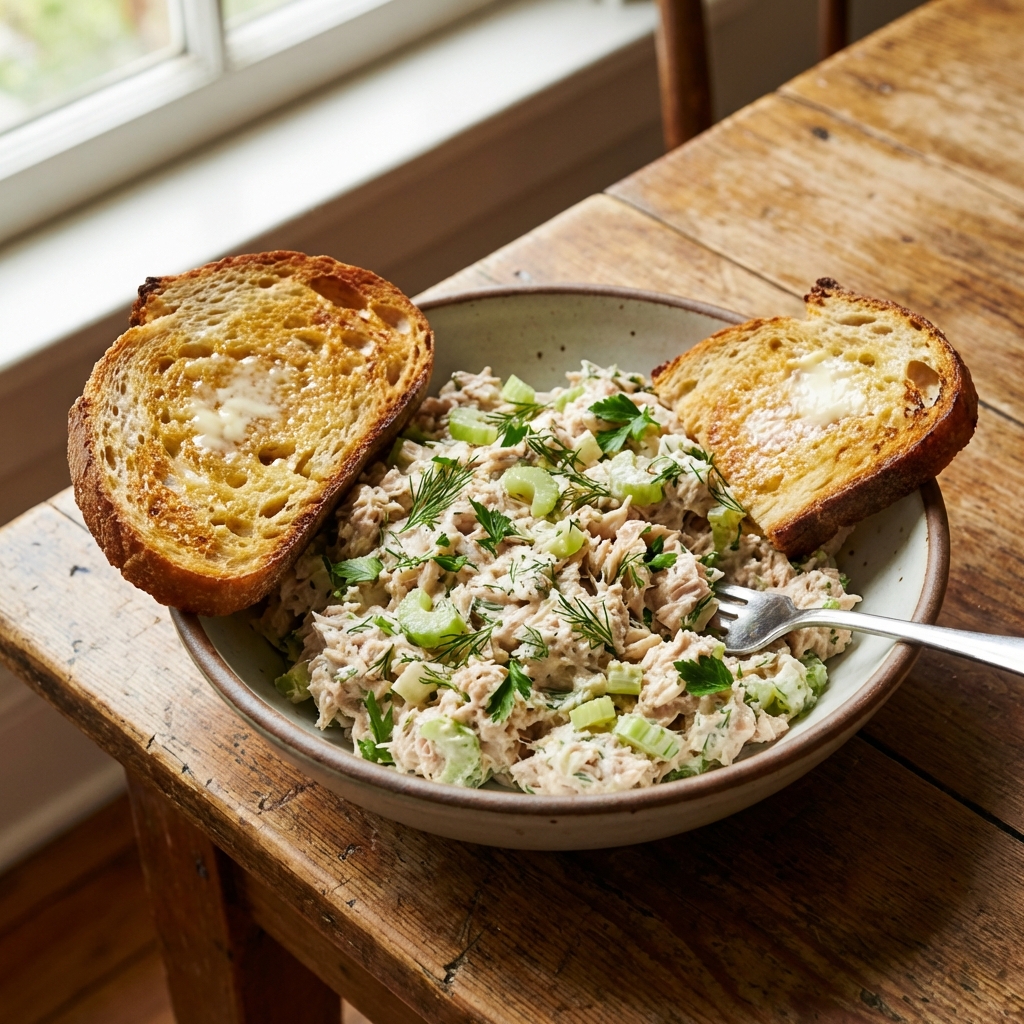
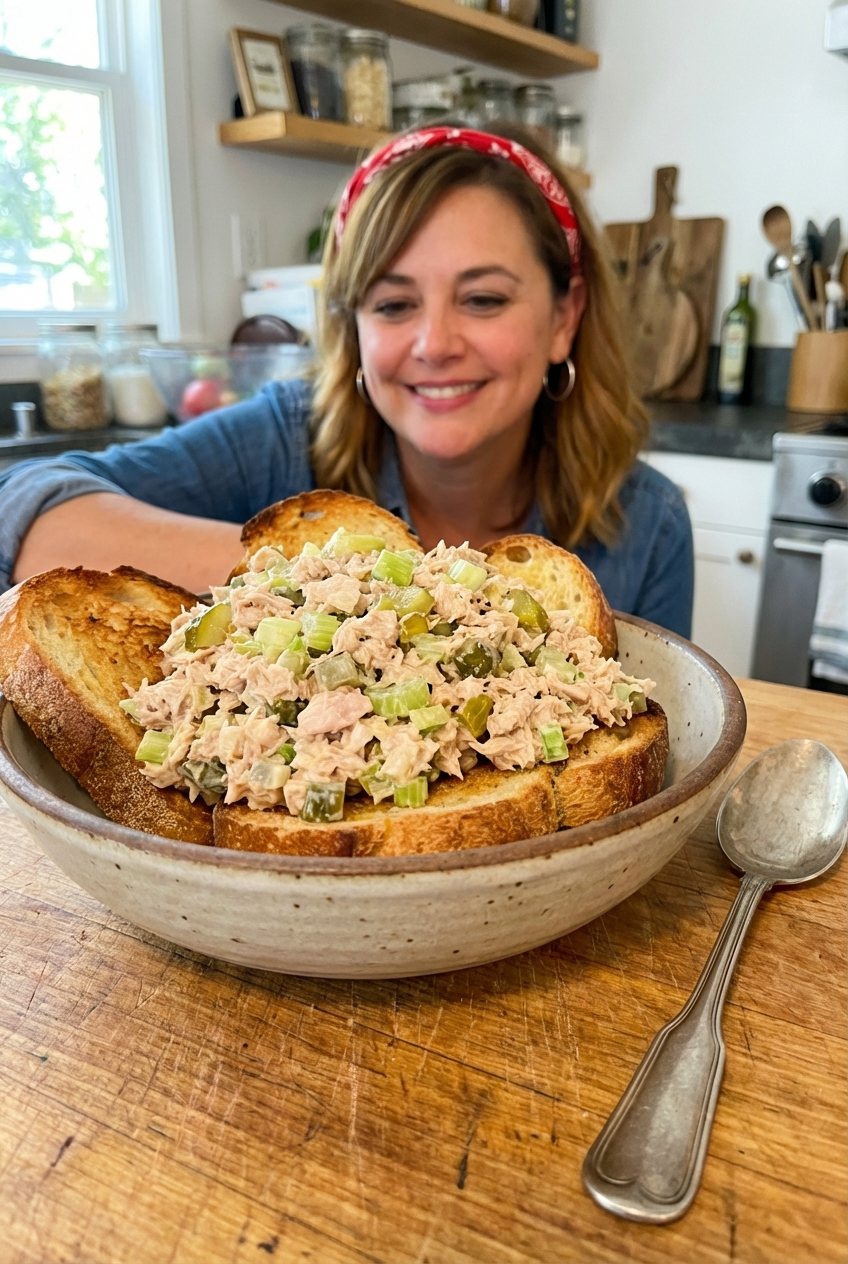
A bowl of creamy tuna salad with celery and herbs on a wooden table beside toasted bread

Tuna salad gets a bad rap for being either too dry, too gloopy, or weirdly sweet. This one is none of those things. It is fresh, creamy, and bright, with real crunch and just enough tang to make you keep going back for “one more bite” even if you only came into the kitchen for a quick lunch.

My goal here is simple: use easy ingredients, keep the instructions low-drama, and build flavor fast. The trick is a balanced dressing (mayo for body, a little yogurt for lift, mustard for bite, lemon for brightness) and crisp mix-ins so the whole thing feels alive.
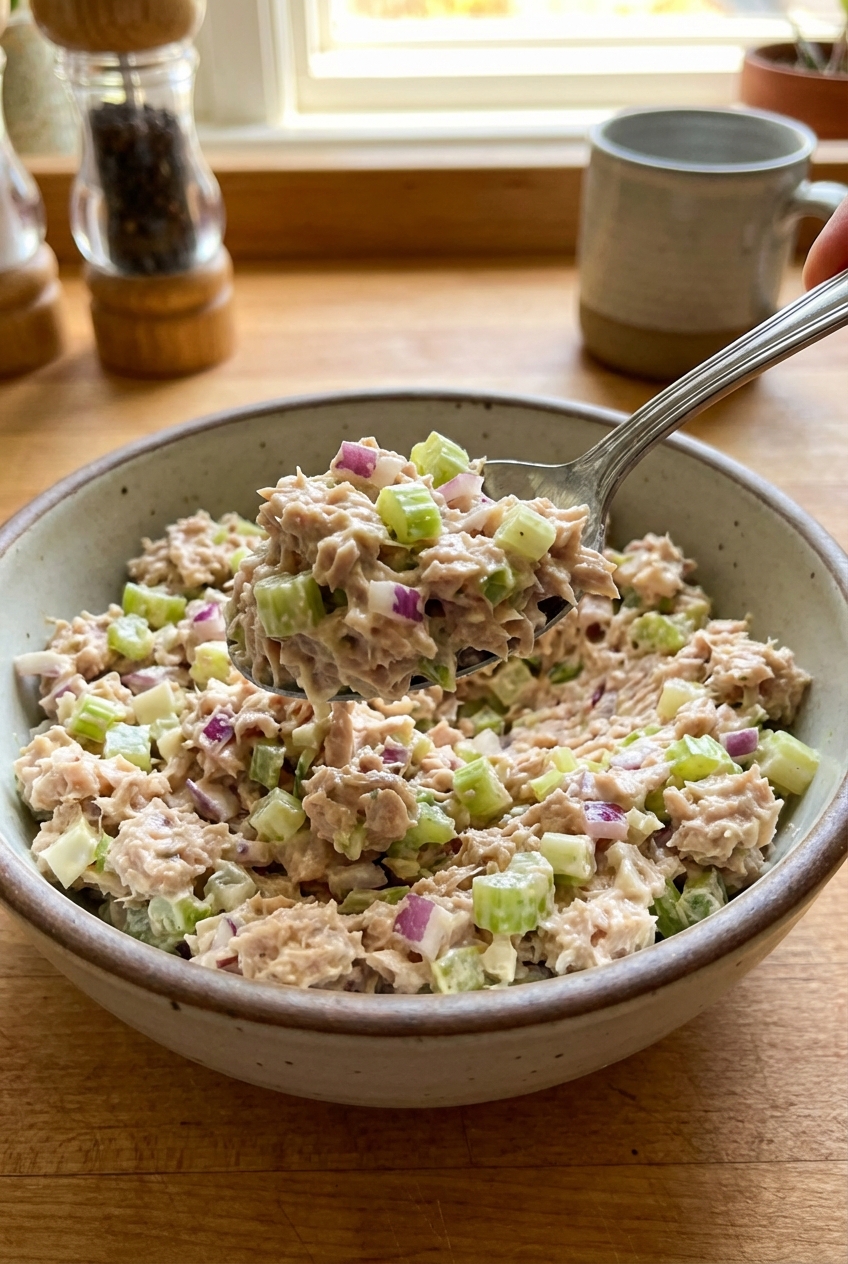
A spoon scooping tuna salad from a bowl with visible celery and red onion

Why It Works

  • Fresh, not flat: Lemon juice and Dijon wake up the tuna and keep it from tasting canned.
  • Creamy, not heavy: A mayo and Greek yogurt combo gives richness with a cleaner finish.
  • Great texture: Celery and red onion add crunch, while a short chill helps flavors settle.
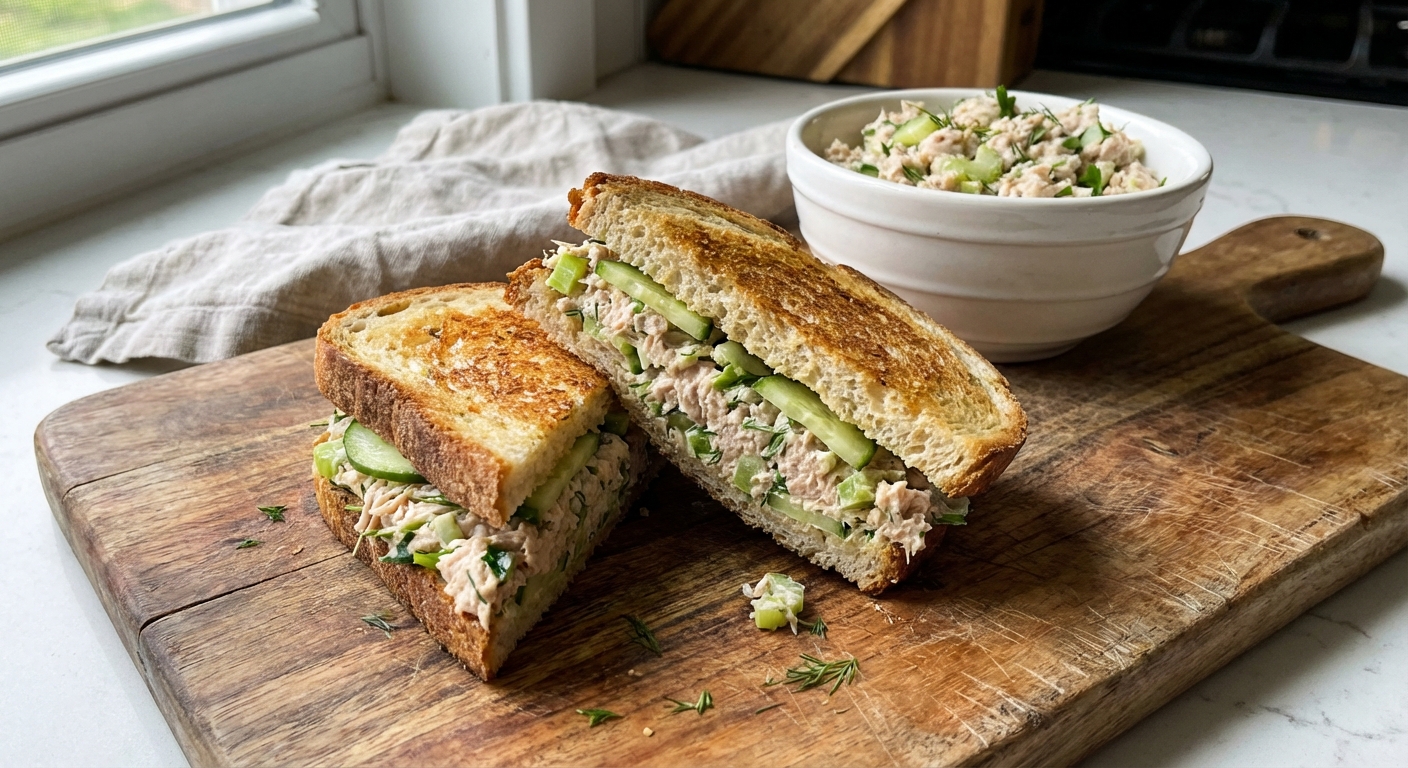
  • Weeknight flexible: Works as a sandwich, wrap, salad topper, or snack with crackers.

Pairs Well With

Storage Tips

Refrigerate: Store tuna salad in an airtight container for 3 to 4 days. If you are meal prepping, keep extra chopped celery on the side and stir it in right before eating to bring back the crunch. If you prefer to play it extra safe, stick to 3 days.

Keep it food-safe: Do not leave tuna salad at room temperature for more than 2 hours (1 hour if it is hot out, around 90°F/32°C or above).

Freezing: I do not recommend freezing. Mayo and yogurt can separate and turn watery once thawed, which is a bummer for texture.

Common Questions

What kind of tuna should I use?

Solid albacore gives bigger flakes and a cleaner flavor. Chunk light is usually softer and a bit more “classic deli” tasting. Either works. Just drain it well.

Water-packed or oil-packed?

Water-packed is the classic tuna salad move and keeps things bright. Oil-packed is richer and can taste more luxe. Drain it very well, and consider using a little less mayo since the tuna already brings richness.

How do I keep tuna salad from getting watery?

Drain the tuna thoroughly, then give it a gentle squeeze with the lid or a fork. Also, if your celery is very juicy, pat it dry after chopping. Watery tuna salad is almost always a draining issue.

Can I make it without mayo?

Yes. Swap the mayo for more Greek yogurt, or use mashed avocado for a richer, greener vibe. The flavor will be tangier with yogurt and more mellow with avocado.

Is this recipe kid-friendly?

Very. If your crew is onion-sensitive, reduce the red onion or swap in chopped chives. You can also skip the mustard and add a tiny pinch more salt instead.

How can I add more protein?

Mix in a chopped hard-boiled egg, or serve it over cottage cheese. Sounds odd, eats great.

Any mercury note?

If you are pregnant, breastfeeding, or making this often for kids, follow your local guidance on tuna intake. Many people choose chunk light more often than albacore for that reason.

Tuna salad was one of the first “feed yourself” things I learned to make that actually felt like real cooking. Not because it is hard, but because it rewards you for paying attention. The first time I added lemon and mustard on a whim, it went from cafeteria vibes to something I would proudly pile onto toast for friends. Now it is my go-to lunch when I want comfort, but I also want crunch, brightness, and a little attitude in the seasoning.