Is edible cookie dough actually safe to eat?
It can be, as long as you address the two main risks: raw eggs and raw flour. This recipe uses no eggs and includes a quick step to heat-treat the flour.
How do I heat-treat flour?
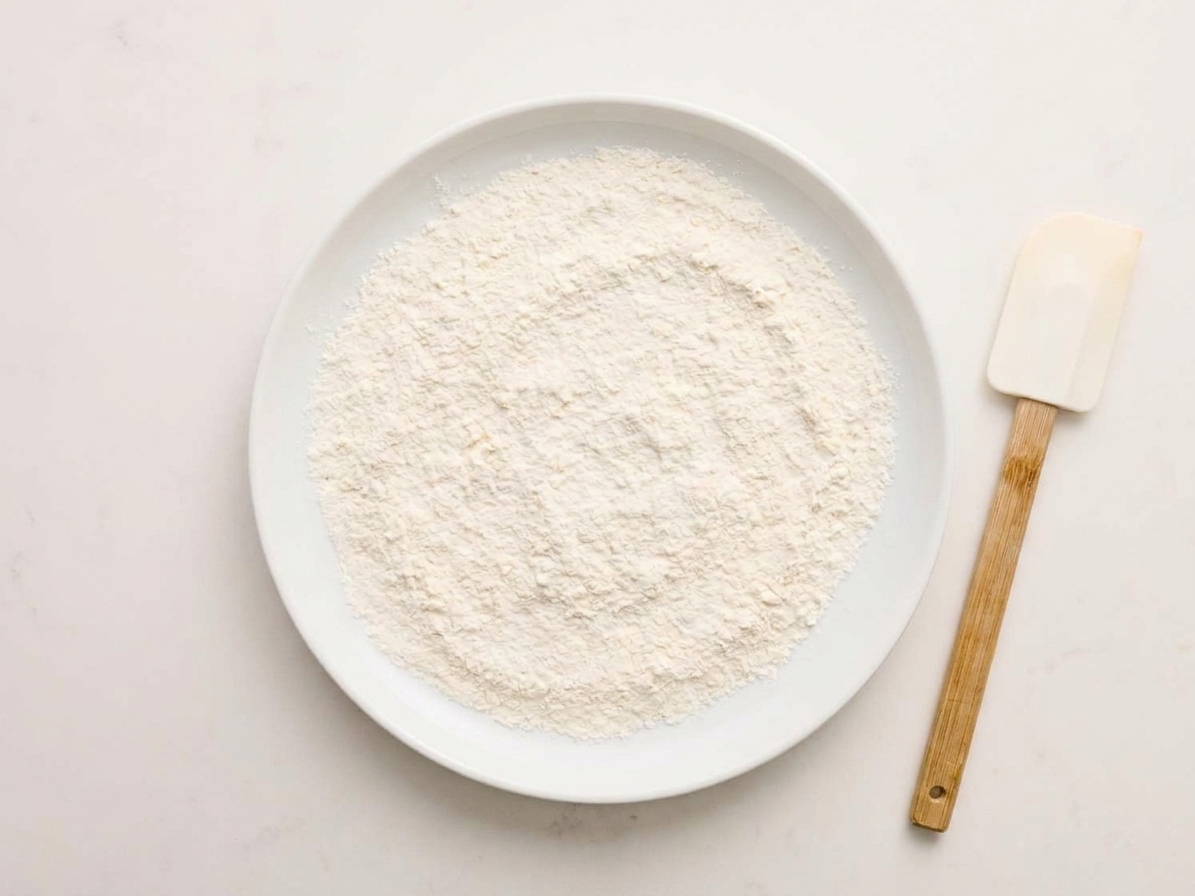
You have two easy options. In both cases, the goal is the same: get the flour to 165°F. Time can vary depending on your microwave, oven, and the pan you use, so a thermometer is your best friend here.
- Microwave: Spread flour on a microwave-safe plate and microwave in 30-second bursts, stirring each time, until it reaches 165°F. Because microwaves heat unevenly, check a couple of spots to be sure.
- Oven: Spread flour on a sheet pan and bake at 350°F, stirring once or twice, until it reaches 165°F. This usually takes about 5 to 10 minutes, but check the temperature rather than the clock.
Let it cool completely before mixing, or you will melt the butter and end up with a sad, oily situation.
Why is my cookie dough gritty?
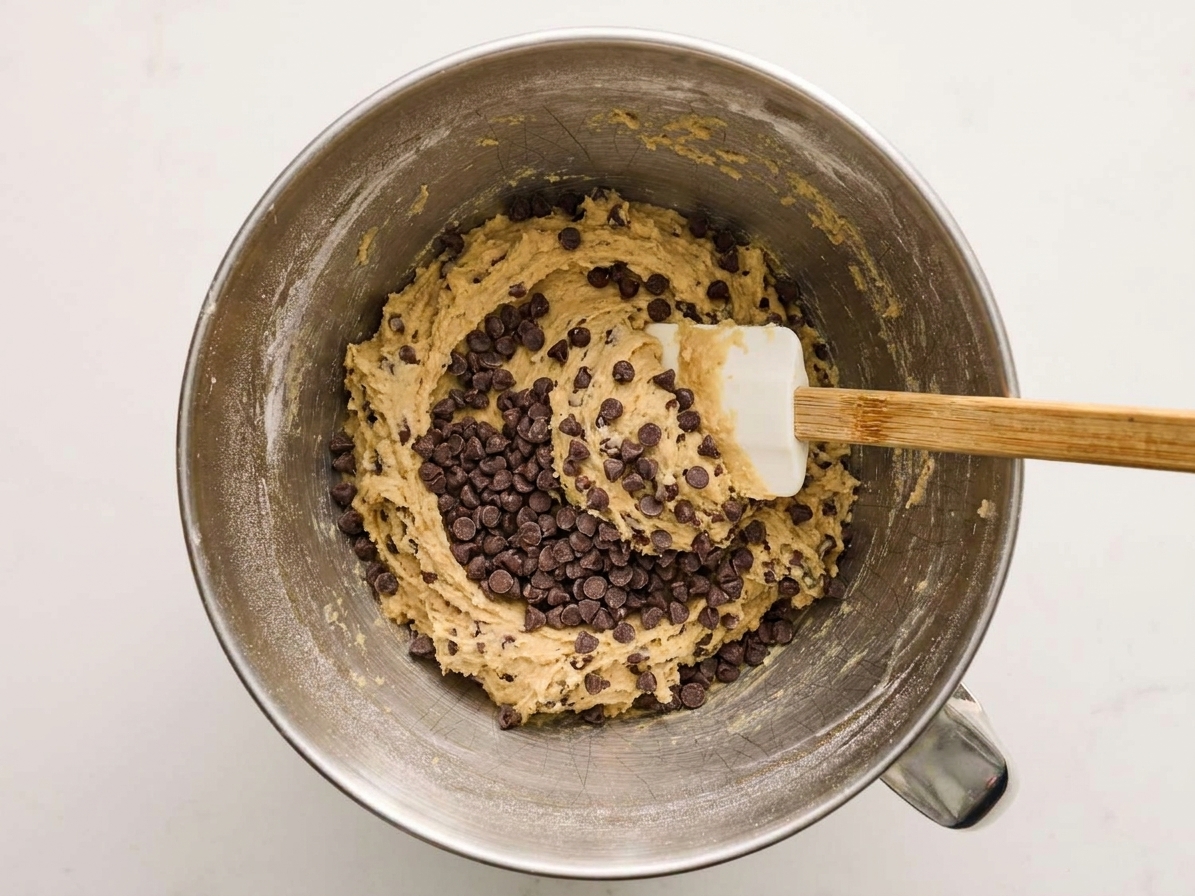
Usually the sugar did not dissolve enough. Cream the butter and sugars for a full 2 minutes. Also make sure your butter is softened, not cold. It should indent easily when you press it, but it should not look shiny or melted.
Can I heat-treat flour ahead of time?
Yes. Heat-treat it, cool it completely, then store it in an airtight container at room temperature for up to 1 day (or in the fridge if your kitchen runs warm). Make sure it is fully cool and dry before sealing it up.
Can I use almond flour or oat flour instead?
You can, but the taste and texture change. If using oat flour, it can taste a little toasty and the dough may be softer. If using almond flour, it becomes richer and slightly more paste-like. For the most classic cookie dough vibe, stick with all-purpose flour.
Can I bake this cookie dough?
This one is designed for eating, not baking. It lacks eggs and has a different moisture balance, so it tends to spread oddly.
If you want both, make a regular cookie dough and bake half. For the other half, the lower-risk route is to use heat-treated flour and an egg product labeled pasteurized and safe to consume without cooking (often sold as pasteurized liquid eggs or egg whites). It is still smart to follow standard food-safety habits when snacking.