What fruit works best for this sourdough?
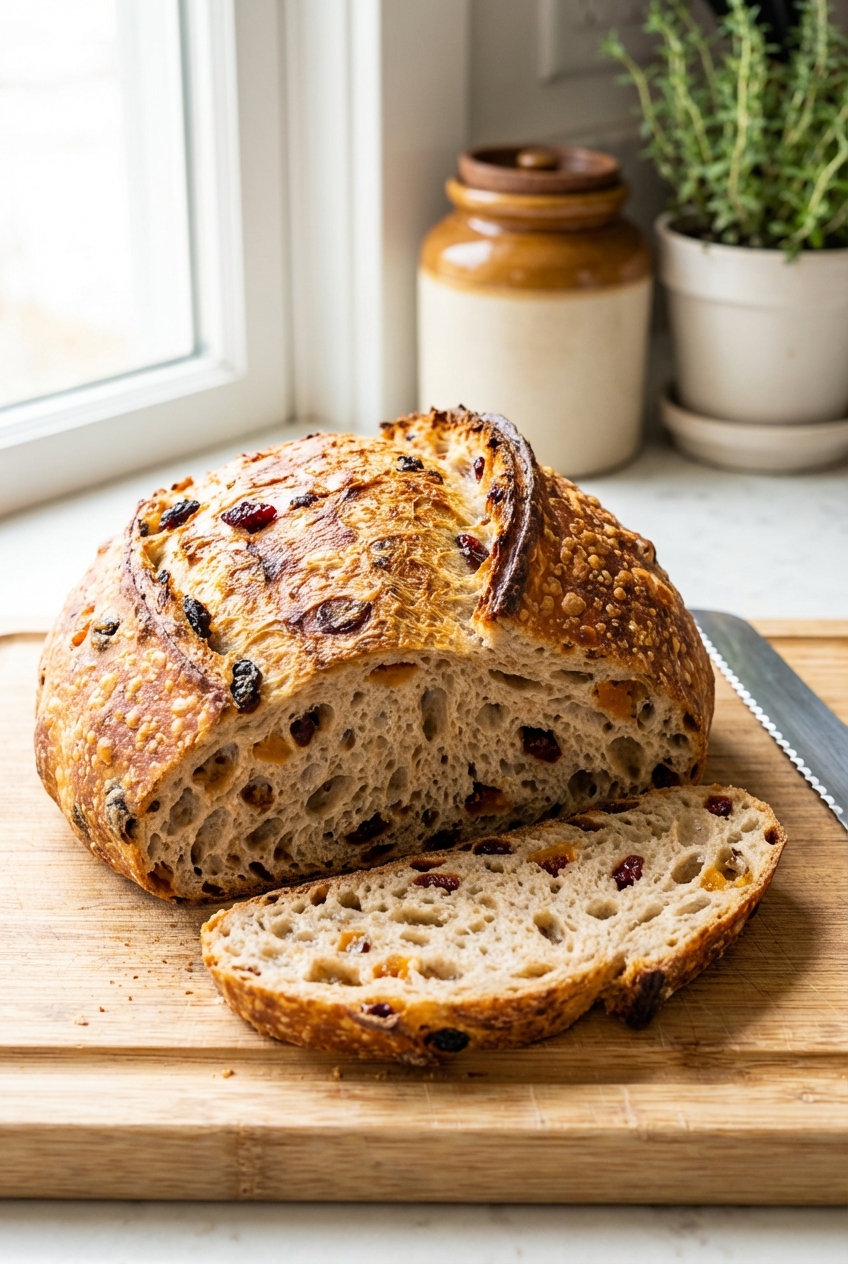
Dried apricots, golden raisins, and dried cranberries are all great. My favorite is dried apricots chopped small plus a handful of golden raisins. They taste bright, look pretty, and do not bully the dough.
Do I have to soak the dried fruit?
You do not have to, but you should. A quick soak keeps fruit from pulling moisture out of the dough. It also helps prevent tough, burnt bits on the crust. Just make sure you drain well and pat dry, because dripping fruit can create gummy pockets.
My dough is still sticky. Did I mess up?
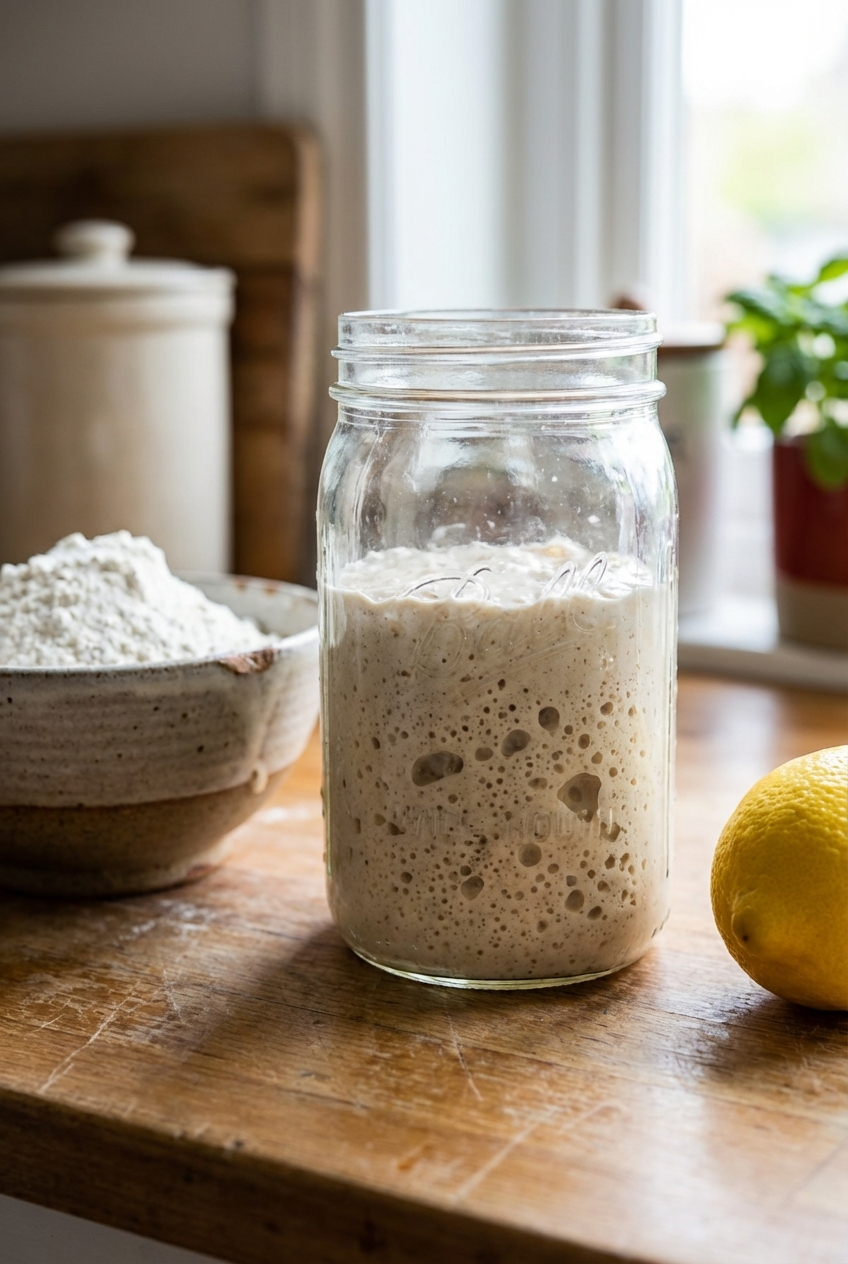
Probably not. This dough lands around the low 70s hydration (depending on your starter), so it can feel a little sticky at first. It should get smoother after the rest and a couple folds. If it is still soupy after a few folds, your flour may be lower-protein or your kitchen may be warm. Keep folding and give it time. Sticky is normal, wet is different.
How do I know bulk fermentation is done?
Look for dough that has risen about 50 to 75 percent, feels aerated, and jiggles a little when you shake the bowl. You should see bubbles along the sides and bottom. If it is flat and tight, it needs more time. If you want extra peace of mind, use an aliquot jar and track the rise.
Can I bake this without a Dutch oven?
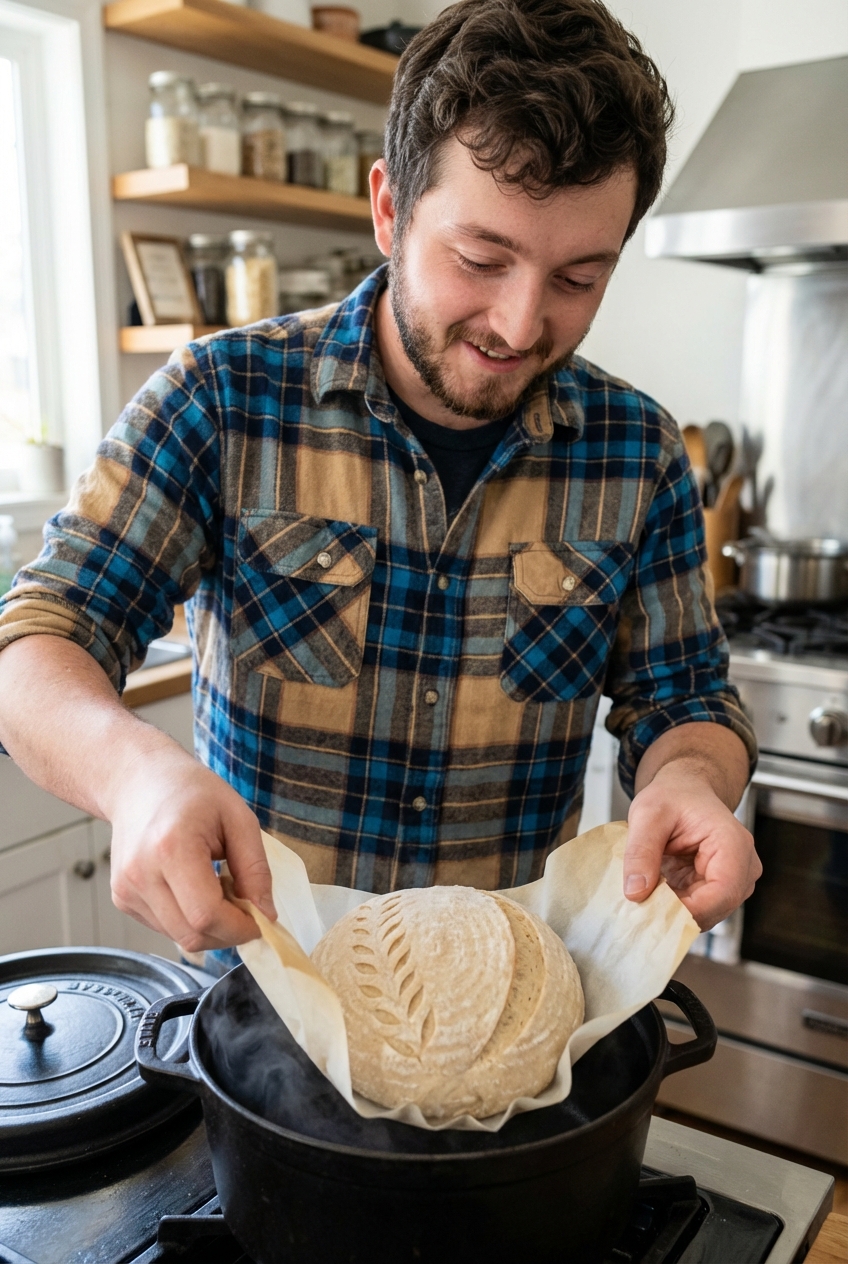
Yes. Use a preheated baking stone or sheet pan and add steam. Place a sturdy metal pan on the bottom rack while preheating, then carefully add hot water when the bread goes in. Be careful with steam and avoid glass pans (thermal shock is real). A safer option is a dedicated steam pan with lava rocks, or a handful of ice cubes in a metal tray.
Why add citrus zest?
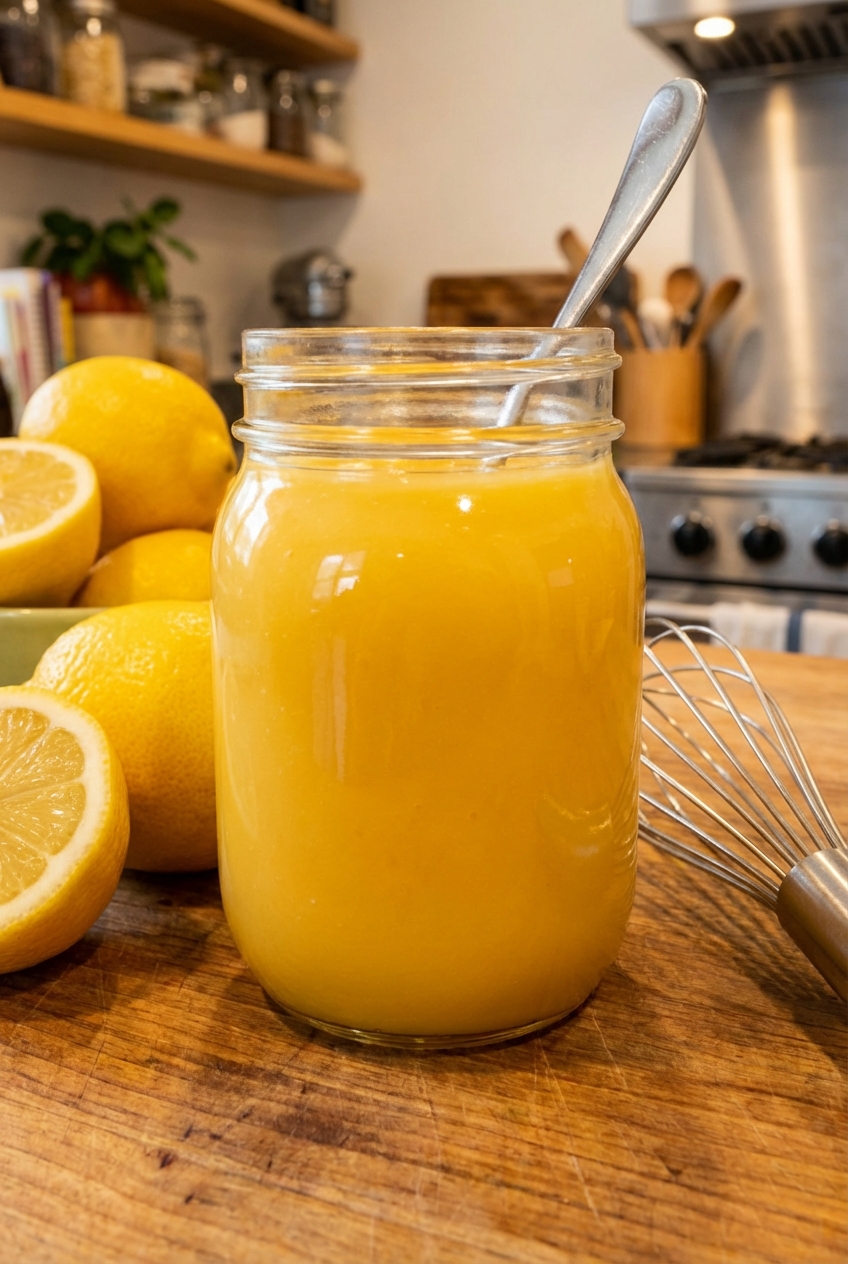
Zest adds aroma and brightness without extra liquid. It makes the loaf taste fresh and lively, especially with fruit.
Can I store this on the counter?
Yes, with a small caveat. Day 1 and 2 are great at room temp. If your kitchen is hot or humid, fruit breads can mold faster, so slice and freeze sooner if you are not going to finish it quickly.