Mom's Best Recipes
Recipe

Effortless Alfredo Sauce

A velvety, rich Alfredo sauce you can whip up in about 15 minutes with simple, easy-to-find ingredients. Smooth, cheesy, and weeknight-approved.

Author By Matt Campbell
4.9
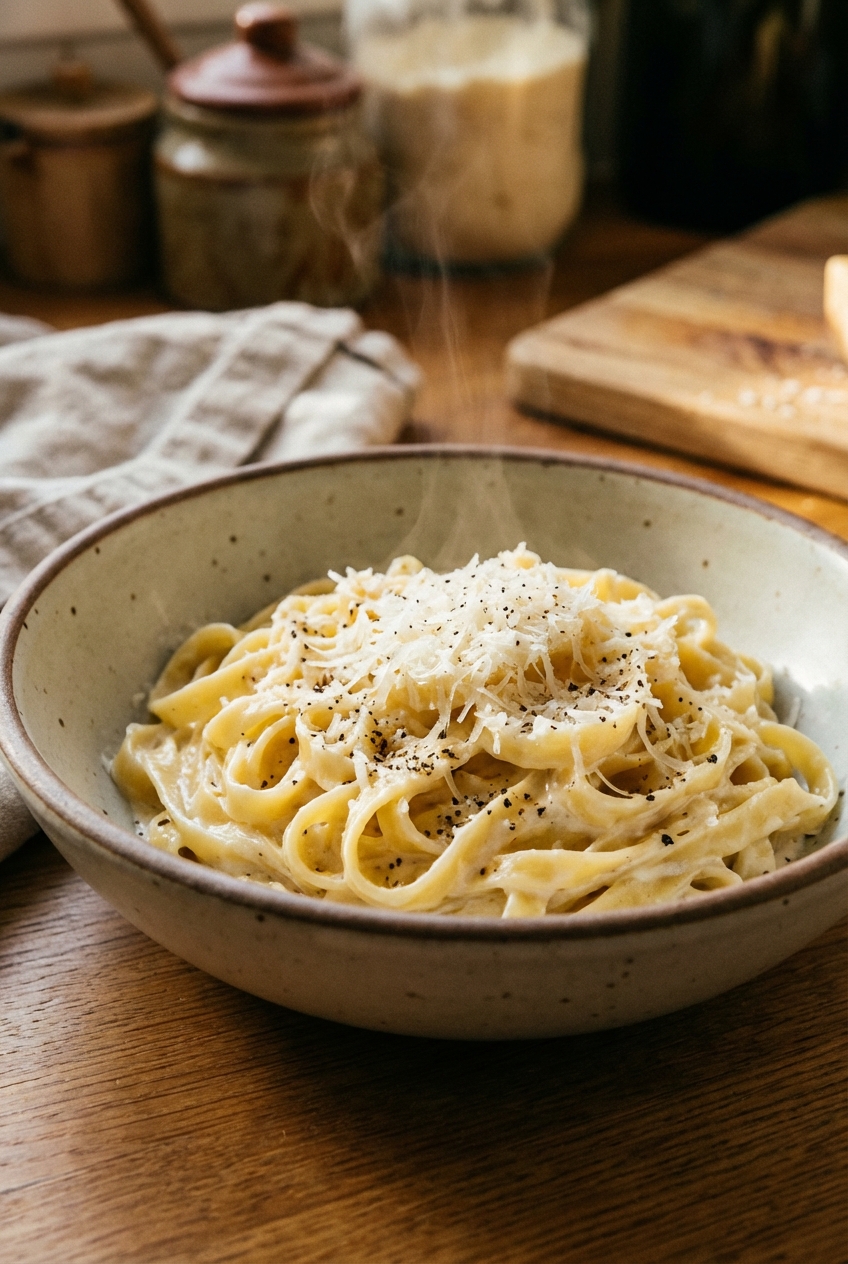
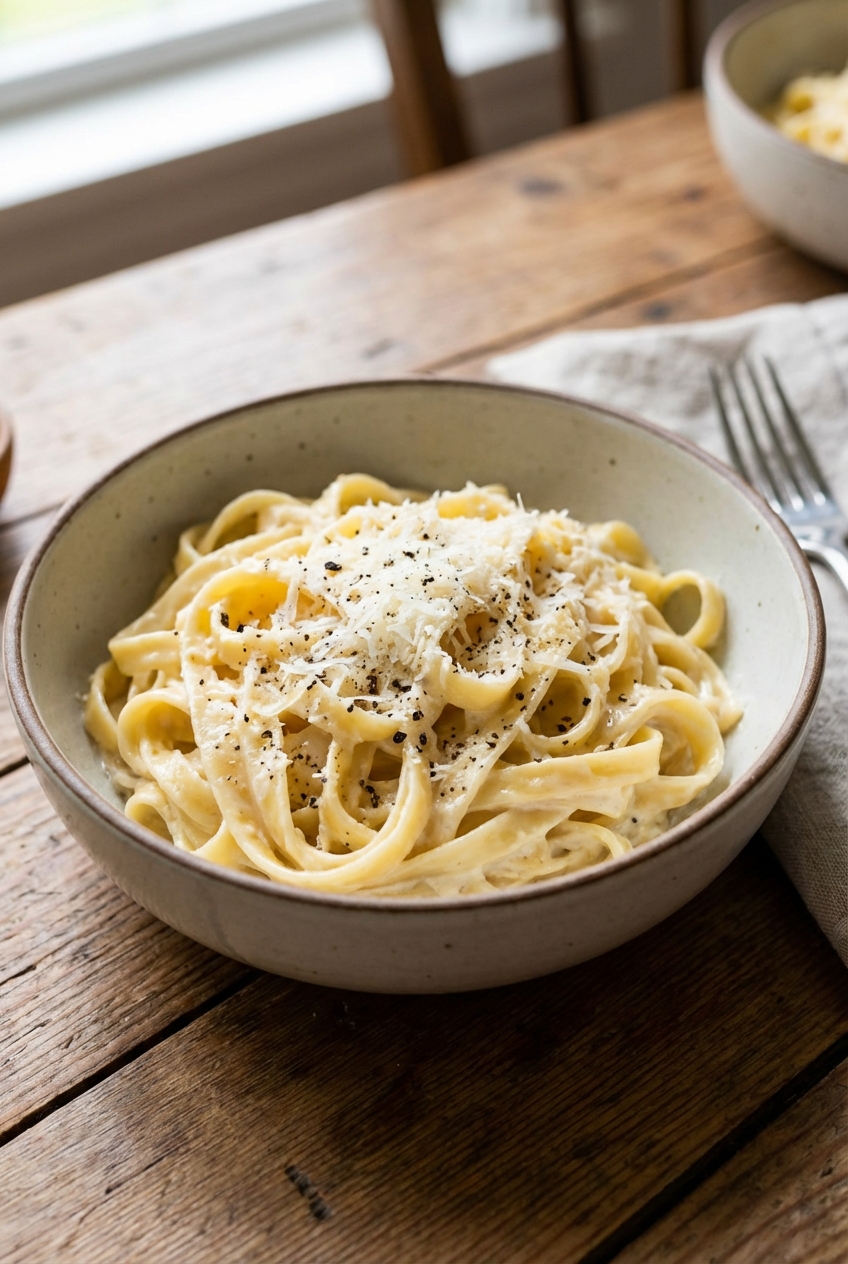
A stainless steel skillet on a stovetop filled with creamy Alfredo sauce, freshly grated Parmesan melting on top, with fettuccine and parsley nearby

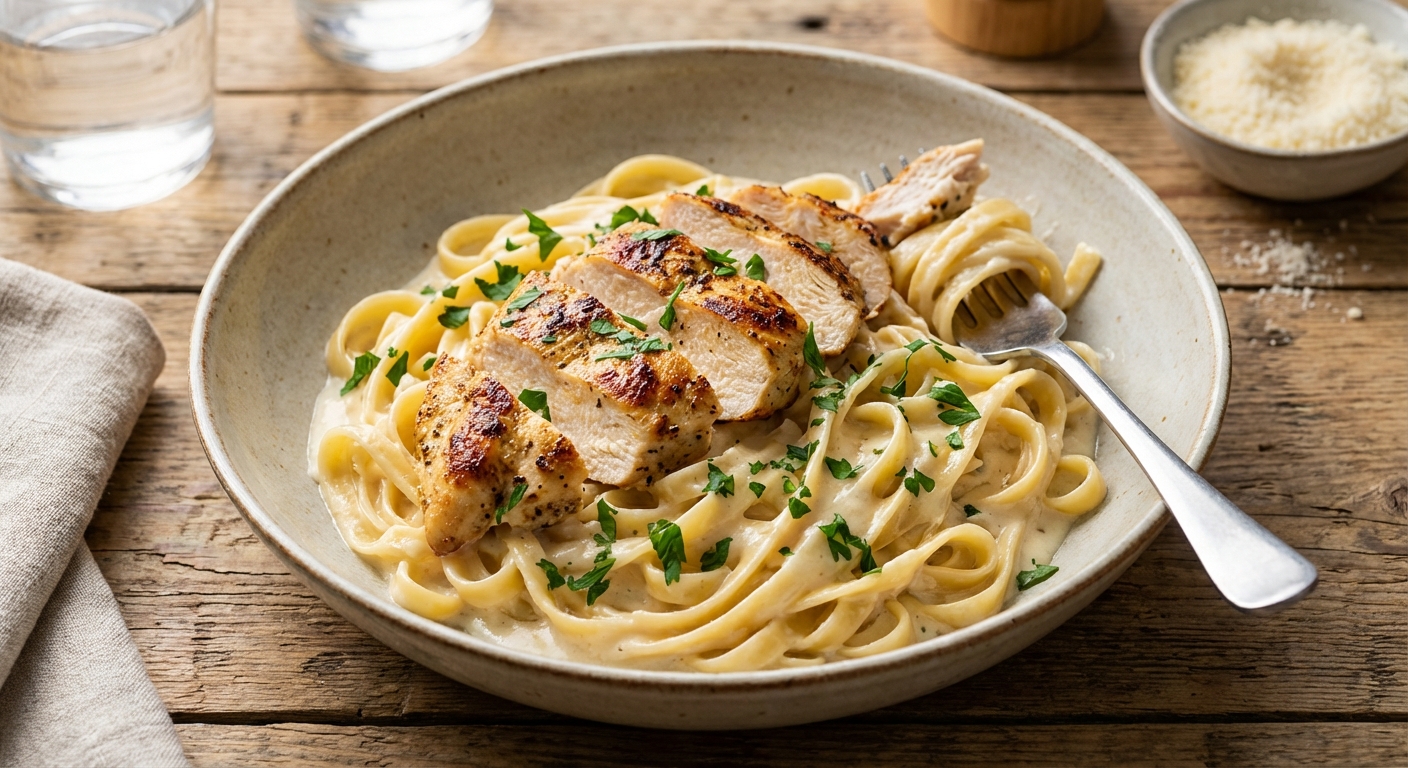
Alfredo sauce has a reputation for being fussy, like it only behaves for fancy restaurants and Italian grandmas who can sense a broken sauce from three rooms away. I am here to say: you can absolutely make a velvety, rich homemade Alfredo on a random Tuesday, in one pan, without breaking a sweat.

This version keeps the ingredient list tight and the technique even tighter. We build a quick butter and garlic base, warm the cream gently (no hard boiling, we are not trying to punish it), then melt in Parmesan until the whole thing turns into glossy, clingy comfort. It is the kind of sauce that makes you swirl pasta like you are in a movie, then “taste for salt” four separate times because you are a responsible adult.
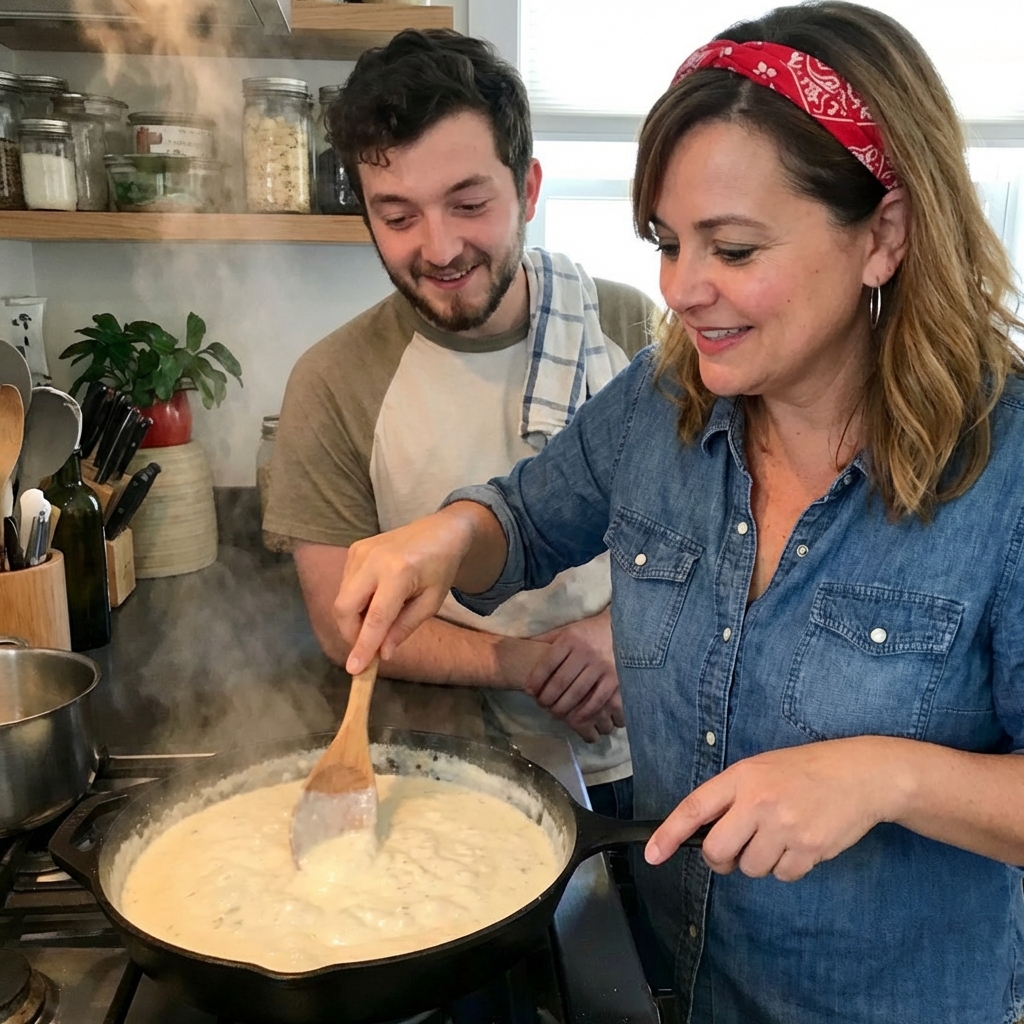
A wooden spoon stirring creamy Alfredo sauce in a skillet with steam rising softly

Why It Works

  • Silky texture without flour: Parmesan helps thicken and emulsify the sauce, so it stays rich and smooth when treated gently.
  • Fast flavor build: A quick garlic bloom in butter adds depth without turning this into a whole project.
  • Clings to pasta like it means it: A splash of starchy pasta water helps the sauce emulsify and coat every noodle.
  • Flexible and forgiving: Easy to adjust thickness, salt, and cheesiness depending on what is in your fridge.

Pairs Well With

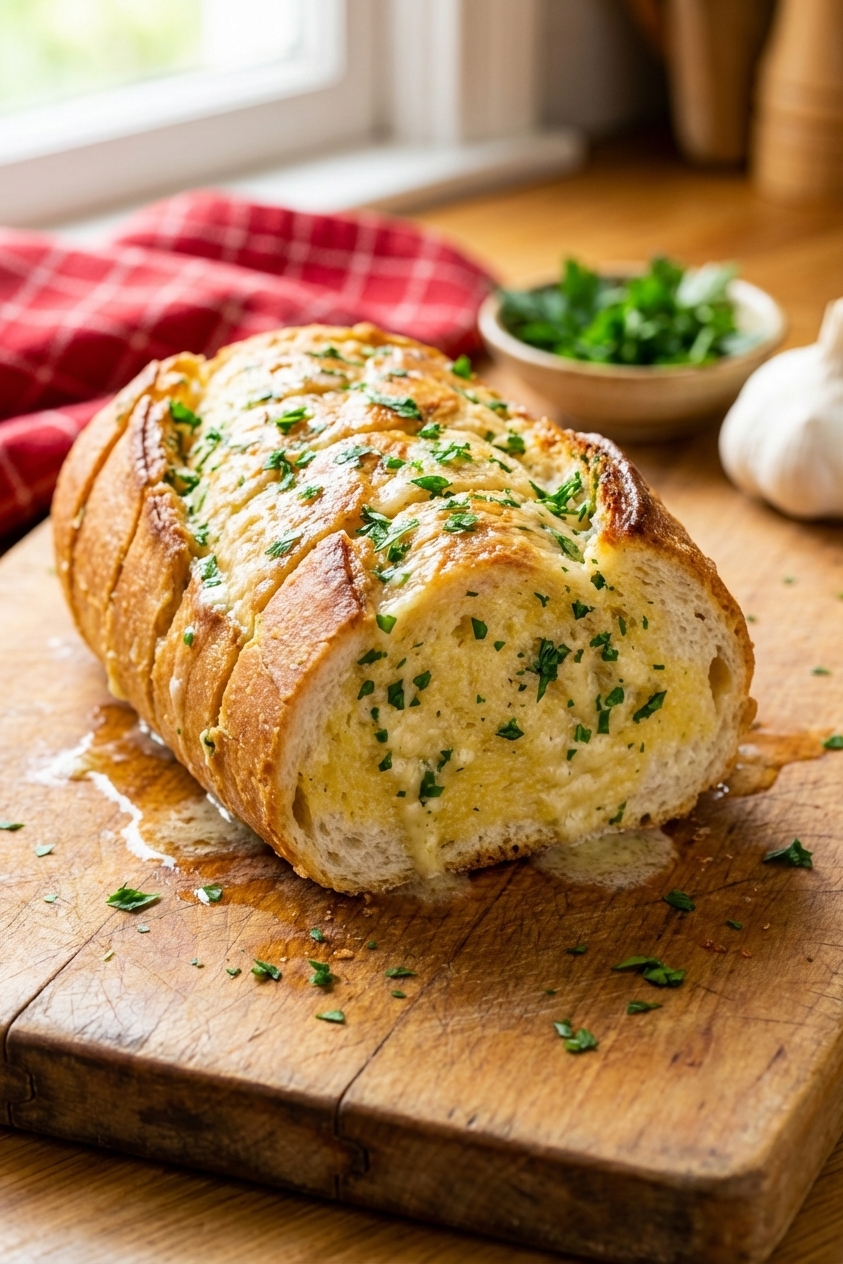
  • A plate of garlic bread with golden edges and parsley on top

    Toasty Garlic Bread

  • A simple green salad in a bowl with cucumbers and a light vinaigrette

    Crisp Green Salad

  • Roasted broccoli florets on a sheet pan with browned tips

    Sheet Pan Roasted Broccoli

  • A bowl of grilled chicken slices with pepper and herbs

    Herby Grilled Chicken

Storage Tips

Keep It Creamy

  • Refrigerate: Store in an airtight container for up to 3 to 4 days.
  • Reheat gently: Warm in a saucepan over low heat, stirring often. Add a splash of milk, cream, or water to loosen it as it heats.
  • Avoid high heat: Boiling can make the cheese turn grainy or separate.
  • Freezing: Cream sauces can separate after freezing, so I do not recommend it. If you do freeze it anyway, thaw overnight in the fridge and reheat very slowly with extra cream while whisking.

Common Questions

Common Questions

Why did my Alfredo sauce turn grainy?

Usually it is one of three things: the heat was too high, the Parmesan was pre-grated (often coated with anti-caking agents), or the cheese was added too fast. Keep the sauce at a gentle simmer, use freshly grated Parmesan, and whisk it in gradually.

Can I use milk instead of heavy cream?

You can, but it will be thinner and easier to break. If you want a lighter option, try half-and-half and keep the heat low. You can also thicken slightly with more Parmesan, or a small knob of butter at the end for gloss.

Is Alfredo sauce supposed to be super thick?

It should be creamy and coating, not gluey. Remember it thickens as it cools, and it thickens more once it hits pasta. Use pasta water to dial in that silky consistency.

How do I fix Alfredo that is too thick?

Whisk in a tablespoon or two of warm pasta water, milk, or cream until it loosens up. Add liquid slowly so you do not overshoot.

How do I fix Alfredo that is too thin?

Simmer for 1 to 3 minutes to reduce, then add a bit more Parmesan. Keep the heat low and stir constantly.

What Parmesan is best?

A wedge of Parmigiano Reggiano is ideal, but any good quality Parmesan you grate yourself works well. Avoid shelf-stable “shaker” Parmesan for this one if you can.

How much pasta does this sauce cover?

It is a great match for about 12 ounces of pasta (give or take, depending on how saucy you like it). Reserve at least 1 cup of pasta water before draining so you can fine-tune the texture.

Can I use Pecorino Romano?

Yes, but it is saltier and sharper. If you swap it in (or use a blend), start with less added salt and adjust at the end.

I started making Alfredo at home for the same reason most people do: I wanted that restaurant comfort without restaurant prices. The first few tries were, let us call them “learning experiences.” I cranked the heat, dumped in cheese like it was confetti, and ended up with something that looked creamy until it did not.

Then I realized Alfredo is not hard, it is just gentle. Low heat, slow cheese, and a splash of pasta water to pull it all together. Now it is my go-to sauce when I want dinner to feel a little luxurious without turning the kitchen into a disaster zone.