Can I make these rolls ahead?
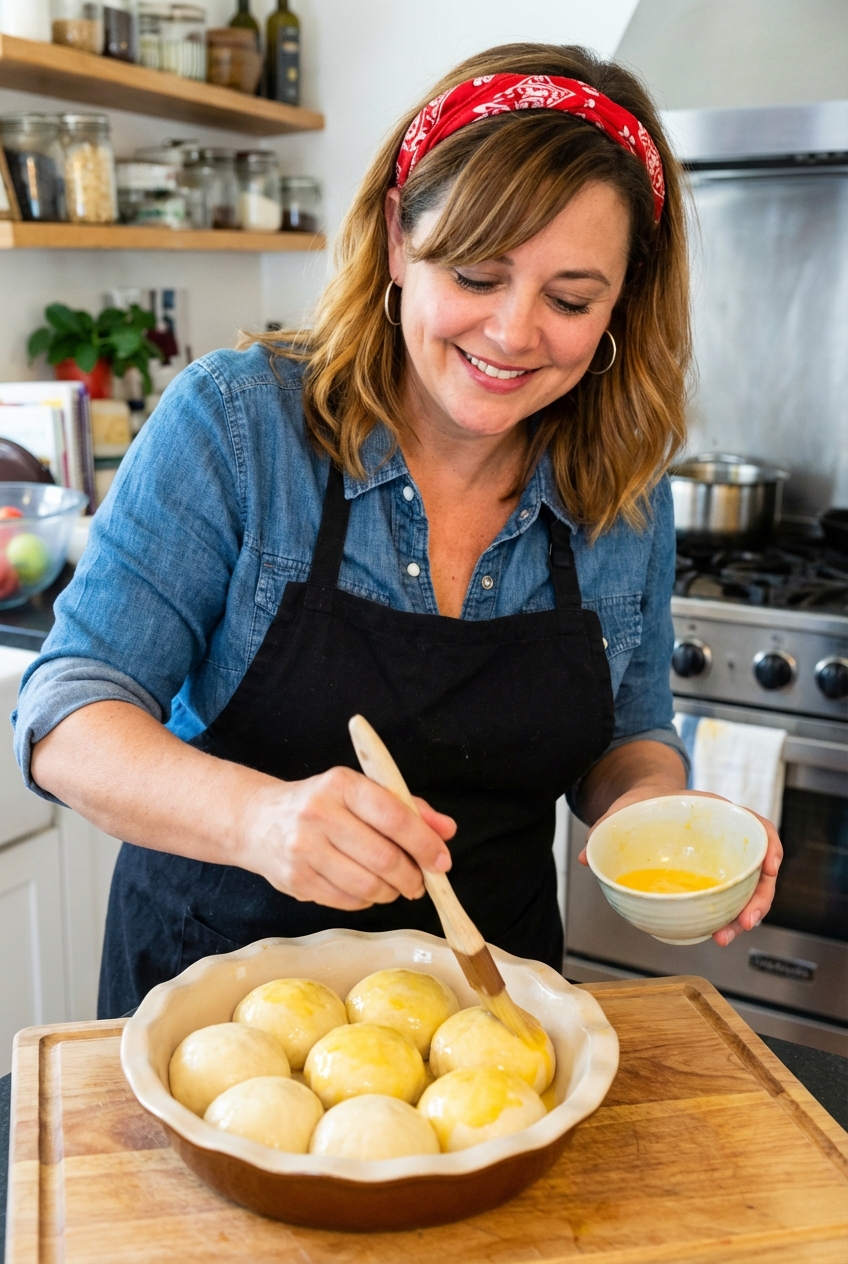
Yes, and it is my favorite move. After shaping, place rolls in the baking dish, cover tightly, and refrigerate 8 to 16 hours. The next day, let them sit at room temp until noticeably puffy (usually 45 to 90 minutes, but up to 2 hours if your kitchen is cool). Then egg wash and bake.
Do I need a stand mixer?
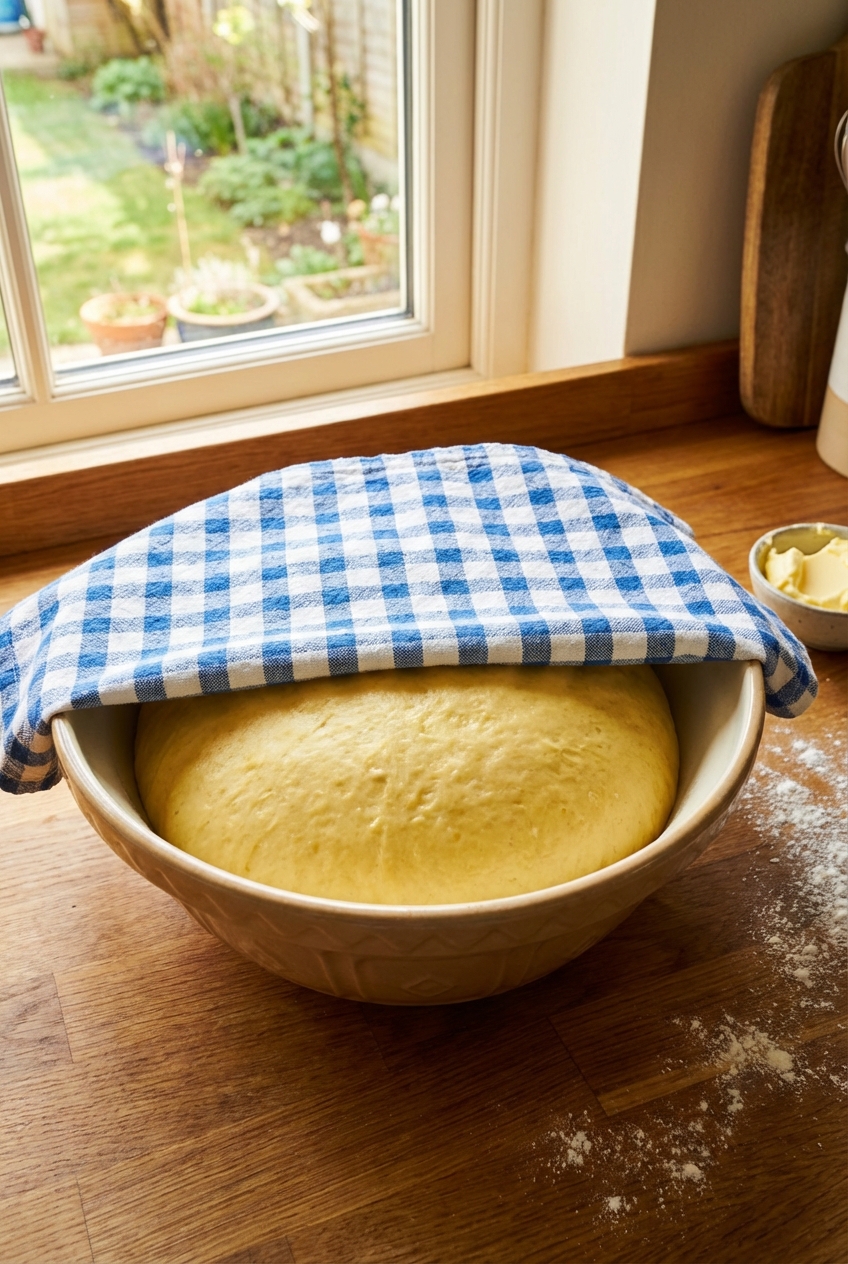
Nope. A bowl, a spoon, and your hands are enough. Kneading by hand takes about 8 to 10 minutes. You are looking for a smooth dough that feels soft and slightly tacky, not gluey. It should stretch a bit when you pull it, and pass a quick “windowpane-ish” test (a small piece stretches thin without tearing right away).
My yeast did not foam. Is it dead?
Not always. Active dry yeast can foam subtly, so look for a light creamy layer, a yeasty smell, and a few bubbles. If the milk was too hot, it can harm or kill yeast. Aim for 105°F to 110°F. If nothing changes after 10 minutes and it smells flat, start over with fresh yeast.
Can I use instant yeast instead of active dry?
Yes. Use the same amount. Skip the proofing step and mix instant yeast right into the flour. Warm milk still helps the dough rise faster.
Why are my rolls dense?
Most common causes are under-kneading, under-proofing, or adding too much flour. The dough should be soft. If it feels stiff, it will bake up tight. Next time, hold back a few tablespoons of flour and add only if truly needed. Also make sure your rolls are puffy before baking. When gently poked, the dough should spring back slowly and leave a slight dent.
Can I make them more savory?
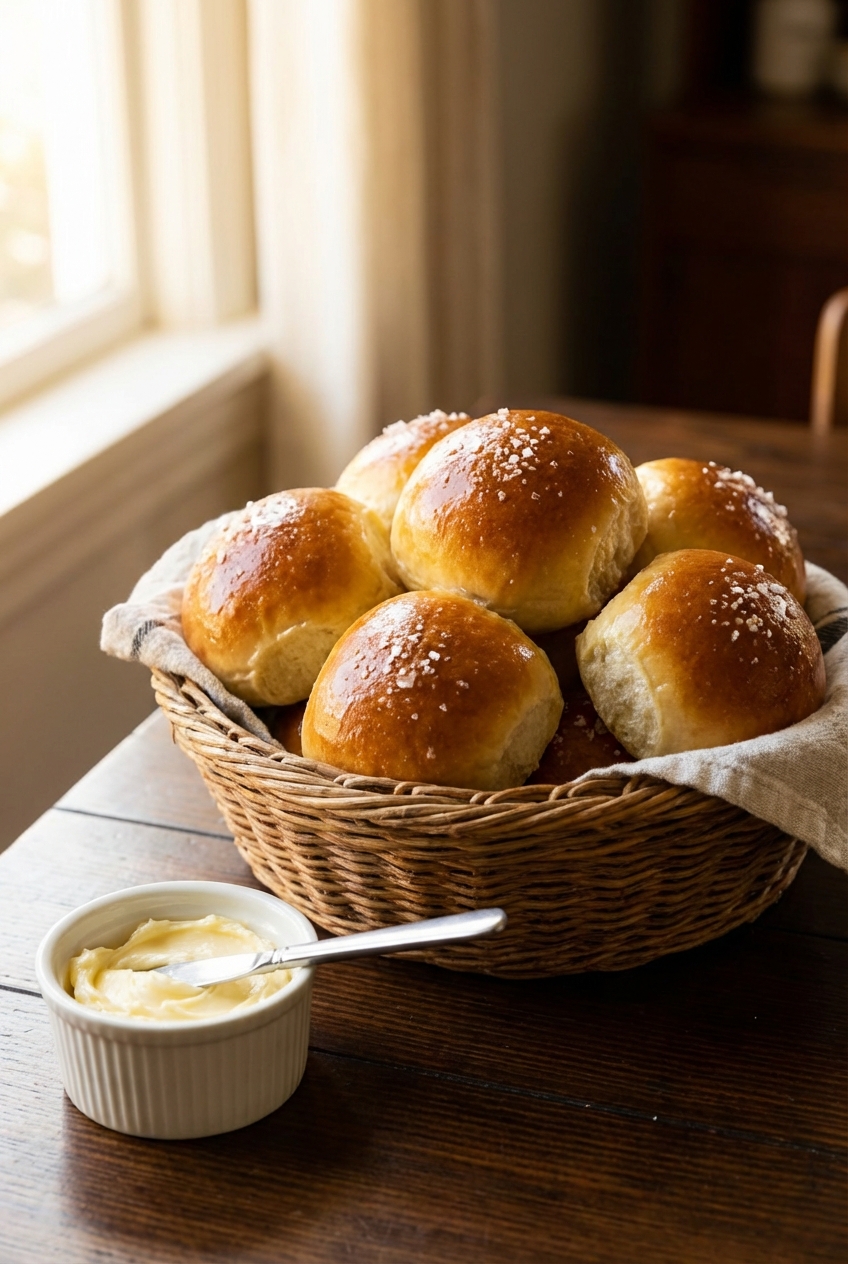
Absolutely. Add 2 tablespoons grated Parmesan to the dough, or brush the baked rolls with garlic butter and a pinch of flaky salt.