Mom's Best Recipes
Recipe

Enchilada Red Sauce

A smooth, bold red enchilada sauce with real chile flavor, balanced heat, and the kind of savory depth that makes a pan of enchiladas disappear fast.

Author By Matt Campbell
4.8
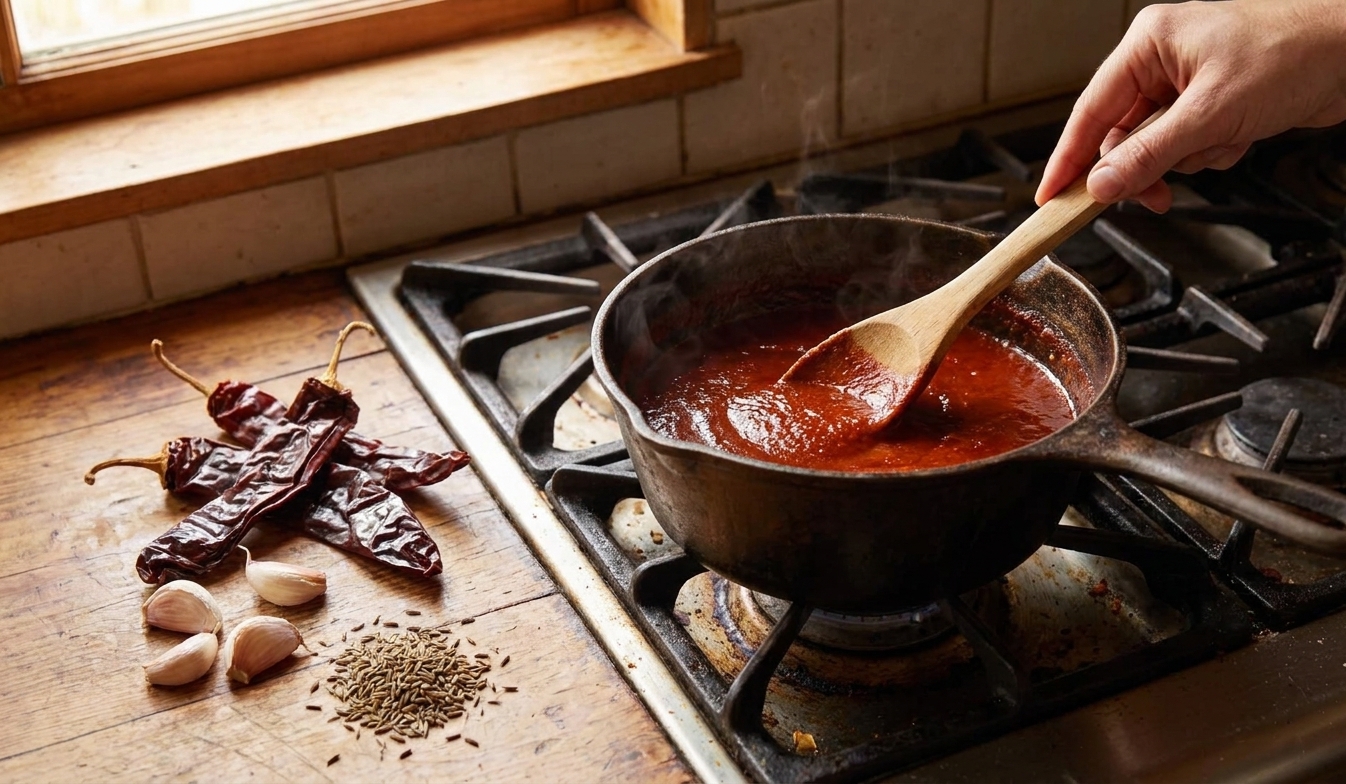
A saucepan of deep red enchilada sauce being stirred with a wooden spoon on a stovetop, with a few dried chiles and garlic nearby

If your enchiladas have ever tasted a little flat, I’m betting the sauce was the culprit. The fix is not complicated. It just needs real chile flavor, a little fat to carry it, and a quick simmer that turns everything into one cozy, brick-red situation.

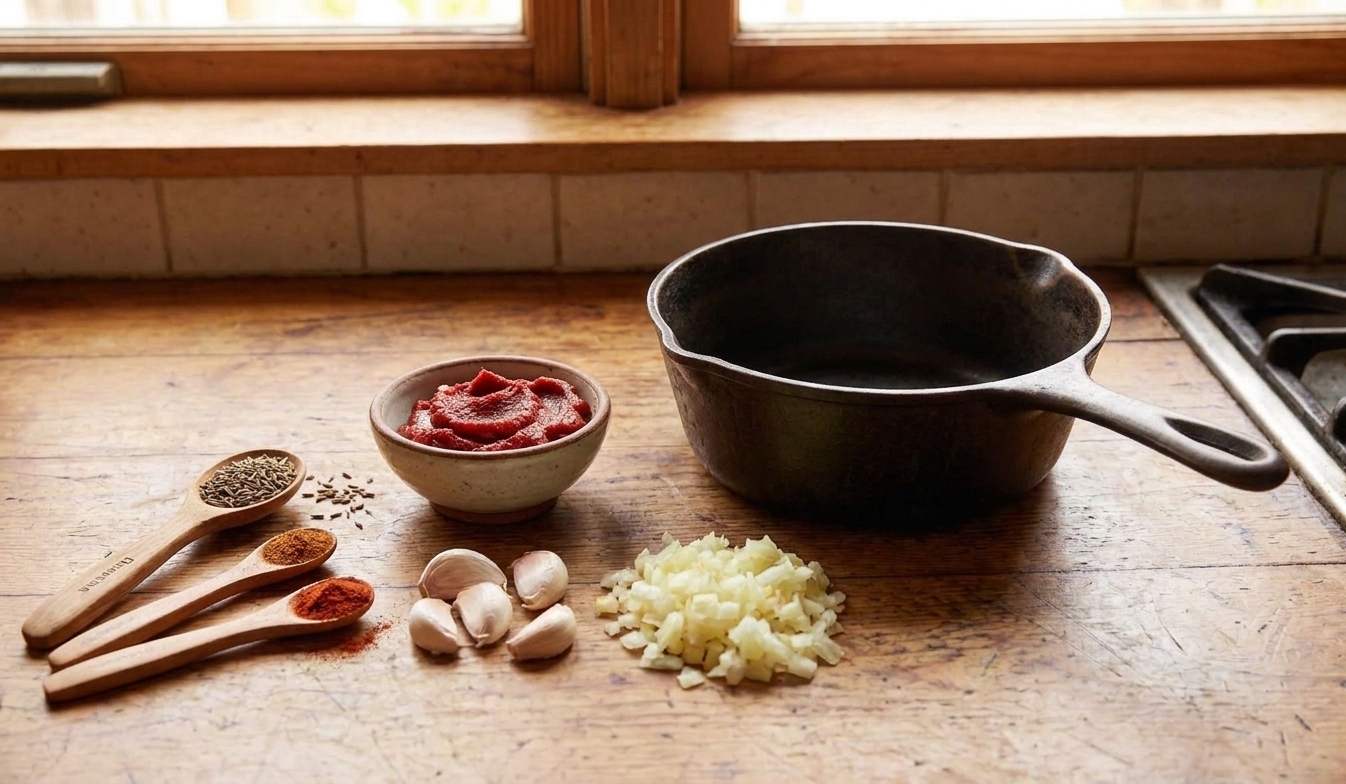
This enchilada red sauce is made with dried chiles (so the flavor is big, not just spicy), plus garlic, onion, cumin, and a small spoonful of tomato paste for body. It is smooth, glossy, and tastes like you actually tried, even if you made it on a weeknight with one eye on the oven timer.

Make a batch, stash some in the freezer, and you’ve basically given Future You a gift certificate to better dinners.

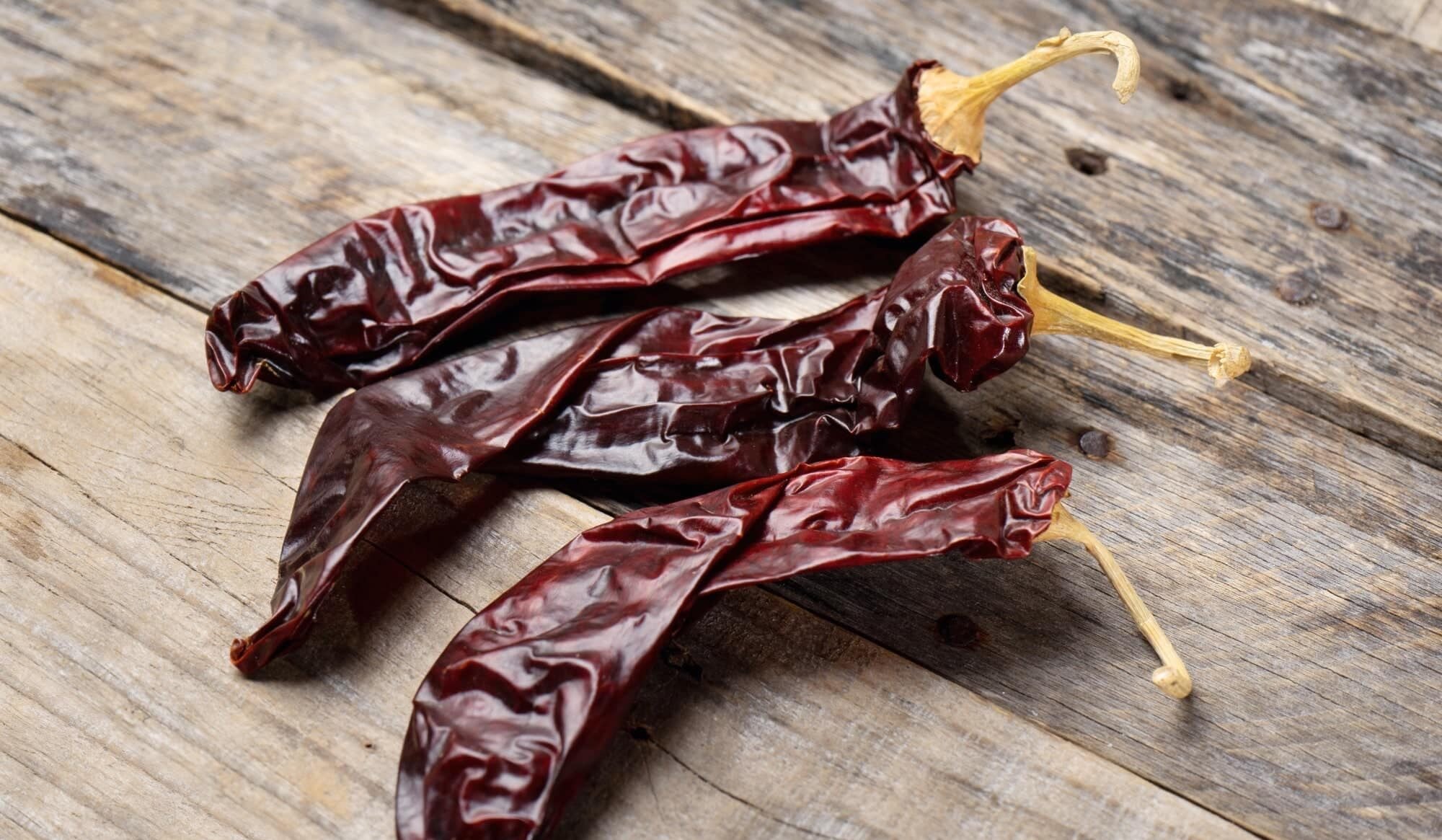
Dried guajillo and ancho chiles on a wooden cutting board on a kitchen counter

Why It Works

  • Dried chiles bring depth: Guajillo for bright red fruitiness, ancho for smoky sweetness, and optional arbol for a clean heat boost.
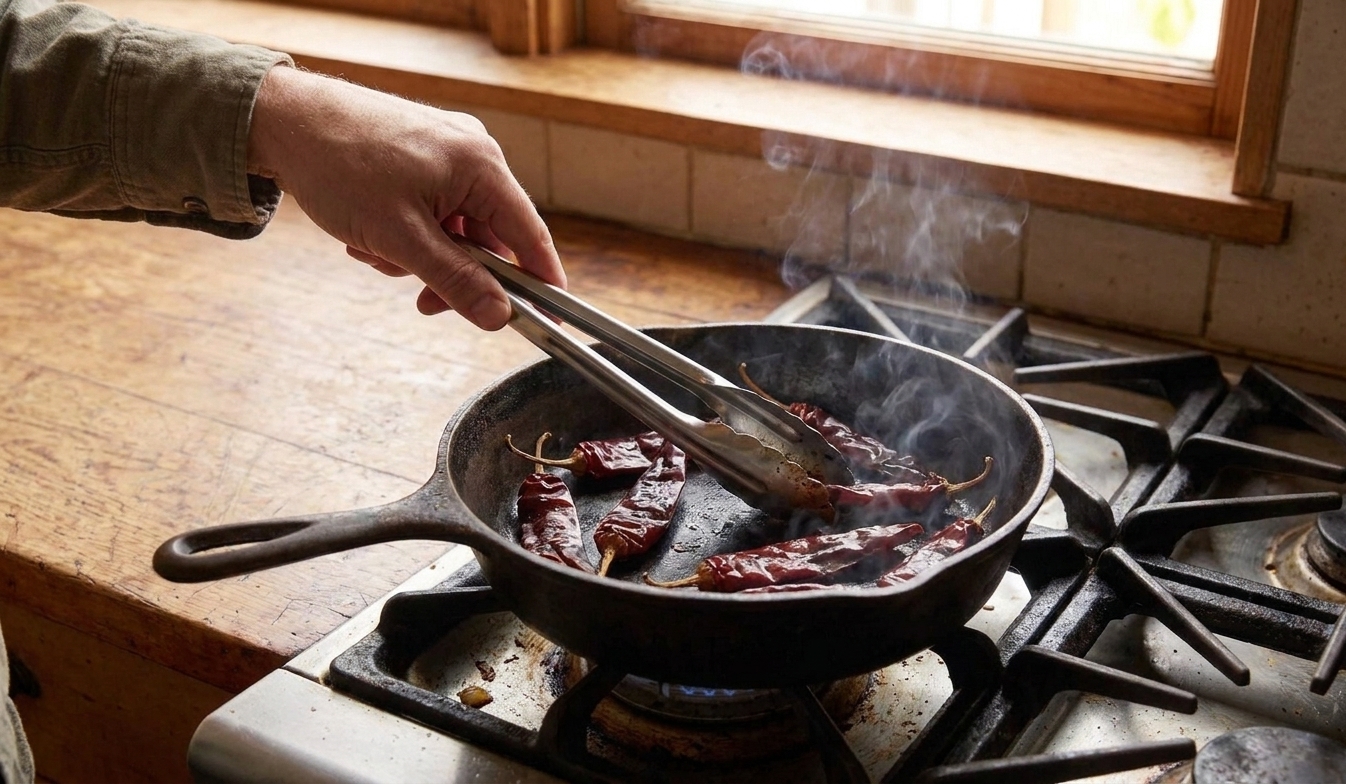
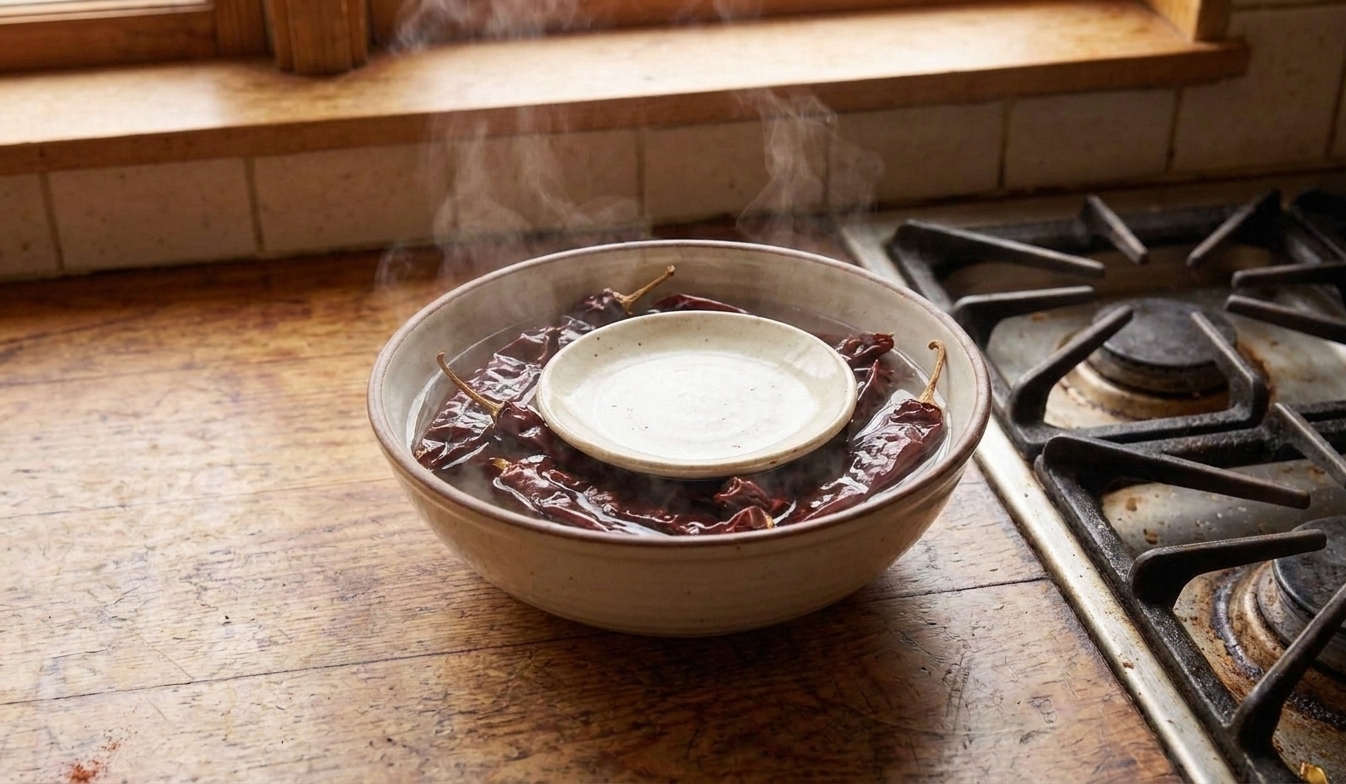
  • Quick toast plus soak: Toasting wakes up the oils, soaking softens the skins so the sauce blends silky.
  • Fat plus simmer: A little oil and a short simmer round out any sharp edges and makes the sauce taste finished, not raw.
  • Blended smooth, strained if you want: You can go rustic, but straining gives you that restaurant-style, nap-the-back-of-a-spoon texture.

Pairs Well With

Storage Tips

How to Store It

  • Fridge: Cool completely, then store in an airtight container for up to 5 days. The flavor gets even better by day 2.
  • Freezer: Freeze in 1 to 2 cup portions for up to 3 months. Leave a little headspace because it expands.
  • Reheat: Warm gently in a saucepan over low heat, stirring often. If it thickens, loosen with a splash of broth or water.
  • Make-ahead tip: If you are using it for enchiladas, make the sauce a day early. Less stress, more flavor.

Common Questions

Common Questions

Is enchilada red sauce spicy?

It depends on the chiles. With just guajillo and ancho, it is usually mild to medium with lots of flavor. If you add arbol, the heat jumps fast. As a rough guide: 0 arbol = mild, 1 = medium, 2 = hot, but arbol can vary, so start low and build.

Can I use chili powder instead of dried chiles?

Yes. You will lose some complexity, but it still works on a busy night. Start with 3 tablespoons chili powder (blends vary a lot in salt and heat), then add more to taste. Skip the toast and soak steps. Cook the onion and garlic, stir in the tomato paste and spices, then add the chili powder and broth and simmer 10 to 15 minutes. If it needs more body, simmer a little longer, or whisk in a tiny slurry of 1 teaspoon flour + 1 tablespoon water and simmer 2 minutes.

Why is my sauce bitter?

Most commonly: the chiles were over-toasted. They should smell fragrant, not burnt. Bitterness can also come from too many seeds or very hot chiles. A small pinch of sugar can help, but preventing burnt chiles is the real win.

Do I have to strain it?

No, but straining removes tough bits of skin and gives you a smoother sauce that coats tortillas better. If you have a high-powered blender, you can often skip it. If your blender is more “I’m trying my best,” strain it. You can strain right after blending or after simmering. I usually strain after simmering because it is thicker and easier to press through.

How much sauce do I need for enchiladas?

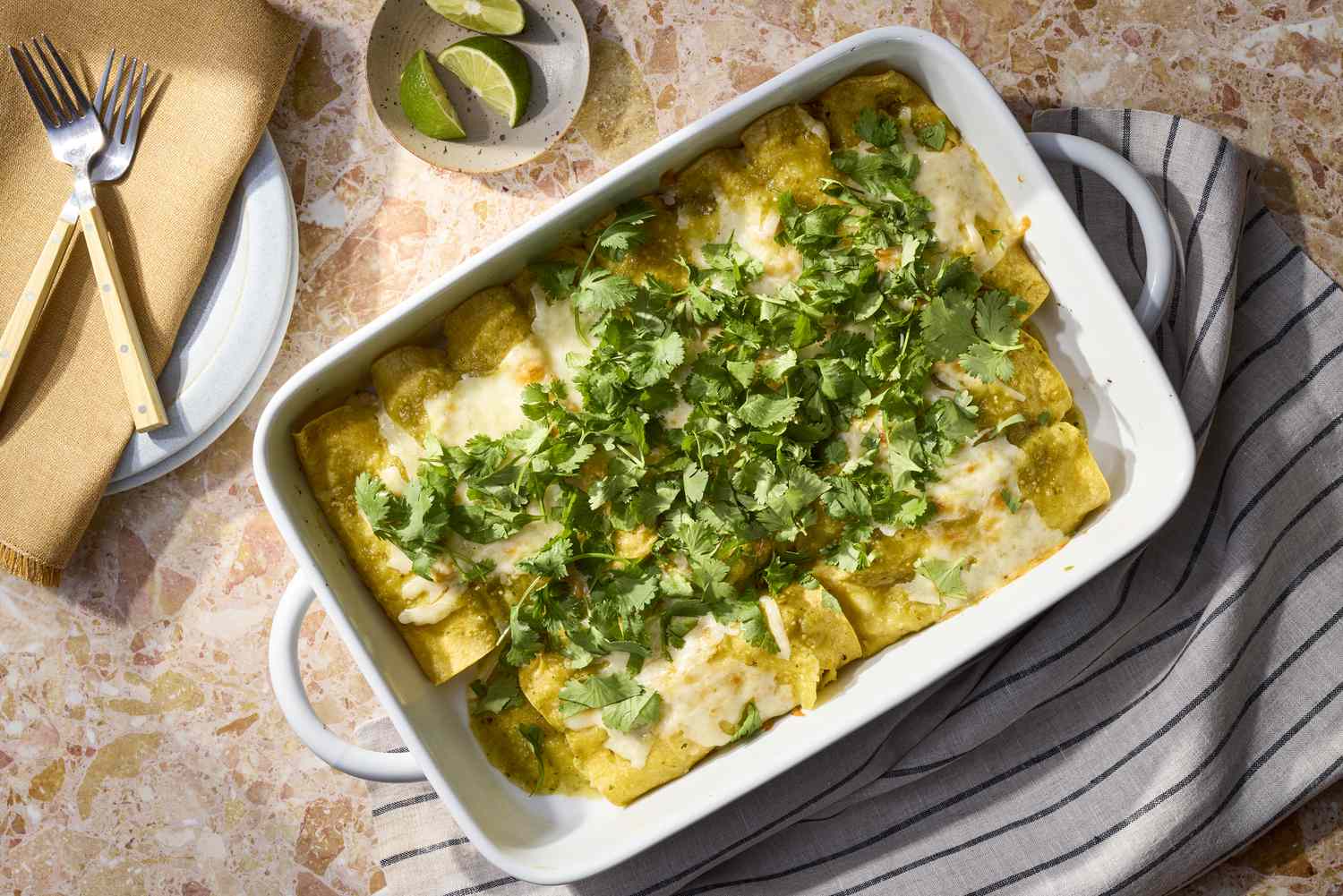
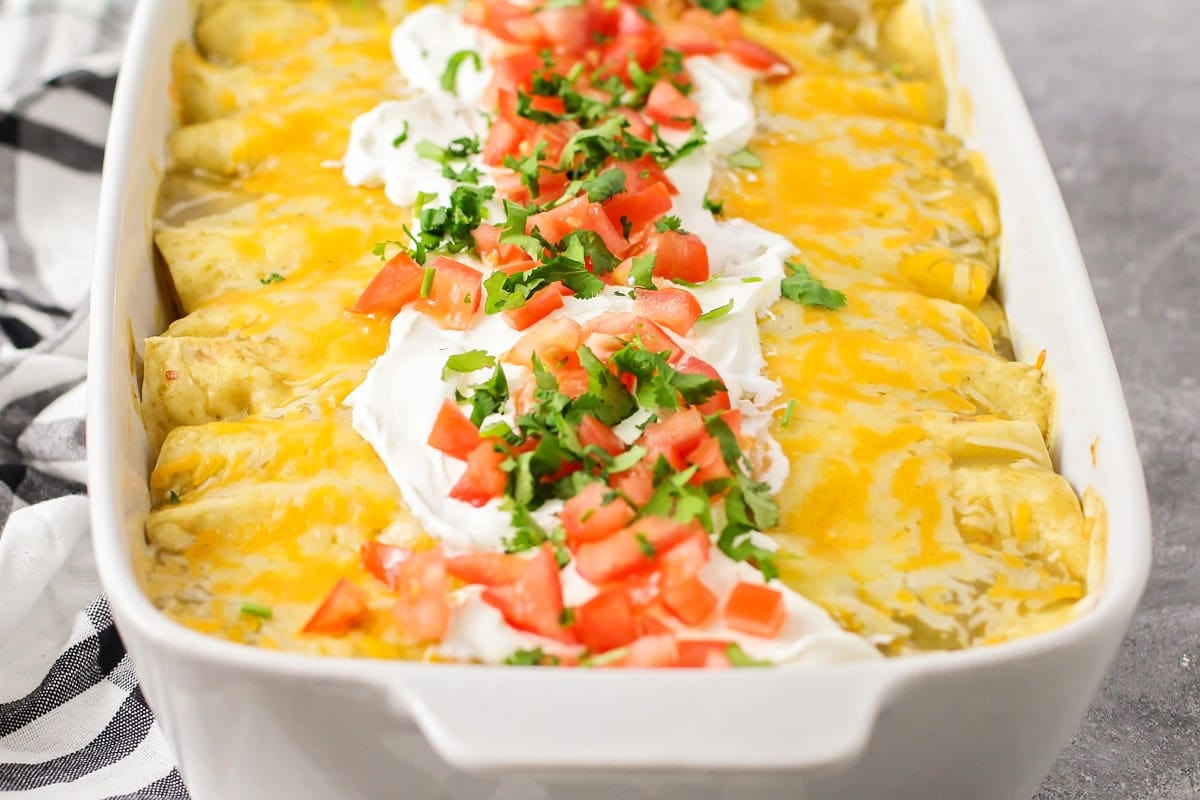
For a standard 9x13-inch pan (about 10 to 12 enchiladas), plan on 3 to 4 cups total: some to dip tortillas, some in the dish, and a generous layer on top.

Can I make it vegetarian or vegan?

Vegetarian, yes, as long as you use vegetable broth. Vegan too, if you use vegetable broth and skip the honey. Use sugar instead if you want that little bit of balance.

Can I blend hot liquid safely?

Use very hot soaking water, but it does not need to be boiling. If it is steaming aggressively, let it cool 5 minutes before blending. When blending warm liquids, vent the lid and start on low to avoid pressure.

I used to think enchilada sauce was either a can situation or a weekend project. Then I started treating it like a quick pantry sauce, the same way you would throw together marinara. A bag of dried chiles lives in my cabinet now, and this red sauce is the reason. It’s the kind of kitchen move that makes you feel like you have your life together, even if you are assembling dinner in sweatpants with tortillas that are slightly stale. Dip, roll, pour, bake. Suddenly it tastes like a place you would absolutely order seconds.