Mom's Best Recipes
Recipe

Extra Dirty Martini

Cold, briny, and unapologetically savory with olives and a silky finish.

Author By Matt Campbell
4.8
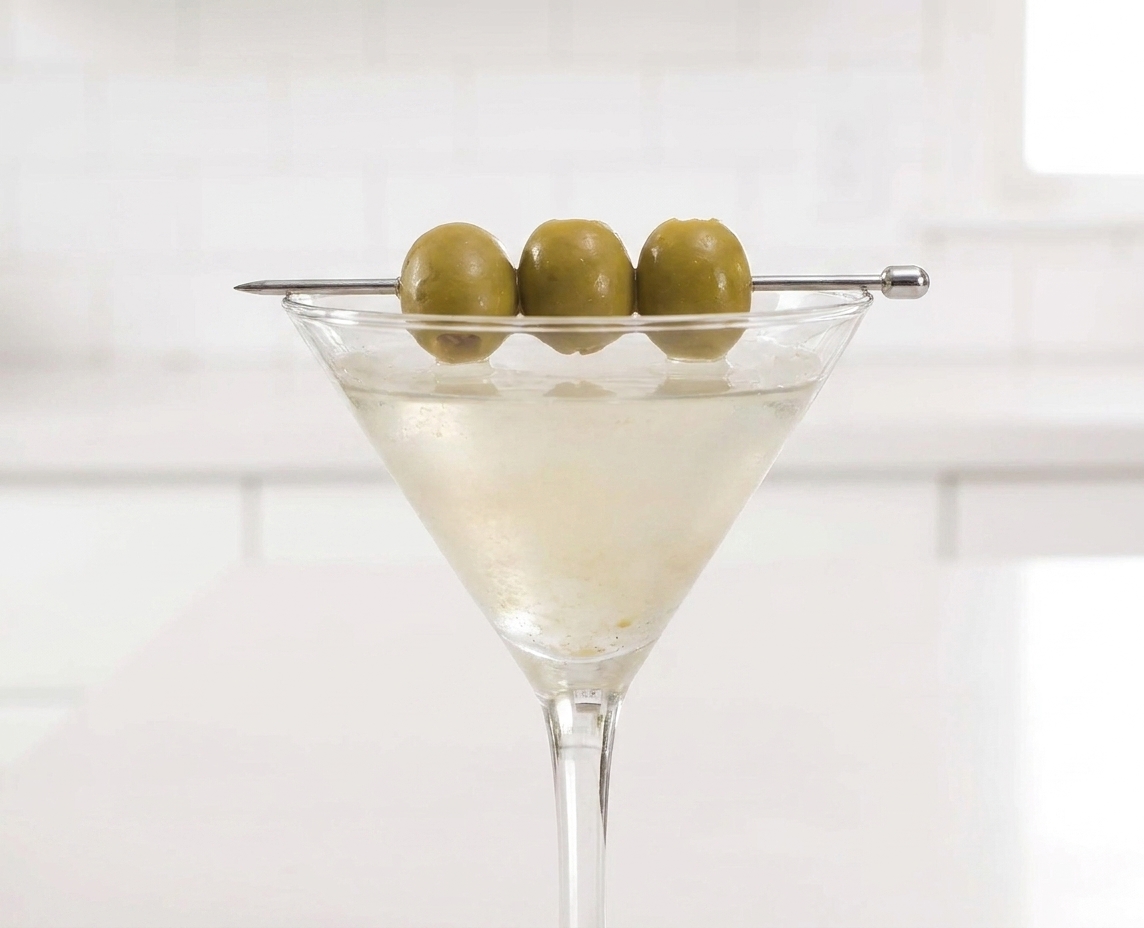
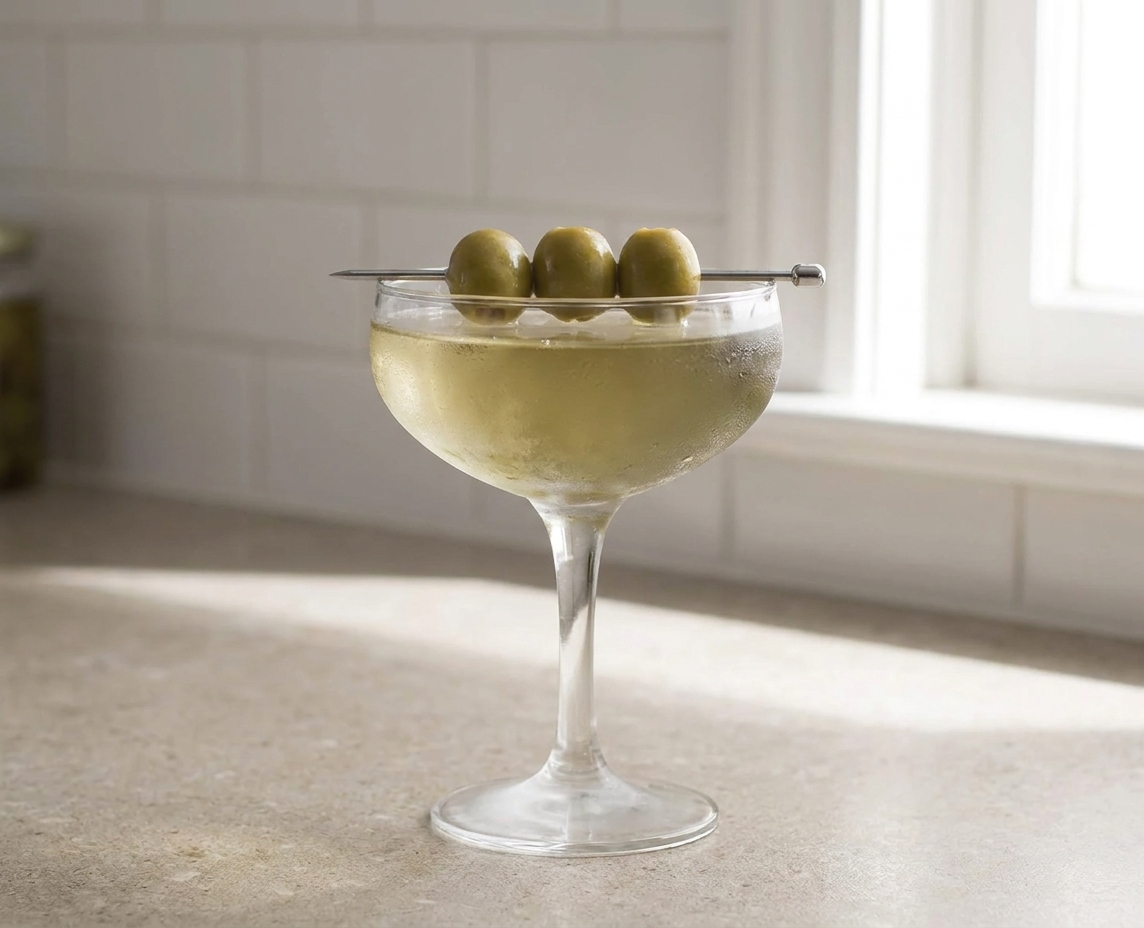
A frosty extra dirty martini in a chilled coupe glass with three green olives on a cocktail pick, set on a stone-colored kitchen counter with soft window light

If you like your martini like you like your opinions, loud and specific, welcome. An extra dirty martini is the salty, olive-briny version that hits savory first, then crisp, then cold all the way down. It is not a subtle drink. It is a couch blanket of a cocktail, except the blanket is made of ice and confidence.

This recipe keeps the ingredients simple and accessible, but we do it with a couple of small bartender moves that make a huge difference at home. You will get a drink that is extra dirty without tasting like you accidentally sipped straight from the olive jar. Balance, baby.

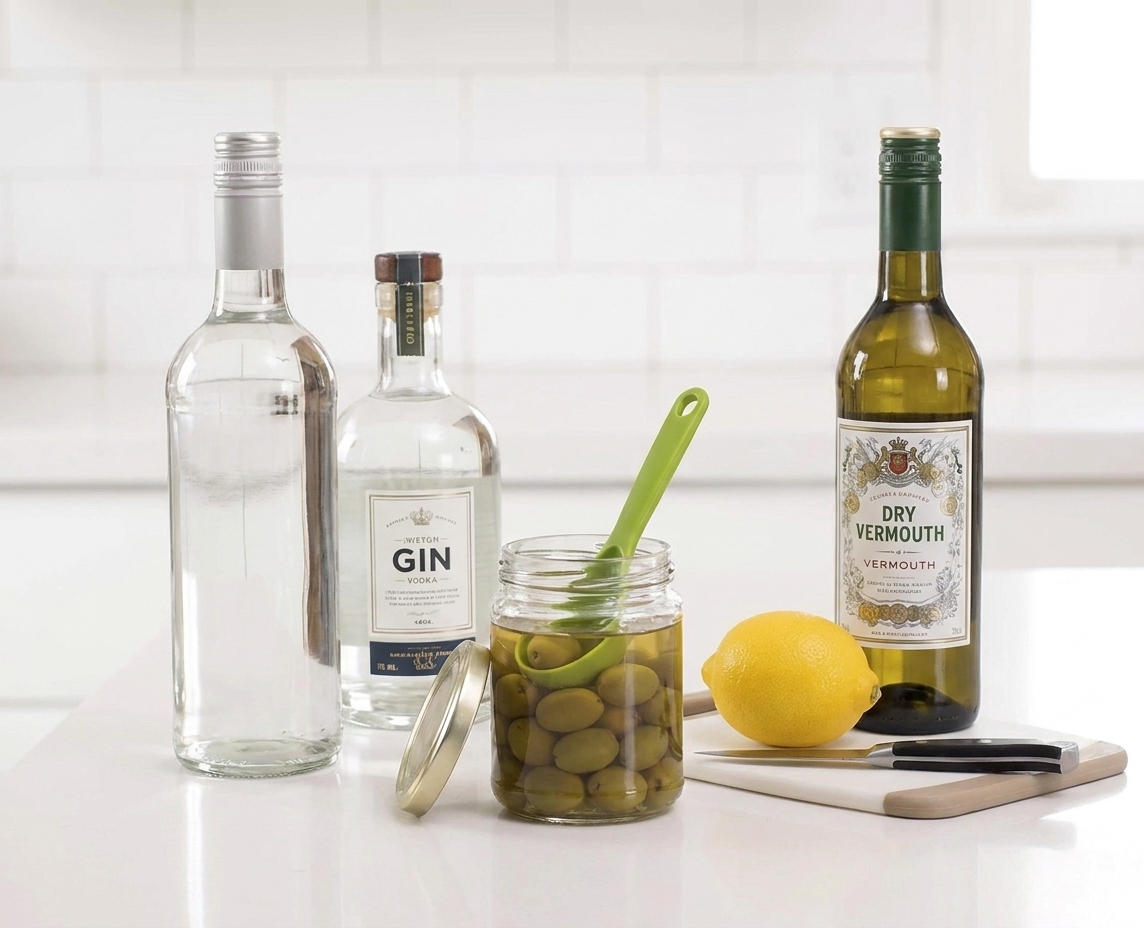
Vodka, gin, a jar of green olives with brine, a lemon, and a bottle of dry vermouth arranged on a clean kitchen counter

Why It Works

  • Max brine, still balanced: Using a measured amount of olive brine plus a tiny squeeze of lemon keeps it savory, not flat-salty.
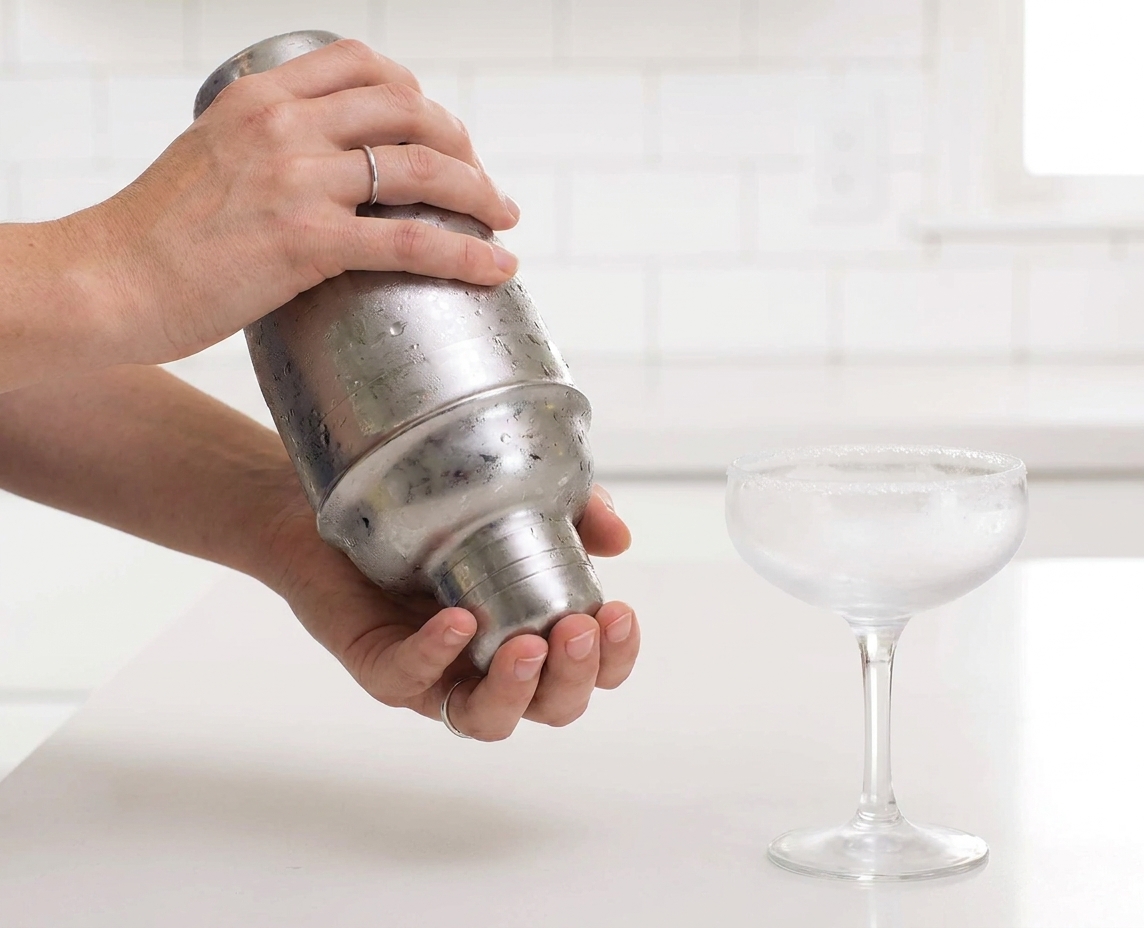
  • Properly cold: Shaking hard with plenty of ice creates that signature frosty, slightly cloudy extra dirty look and a softer mouthfeel.
  • Intentional dilution: A quick shake, a chilled glass, and straining immediately gives you dilution that tastes on purpose.
  • Customizable: Vodka for clean and briny, gin for herbal and briny, with optional vermouth if you want the edges smoothed.

Pairs Well With

Storage Tips

Martinis are best made to order, but you can absolutely prep smart.

Best option: batch the base

  • Combine the spirit, vermouth (if using), and olive brine in a jar or bottle.
  • Refrigerate for best flavor up to 24 to 48 hours. (Vermouth slowly oxidizes over time, so fresher will taste brighter.)
  • When ready to serve, shake with ice and strain into a chilled glass.

Do not pre-shake with ice

If you shake and then store, the drink keeps diluting and the brine can start tasting harsh. Make it fresh, even if the measuring is done ahead.

Olives

Keep your olives in their brine, tightly sealed. If they smell “off” or the brine looks cloudy in a suspicious way, toss them and grab a fresh jar.

Common Questions

What makes a martini “extra dirty”?

It is all about more olive brine than a standard dirty martini. A typical dirty martini might use about 1 teaspoon to 1 tablespoon brine. Extra dirty is often 1 to 2 tablespoons, sometimes more. This recipe lands in the bold zone without turning the drink into pure salt.

Vodka or gin for an extra dirty martini?

Both work. Vodka gives you a clean brine-forward drink. Gin adds herbal notes that can be amazing with the olives, especially if you like a more classic martini vibe. If you are unsure, start with vodka for your first extra dirty run.

Should I use vermouth?

You can, and I recommend a small amount. Extra dirty martinis can get sharp. A little dry vermouth rounds the corners. If you hate vermouth, skip it, but keep the drink icy cold and consider the lemon squeeze.

Shaken or stirred?

Traditionally, martinis are stirred. Dirty and extra dirty martinis are often shaken because the brine plays nicely with a frosty chill and a little cloudiness. Stir if you want a clearer drink and a slightly silkier texture, but shaking is a very home-friendly win.

My martini is too salty. How do I fix it?

  • Add more spirit (easy fix if you have room in the shaker).
  • Add a splash more vermouth to soften.
  • Finish with a tiny squeeze of lemon to brighten and distract from the salt.
  • Next time, use less brine or try a different olive brand. Brines vary a lot.

What olives and brine are best?

Classic green olives are the move. Castelvetrano are buttery and mild. Manzanilla are more classic and punchy. Use brine from a good-quality jar of olives (not canned, if you can help it). If your olives taste great straight from the jar, your martini is already halfway to greatness.

I used to think an extra dirty martini was just a dare in a glass. Like, “How much olive brine can we get away with before someone makes a face?” Then I started treating it like seasoning, the same way I do with salt in a sauce. A little precision, a lot of cold, and suddenly it is not a prank. It is savory, crisp, and weirdly cozy. Also, if you catch me fishing for that last olive at the end, no you did not.