How long should fermented hot sauce ferment?
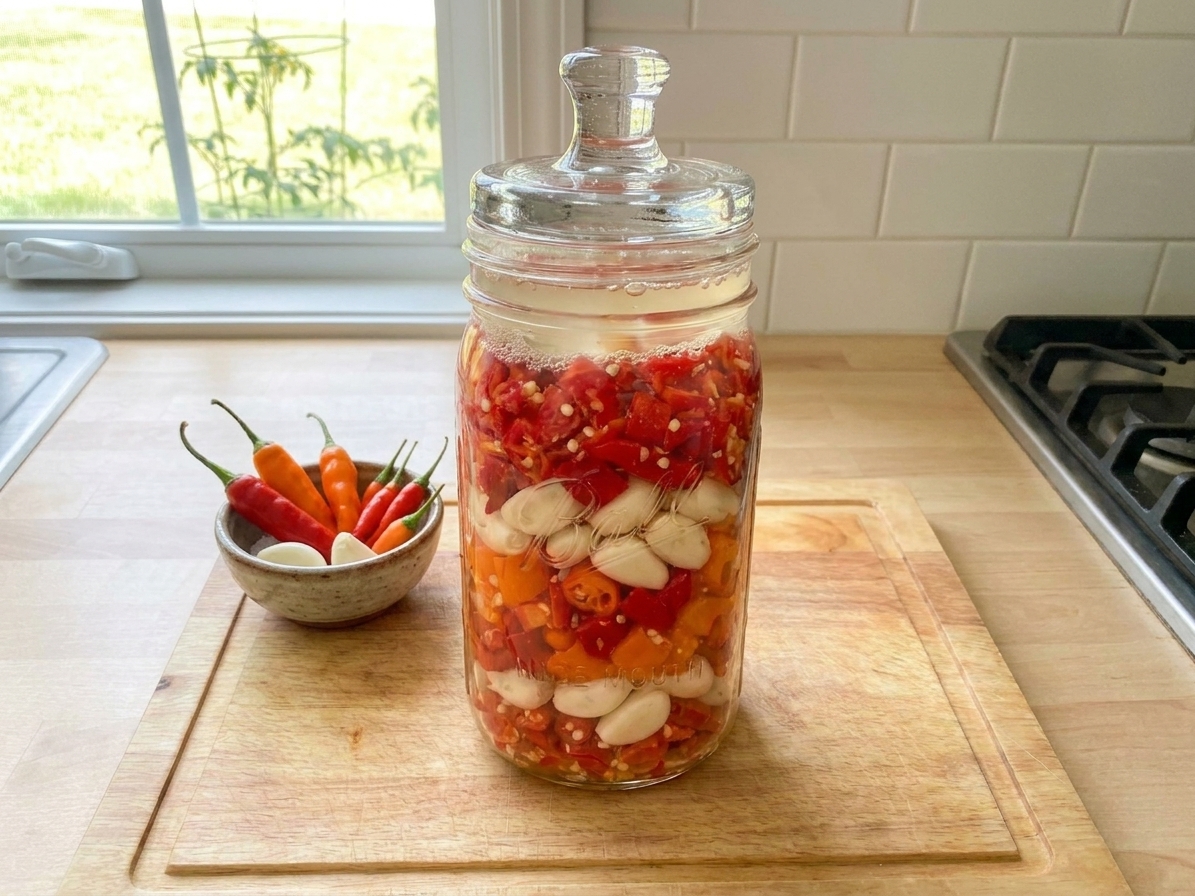
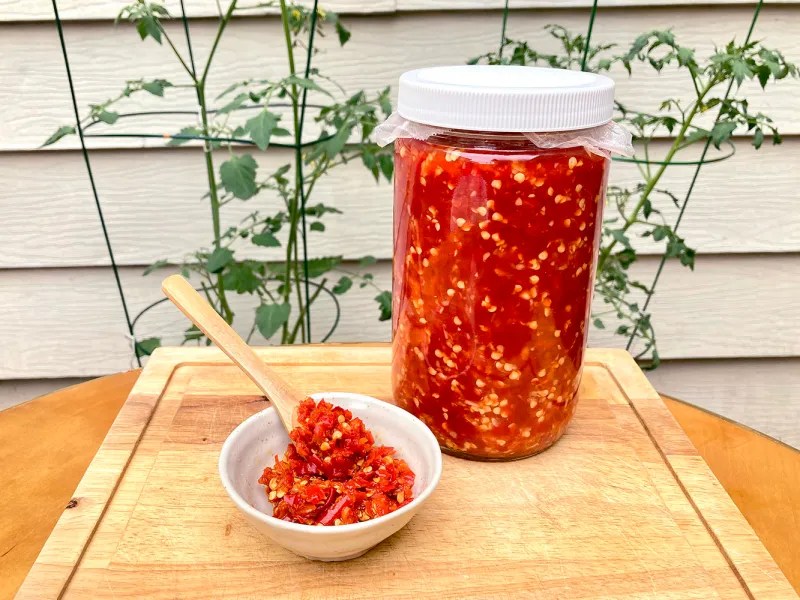
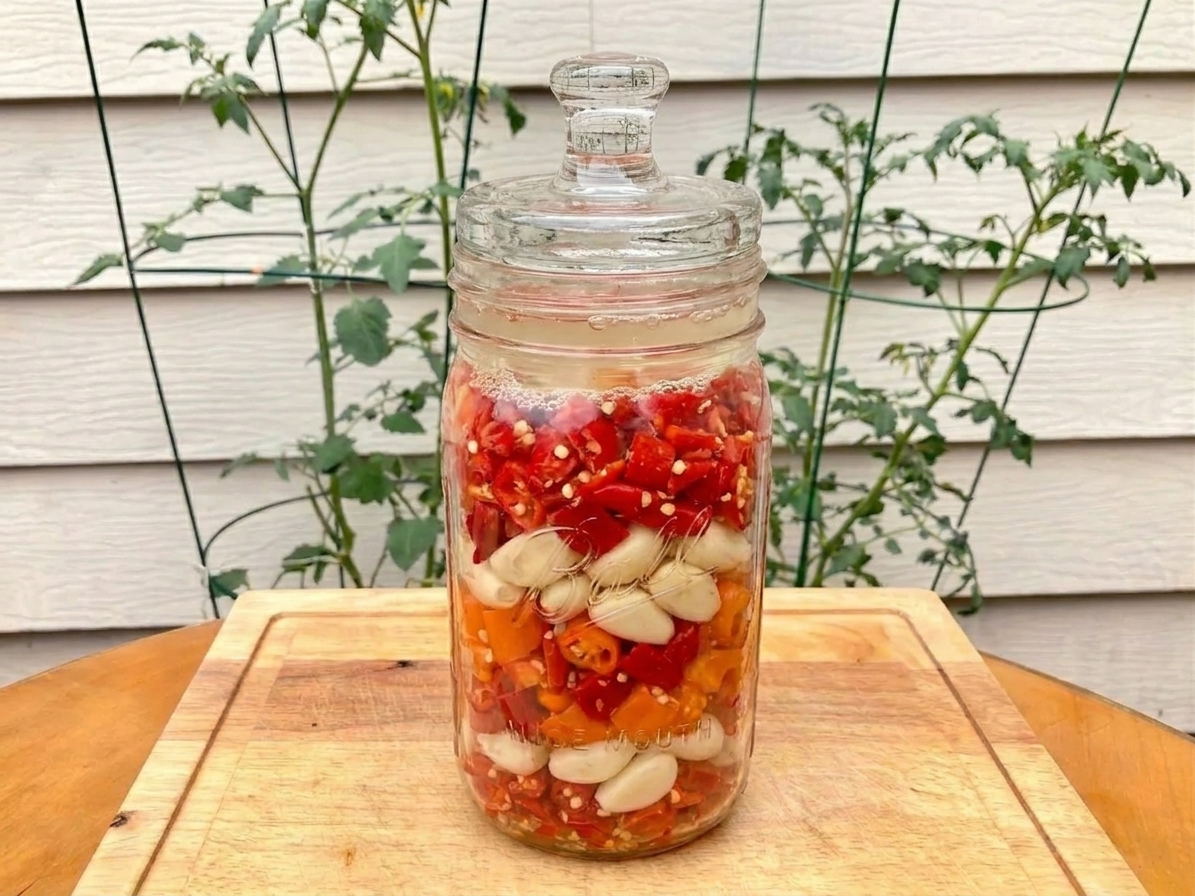
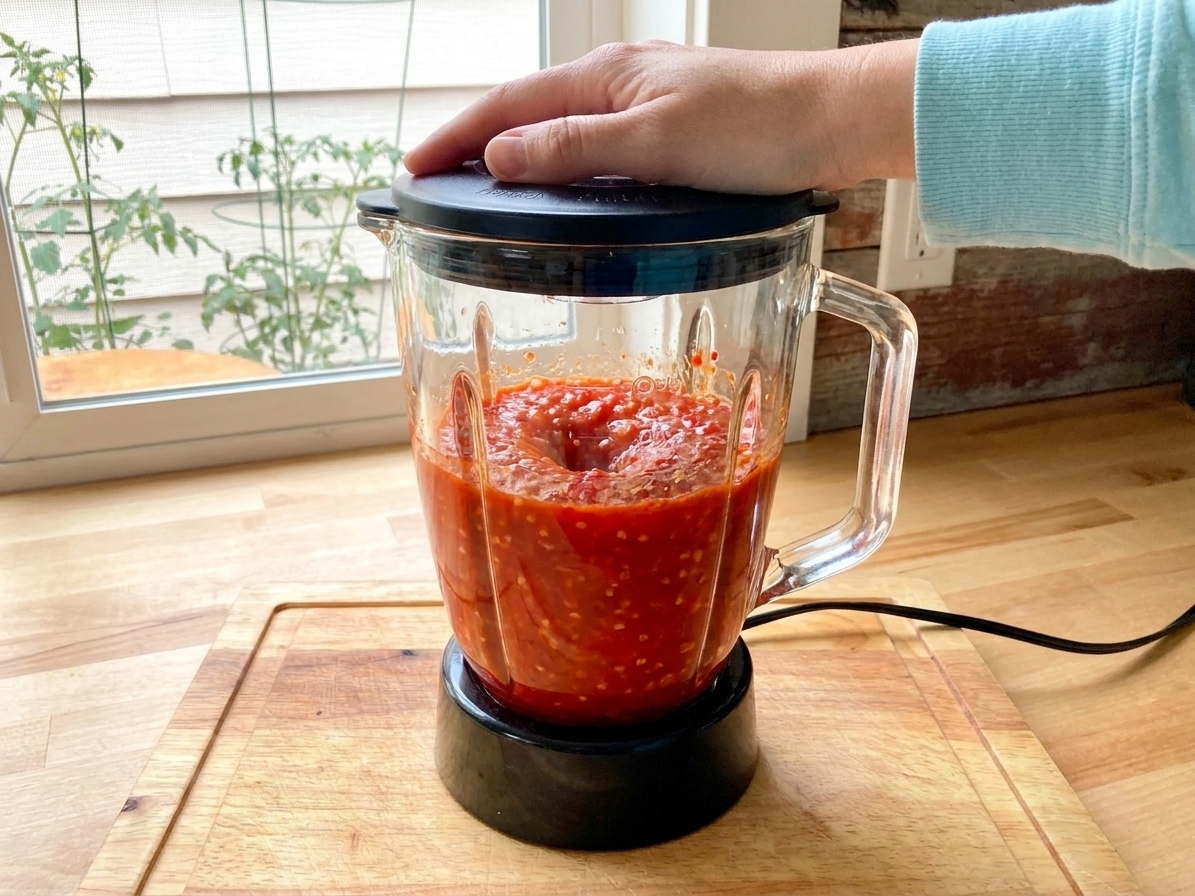
Most batches taste great at 7 to 14 days, but temperature changes the schedule. Warmer kitchens can finish sooner, cooler kitchens can take longer. Start tasting around day 7. You are looking for pleasantly sour and bright, with no rotten or putrid smell. When it tastes good to you, you are ready to blend.
What salt should I use?
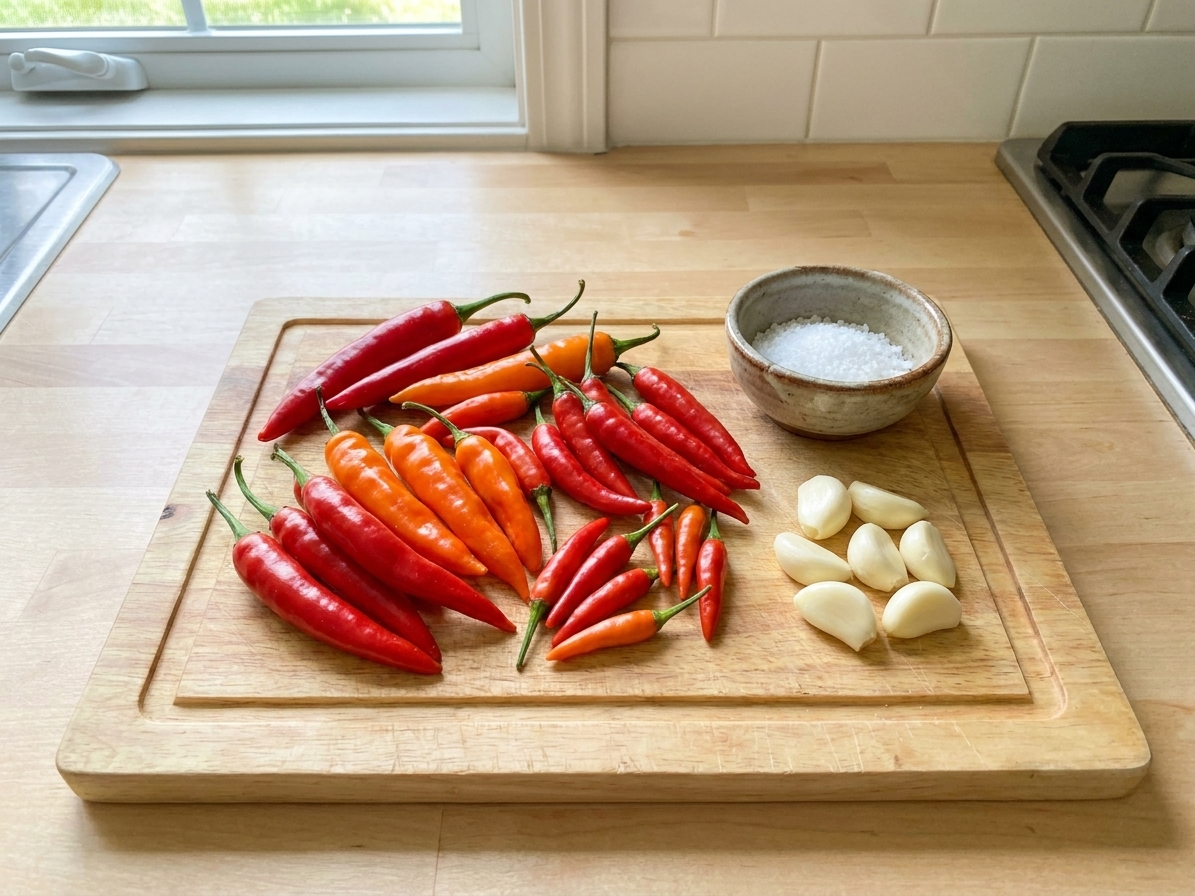
Use non-iodized salt like kosher salt, sea salt, or pickling salt. Iodized table salt and some anti-caking agents can sometimes slow fermentation or cause cloudiness or off flavors for some people. Non-iodized is the most reliable choice.
What does “3% brine” mean?
In this recipe, it means salt is 3% of the water weight. For example: 500 g water + 15 g salt. (Some people calculate brine percent using the weight of water + salt. Either approach can work, but this recipe uses the water-weight method.) If you want to scale up or down, keep that ratio.
Do I need an airlock?
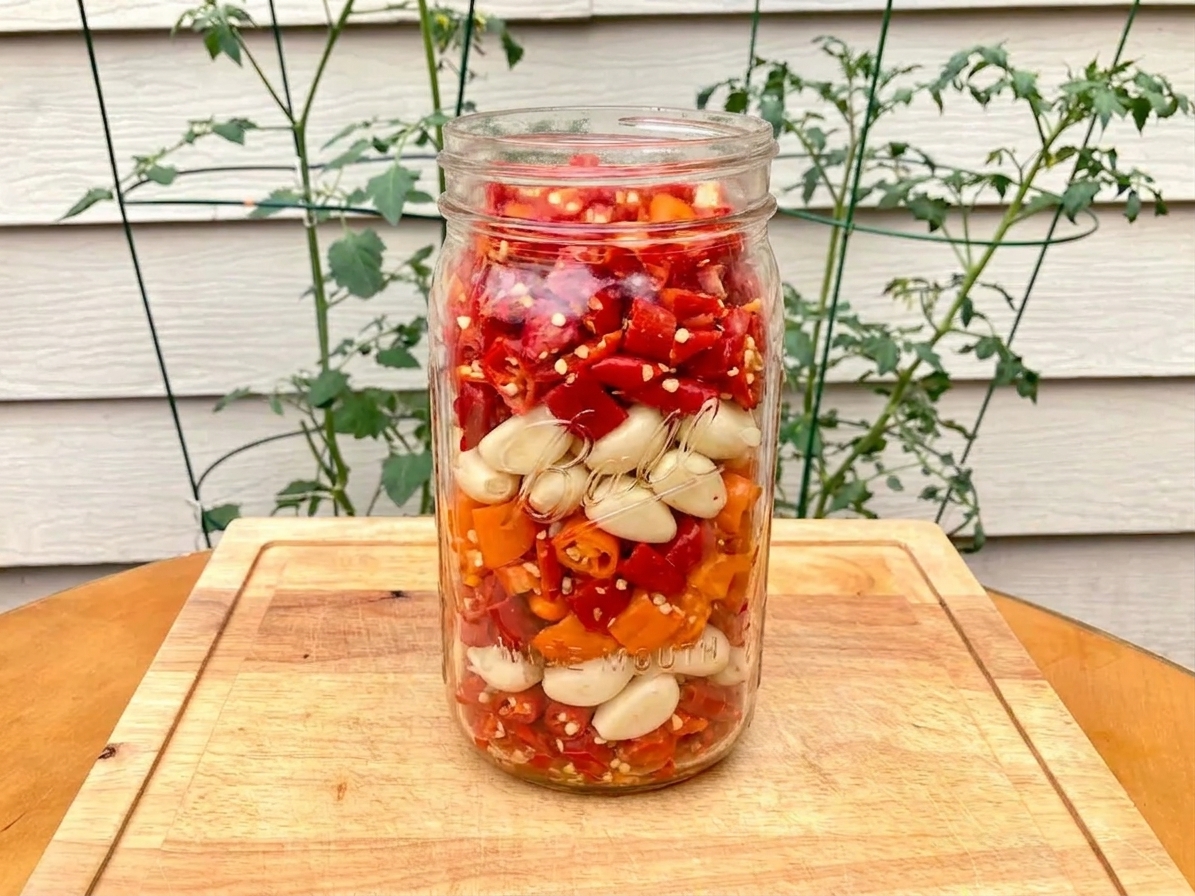
No, but it helps. A regular jar works if you burp it daily for the first week and keep everything submerged. If you do use an airlock or fermentation lid, your life gets quieter.
Is Kahm yeast mold?
No. Kahm yeast is usually a thin white film. It is not dangerous, but it can affect flavor. Skim it off and keep going. Fuzzy, colorful growth is mold and that batch should be tossed.
Why is my ferment not bubbling?
Sometimes it is just subtle. Temperature matters. Aim for 65 to 75°F. Also make sure you used the right salt and that your ingredients stayed submerged. Even without dramatic bubbling, it can still be fermenting if it smells clean and tangy.
Can I add fruit?
Yes. Pineapple, mango, peach, and carrot are all great. Fruit can ferment fast, so keep an eye on activity. I like adding fruit at blending time for more predictable sweetness, or fermenting it with the peppers for a more complex result.
Can I make it shelf-stable?
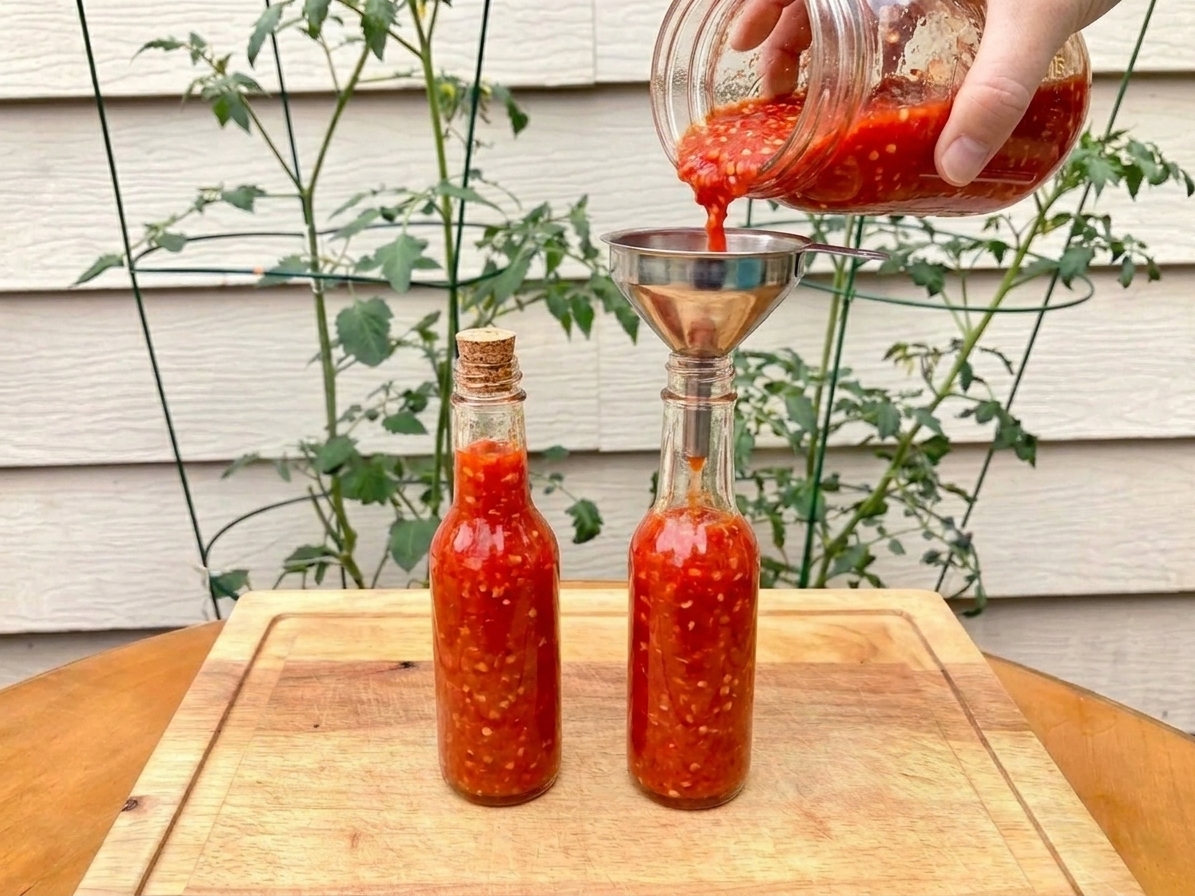
This recipe is written for refrigerated storage. If you want longer-term room-temperature stability, you will need to follow tested canning or acidification guidance. Advanced option: measure pH and aim for a safely acidic sauce (many people target below about 4.0 to 4.2), then use proper bottling methods. When in doubt, keep it refrigerated.