Mom's Best Recipes
Recipe

Festive Sinigang: Light and Creamy

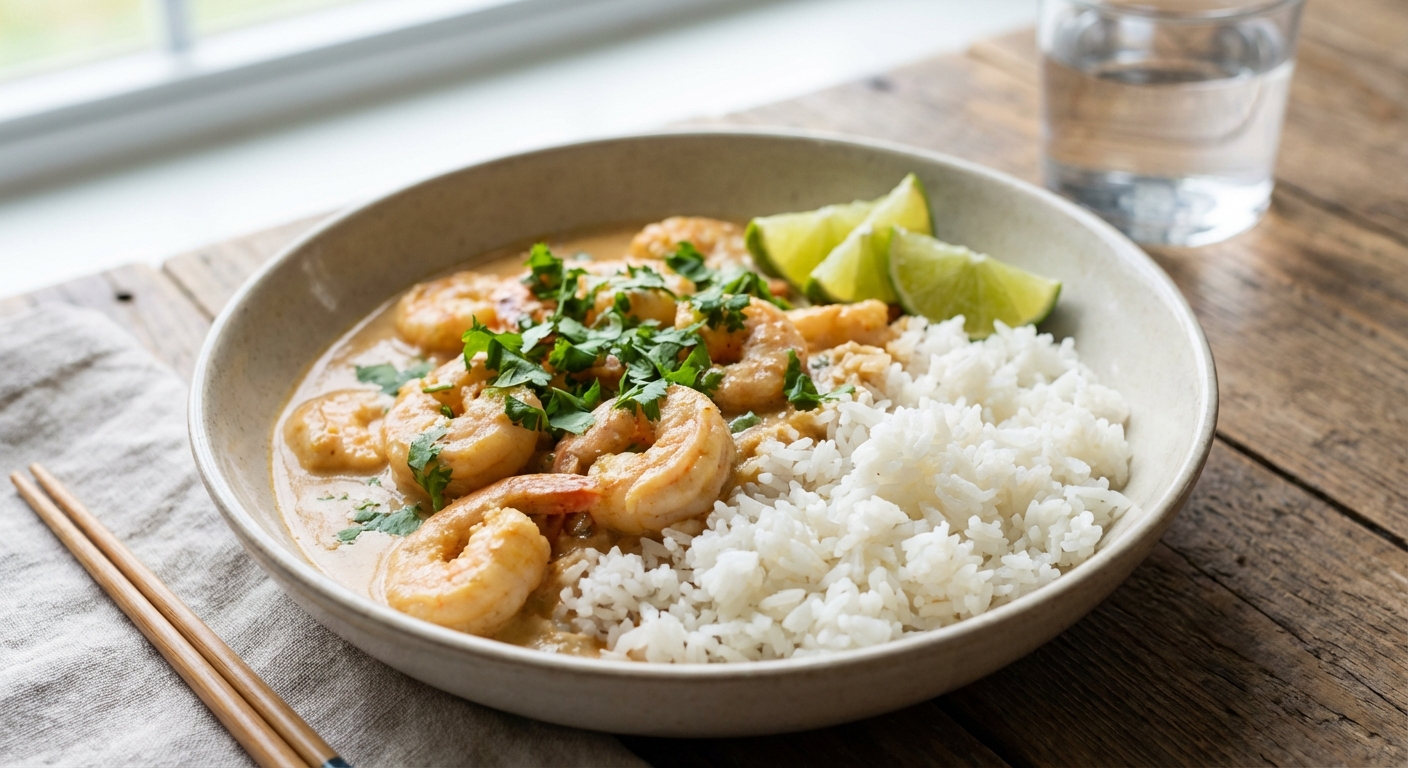
A bright, tamarind-forward Filipino sinigang with a silky, light coconut finish, tender shrimp, and crisp veggies. Cozy, tangy, and weeknight-friendly with a festive little twist.

Author By Matt Campbell
4.8

Sinigang is the kind of soup that makes you sit up a little straighter after the first spoonful. It is tangy, savory, and clean-tasting, like a warm reset button. This festive version keeps the signature sour tamarind broth, then softens the edges with just enough coconut milk to feel creamy without turning heavy.

Think of it as sinigang dressed for company: bright broth, tender shrimp, and vegetables that stay crisp enough to snap. It is the perfect bowl for chilly nights, busy weeks, or any time you want something comforting that still tastes lively.

Why It Works

  • Big, bright sourness with balance: Tamarind brings the classic tang, while fish sauce and tomatoes round it out so it tastes deep, not sharp.
  • Light creaminess, not a coconut takeover: A small amount of coconut milk makes the broth silky and festive without muting the sour.
  • Veggies with texture: We stagger the cooking so radish gets tender while greens stay vibrant.
  • Weeknight-friendly: Shrimp cooks fast, so you get maximum flavor without a long simmer.

Pairs Well With

Storage Tips

Cool fast: Let sinigang cool slightly, then refrigerate in airtight containers within 2 hours (sooner if your kitchen is warm).

  • Fridge: 3 to 4 days. The broth gets even better, but greens will soften.
  • Freezer: Up to 2 months, but freeze the broth and radish separately if you can. Leafy greens and shrimp can turn a bit soft after thawing.

Reheat: Warm gently over medium-low until steaming. If you have leftover shrimp, pull it out while reheating and add it back at the end so it stays tender.

Little rescue trick: If the soup tastes less sour the next day, add a small splash of tamarind concentrate or a squeeze of calamansi right before serving.

Common Questions

Is coconut milk traditional in sinigang?

Classic sinigang is usually clear and sour. Coconut milk is more common in gata-based dishes, but there are plenty of home-cook riffs and regional spins across the Philippines. It works beautifully here as a warm, festive twist. Keep it light so the tamarind still leads.

What can I use if I cannot find tamarind?

Best options are tamarind concentrate, paste, frozen tamarind pulp, or a tamarind soup base packet. If you are truly stuck, you can make a sour soup in the spirit of sinigang with calamansi or lime plus tomatoes and fish sauce, but it will not taste like tamarind. Other traditional souring options (depending on region and availability) include green mango, guava, or kamias (bilimbi).

How do I control the sourness?

Add your souring in stages. Brands vary a lot in strength, especially with concentrates and pastes. Start modest, simmer, taste, then adjust. Also, fish sauce and salt make sour flavors pop, so do your final seasoning after the tamarind is in.

Can I make this with pork or chicken instead of shrimp?

Yes. For pork (like ribs or belly), simmer until tender before adding vegetables. For chicken thighs, simmer 20 to 25 minutes. Add coconut milk near the end in both cases and keep it at a gentle simmer.

How do I keep shrimp from getting rubbery?

Add shrimp at the very end and cook just until pink and curled. Turn off the heat as soon as they are done. Residual heat finishes the job. If you want even more flavor, use shell-on shrimp, then peel before eating.


The first time I tried making sinigang for friends, I treated the sour like a dare and went a little too bold. Everyone was polite, but you could see the involuntary face scrunch. Since then, I learned the real move is balance. Add the tamarind gradually, season after, and let the vegetables do their thing.

This light and creamy version happened on a cold night when I had a partial can of coconut milk left over and a bag of shrimp that needed a plan. I stirred in a splash, tasted, and immediately knew it was a keeper. It still tastes like sinigang, just wearing a softer sweater.