Mom's Best Recipes
Recipe

Filipino Chicken Adobo

A classic soy-vinegar braise with garlic, bay, and peppercorns, finished with a quick reduction for a glossy sauce and crisp-edged chicken.

Author By Matt Campbell
4.8
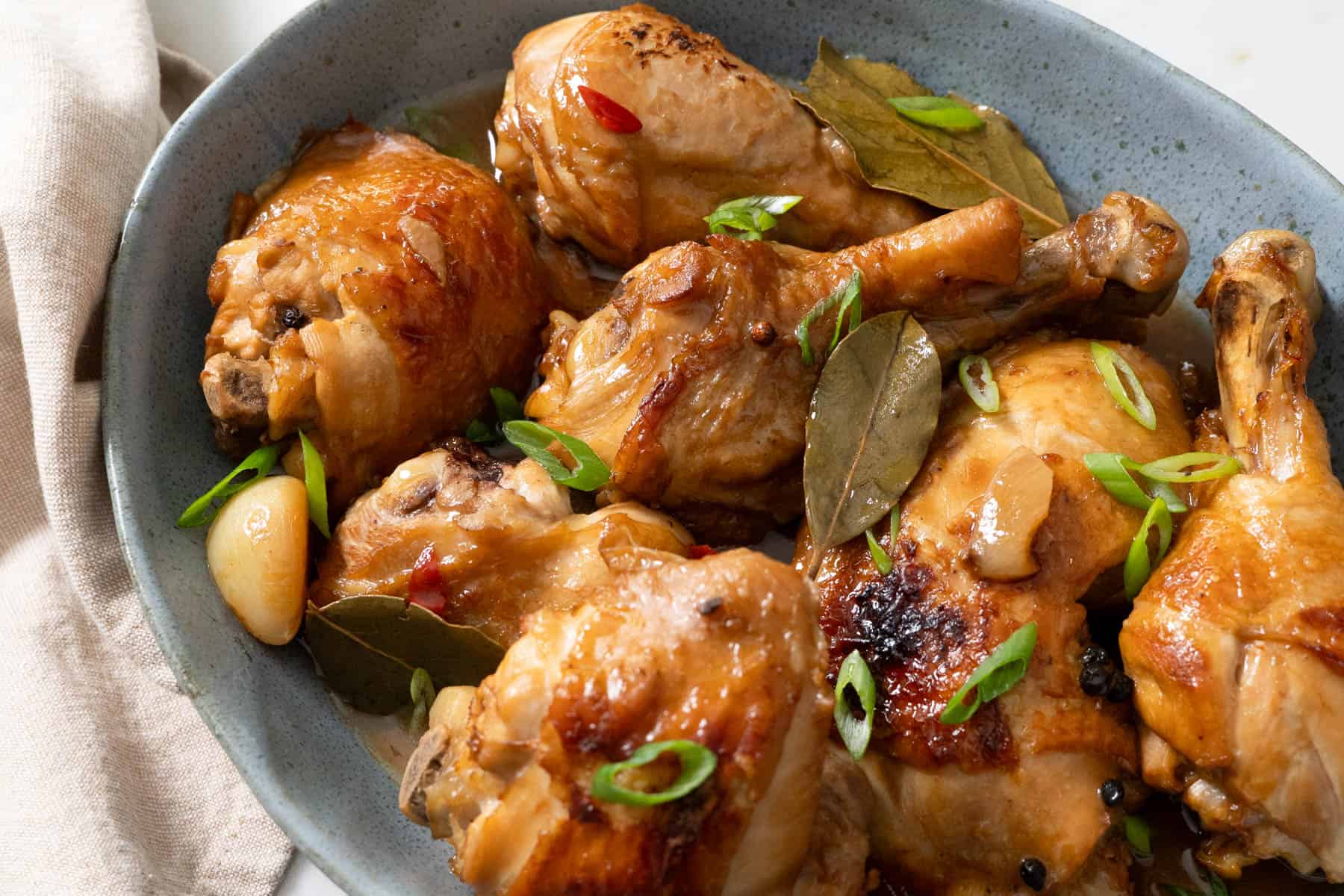
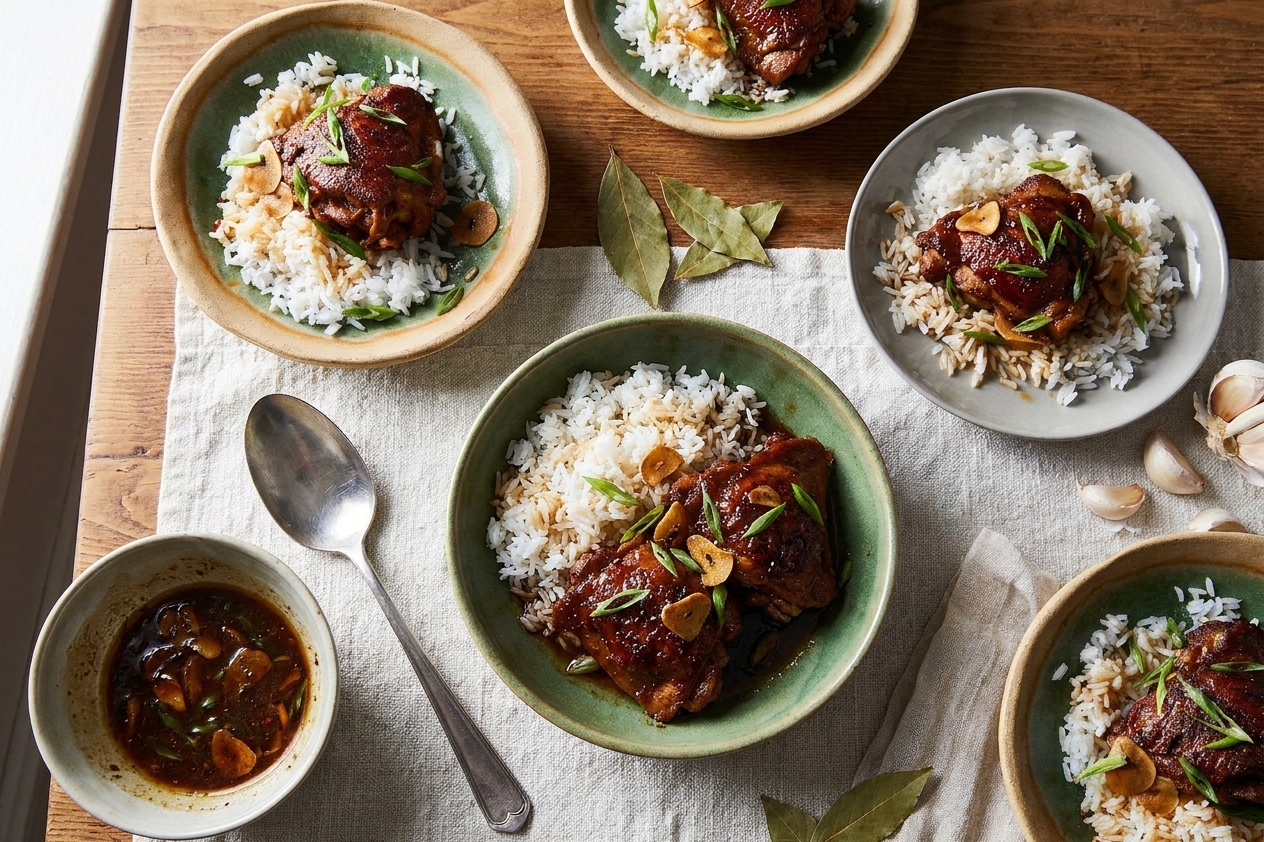
A plated serving of Filipino chicken adobo with glossy soy-vinegar sauce, steamed white rice, and a few sautéed greens on a simple ceramic plate on a warm kitchen table

Chicken adobo is one of those dishes that feels like a magic trick. You start with the most normal pantry stuff, like soy sauce, vinegar, garlic, bay leaves, and peppercorns. Then you simmer it until the chicken turns tender and the kitchen smells like you know what you are doing.

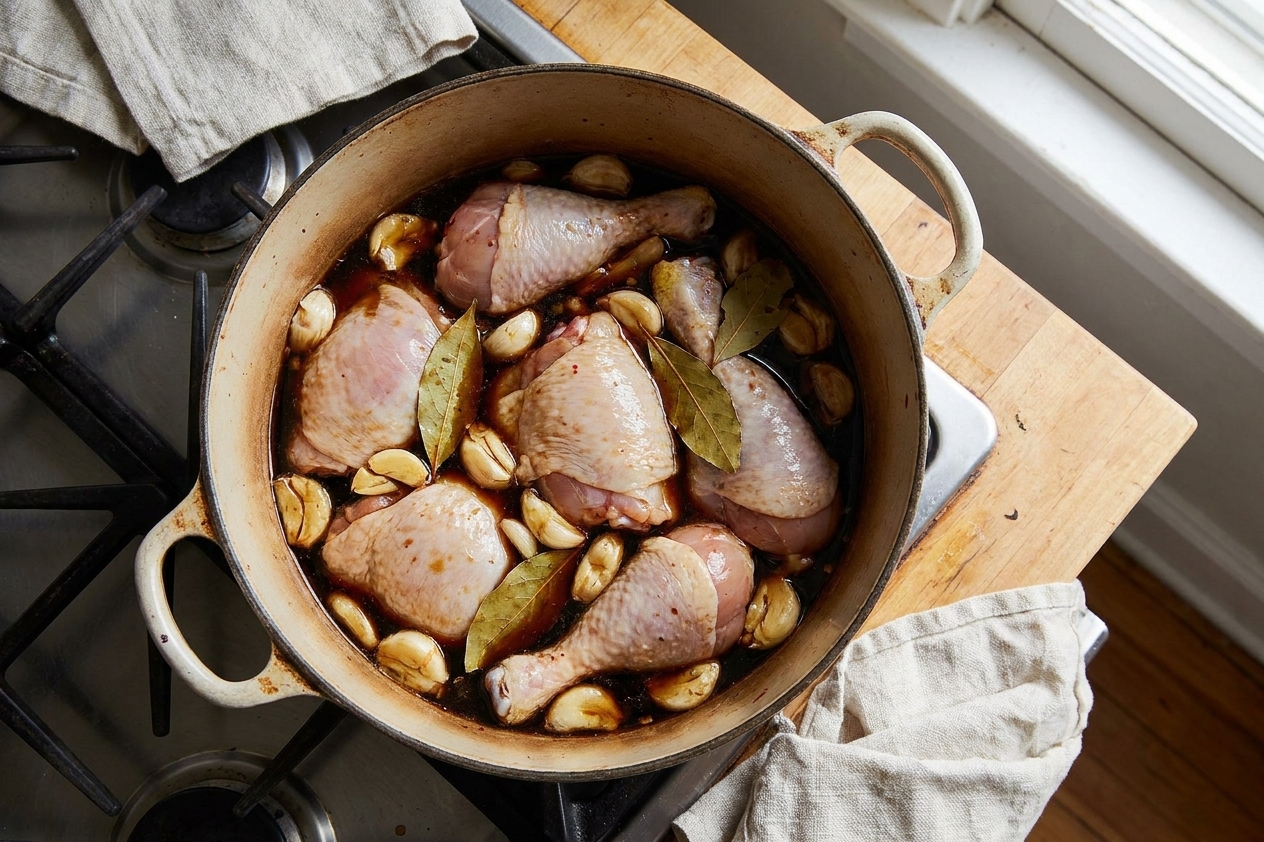
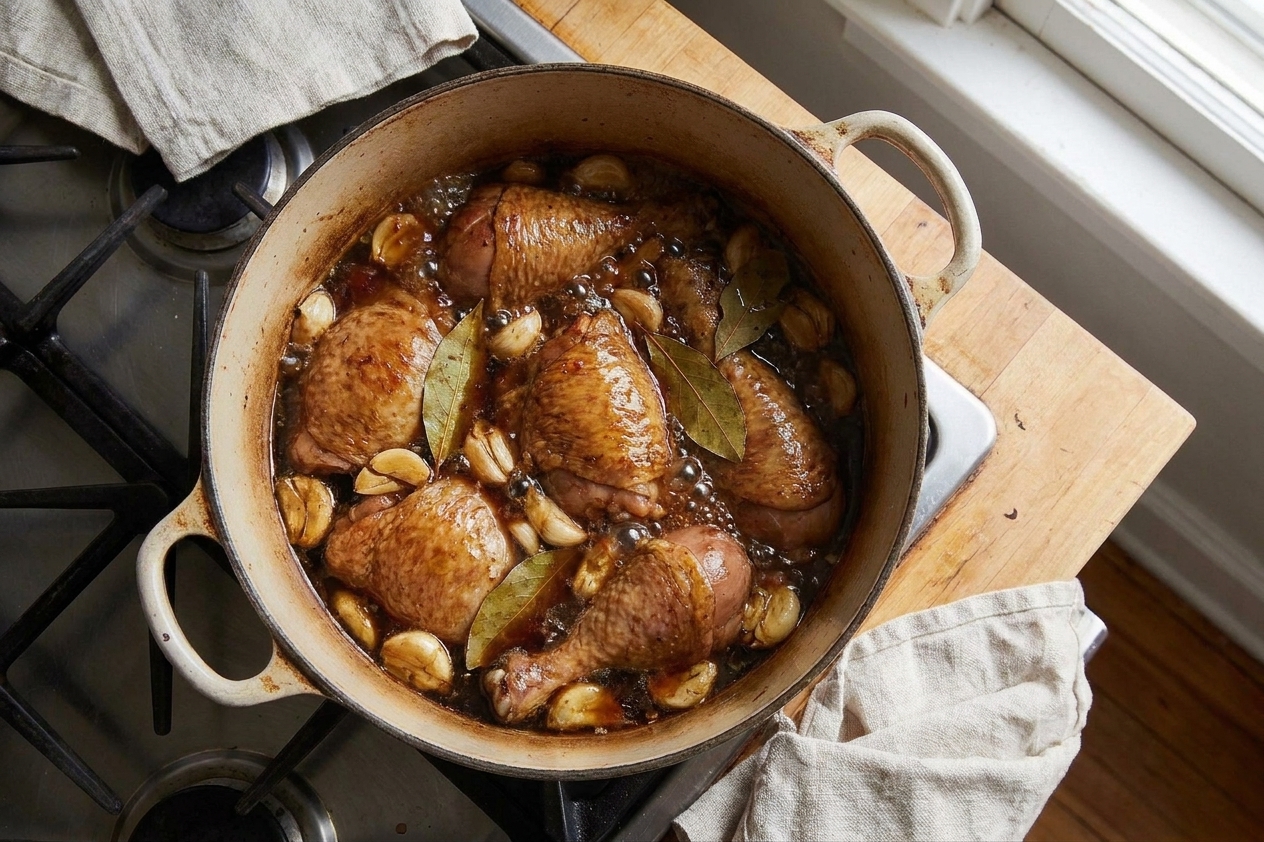
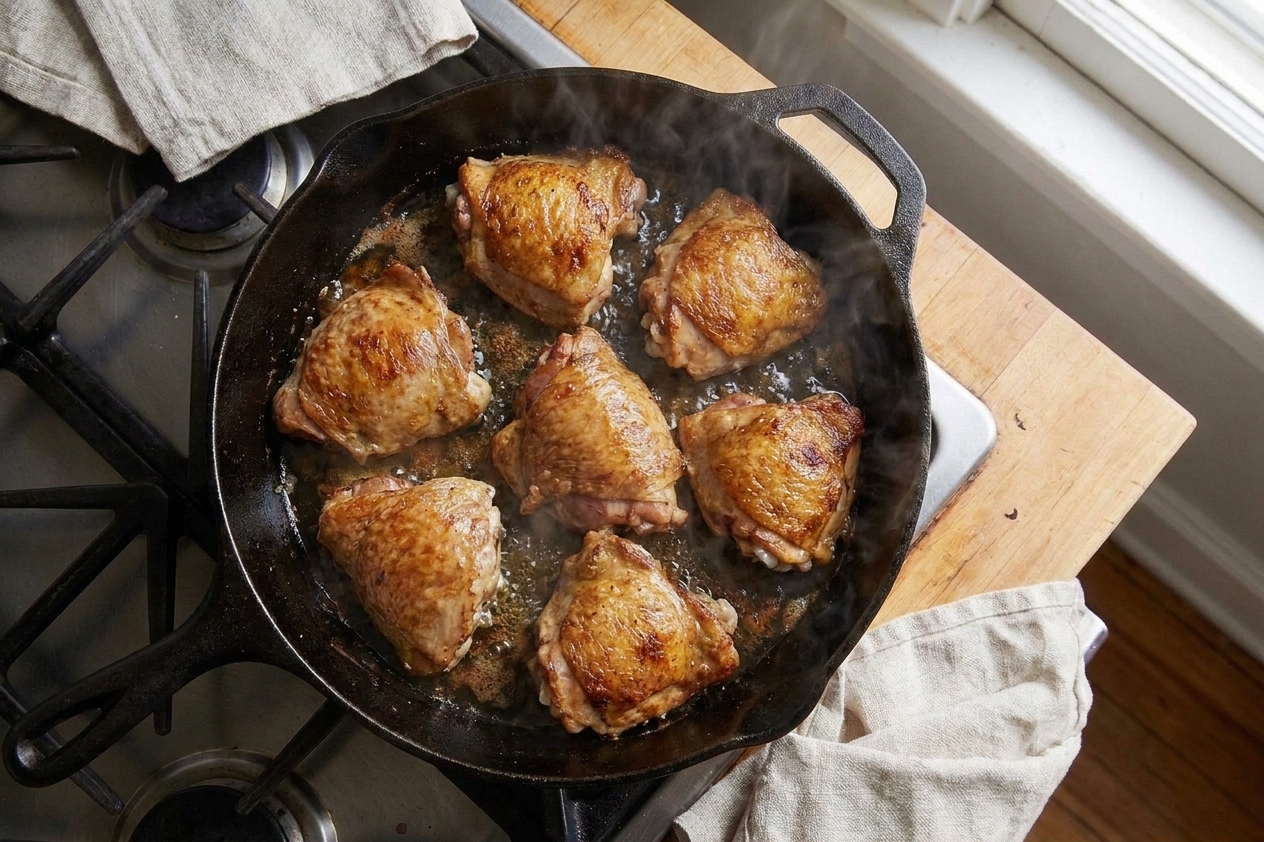
My version is classic and weeknight-friendly, but it still has that pause mid-bite factor. The move is simple: braise the chicken low and slow, then pull it out and crisp it in a pan (or under the broiler) while the sauce reduces into something shiny and bold. Serve it with rice, because the sauce will absolutely demand it.

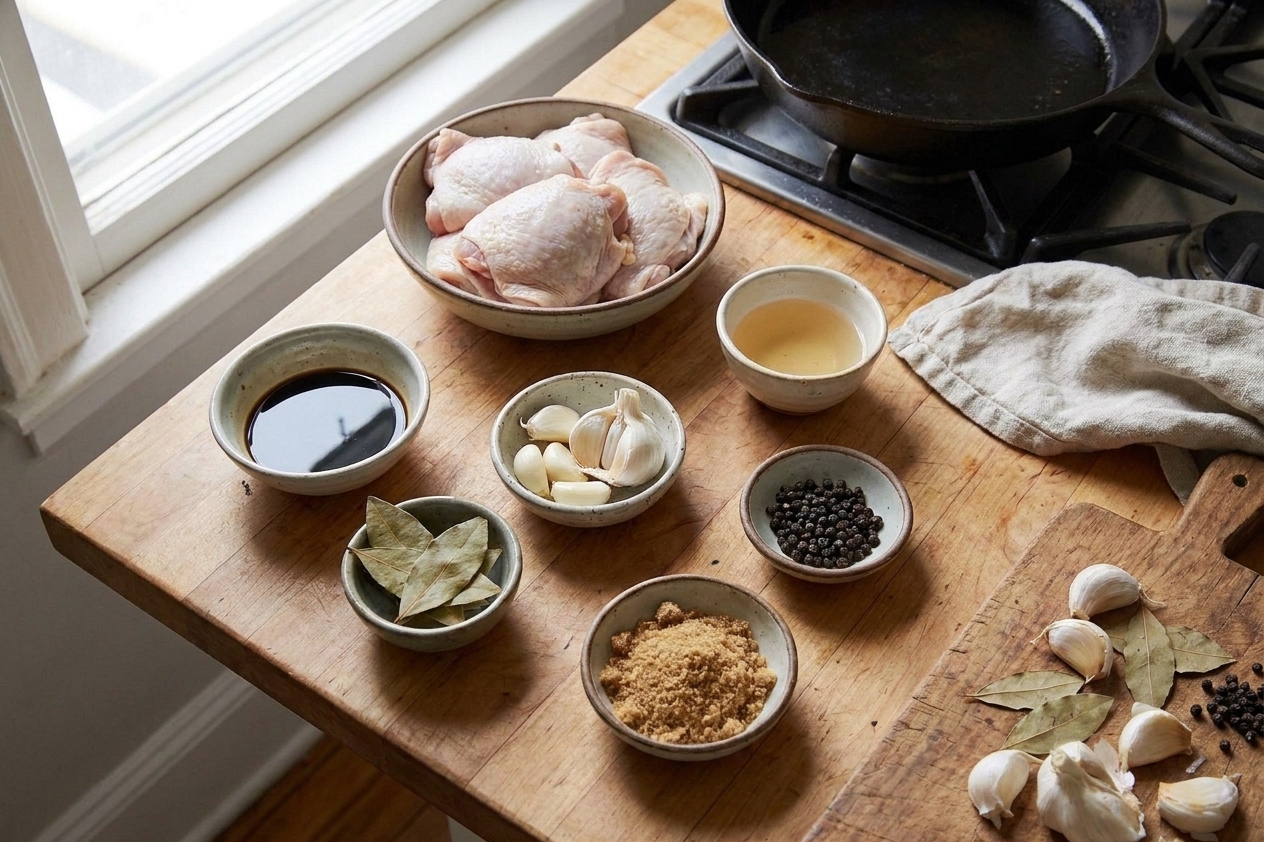
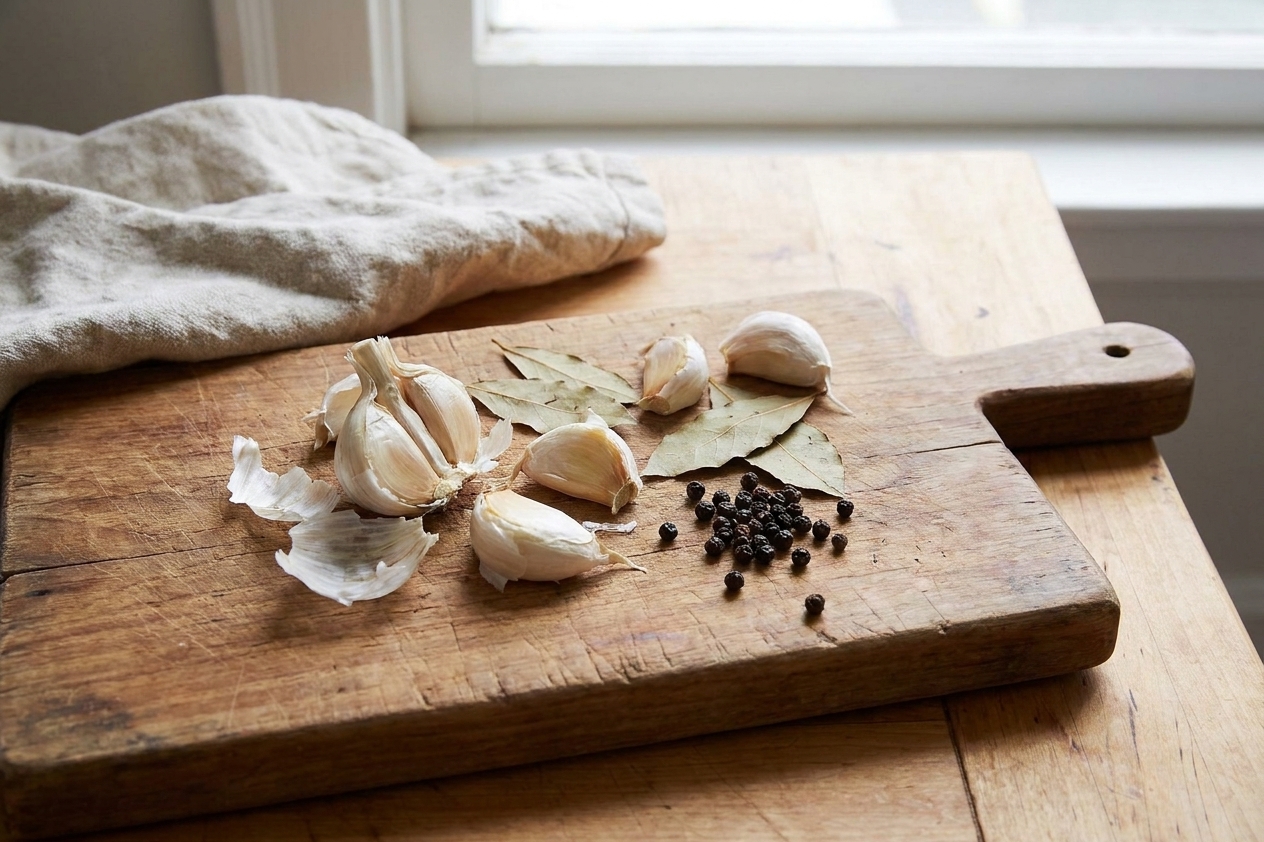
A home kitchen counter with measured ingredients for chicken adobo including chicken thighs, soy sauce, cane vinegar, garlic cloves, bay leaves, whole peppercorns, and brown sugar in small bowls

Why It Works

  • Big flavor from small effort: soy sauce and vinegar do the heavy lifting, and the garlic makes it feel like a hug.
  • Perfect texture: simmer for tenderness, then crisp the chicken for golden edges and better bite.
  • A sauce that clings: reducing the braising liquid turns it glossy and spoon-worthy.
  • Meal prep hero: it tastes even better the next day after the flavors settle in.

Pairs Well With

Storage Tips

Refrigerate: Store chicken and sauce together in an airtight container for up to 4 days. Adobo gets better overnight, so leftovers are basically a feature.

Freeze: Freeze in a freezer-safe container for up to 3 months. Thaw overnight in the fridge.

Reheat: Warm gently on the stove with a splash of water if the sauce has tightened up. For crispier chicken, reheat in a skillet with a little oil, then spoon warmed sauce over the top.

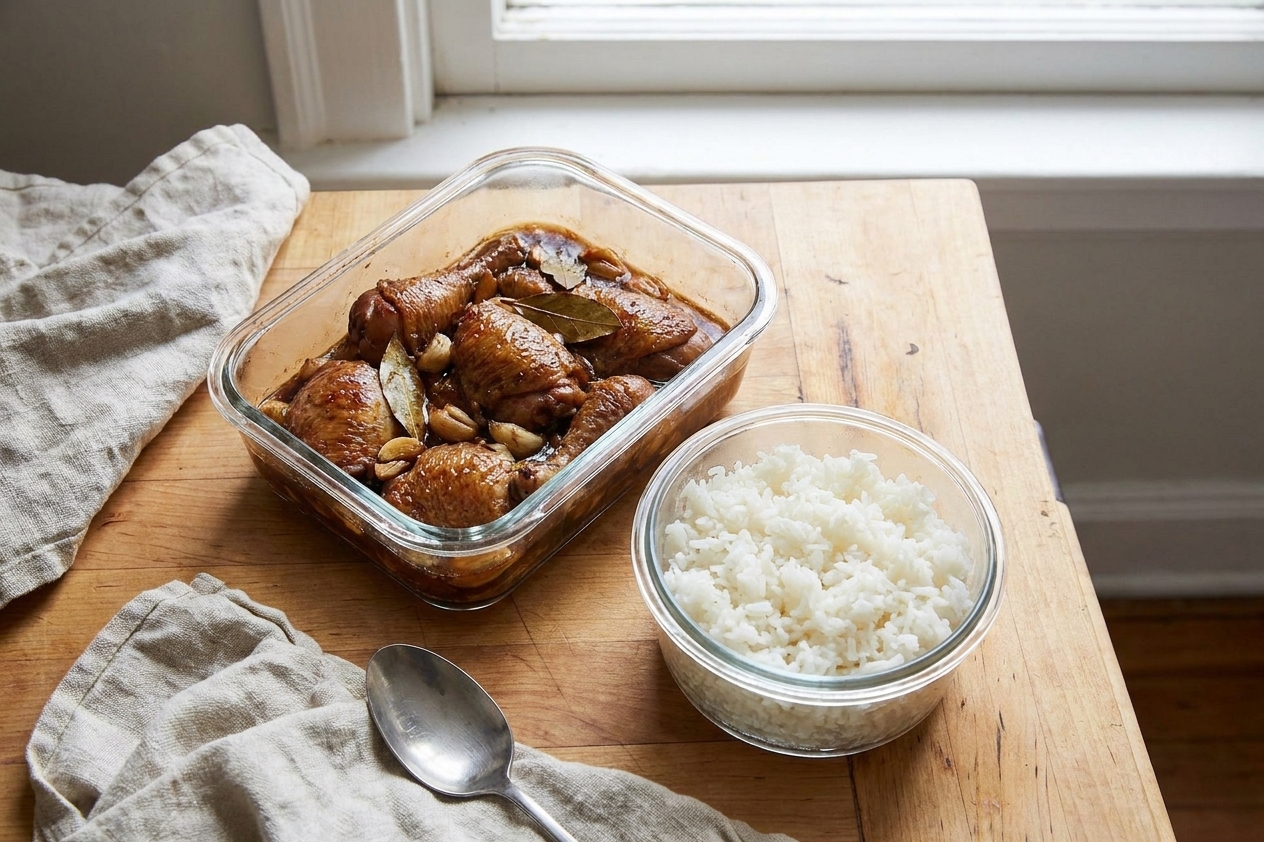
A glass meal prep container filled with chicken adobo and sauce next to a small container of rice on a clean kitchen counter

Common Questions

What vinegar should I use for chicken adobo?

Cane vinegar is a classic choice and gives a clean, bright tang. Coconut vinegar is also traditional in many homes and has a slightly softer, rounder acidity. If you cannot find either, use distilled white vinegar for similar sharpness, or apple cider vinegar for a slightly fruitier vibe. Avoid balsamic here, it changes the whole profile.

Do I need to marinate the chicken first?

No. You can absolutely marinate for 30 minutes to overnight if you want, but this recipe is built to taste great without planning ahead. The simmer does the work.

Why does my adobo taste too sour?

A few fixes: let it simmer a little longer uncovered to mellow the vinegar bite, add 1 to 2 teaspoons brown sugar, or stir in a small knob of butter at the end for a softer finish. Also make sure you are not reducing too hard too fast, which can make the flavors feel intense.

Can I use chicken breast?

You can, but thighs and drumsticks are more forgiving and stay juicy. If you use breast, simmer gently and pull it as soon as it hits 165°F so it does not dry out.

Is it safe to simmer in vinegar without stirring at first?

Yes. It is also a traditional practice to avoid stirring early on, partly to let the vinegar’s sharp, raw edge mellow as it simmers before everything fully blends. The acidity does not magically disappear, it just integrates. That said, home kitchens vary. If you need to stir to prevent sticking, do it, just keep the simmer gentle.

What are whole peppercorns doing here?

They give adobo its signature warm, spicy bite. If you do not like biting into peppercorns, crack them slightly, or strain the sauce before serving.

Should I use regular or low-sodium soy sauce?

Regular soy sauce gives the most classic adobo punch. If you use low-sodium, the dish can taste a bit flatter, so you may want to reduce the water slightly or add a small splash more soy at the end. Either way, taste the sauce after reducing and adjust.

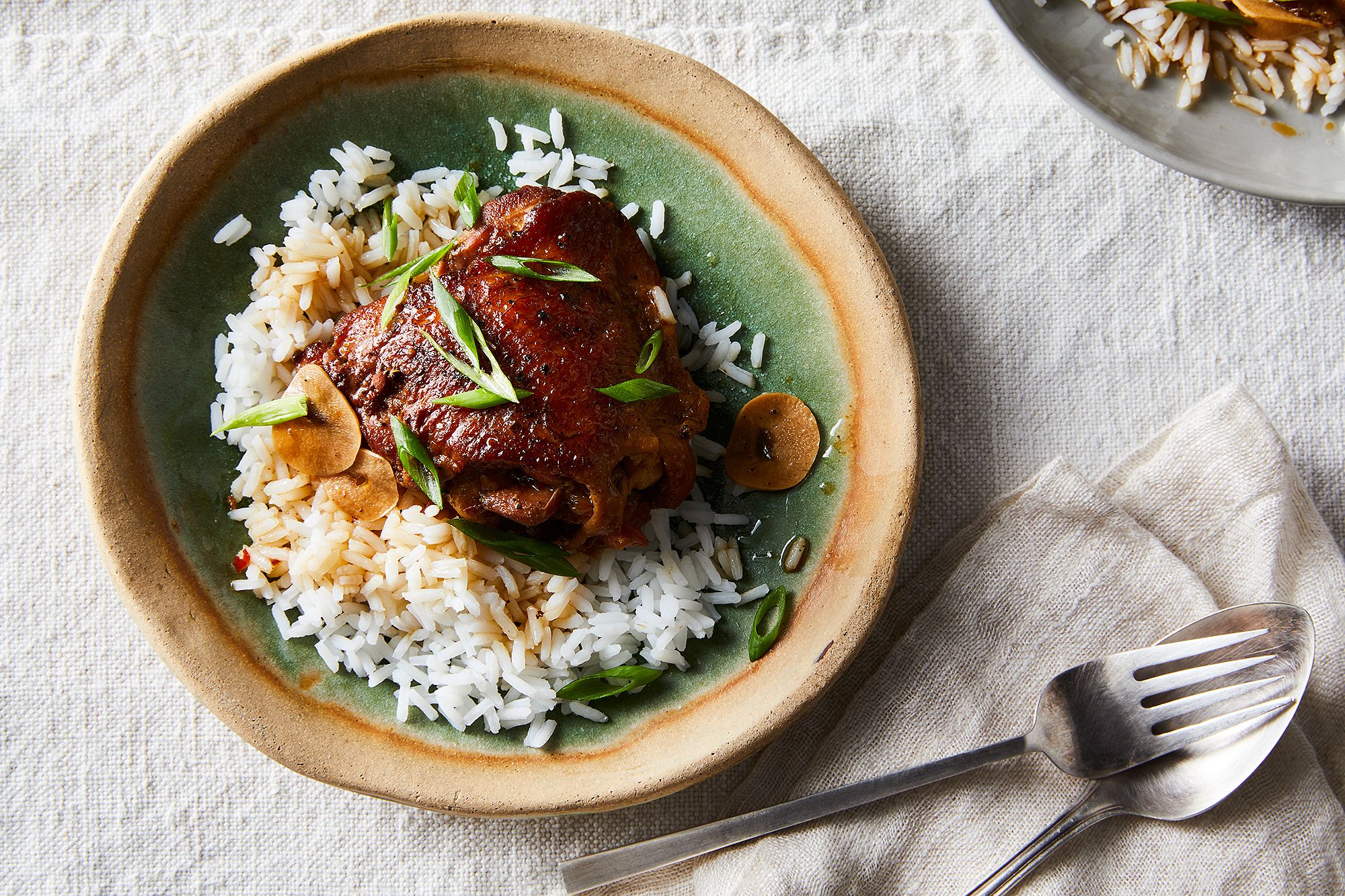
The first time I really got chicken adobo, it was not in a fancy setting. It was just a pot on the stove, rice in the cooker, and that smell of vinegar and garlic drifting through the kitchen like it owned the place. What hooked me was how practical it is. You do not need a long ingredient list or perfect technique. You just need a little patience, and the confidence to taste the sauce and say, “Okay, you need one more minute.” That is my kind of cooking.