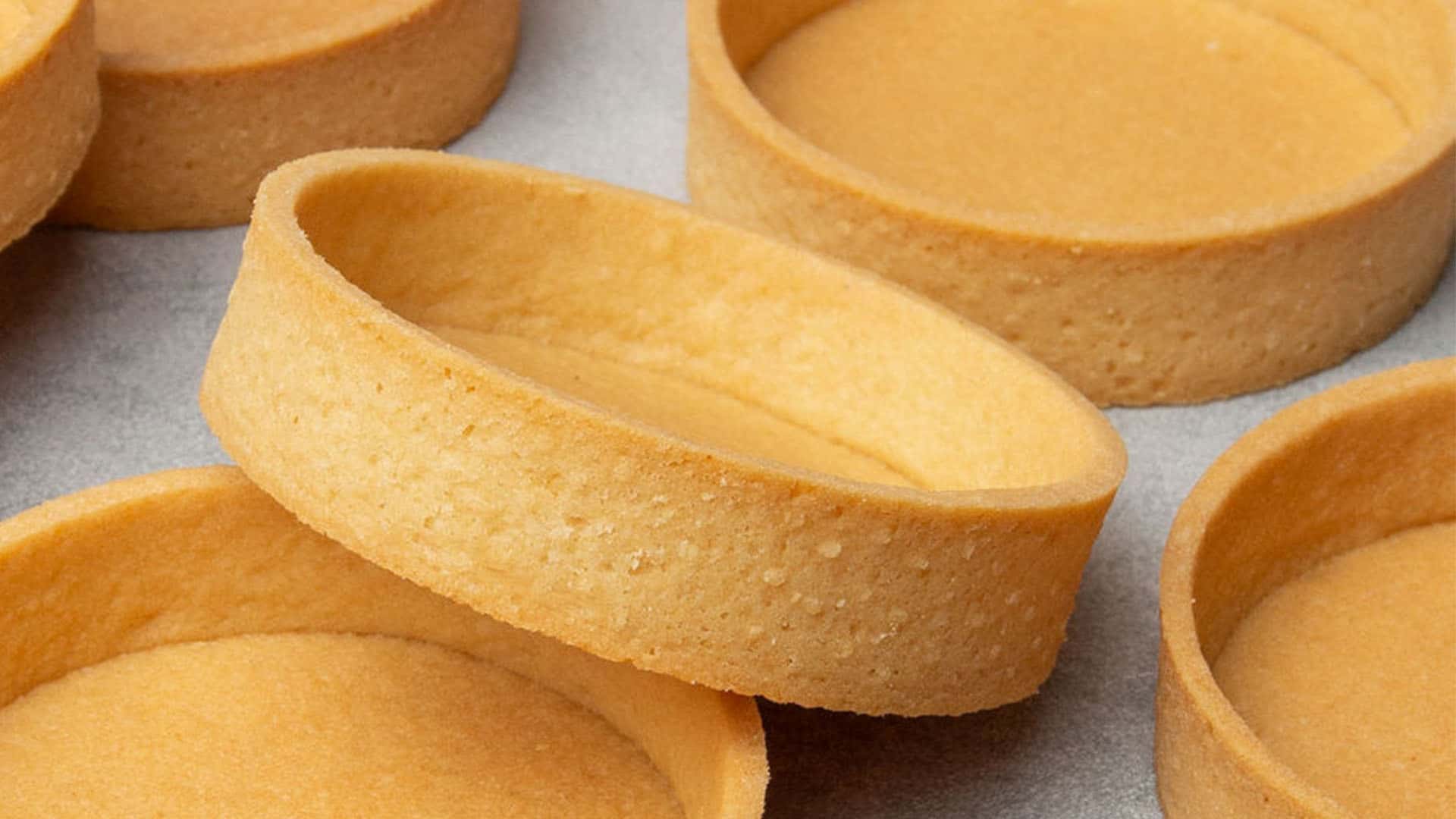
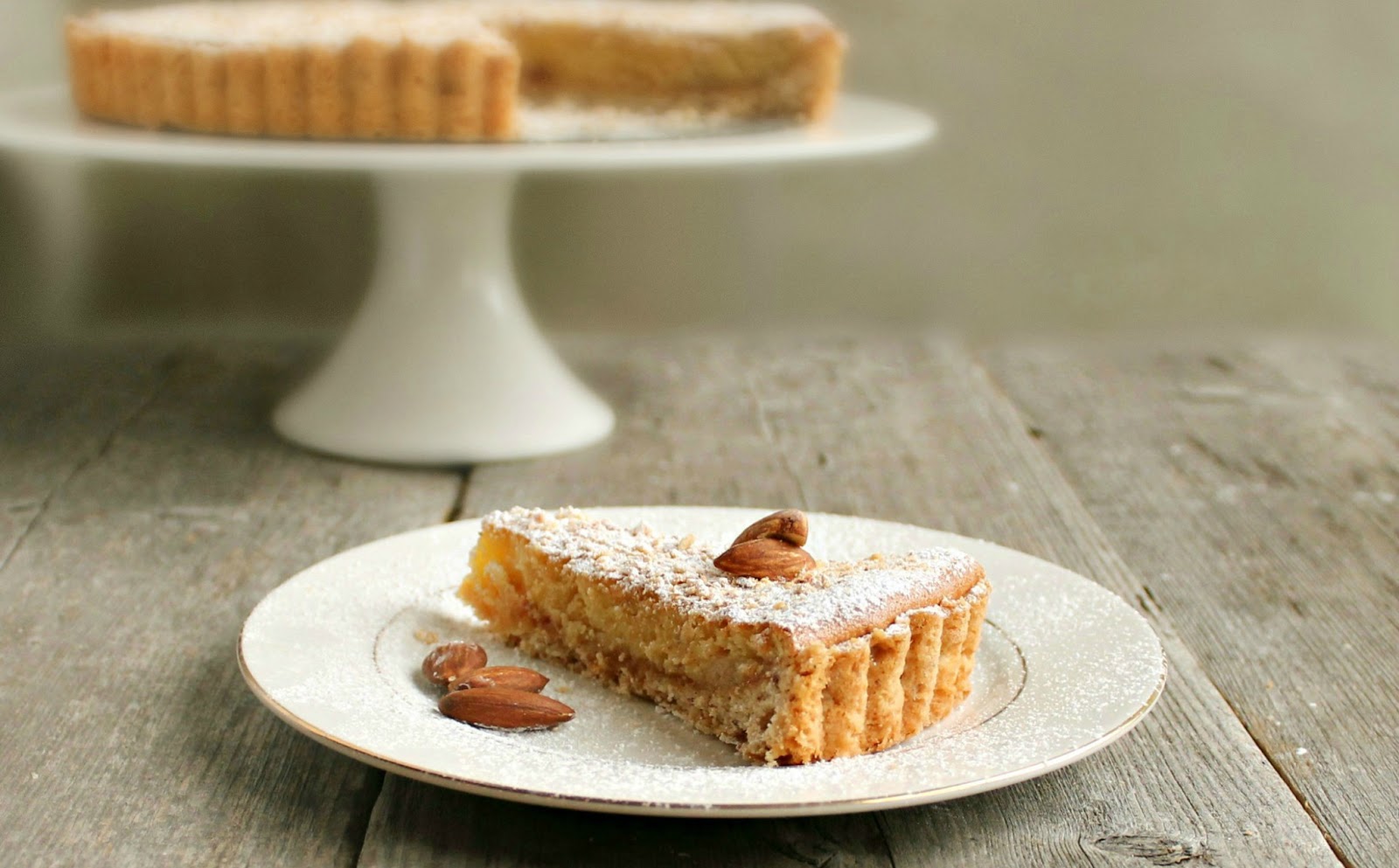
A simple, bakery-style almond frangipane made with accessible ingredients. Use it in tarts, galettes, and croissants with foolproof mixing and storage tips.
If you have ever torn open a croissant and seen that dreamy honeycomb interior, you already know the goal. Crisp outside, tender inside, and so buttery it feels like a small personal triumph.
This is a classic yeasted laminated dough, but we are making it friendly for real humans with real fridges. You will do short bursts of work, then let time and cold temperatures do the heavy lifting. The dough rests. The butter chills. You come back feeling like a pastry wizard.
Plan ahead: croissants are a two day project. Day 1 is dough, butter block, and turns. Day 2 is shaping, proofing, and baking. Most of the time is hands-off, which is my favorite kind of impressive.