
Mom's Best Recipes
Recipe

Fresh Thai Green Curry

A bright, creamy Thai green curry with tender chicken, crisp veggies, and a limey basil finish. Weeknight-friendly, restaurant-level flavor.

Author By Matt Campbell
4.8

Thai green curry is one of those magical meals that tastes like it took all day, even when it absolutely did not. You get that fresh green heat from herbs, the round, cozy richness from coconut milk, and the little pop of lime and basil that makes you go back for “just one more spoon.”

This version is built for real life. We are using an easy-to-find green curry paste, then leveling it up with a couple smart moves: a quick fry in coconut cream, a pinch of sugar for balance, and a final squeeze of lime to wake everything up. If you can stir and taste, you can make this.
Why It Works

  • Big, vibrant flavor fast: Blooming curry paste in coconut cream concentrates aroma and keeps the sauce tasting bold, not flat.
  • Balanced heat: You control spice by adjusting paste and adding coconut milk, sugar, and lime until it hits your sweet spot.
  • Fresh finish: Basil and lime go in at the end so they stay punchy and green, not cooked out.
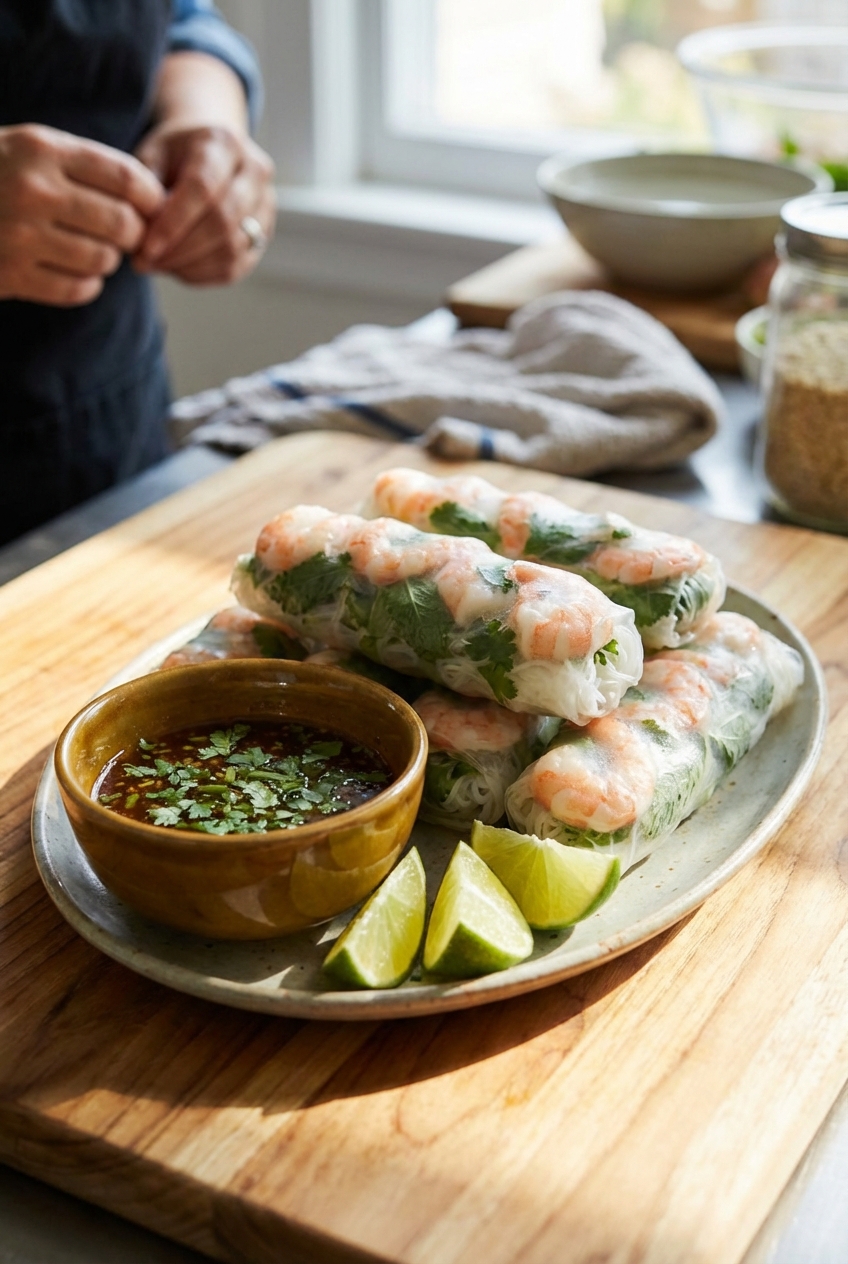
  • Flexible ingredients: Swap chicken for tofu or shrimp, and use whatever quick-cooking vegetables you have.

Pairs Well With

Storage Tips

Cool it fast: Let curry cool for about 20 to 30 minutes, then store. Do not leave it out longer than 2 hours.

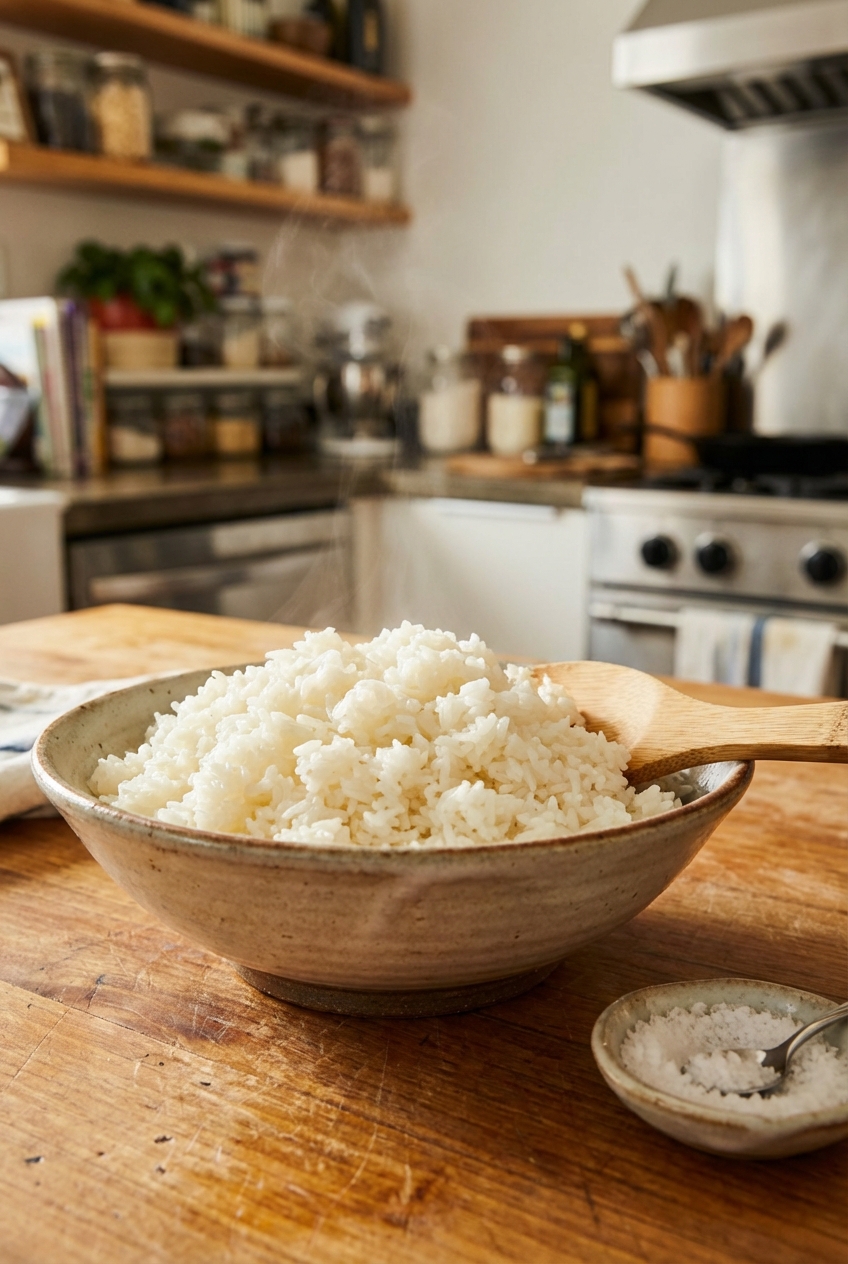
  • Fridge: Store in an airtight container for up to 4 days. Keep rice separate if you can, so it does not soak up all the sauce.
  • Freezer: Freeze up to 2 months. Coconut-based curries can separate a bit after freezing, but they come back together when reheated gently.
  • Reheat: Warm on the stovetop over medium-low, stirring often. If it looks thick, loosen with a splash of water or broth. Finish with a fresh squeeze of lime and a few basil leaves to revive the flavor.

Note: If you used shrimp, it reheats best gently and quickly. Overcooking makes it rubbery.

Common Questions

Is Thai green curry supposed to be spicy?

It can be. Green curry often runs hotter than red curry because of fresh green chilies in the paste. Start with less paste, taste, then add more. You can always increase heat, but it is annoying to walk it back.

What if my curry tastes flat?

It almost always needs one of these: salt (fish sauce), acid (lime), or a tiny touch of sweetness (brown sugar). Add one at a time, taste, repeat.

Can I make it vegetarian?

Yes. Swap chicken for tofu or chickpeas, use soy sauce or vegan fish sauce in place of fish sauce, and double down on vegetables.

What vegetables work best?

Anything that cooks quickly and stays crisp: bell pepper, zucchini, snap peas, green beans, baby corn, mushrooms, or spinach (stir in at the end).

Why does the recipe fry the curry paste first?

That quick fry wakes up the aromatics and removes the “raw paste” taste. It is the difference between decent curry and “wait, you made this at home?” curry.

The first time I tried to make green curry at home, I treated the curry paste like it was a delicate little ingredient that needed gentle handling. I basically stirred it into coconut milk and hoped for the best. The result was… fine. Comforting, but blurry around the edges.

Then I learned the move: fry the paste in coconut cream until your kitchen smells like you accidentally opened a tiny Thai café. Ever since, this has been my “I want something exciting but I also want to be on the couch soon” dinner. It is weeknight chaos in the best way, especially when I keep tasting and adjusting until it is punchy, balanced, and just spicy enough to make me sip my drink a little faster.