Mom's Best Recipes
Recipe

Fluffy Biscuit Recipe

Tall, tender, and unapologetically buttery biscuits with crisp edges and cloud-soft centers. No fancy flour, no drama, just a reliable method you can count on.

Author By Matt Campbell
4.9 (1,284)
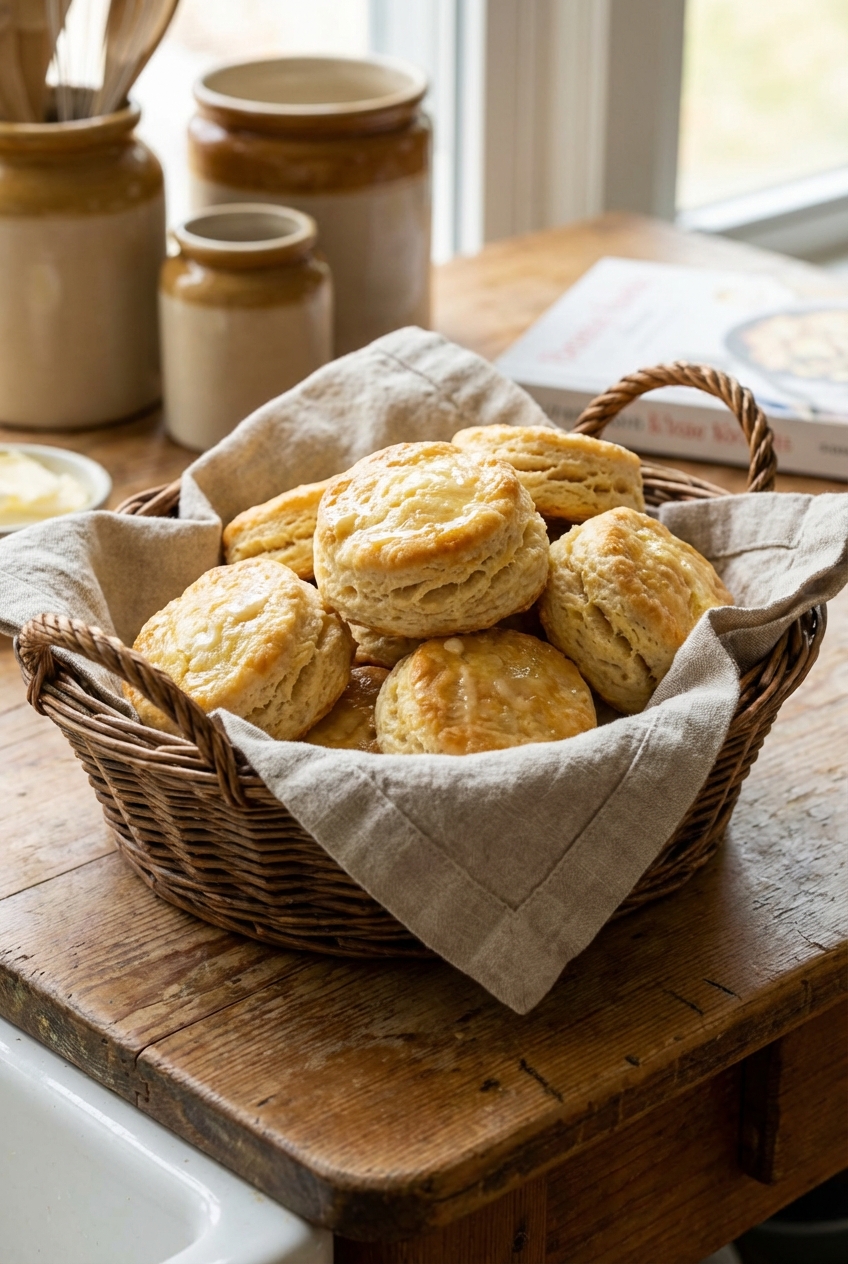
A basket of golden, flaky buttermilk biscuits lined with a linen towel on a wooden kitchen table, with melted butter brushed on top

If you have ever bitten into a biscuit that felt like a dinner roll in disguise, we are fixing that today. These biscuits are fluffy, buttery, and soft, with those crisp, golden edges that make you reach for “just one more.” The ingredient list is simple, the steps are clear, and the secret is not a secret at all: keep everything cold, handle the dough gently, and fold for layers.

This is my kind of baking. Slightly chaotic in a fun way, extremely rewarding, and built for real life. You can make these for a weekend breakfast, a soup night upgrade, or as your emergency “I need carbs and comfort” plan. Tasting as you go is encouraged, but maybe save that for the honey butter.
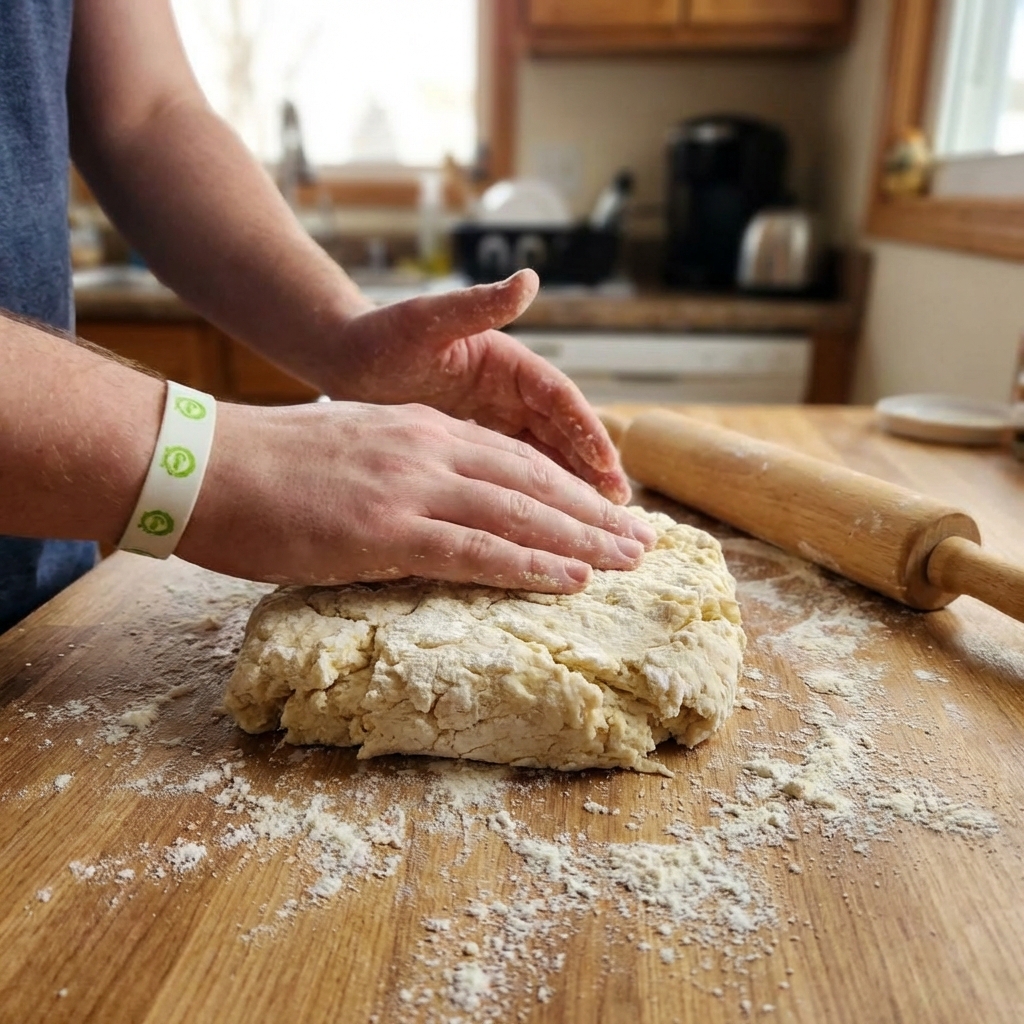
Hands patting biscuit dough into a rectangle on a lightly floured counter with a rolling pin nearby

Why It Works

  • Big rise, soft middle: Lift comes from a team effort: baking powder and soda plus steam from the liquid and water in the butter.
  • Flaky layers without fuss: A quick fold or two gives you that pull-apart texture without turning your kitchen into a pastry lab.
  • Buttery flavor that actually shows up: Butter goes in the dough and on top. No regrets.
  • Accessible ingredients: All-purpose flour and basic pantry staples. Buttermilk is ideal, but I also give you an easy swap.

Pairs Well With

Storage Tips

Room temperature: Store cooled biscuits in an airtight container up to 2 days. Add a paper towel in the container to help manage moisture.

Refrigerator: Safe, but not my favorite because it dries them out. If you need to, store up to 3 days and rewarm gently.

Freezer (best option): Freeze fully cooled biscuits in a zip-top bag for up to 2 months. Thaw at room temp or microwave for 20 to 30 seconds, then crisp in a 350°F oven for 5 to 8 minutes.

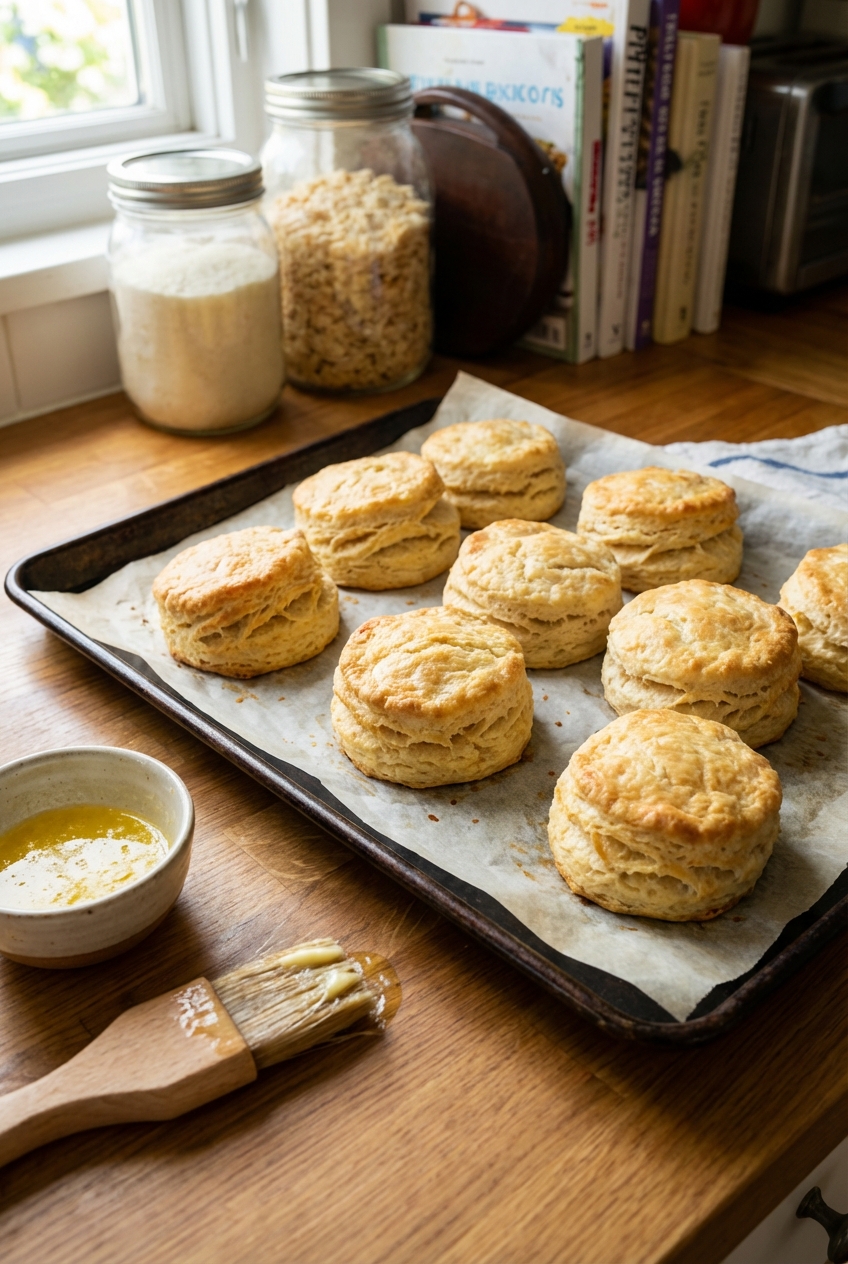
Reheating tip: Wrap in foil and warm at 350°F for 8 to 10 minutes, then open the foil for the last 2 minutes if you want the edges to perk back up. Brush with a little melted butter to revive that fresh-baked vibe.

Common Questions

Why didn’t my biscuits rise?

The usual suspects are warm butter, overmixed dough, or old baking powder. Also, when you cut biscuits, press straight down. Twisting the cutter can seal the edges and limit lift. And a quick reminder: lift comes from a combo of chemical leaveners (baking powder and soda) and steam from the liquid and water in the butter.

Can I make these without buttermilk?

Yes. Mix 1 cup milk with 1 tablespoon lemon juice or white vinegar. Let it sit 5 minutes, then use it like buttermilk. It works in a pinch, but the flavor and texture will be a little different since real buttermilk is cultured and thicker.

Should biscuits touch on the baking sheet?

If you want taller, softer sides, place them close together so they just touch. If you want crispier edges all around, space them out. I usually do “barely touching” because it gives you the best of both.

Can I use a rolling pin?

You can, but be gentle. I prefer patting the dough to keep it tender. If you roll, do it lightly and stop at about 3/4-inch thick.

Can I make the dough ahead?

Yes. Cut the biscuits, freeze them solid on a sheet pan, then store in a freezer bag. Bake from frozen, adding 3 to 7 minutes to the bake time. Watch for color and that light, puffed look.

The first time I tried to make biscuits as a teenager, I treated the dough like pizza dough and kneaded it like it owed me money. The result was… edible, technically. Since then, I have learned the biscuit truth: less muscle, more chill. Cold butter, quick hands, and a couple of folds turn a humble bowl of flour into something you would happily serve at a holiday table. Now I make these when I want the kitchen to smell like comfort and butter, which is often.