Mom's Best Recipes
Recipe

Fluffy Cooked Barley

Tender, chewy barley with separate grains and big cozy energy. A simple stovetop method that works for salads, soups, bowls, and meal prep.

Author By Matt Campbell
4.8
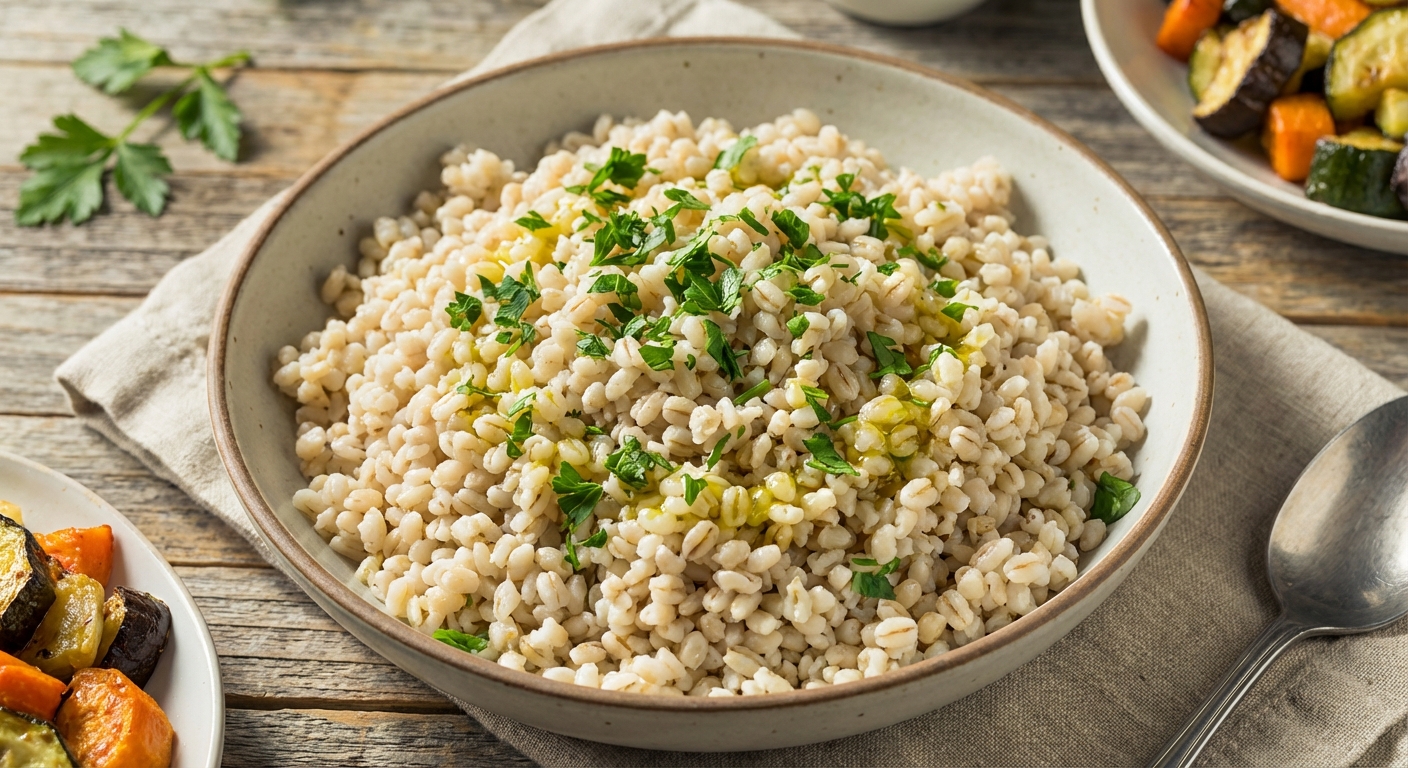
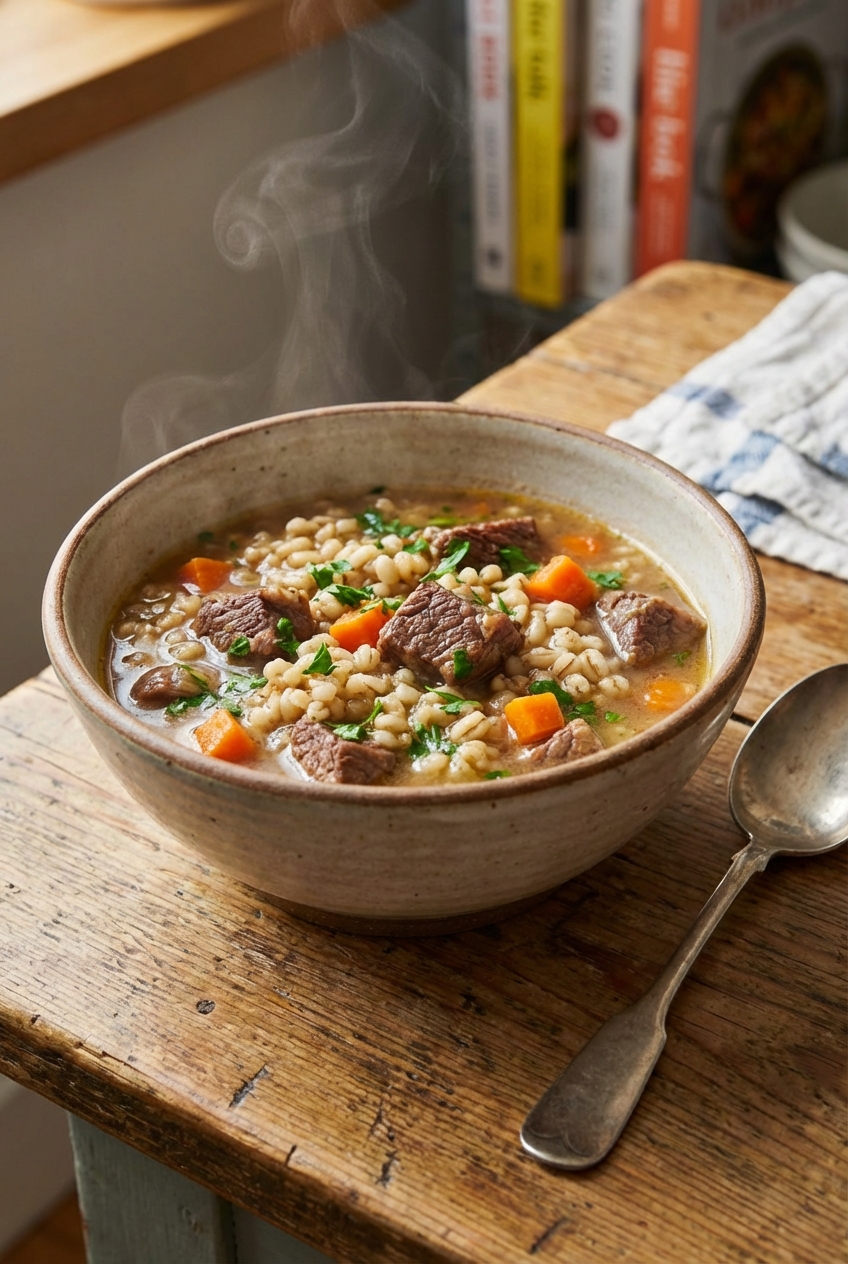
A bowl of fluffy cooked pearl barley with separate grains, garnished with chopped parsley on a wooden table

Barley is one of those quietly-overachieving pantry staples. It is affordable, filling, and has that pleasantly chewy bite that makes a bowl feel like a meal. The only problem is that barley can go from “fluffy and separate” to “sadly starchy” if you cook it like rice and then get distracted.

This recipe is my weeknight-friendly, low-drama method for fluffy cooked barley that behaves itself. You get tender grains that are not gummy, plus a simple finishing step that makes the texture pop. Use it as a base for roasted veggies, fold it into a salad, stir it into soup, or do what I do late at night and turn it into something suspiciously impressive with whatever is in the fridge.
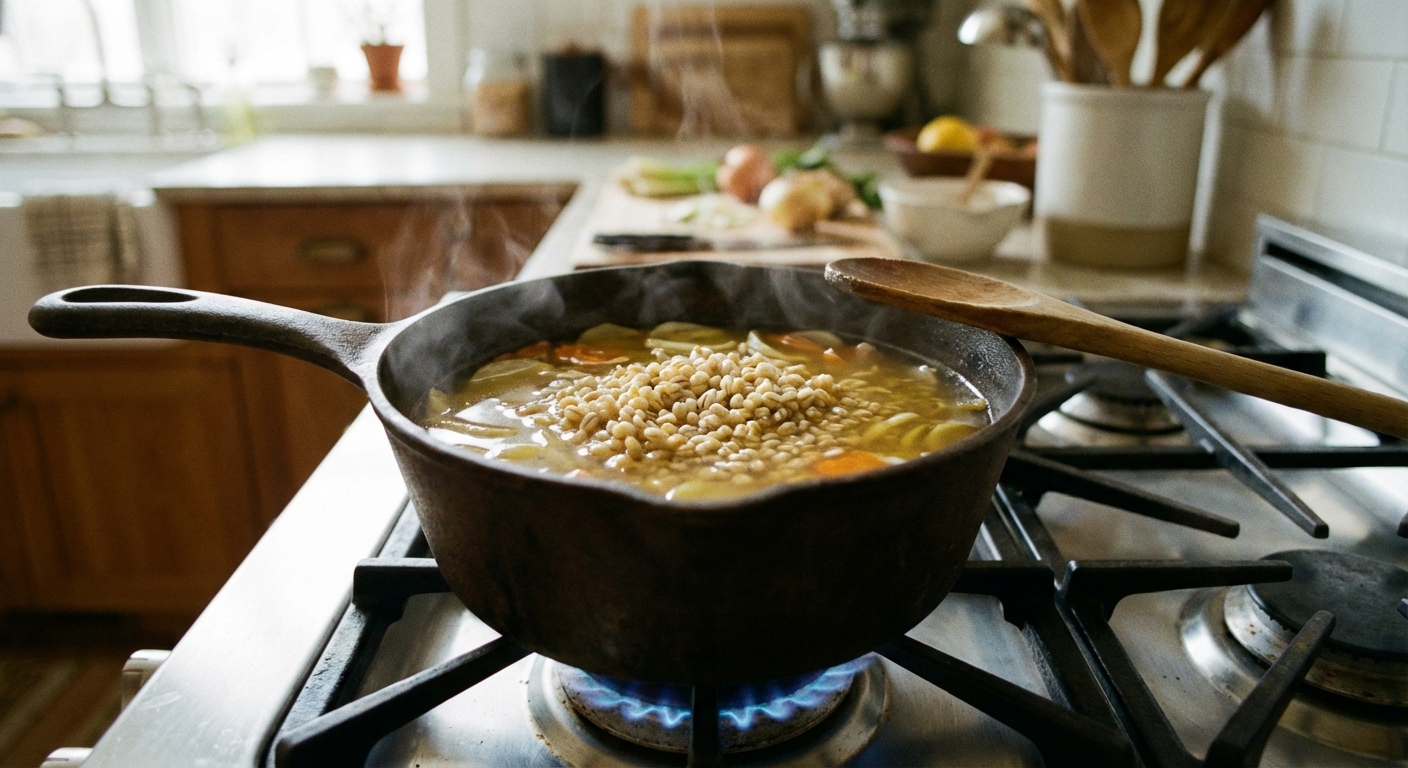
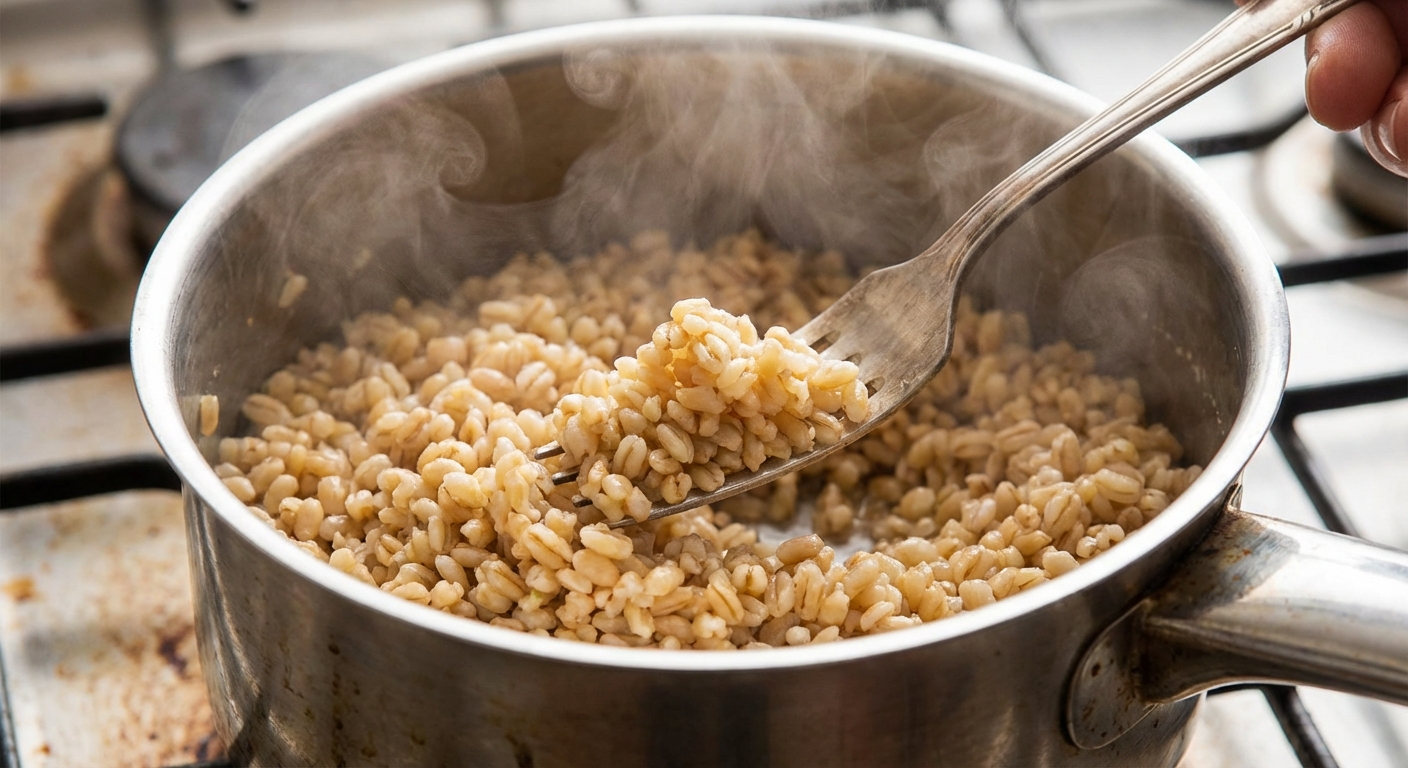
A saucepan on the stove with barley simmering gently in clear broth

Quick note: Barley contains gluten, so it is not gluten-free.
Why It Works

  • Rinse plus a generous water ratio keeps the grains from clumping and helps wash away extra surface starch.
  • Cook like pasta, then drain is the secret to barley that is tender but not gluey.
  • Steam-dry in the hot pot for a few minutes after draining so the grains firm up and stay separate.
  • Salt early, finish with fat for flavor that tastes intentional, not like plain “health food.”

Storage Tips

How to Store Leftover Barley

Cooked barley is meal prep gold. Here is how to keep it tasting fresh.

Food safety note: Cool barley quickly and refrigerate within 2 hours (sooner is better). Reheat until steaming hot.

Refrigerator

  • Cool completely, then store in an airtight container for up to 5 days.
  • If it seems dry on day 3 or 4, splash in a teaspoon of water and fluff before serving.

Freezer

  • Freeze in flat layers in zip-top bags or in portioned containers for up to 3 months.
  • Thaw overnight in the fridge or warm straight from frozen in a skillet with a splash of water or broth.

Best Reheating Methods

  • Microwave: Add a splash of water, cover loosely, heat in 30-second bursts, fluff.
  • Skillet: Warm with olive oil or butter for slightly crisp edges.
  • Soup upgrade: Stir in at the end so it stays pleasantly chewy.

Common Questions

FAQ

Is pearl barley the same as hulled barley?

No. Pearl barley has the outer bran partially removed, so it cooks faster and is what most grocery stores carry. Hulled barley is more intact and takes longer, but has a nuttier bite.

Can I use this method for hulled barley?

Yes, but plan on a longer simmer. Start checking around 45 minutes and expect closer to 45 to 70 minutes depending on freshness, brand, and whether it was soaked. Go by texture: tender and pleasantly chewy, not crunchy in the center. The drain-and-steam-dry step still applies.

Why drain barley instead of using an exact water amount?

Because barley is a little wild. Cooking it in plenty of water, then draining, helps prevent gummy texture and makes the timing more forgiving. You are basically giving yourself a bigger margin of error, which is my favorite kitchen tool.

Do I have to rinse barley?

I strongly recommend it. A quick rinse removes extra starch and any pantry dust, and it helps the grains cook up more separate.

Can I cook barley in broth?

Absolutely. You can replace part or all of the water with broth. Just keep the liquid plentiful so you can still drain at the end.

Is barley gluten-free?

No. Barley contains gluten, so it is not safe for people with celiac disease or a gluten intolerance.

How do I make it taste less plain?

Finish with one of these: olive oil and lemon, butter and herbs, toasted nuts, feta, a spoon of pesto, or a little soy sauce plus sesame oil. Barley loves bold friends.

Can I cook barley with an absorption method (no draining)?

Yes. Use 1 cup pearl barley to 3 cups water or broth. Bring to a boil, then cover and simmer gently for 35 to 45 minutes until tender and the liquid is absorbed. Rest off heat for 5 minutes, then fluff. I still prefer the pasta method for the most reliably separate grains.

I started cooking barley because I wanted a “responsible” base for grain bowls. Then I realized it is basically the cozy sweater of carbs: not flashy, but it shows up, does the job, and makes everything feel more put-together than it should. The first few times I made it, it leaned a little porridge-adjacent. Now I cook it like pasta, drain it, let it steam itself dry, and suddenly barley is fluffy, separable, and ready to be tossed with whatever I found in the crisper drawer at 11:47 pm.