Mom's Best Recipes
Recipe

Best Focaccia Recipe (Fluffy + Olive Oil Rich)

Crisp edges, pillowy middle, and that golden olive oil “fried” bottom. This no-fuss focaccia is weeknight-friendly, beginner-safe, and dangerously snackable.

Author By Matt Campbell
4.9
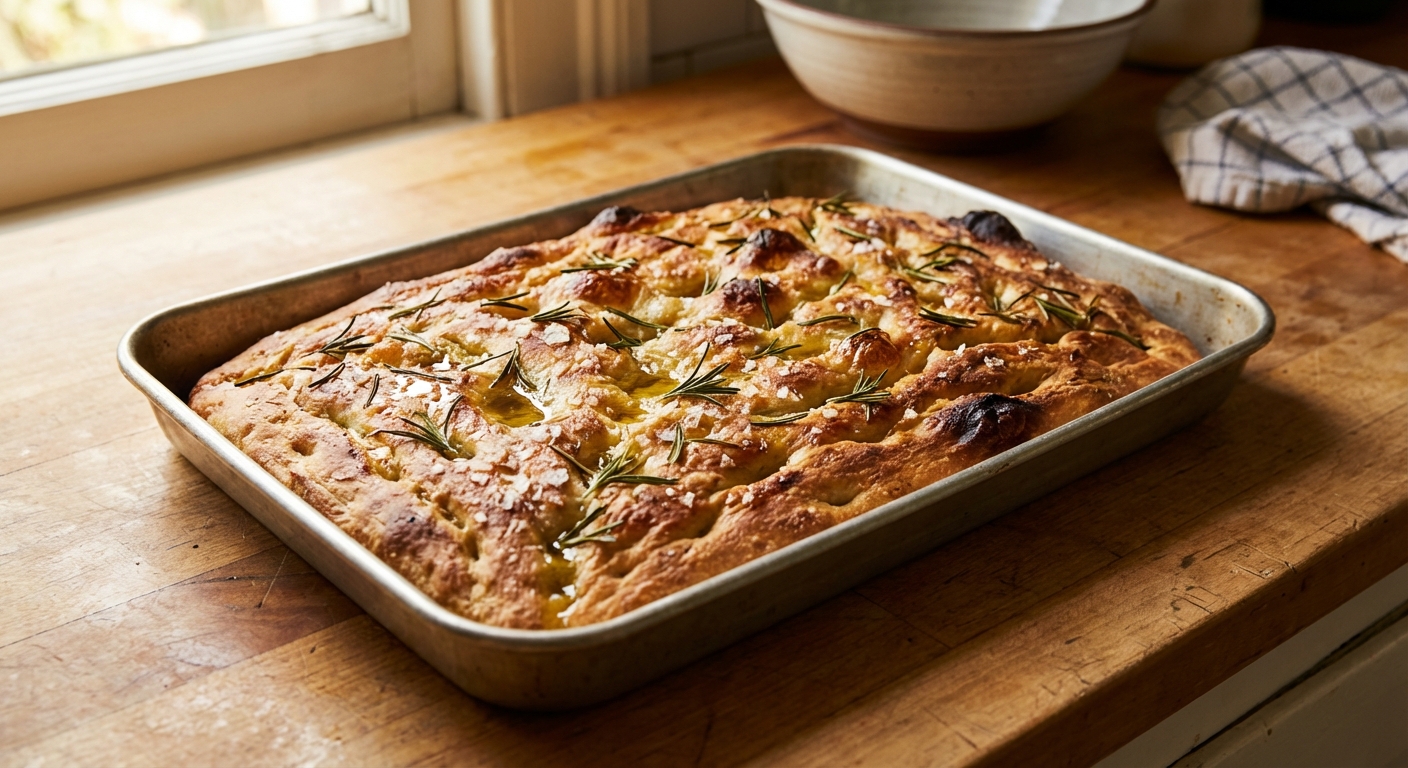
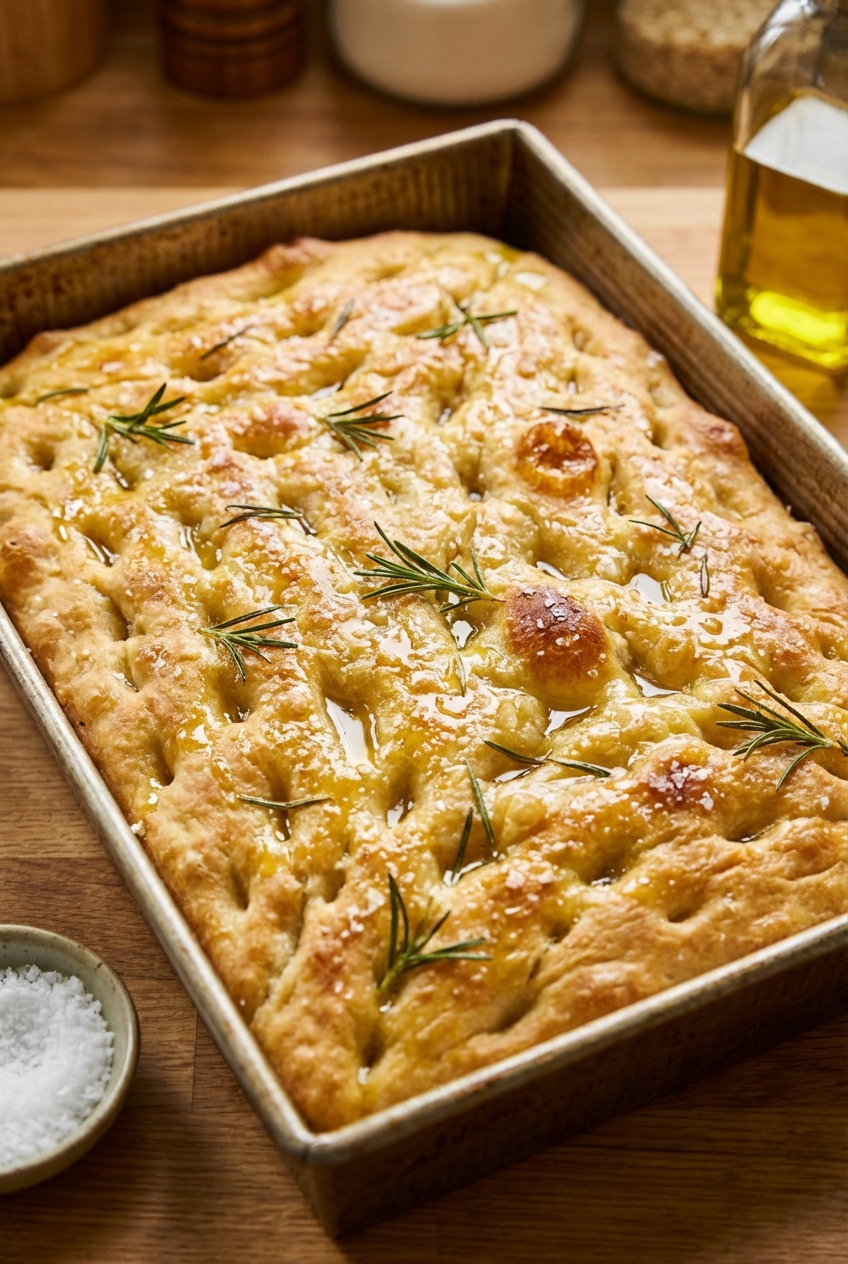
A golden baked focaccia in a metal pan with dimpled surface, flaky salt, and rosemary, glistening with olive oil

If you have ever eaten focaccia that felt like a dry dinner roll pretending to be bread, I am here to gently fix that. This is the fluffy, olive oil rich focaccia that lands somewhere between cozy and show-off, with a crackly, golden bottom and a soft center that basically begs for sandwich duty.

The whole vibe is simple: a wet, forgiving dough, a patient rise, and a generous pour of good olive oil so the crust gets almost pan-fried. Add rosemary if you want the classic move, or go rogue with whatever you have that needs using up.
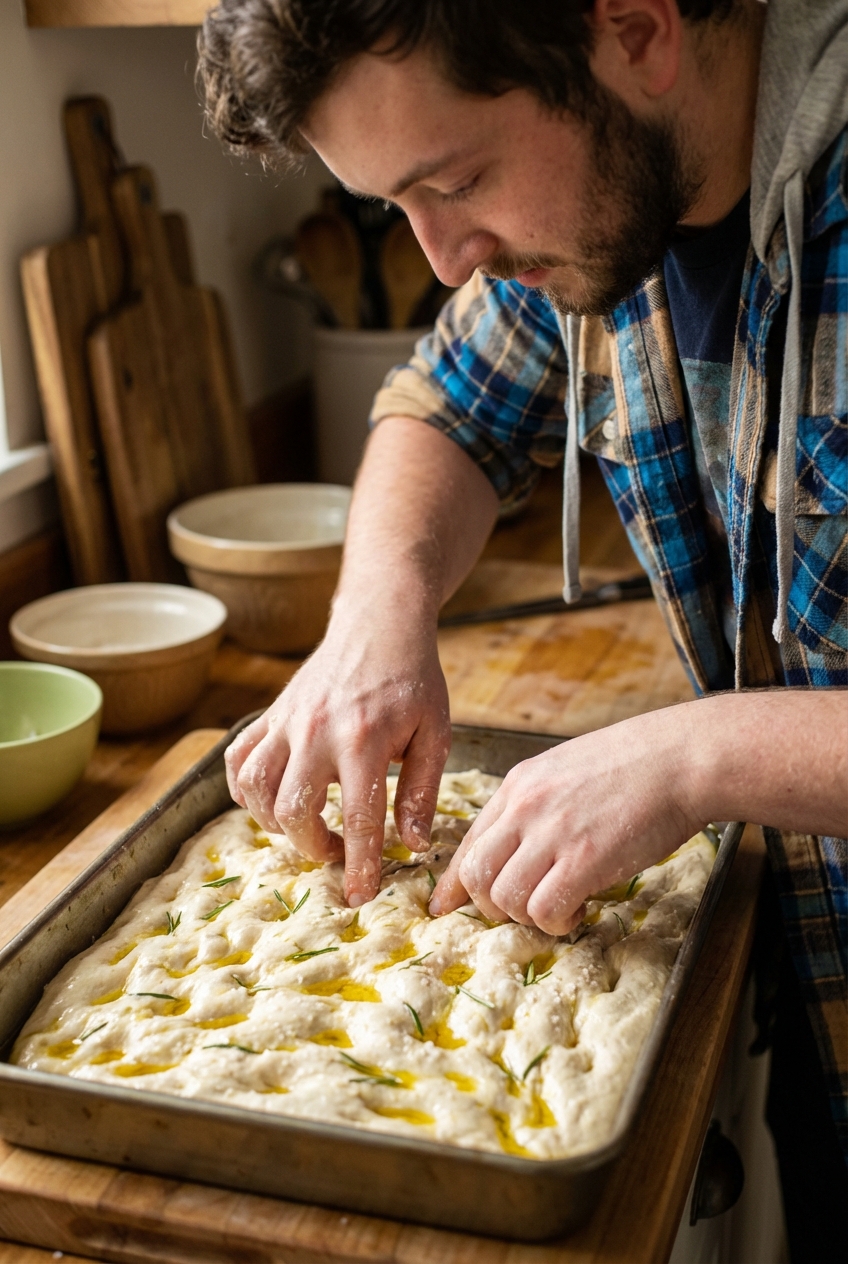
Hands dimpling focaccia dough in an oiled baking pan with olive oil pooling in the dimples

Why It Works

  • Cloud-soft crumb: A higher-hydration dough plus a long rise makes the interior fluffy, not dense.
  • Crisp, flavorful crust: Oil in the pan and on top gives you those crispy edges and a rich olive oil bite.
  • Beginner-friendly dough: No kneading marathon. A few quick folds build strength with minimal effort.
  • Flexible timing: Make it same-day or do an overnight cold rise for even better flavor.

Pairs Well With

Storage Tips

Best day to eat it: Same day, when the crust is loud and the crumb is at its fluffiest.

  • Room temp (1 to 2 days): Wrap tightly in foil or keep in an airtight container. If the crust softens, re-crisp in a 375°F oven for 6 to 10 minutes.
  • Fridge (up to 4 days): I only do this if your kitchen runs warm. Warm slices in a toaster oven or skillet with a tiny splash of olive oil.
  • Freezer (up to 2 months): Slice first, then wrap individual pieces and freeze in a bag. Reheat from frozen at 375°F for 10 to 14 minutes.

Pro move: To revive a slice fast, heat a skillet over medium, add a teaspoon of olive oil, and toast the cut side until crisp. Instant comeback.

Common Questions

Can I make focaccia without a stand mixer?

Yes. This dough is perfect for hand mixing. Stir with a wooden spoon until shaggy, then do a few rounds of folds during the first rise to build structure.

Why is my focaccia dense?

The usual culprits are under-proofing (not risen enough), using too much flour, or water that was too hot and weakened the yeast. The dough should look jiggly and full of bubbles before baking.

Do I have to dimple it?

Yes, and it is the fun part. Dimples help the dough rise evenly and create little olive oil pockets that bake into flavor.

Can I do an overnight rise?

Absolutely. After the first room-temp rise, cover and refrigerate 8 to 24 hours. Let the dough sit at room temp about 60 to 90 minutes before dimpling and baking.

What pan is best?

A metal 9x13 pan gives the crispiest bottom. Glass works but browns more gently. Cast iron is great for a thicker, extra-crispy focaccia.

Can I reduce the olive oil?

You can, but the recipe is built around that rich crust. If you must, reduce by a couple tablespoons, not by half, or you will lose the signature crisp edges.

I started making focaccia because I wanted restaurant bread energy at home without turning my kitchen into a flour tornado. The first time it actually worked, it was not the height that got me, it was the sound. That little crackle when you pull it from the pan, and the smell of olive oil and rosemary doing their thing.

Now it is my go-to when friends come over because it feels fancy, but it is secretly low drama. You can be imperfect here. If your dimples are chaotic, congrats, you are doing it right.