Mom's Best Recipes
Recipe

Freezer-Friendly Turkey Gravy

Rich, silky, make-ahead gravy that freezes beautifully and reheats like you just whisked it on the spot.

Author By Matt Campbell
4.8
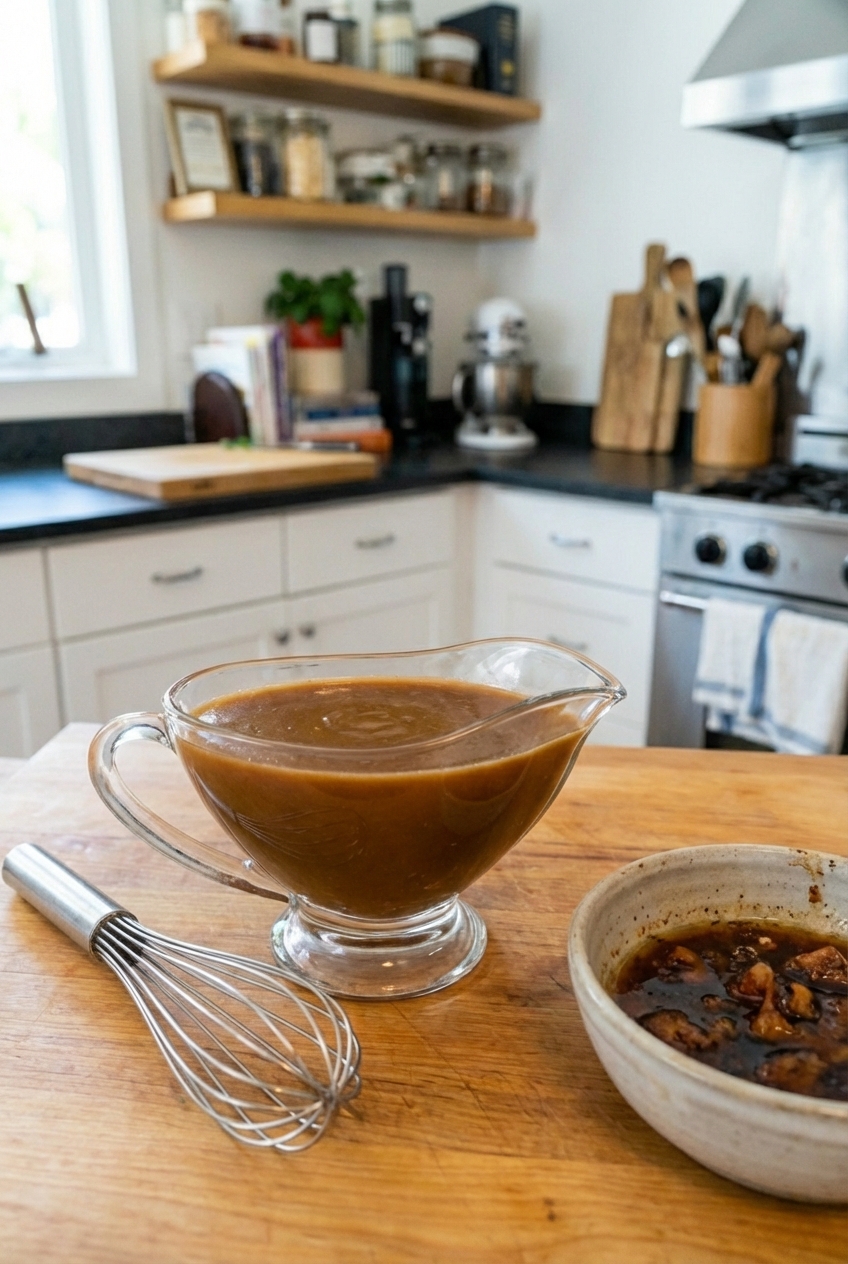
A glass gravy boat filled with glossy turkey gravy on a wooden table with a whisk and roasted turkey drippings nearby

Thanksgiving is basically one long group project where the grade depends on one thing: gravy. Not the kind that tastes like floury beige water, but the bold, velvety, rich stuff that makes mashed potatoes feel like they’re wearing a cashmere sweater.

This is my freezer-friendly turkey gravy that you can make days or weeks ahead, stash away, and reheat without it going weird or turning gummy. It is deeply savory, glossy, and just peppery enough to keep everything on the plate interesting. Bonus: it gives you breathing room on the big day, which is honestly the most luxurious ingredient of all.
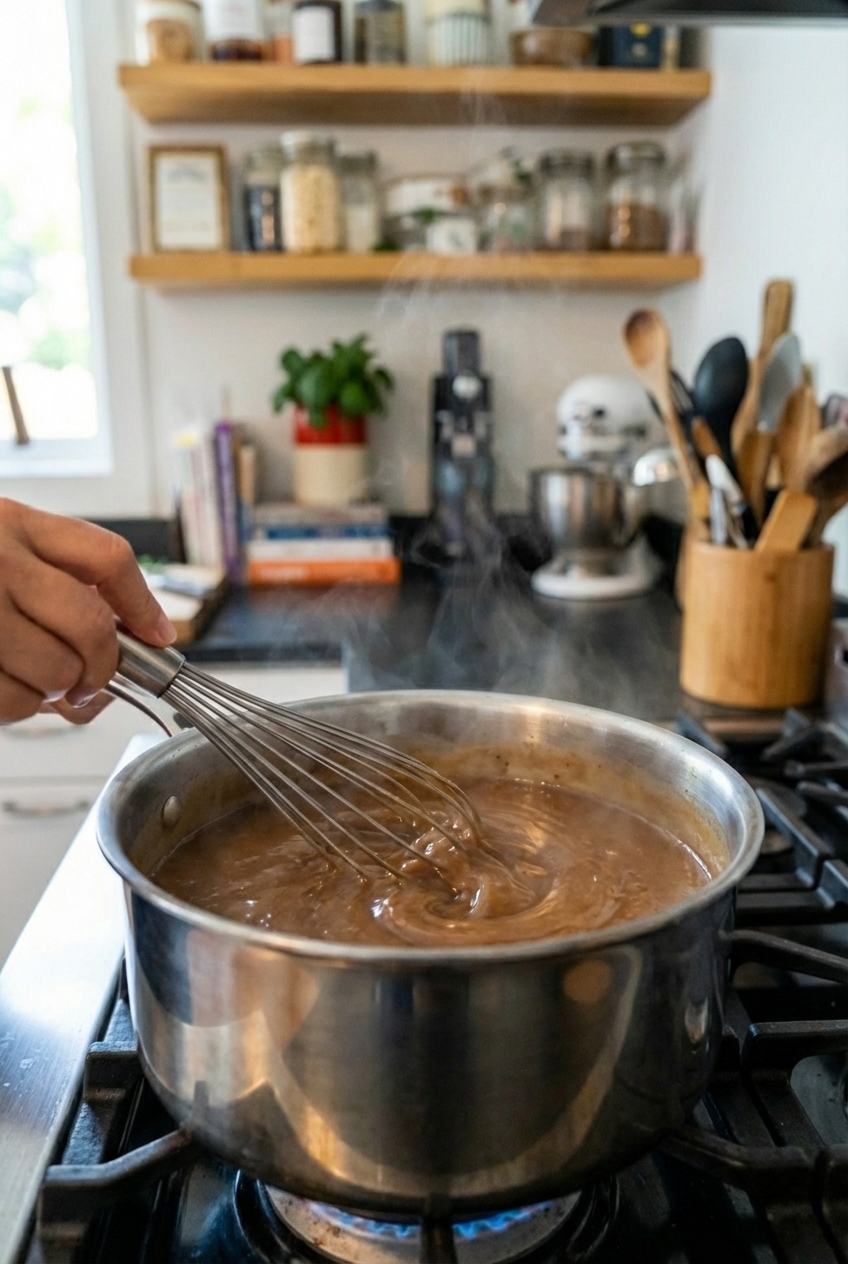
A saucepan of turkey gravy being whisked until smooth on a stovetop

Why It Works

  • Velvety texture that survives freezing: A roux-based gravy reheats smoothly when you warm it gently and whisk like you mean it.
  • Bold, balanced flavor: Turkey drippings (or butter), good stock, a splash of Worcestershire, and a little soy bring the savory depth without tasting “soy sauce-y.”
  • Flexible for whatever Thanksgiving throws at you: Make it with drippings if you have them, or make it completely ahead with stock and butter, then finish with drippings or pan juices on the day.
  • No last-minute panic: Freeze flat in bags for quick thawing, or portion into cubes so you can heat exactly what you need.

Pairs Well With

Storage Tips

How to Store and Freeze

Fridge: Cool gravy quickly, then refrigerate in an airtight container for up to 4 days. This assumes prompt chilling and a reliably cold fridge.

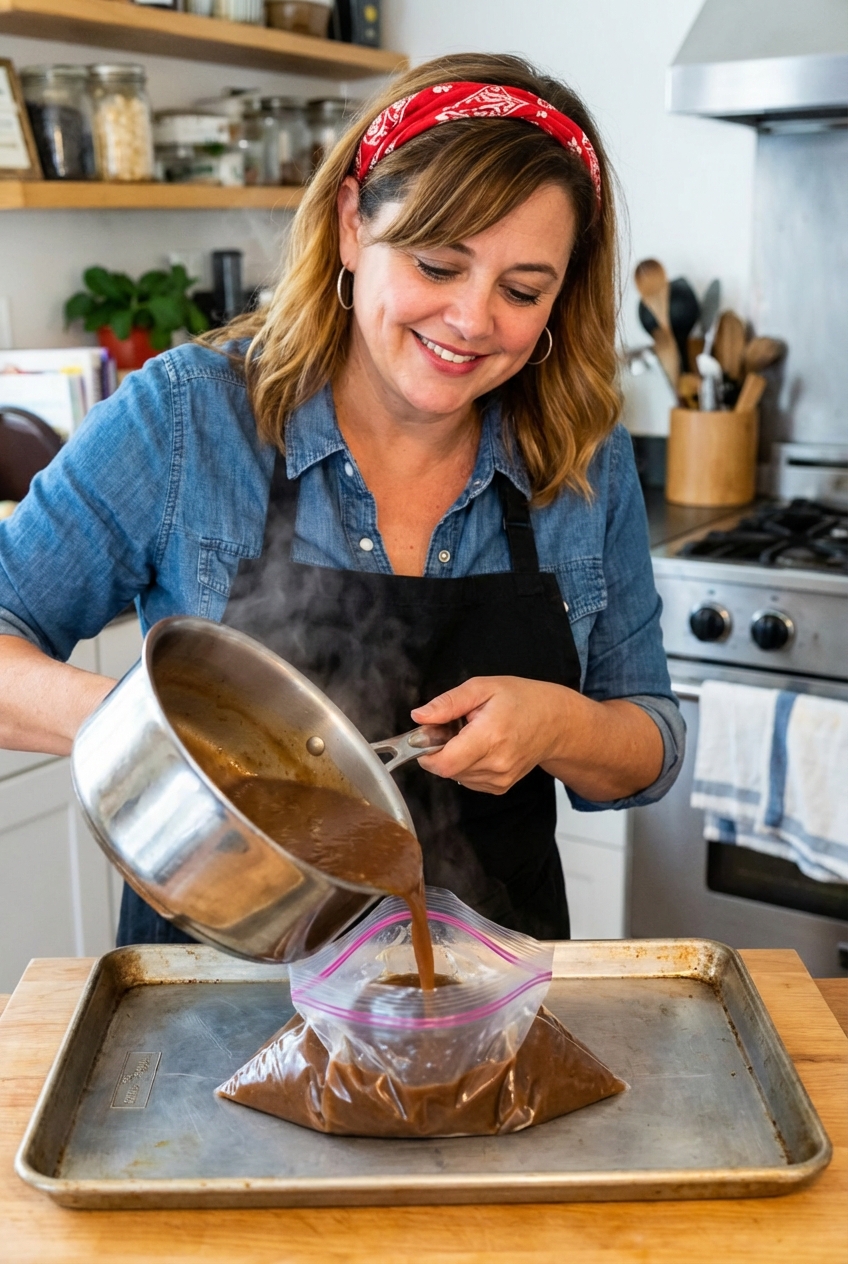
Freezer (best method): Pour cooled gravy into freezer bags, press flat, and freeze. Flat bags stack like files and thaw fast. Freeze for up to 3 months for best flavor and texture. Label and date it.

Portion option: Freeze gravy in silicone muffin cups or ice cube trays, then pop out and store in a bag. Great when you only need a little for leftovers.

Reheating without wrecking the texture

  • Stovetop is king: Warm over low to medium-low heat, whisking often. A gentle simmer is fine.
  • If it looks thick or stodgy: Whisk in warm stock (or water), 1 tablespoon at a time, until it flows like gravy again.
  • If it separates (rare, but it happens): Pull it off the heat and whisk hard. If needed, whisk in 1 to 2 teaspoons warm stock or water to bring it back together.
  • Microwave: Use 50 percent power in short bursts, stirring between each. Gravy hates being microwaved on full power.

Common Questions

Common Questions

Does gravy really freeze well?

Yes, especially roux-based gravy. The key is gentle reheating and whisking. A simmer is fine, but avoid letting it rage-boil or reduce aggressively, which can make it too thick or a little grainy.

What if I do not have turkey drippings yet?

No problem. Make this gravy with butter and stock now, freeze it, then on Thanksgiving whisk in a few spoonfuls of hot drippings while reheating for that fresh-roast flavor. If you have defatted pan juices (the browned, flavorful liquid), you can also swap some stock for those while reheating.

Can I make it gluten-free?

You can, but freezing can be a little trickier depending on the thickener. For a freezer-friendly gluten-free option, use a gluten-free all-purpose flour blend in the roux (one that is meant for 1:1 swapping) and reheat gently. Also use tamari instead of soy sauce and make sure your Worcestershire is gluten-free (and check labels if you avoid anchovies).

How do I fix gravy that is lumpy?

Whisk aggressively while heating. If lumps are winning, blend with an immersion blender for 10 to 15 seconds, or strain through a fine mesh sieve. No shame in the sieve game.

How salty should it be before freezing?

Keep it slightly under-salted before freezing. Salt perception can shift after reheating, and drippings added later can be salty too. You can always adjust at the end.

The first time I hosted a Thanksgiving-style dinner, I treated gravy like an afterthought. I figured I would “just do it quick” while everything else finished. Reader, the gravy fought back. It was lumpy, thin, and I spent the last 20 minutes before dinner sweating over a whisk like it owed me money.

Now I make gravy ahead on purpose. It is calmer, richer, and honestly better because you can taste, adjust, and build real depth. Freezing it is my favorite move because it feels like cheating in the nicest way: future-me gets a silky sauce with zero chaos.