Mom's Best Recipes
Recipe

French Madeleines

Light, shell-shaped cakes with crisp edges, tender centers, and simple glazes that make them feel bakery-level at home.

Author By Matt Campbell
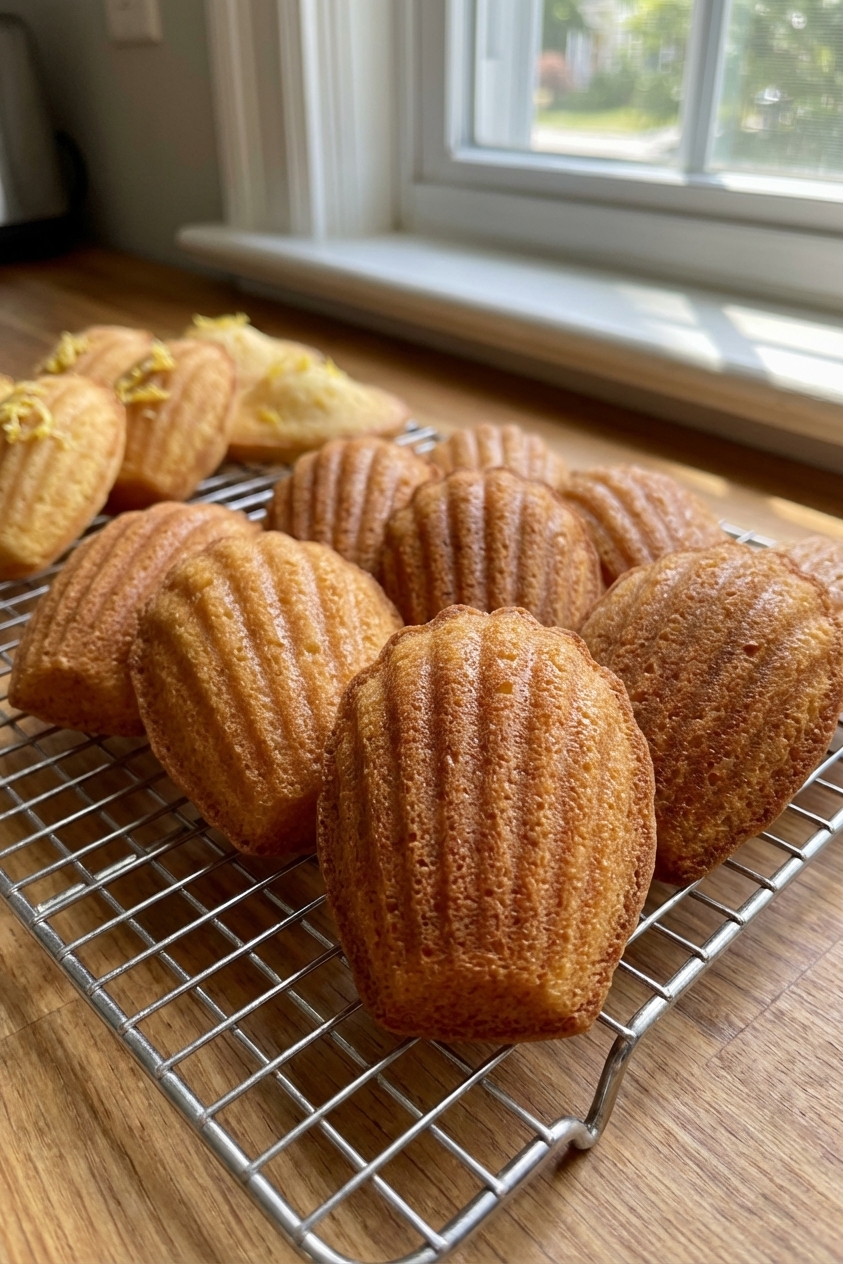
A close-up photo of golden French madeleines with defined shell ridges cooling on a wire rack, with a few lemon-zested madeleines in the background, natural window light

Madeleines are the little French cakes that feel fancy, but bake like a weeknight muffin situation. They’re light and spongy like a genoise, with crisp edges and that signature shell shape that makes you look like you totally have your life together.

This recipe keeps ingredients basic and instructions clear, with two upgrades when you want them: brown butter for nutty depth, and a quick lemon or chocolate glaze for a shiny finish. I’m also giving you the real-world tips that matter, like how to prep the pan so your shells release cleanly, and how to revive day-two madeleines so they taste fresh again.

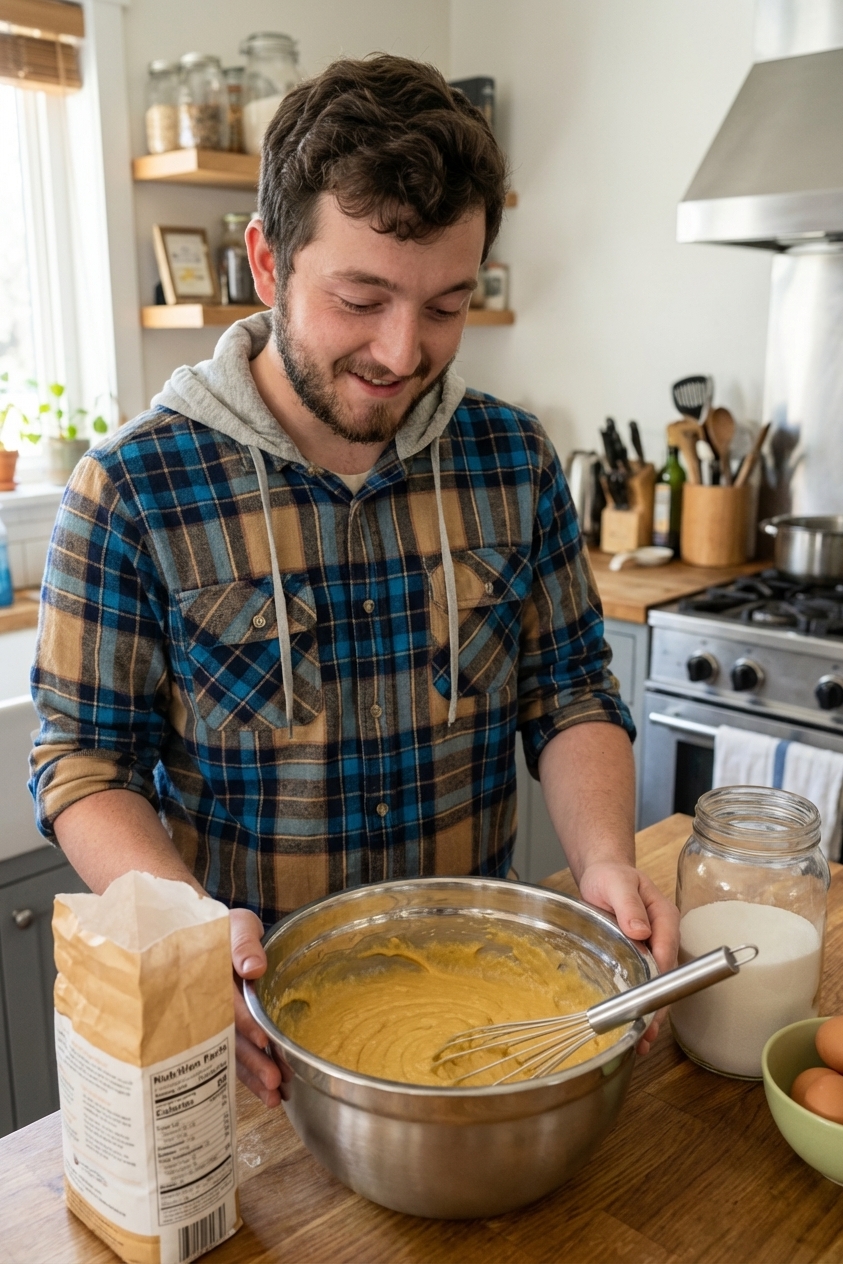
A realistic photo of madeleine batter in a metal mixing bowl with a whisk resting on the rim, with flour and sugar nearby on a home kitchen counter

Why It Works

  • Genoise-style lift without drama: Whipping the eggs and sugar until pale and thick builds the structure, so you get that airy, tender crumb.
  • Crisp edges, soft centers: A hot oven start helps the outside set quickly while the inside stays plush.
  • Better flavor with one optional step: Brown butter adds a toasty, hazelnut vibe that makes plain madeleines taste like the best bakery version.
  • Shell definition that actually shows: Properly buttering and flouring the pan, plus chilling the batter, helps the ridges bake up clean and pretty.
  • Day-two plan included: A quick warm-up brings back the “just baked” texture, because madeleines wait for no one.

Pairs Well With

Storage Tips

How to Store Madeleines

Madeleines are at their best the day they’re baked, when the edges are crisp and the centers are fluffy. That said, you can keep them tasty for a couple of days with the right storage.

Room temperature (best for 1 to 2 days)

  • Cool completely, then store in an airtight container.
  • Pro tip: Tuck a paper towel into the container (under or over the madeleines) to absorb excess moisture, which helps prevent tacky tops on day two.
  • If glazed, let the glaze set fully before stacking. Use parchment between layers.
  • Keep at cool room temp, away from heat and sunlight.

Freezer (best for longer storage)

  • Freeze unglazed madeleines in a single layer until firm, then transfer to a freezer bag.
  • They keep well for up to 2 months.
  • Thaw at room temperature, then refresh in the oven.

How to refresh day-two texture

  • Oven method: Warm at 300°F for 4 to 6 minutes. This perks up the crumb and brings back a little edge crispness.
  • Air fryer method: 300°F for 2 to 3 minutes, check early.
  • Microwave (last resort): 8 to 10 seconds. Softens them fast, but you lose the crisp edges.

Common Questions

Common Questions

Do I really need a madeleine pan?

For the classic shell shape, yes. You can bake the batter in a mini muffin tin in a pinch, but you’ll get “tiny sponge cakes,” not true madeleines.

Why do madeleine recipes chill the batter?

Chilling gives the batter time to rest, lets the flour fully absorb moisture, and firms up the butter. It also sets you up for a better rise when the cold batter hits a hot oven. Even 30 to 60 minutes helps. Overnight is great if you’re planning ahead.

How do I get the little “bump”?

The bump usually comes from a well-aerated batter plus a good hot-oven start, often helped by chilled batter (and sometimes a chilled pan). Whip the eggs and sugar until thick, chill the batter, and bake in a fully preheated oven. It’s not a single magic trick, but that combo is the most reliable.

Can I make these with brown butter?

Absolutely, and I recommend it. Brown the butter, then let it cool until just warm before using. If it’s hot, it can deflate the batter.

Why did my madeleines stick?

Usually it’s pan prep. Butter every ridge, then dust with flour and tap out the excess. Even nonstick pans often need this for madeleines. If your pan is prone to sticking, chill the greased pan for 5 to 10 minutes before filling. Also, let them cool 1 to 2 minutes, then gently turn them out. Waiting too long can make them cling.

Can I add flavors like orange or almond?

Yes. Swap lemon zest for orange zest, add 1 to 2 tablespoons of finely chopped toasted nuts, or replace 1/4 to 1/2 teaspoon of the vanilla with almond extract (to taste). Keep add-ins light so the cakes stay airy.

The first time I baked madeleines, I thought they were going to be fussy in a “don’t breathe near the batter” way. Turns out, they’re more like that friend who seems high-maintenance but just wants you to show up on time. Whip the eggs properly, prep the pan like you mean it, and don’t skip the chill. Suddenly you’re pulling out a tray of buttery little shells that make the whole kitchen smell like you live above a French bakery. I like mine with lemon zest when I want bright and snacky, and brown butter plus chocolate glaze when I want cozy and dramatic.