Mom's Best Recipes
Recipe

French Onion Chicken

A one-skillet dinner with golden chicken, sweet caramelized onions, and melty cheese in a savory pan sauce.

Author By Matt Campbell
4.8
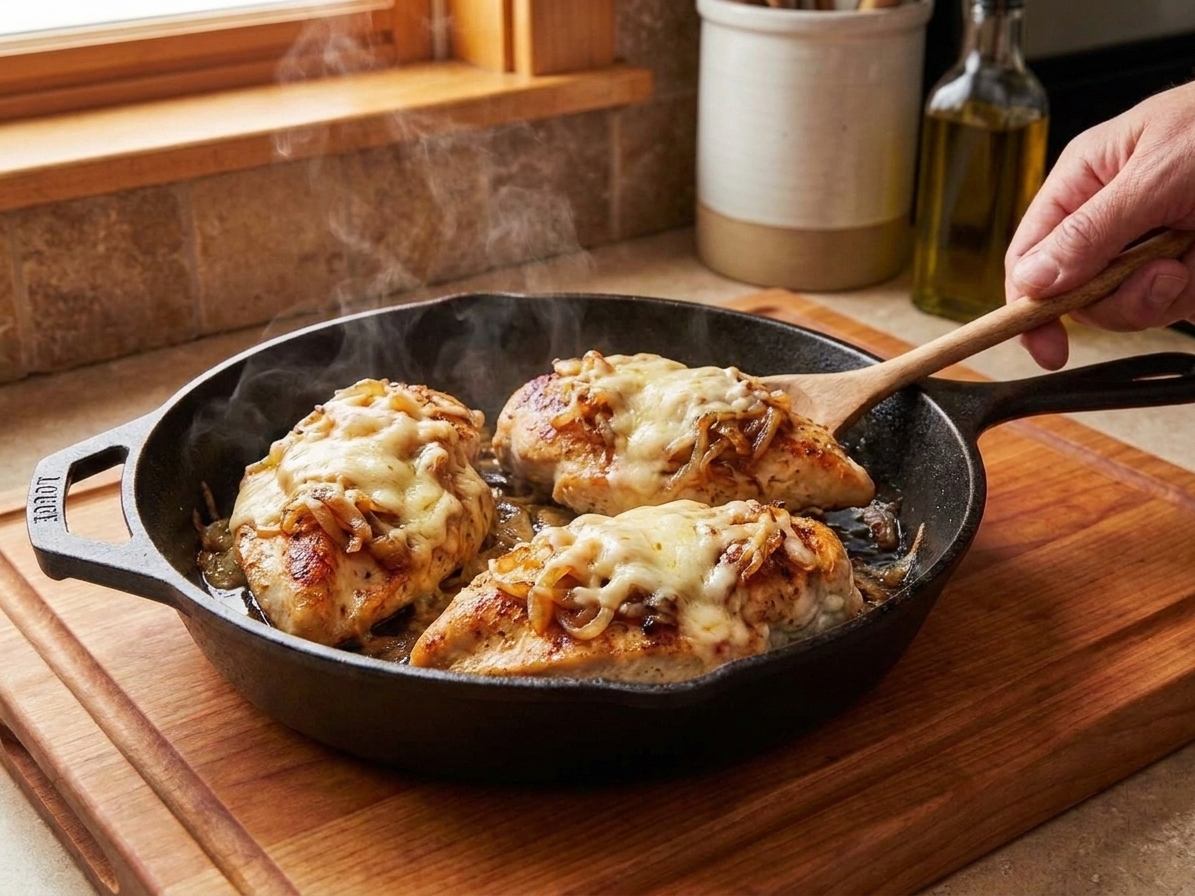
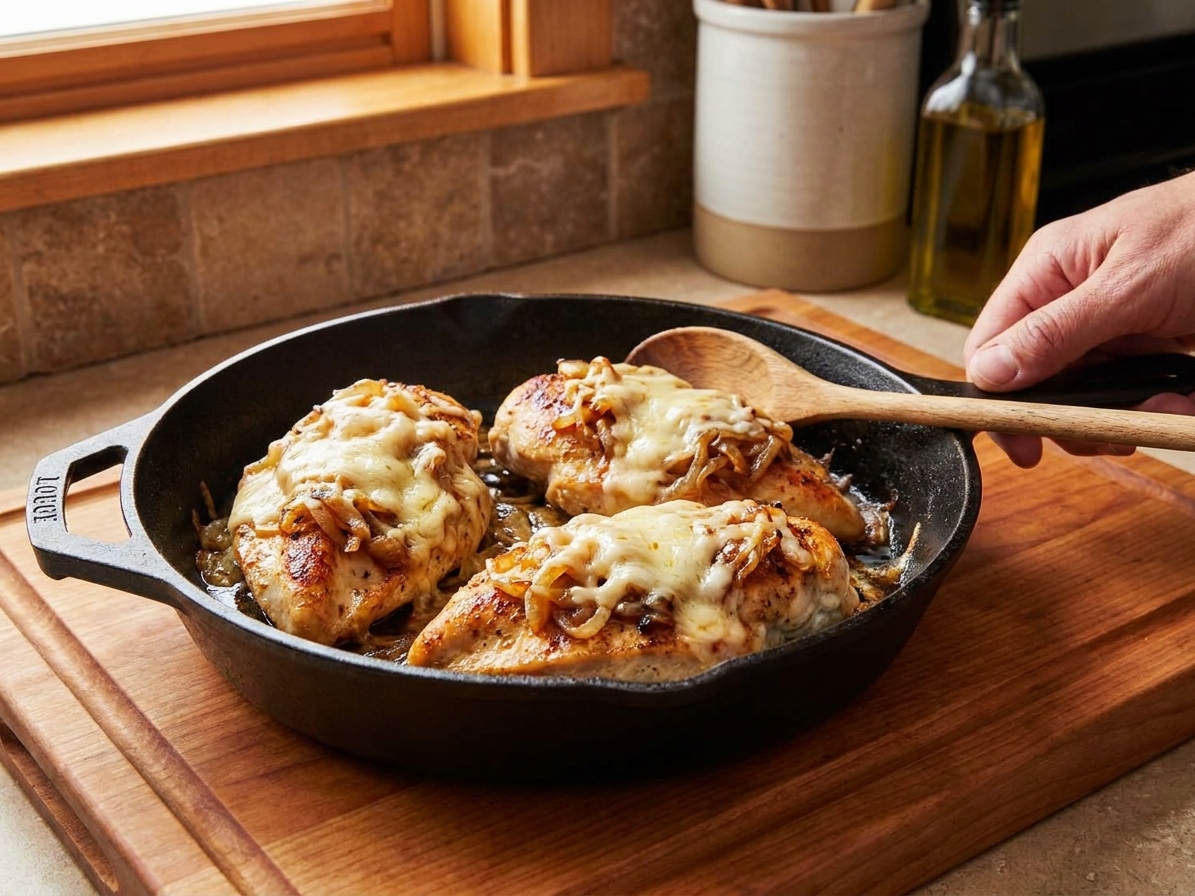
A cast iron skillet filled with seared chicken breasts topped with caramelized onions and melted Gruyere cheese, with a spoon resting on the edge on a warm kitchen counter

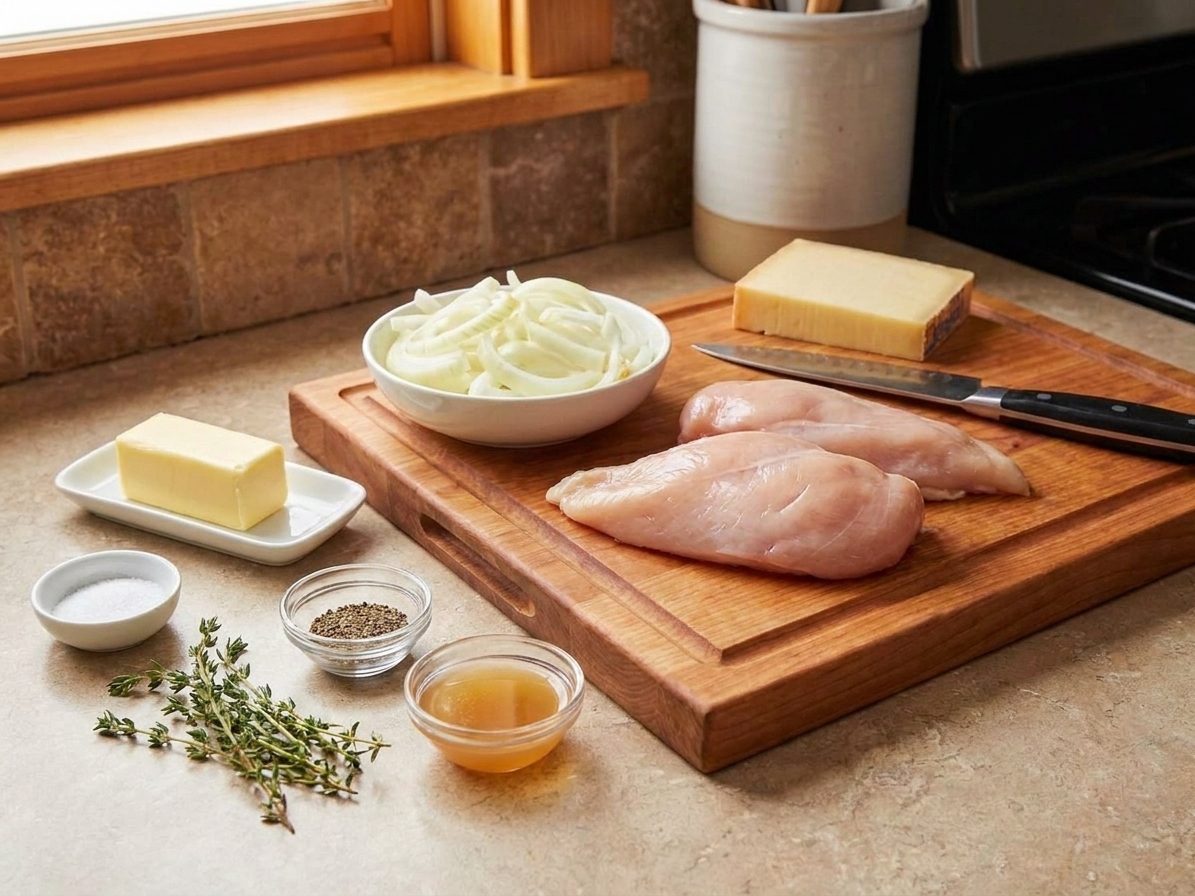
French onion soup is a whole mood. Deep, sweet onions. Savory broth. That stretchy, browned cheese moment that makes you feel like you have your life together. This French onion chicken keeps the vibe but skips the soup bowl and turns it into an actual dinner you can throw down on a Tuesday.

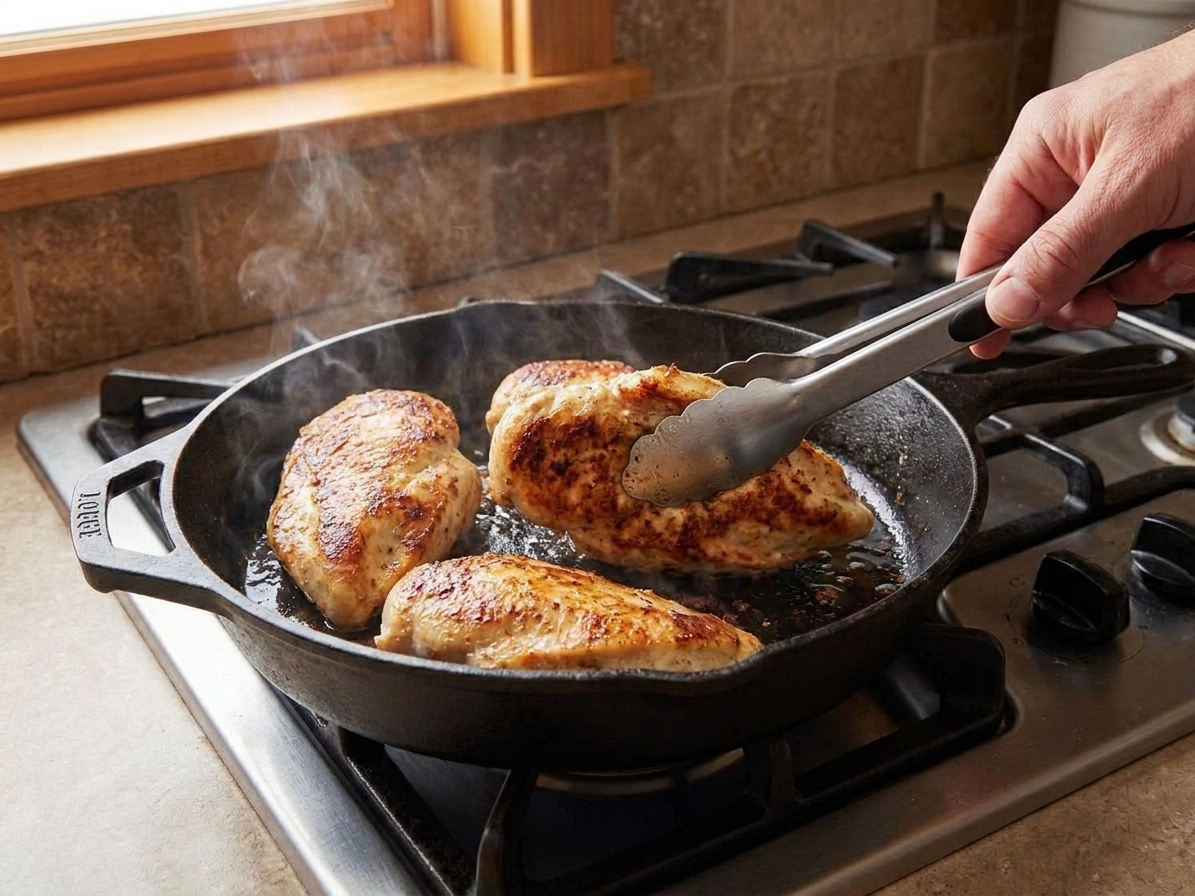
We are searing chicken until it has crisp edges, cooking onions until they go jammy and bronze, then building a quick pan sauce with broth and a tiny splash of balsamic for roundness. Finish with a blanket of Gruyere (or Swiss) and broil until bubbly. This is the kind of meal where you “just taste the sauce” and suddenly your spoon is mysteriously clean.
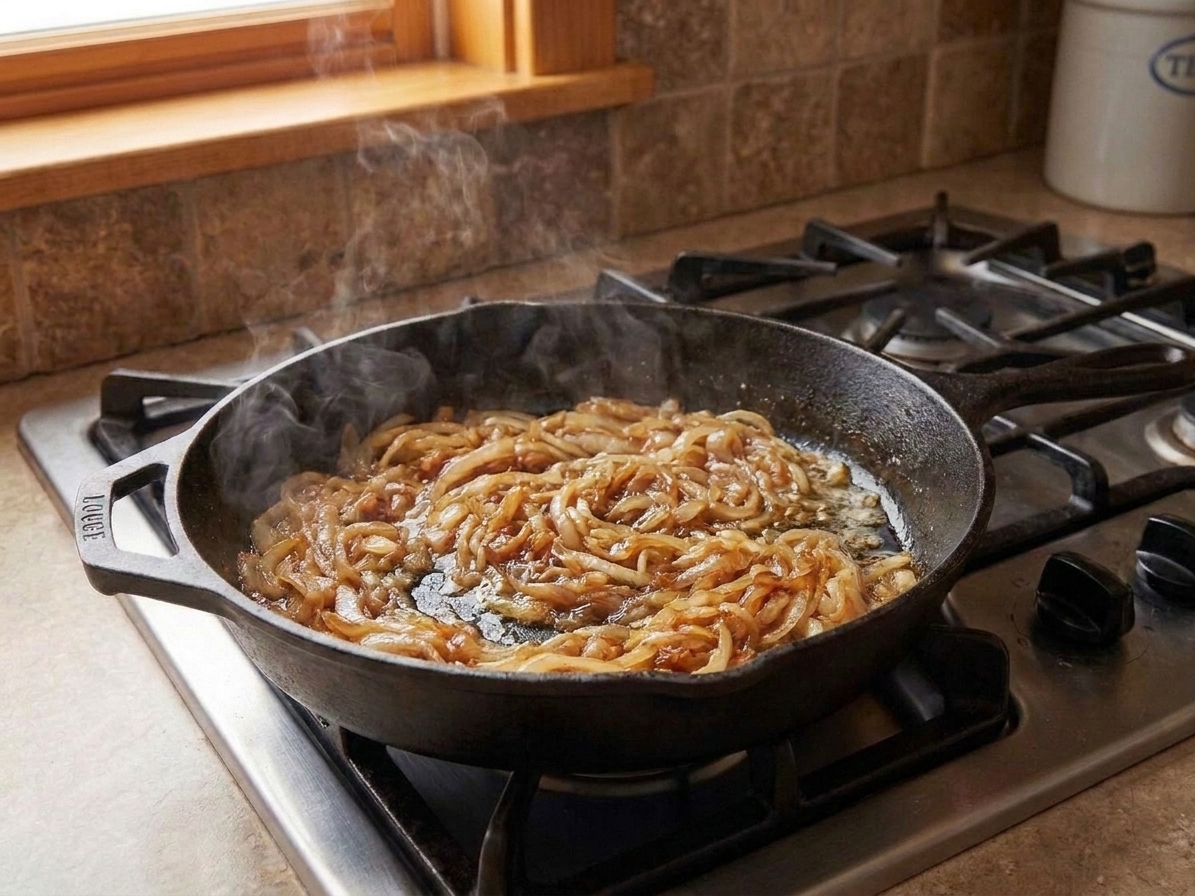
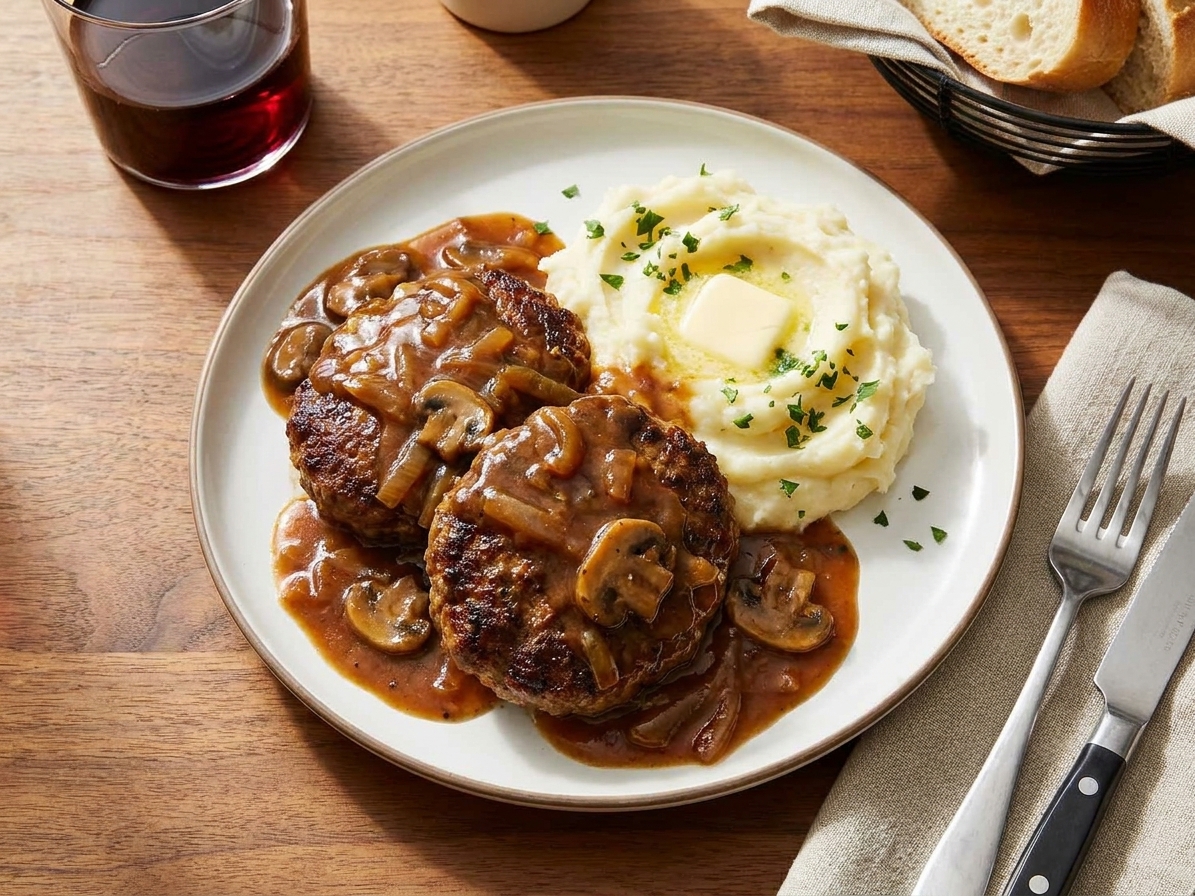
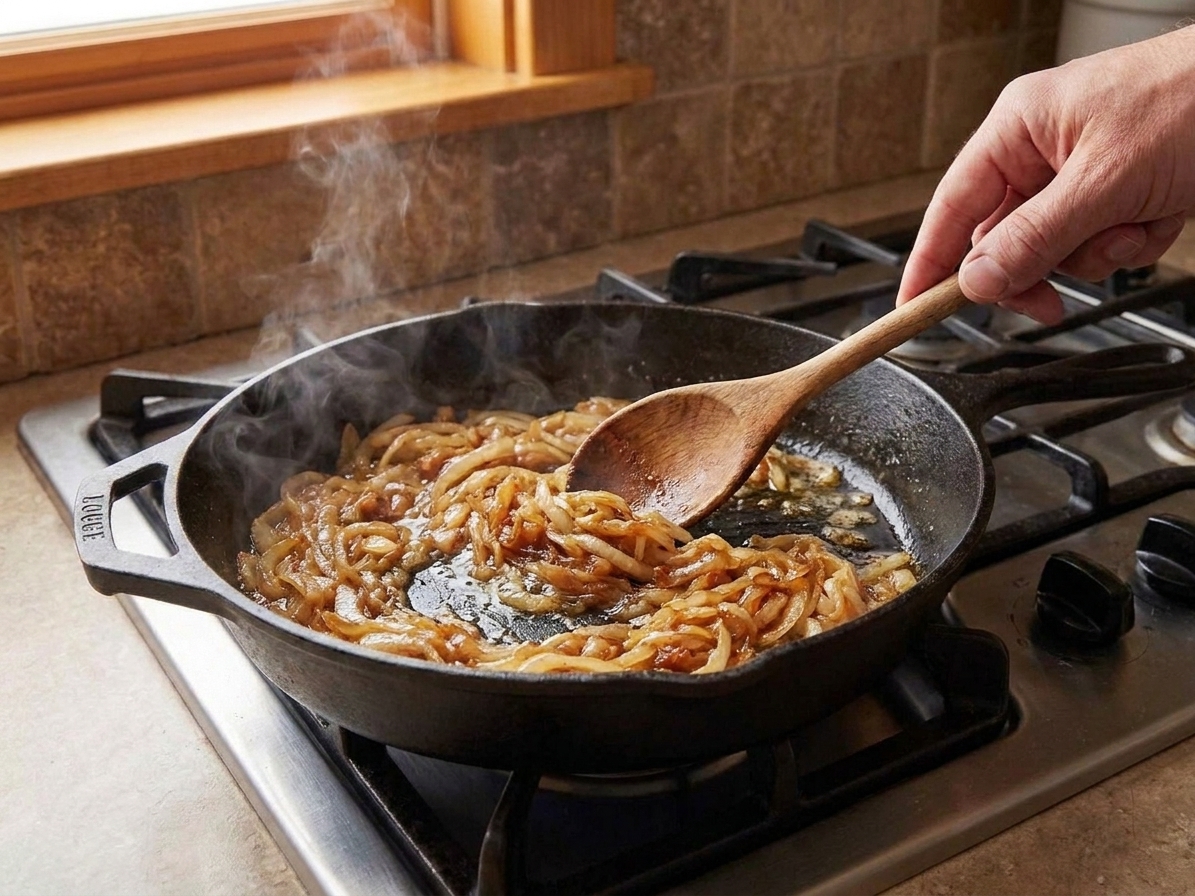
Thinly sliced onions slowly cooking in a large skillet until soft and deeply golden, steam rising over a stovetop

Why It Works

  • Big flavor from simple ingredients: caramelized onions do the heavy lifting, so you do not need a long list of extras.
  • Juicy chicken, not dry: a quick sear plus a gentle finish in the sauce keeps it tender.
  • That French onion payoff: broth-based pan sauce plus melty Gruyere gives you the soup experience without babysitting a pot for hours.
  • One skillet energy: fewer dishes, more time to hover near the stove and “check on the cheese.”

Pairs Well With

Storage Tips

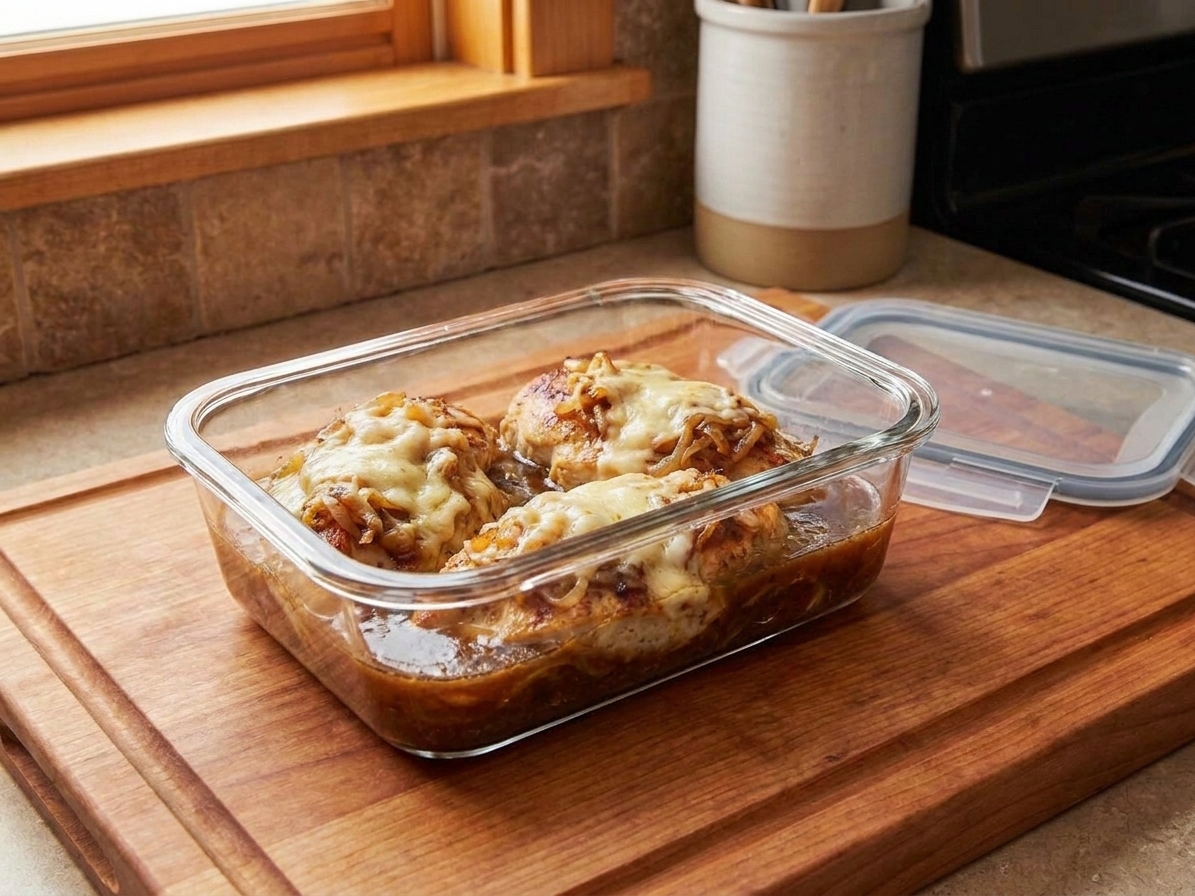
Refrigerator: Store chicken, onions, and sauce together in an airtight container for up to 4 days.

Reheat: Warm in a covered skillet over medium-low with a splash of broth or water to loosen the sauce, about 6 to 10 minutes. Microwave works too, but go in 45-second bursts so the chicken stays tender.

Freezer: You can freeze it for up to 2 months, but the texture of the onions and cheese will soften a bit after thawing. Thaw overnight in the fridge before reheating.

A glass airtight container holding leftover French onion chicken with caramelized onions and sauce on a kitchen counter next to a lid

Common Questions

Do I really have to caramelize the onions for a long time?

For the true French onion flavor, yes, you want time. Plan on about 25 to 45 minutes, and know it can take longer depending on your pan, stove, and how crowded the onions are. If you rush, you get sautéed onions, not that sweet, deep thing. If you are short on time, slice the onions thinner and use a wider skillet so moisture cooks off faster.

What cheese is best for French onion chicken?

Gruyere is the classic. Swiss is the easiest swap. Provolone is great if you like a smoother melt. Mozzarella will melt, but the flavor is mild, so I like mixing it half-and-half with Swiss or Gruyere.

Can I use chicken thighs instead of breasts?

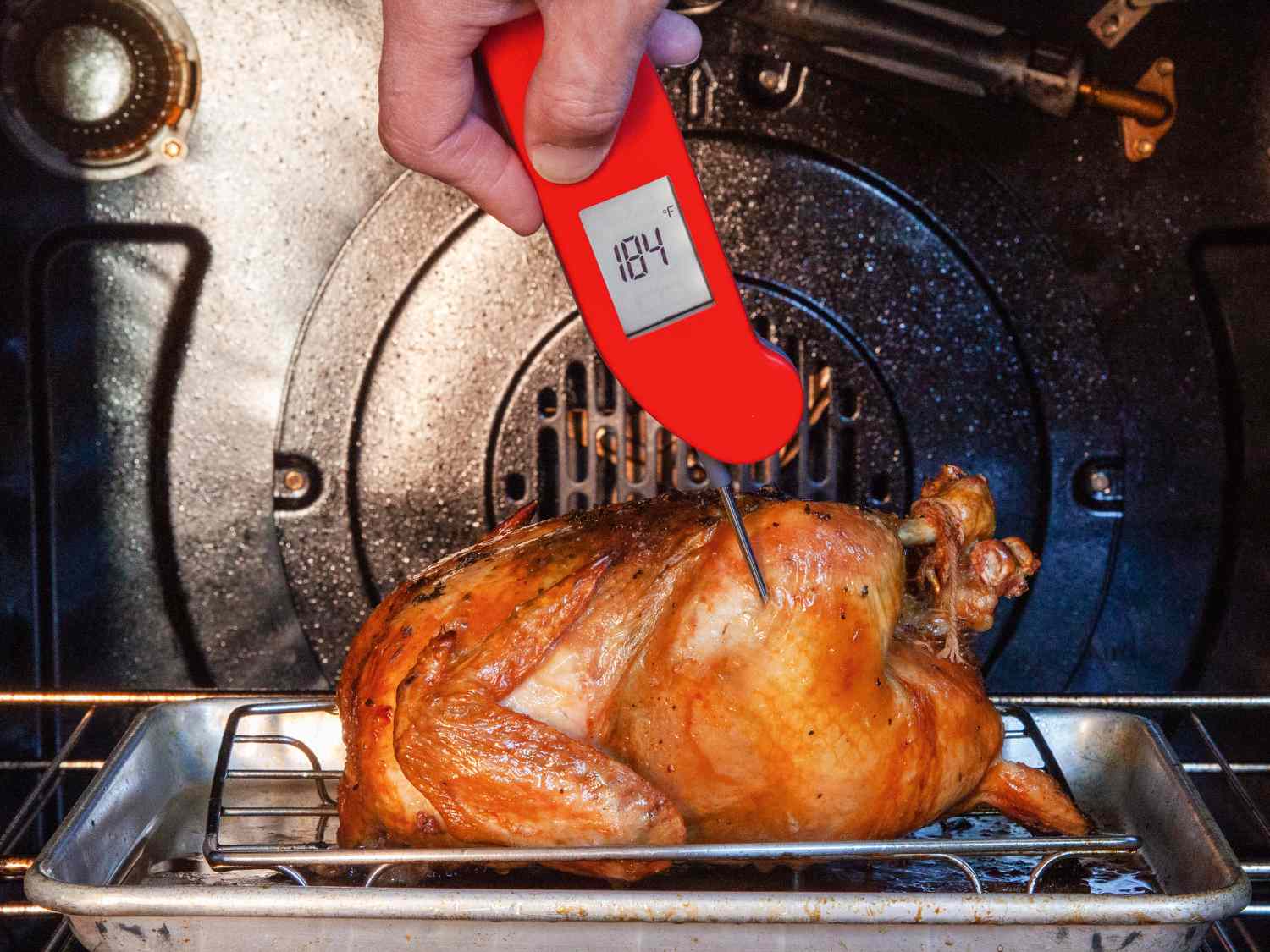
Absolutely. Boneless, skinless thighs are forgiving and super juicy. They may need an extra few minutes to reach 165°F in the thickest part.

How do I keep the chicken from drying out?

Do not overcook it in the initial sear. You are just building color. Let it finish gently in the sauce, keep it at a low simmer (not a hard boil), and pull it as soon as it hits 165°F.

Can I make this ahead?

You can caramelize the onions up to 3 days ahead. When it is dinner time, sear the chicken, warm the onions in the pan, build the sauce, then cheese and broil.

An instant-read thermometer being inserted into a thick piece of chicken in a skillet to check doneness

I love cooking the kind of dinner that feels like you tried harder than you did. French onion chicken is that. The first time I made it, I was basically just chasing the smell of onions caramelizing because it makes the whole kitchen feel warm and busy, like something good is about to happen. I also learned the hard way that onions do not respond to threats. They caramelize on their own schedule. So now I lean into it: put on music, stir occasionally, and let the pan do its thing. When the cheese goes bubbly at the end, it is pure payoff.