Why did my caramel slide right off the apple?
Usually it is moisture or wax on the peel. Scrub apples well, then dry them completely. I also like a quick 10-minute chill in the fridge after drying. Important: cold apples can sweat in a warm kitchen, so wipe each apple one last time right before dipping and dip soon after chilling. Dry apples are the real secret.
Do I need a candy thermometer?
No. This recipe works with visual cues and a simple cold water test. If you do use a thermometer, aim for 238 to 242°F for that classic chewy coating. 235 to 238°F is a softer set, and 242 to 245°F sets firmer. Thermometer readings can vary with altitude, so use it as guidance, not gospel.
Can I use store-bought caramel candies?
Yes. Melt them with a splash of cream or milk, and add a pinch of salt and a little vanilla to give it that homemade vibe. The coating is often thicker and sets faster, so work quickly.
What apples are best for caramel apples?
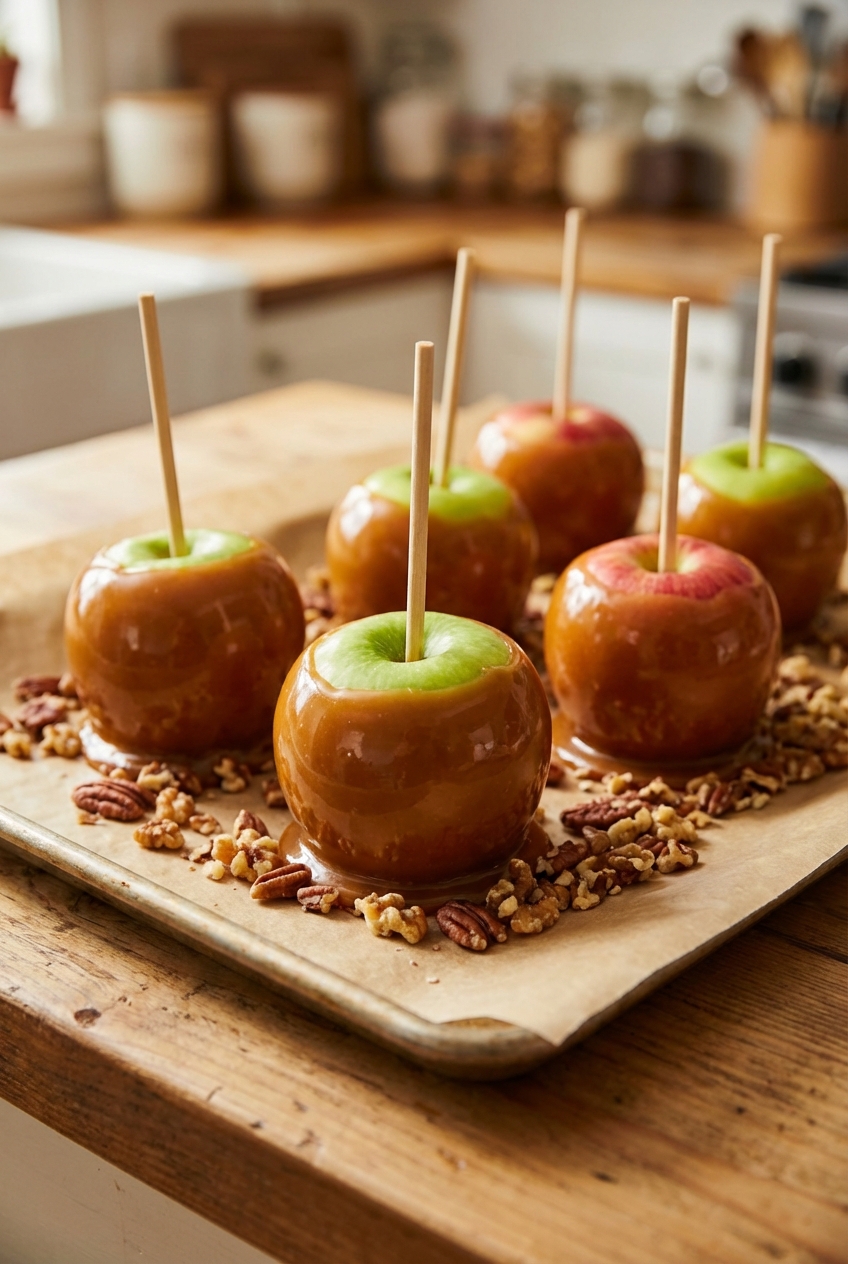
Granny Smith is the classic for that tart snap. Honeycrisp is sweet-tart and super crisp. Pink Lady is also a great choice. Try to avoid softer apples that bruise easily.
How do I keep the caramel smooth and not grainy?
Keep the heat at medium to medium-low and stir steadily so the caramel stays moving without being aggressively whipped. Corn syrup and sweetened condensed milk help prevent crystallization, but do not scrape any sugar crystals from the sides of the pot back into the caramel. If you see crystals, wipe the sides with a damp pastry brush.
Can I make these ahead?
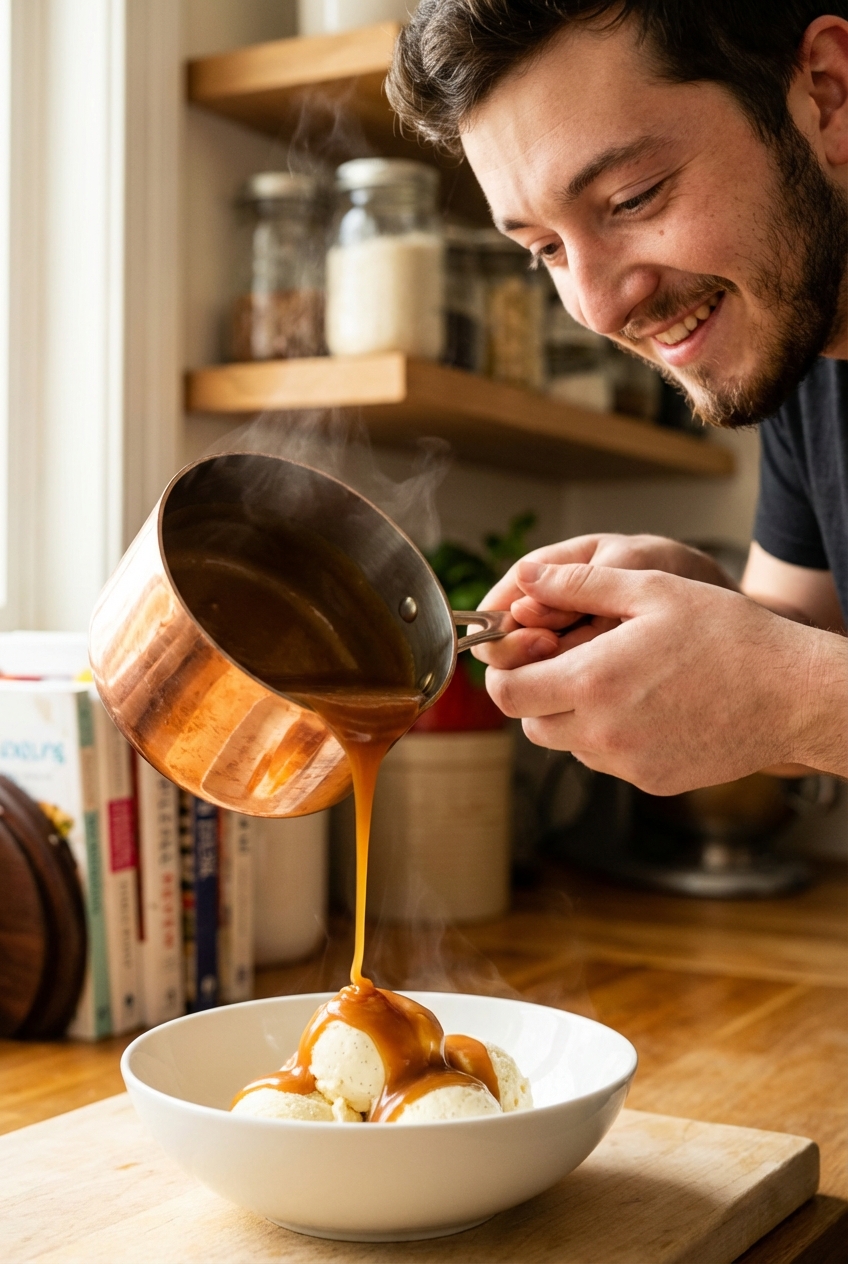
You can make them a day ahead, but they are best the same day. If you want to get ahead, prep toppings and sticks, and scrub and dry the apples earlier. If you have leftover caramel, rewarm it on low with a small splash of cream or milk until smooth and dippable again.
Any safety tips?
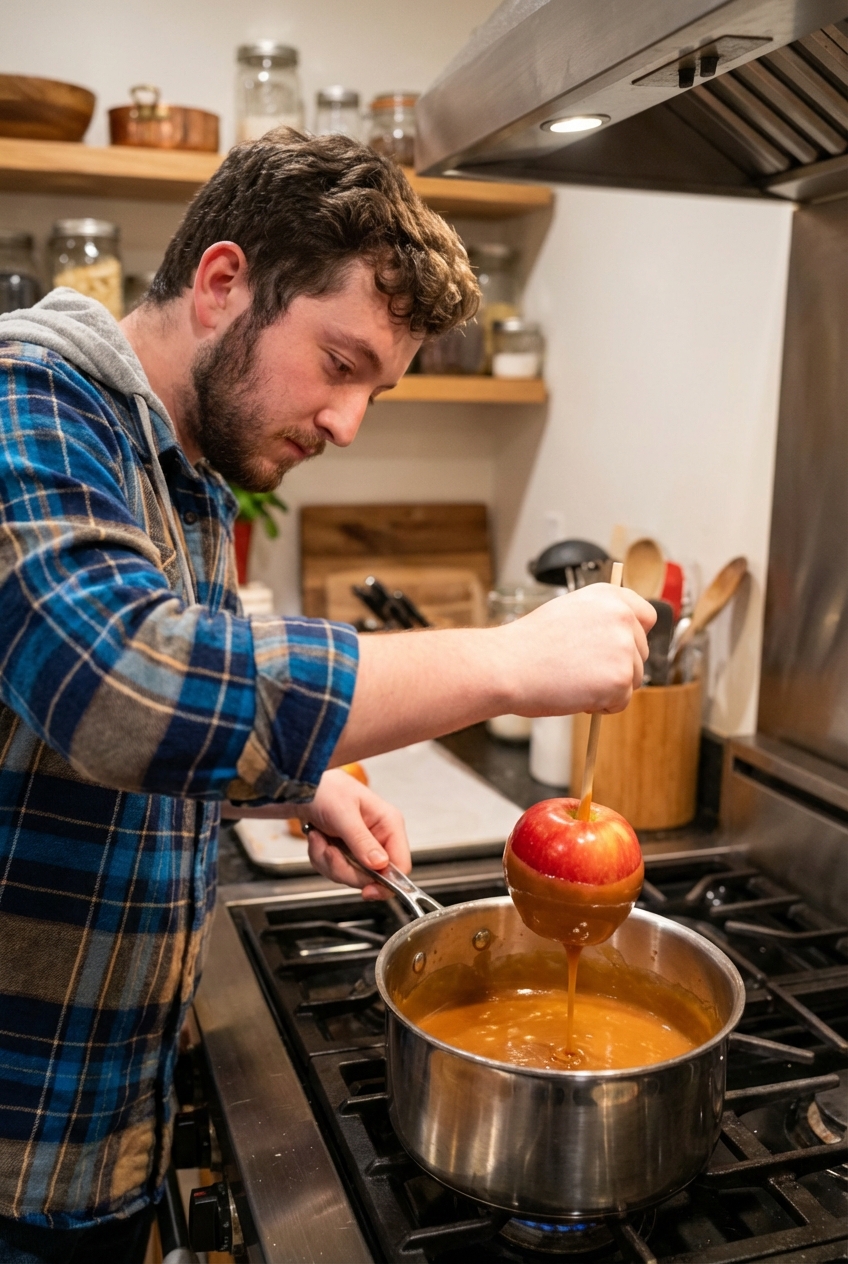
Hot caramel is no joke. Keep sleeves out of the way, use a stable pot, and supervise kids closely. Let the caramel cool for a couple minutes before dipping so it coats instead of splashing.