Mom's Best Recipes
Recipe

Flavorful Chili Seasoning

A fresh, vibrant chili seasoning blend with warm spices, a little smoke, and a bright lift that makes any pot of chili taste like you actually meant it.

Author By Matt Campbell
4.8
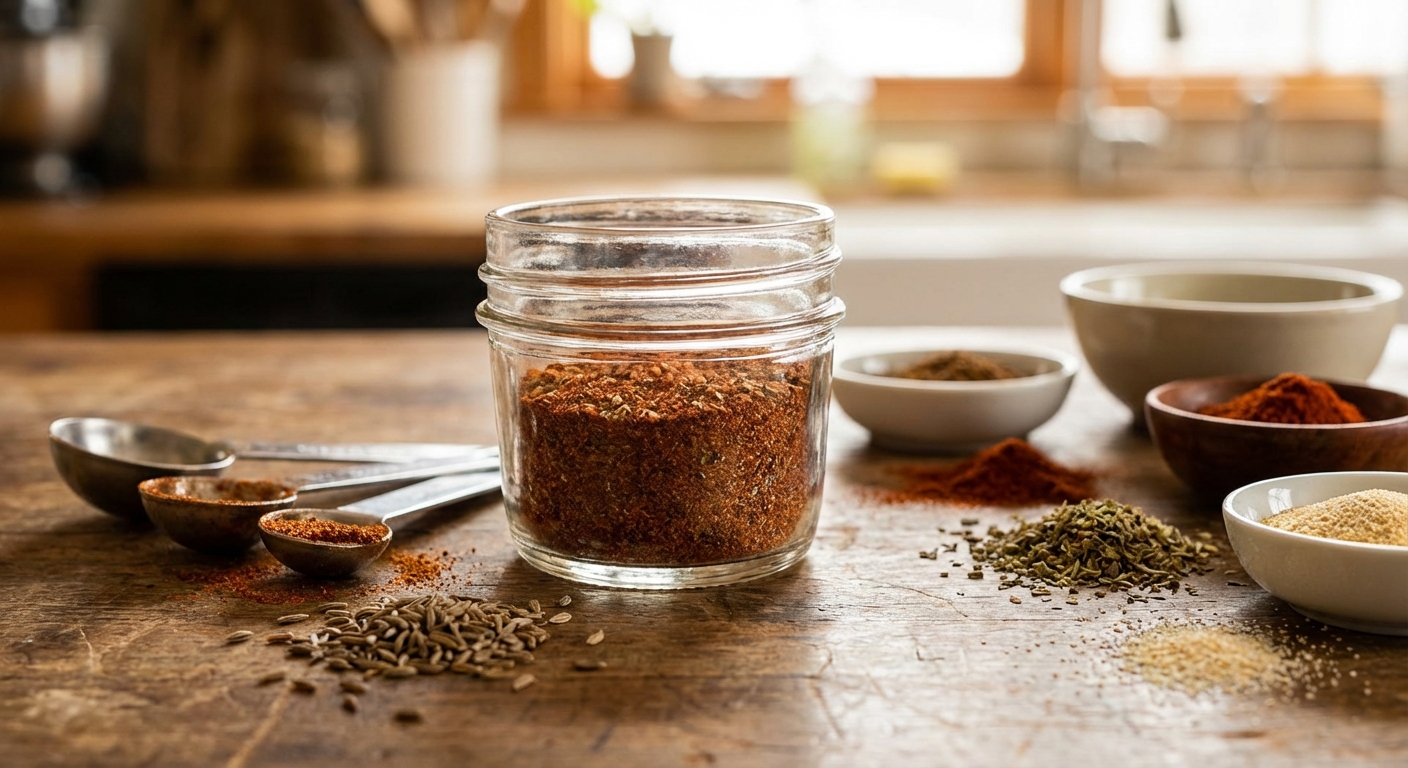
A small glass jar filled with homemade chili seasoning on a wooden counter with measuring spoons and dried spices nearby

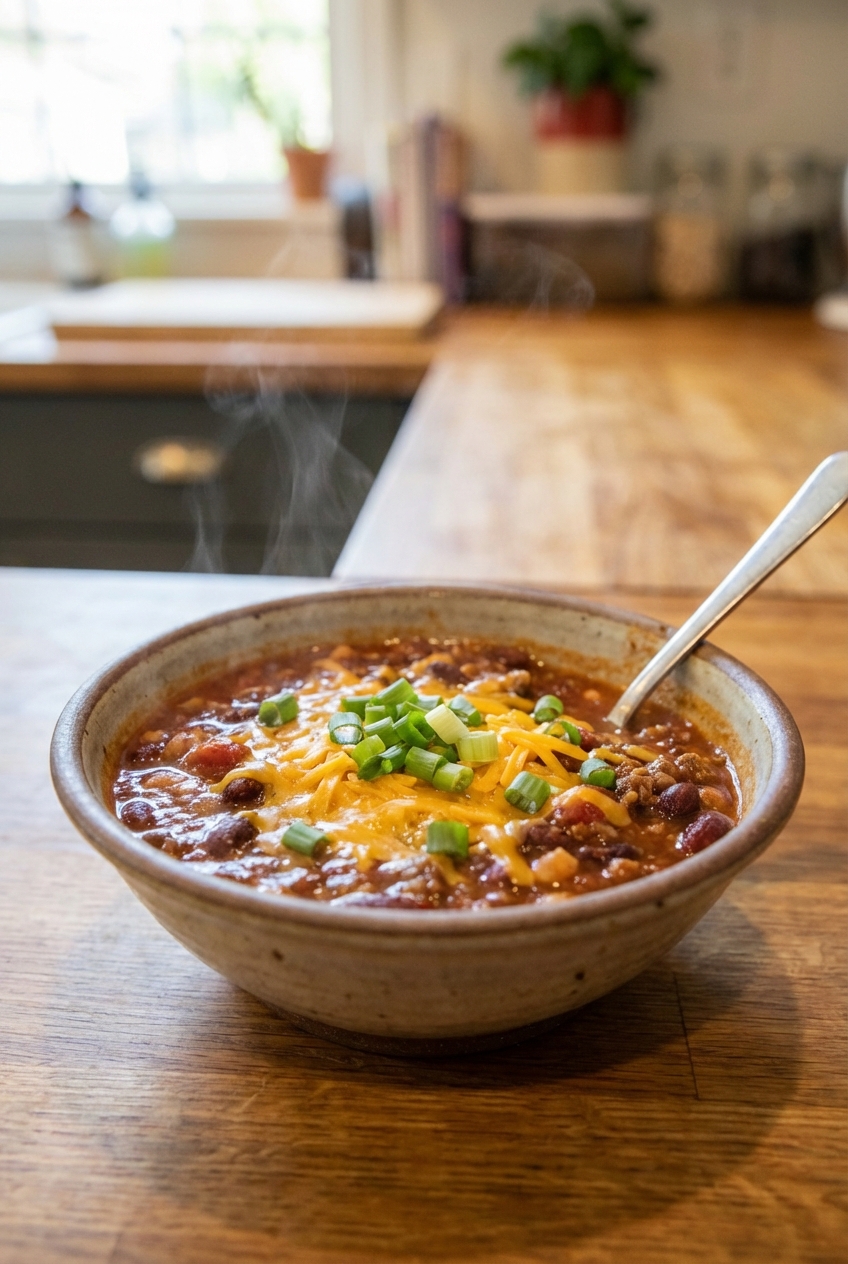
Chili night should taste bold, cozy, and a little exciting, not like you dumped a random packet into a pot and called it a plan. This homemade chili seasoning is my go-to when I want big flavor fast: deep chili warmth, a touch of smoke, garlic and onion that actually show up, and one small twist that keeps everything tasting fresh.

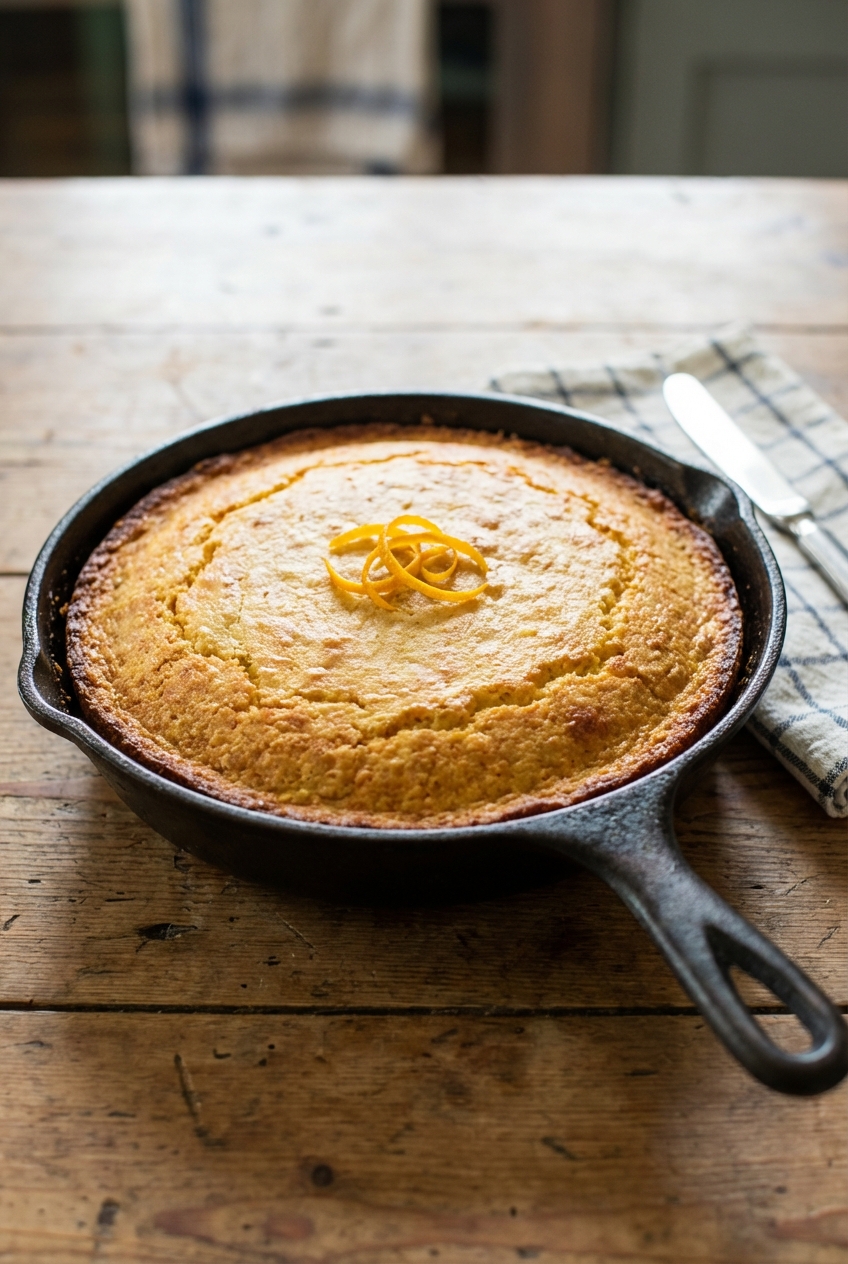
That twist is citrus zest. It sounds fancy, but it is basically the easiest way to make your chili taste brighter without turning it sour. Add it at the end and suddenly your pot tastes like it has been simmering with intention.

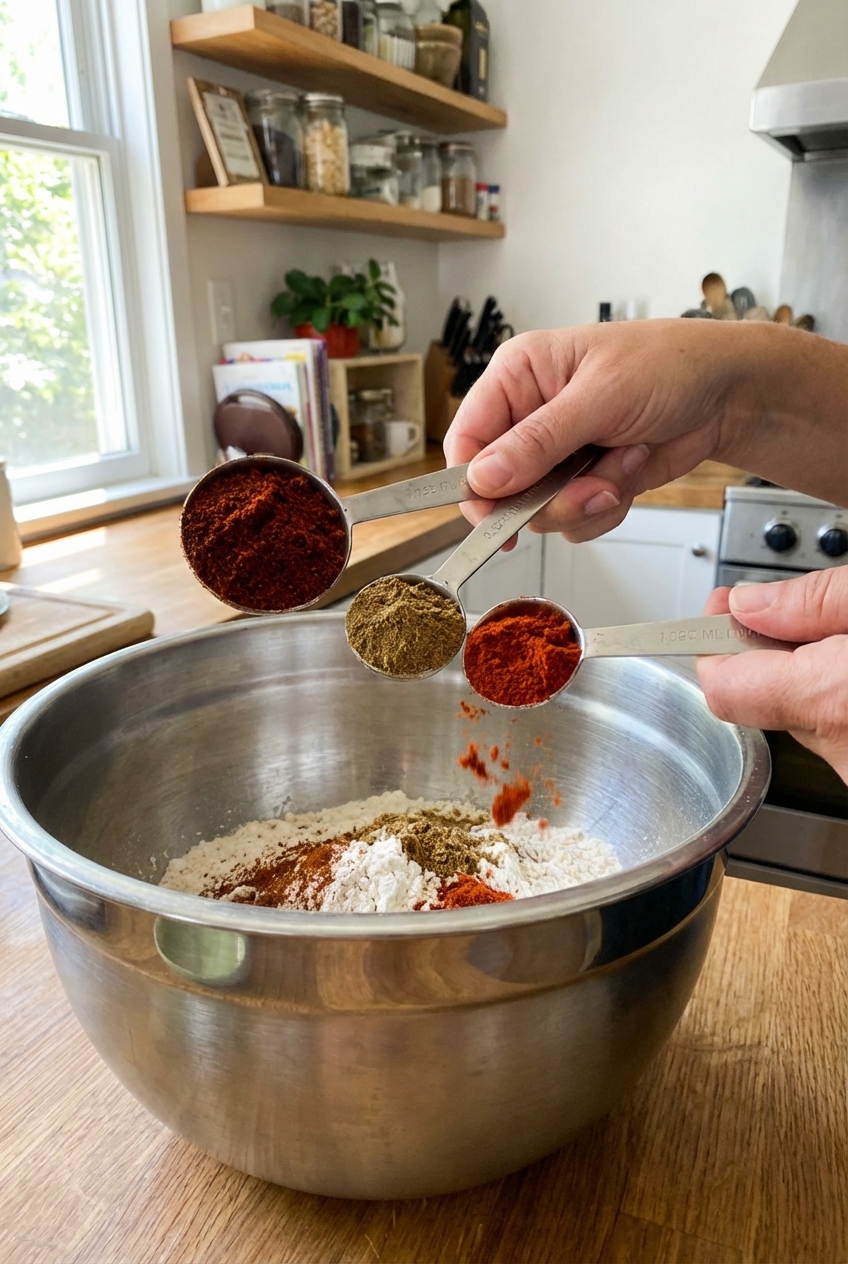
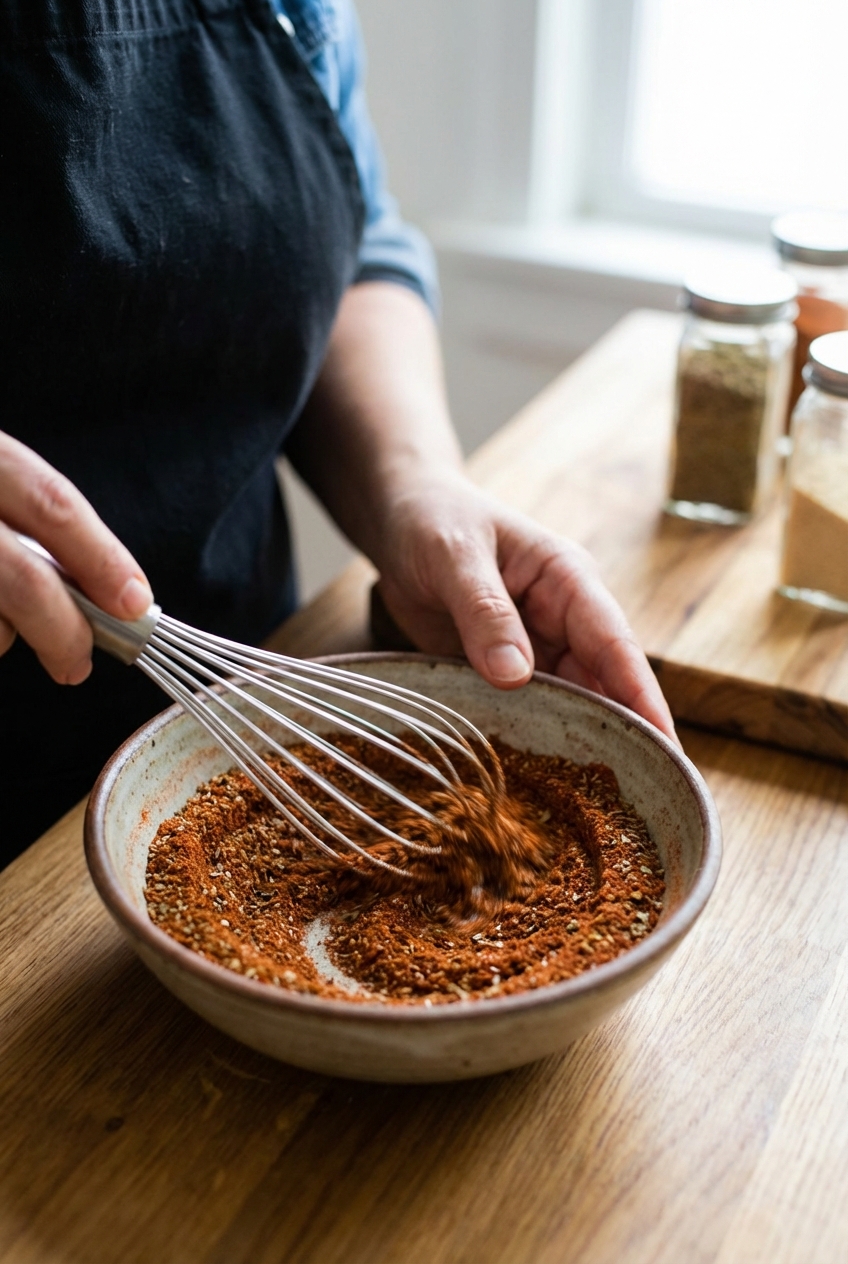
Measuring spoons of chili powder, cumin, and paprika over a mixing bowl

Why It Works

  • Balanced heat: mild-to-medium as written, with easy ways to crank it up.
  • Layered flavor: chili powder plus cumin, smoked paprika, and oregano for that classic chili backbone.
  • Fresh finish: optional orange or lime zest wakes up the whole pot when you stir it in at the end.
  • Weeknight-friendly: mix it once, then keep it in the pantry for quick chili, taco meat, soups, and roasted veggies.

Pairs Well With

Storage Tips

For the seasoning blend: Store in an airtight jar in a cool, dark cabinet. It is most vibrant for about 3 months, and generally best within 3 to 6 months depending on how fresh your spices were to begin with.

For cooked chili:

  • Fridge: 3 to 4 days in a sealed container.
  • Freezer: up to 3 months. Cool completely, then freeze flat in zip-top bags for easy stacking.
  • Reheat tip: Warm gently on the stove with a splash of water or broth, then taste and add a tiny pinch of salt or a squeeze of lime to wake it back up.

Common Questions

How much seasoning do I use per pot of chili?

A good starting point is 3 tablespoons of this blend for a standard batch: about 1 to 1 1/2 pounds of meat (or a bean-heavy pot) plus tomatoes and broth. If you like bolder chili, go to 4 tablespoons.

Good to know: This recipe makes about 8 tablespoons, which seasons roughly 2 batches of chili at 3 to 4 tablespoons each.

How does this compare to a store-bought chili packet?

Packets vary a lot by brand and salt level, but as a rough swap, start with 2 to 3 tablespoons of this blend in place of one packet, then adjust to taste. If you keep this mix salt-free, you will likely want to add salt separately.

Is this spicy?

As written it is mild-to-medium. The heat mostly comes from cayenne. Want it hotter? Add more cayenne or a pinch of crushed red pepper. Want it mild? Skip the cayenne and use a mild chili powder.

What is “chili powder” here?

In most U.S. grocery stores, chili powder is a blend of ground chilies and other seasonings. It often includes things like cumin, garlic, and oregano, but brands vary. That is what this recipe assumes. If you are using pure ground chile (like ancho powder), the flavor will be different but still delicious.

Why add zest to a dry seasoning?

You can add citrus to the blend, but it is optional and you have two good options. Option A: keep the zest out of the jar and add it to the chili at the end for maximum freshness. Option B: add dried citrus peel if you have it. Fresh zest contains oils that fade faster in storage.

Can I use this for tacos or burgers?

Absolutely. Use 1 to 2 teaspoons per pound for taco meat, burgers, or roasted vegetables. Add salt separately so you can control it per dish.

Any tips to prevent clumping?

If you add salt, moisture can make the mix clump over time. Keep it tightly sealed, store it in a cool, dry cabinet, and if it clumps just shake the jar hard or break it up with a spoon. If you want it extra fine, sift the blend before jarring.

I started making my own chili seasoning because I kept having the same problem: the chili would taste fine, then halfway through the bowl I would realize it was kind of flat. Not bad, just sleepy. The fix was not a complicated ingredient hunt. It was learning to build a blend with enough depth and finishing the pot with something bright. Now I keep this seasoning on standby like a kitchen cheat code. It is the difference between “we have chili” and “wait, what did you put in this?”