Mom's Best Recipes
Recipe

Fresh Ham and Bean Soup

Sweet, simple, and ridiculously cozy. This fresh ham and bean soup simmers into a silky broth with tender beans, carrots, and that just-right pork richness.

Author By Matt Campbell
4.8
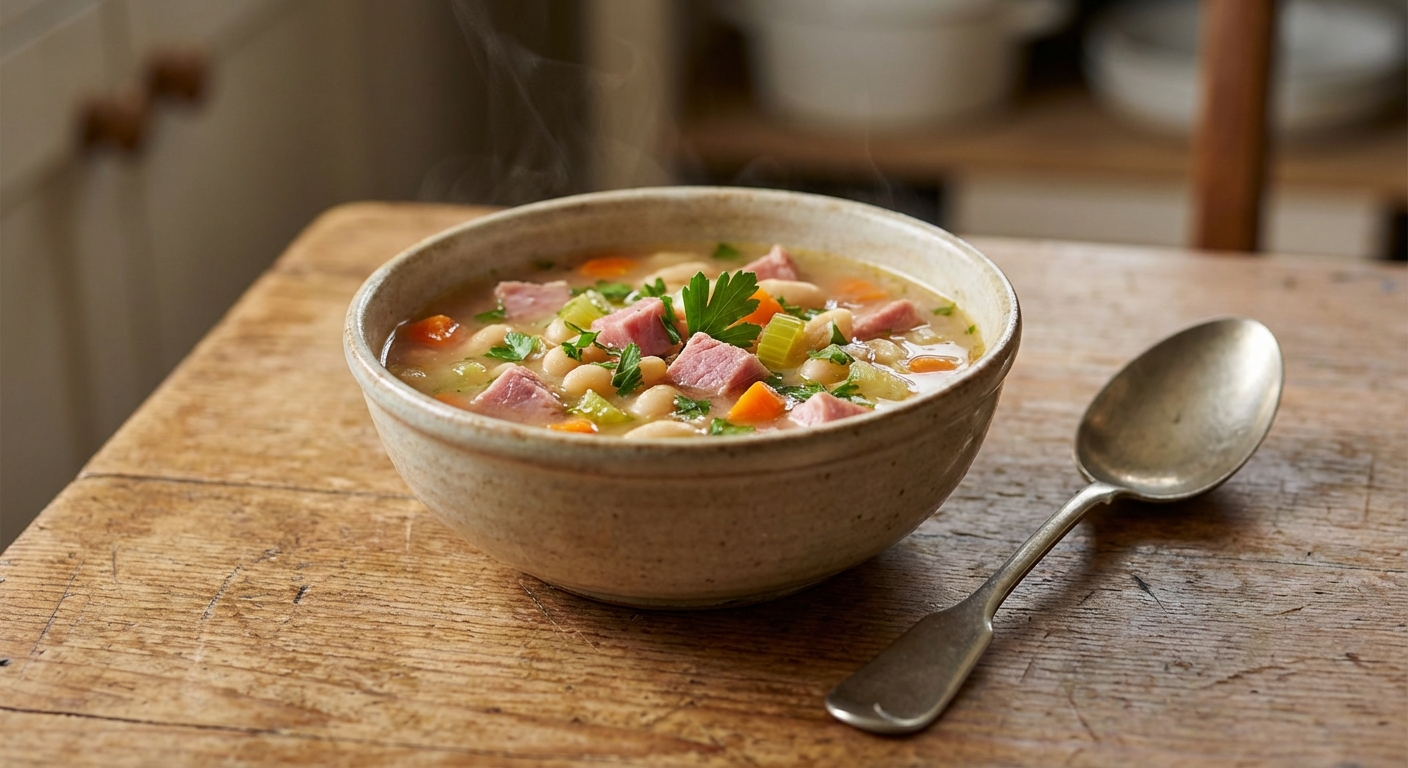
A steaming bowl of ham and bean soup with white beans, diced fresh ham, carrots, and herbs on a wooden table with a spoon beside it

This is the kind of soup that makes your kitchen smell like you have your life together, even if the sink is full of dishes and you are wearing the same hoodie from yesterday. Fresh ham and bean soup is classic comfort, but this version keeps things sweet and simple with everyday ingredients and a broth that tastes like it has been simmering all day.

The big difference here is fresh ham, not a smoked hock. Fresh ham is uncured, so the flavor is clean and porky instead of very smoky. That lets the veggies and herbs show up, and it gives you room to control the salt. We build sweetness the honest way with onion, carrot, and a small hit of tomato paste, then finish with a little acid so the whole bowl tastes bright, not flat.
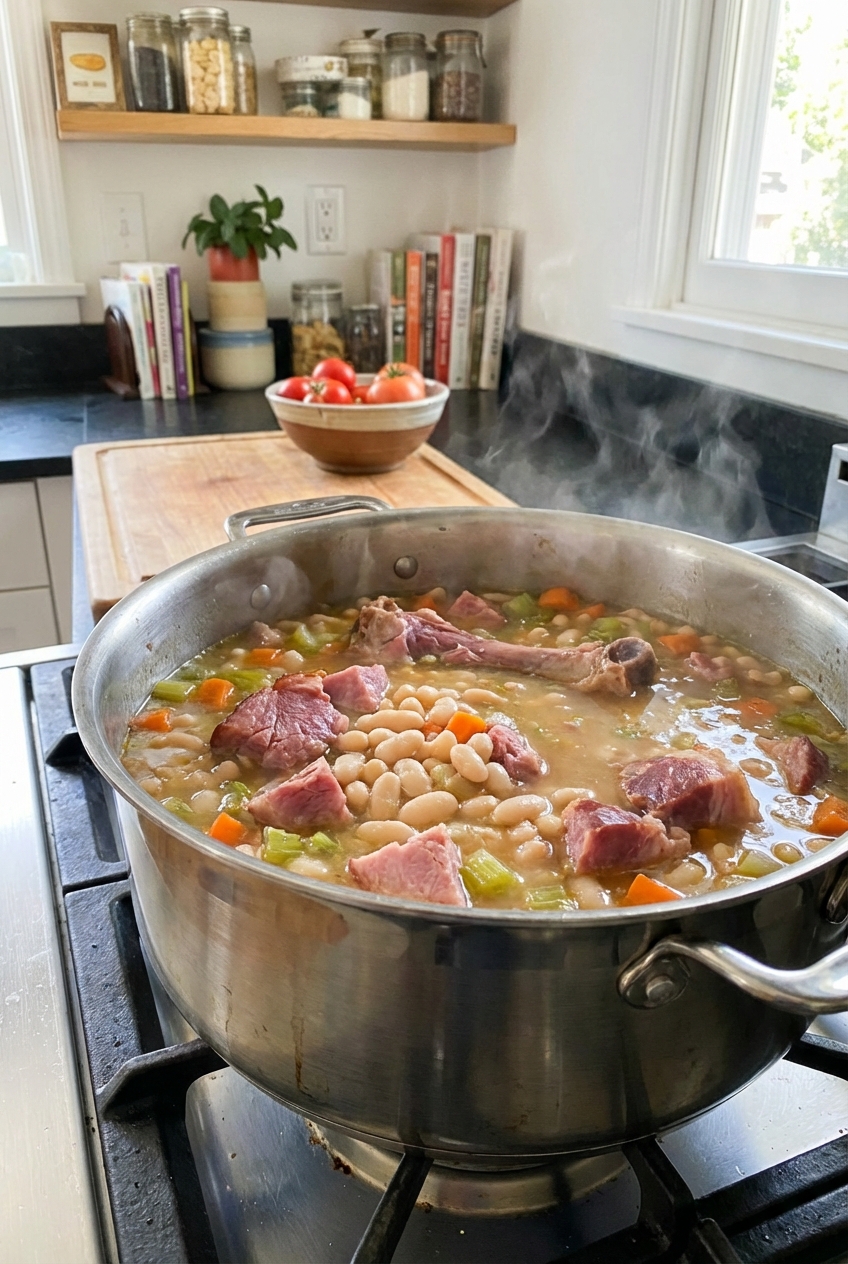
A pot of ham and bean soup simmering on a stovetop with beans and chunks of ham visible in the broth

Why It Works

  • Balanced flavor: Fresh ham brings richness without taking over, and the broth stays clean and cozy.
  • Creamy without cream: Mashing a small scoop of beans thickens the soup naturally and makes it feel extra comforting.
  • Weeknight friendly: Soaked beans cook faster, and the steps are straightforward with no fussy techniques.
  • Sweet and savory: Carrots, onion, and a touch of tomato paste create a gentle sweetness that plays perfectly with the pork.

Pairs Well With

Storage Tips

Refrigerator: Cool soup completely, then store in an airtight container for up to 4 days. The beans will continue to drink up broth as it sits.

Freezer: Freeze in portioned containers for up to 3 months. Leave a little headspace because soup expands when frozen.

Reheating tip (important): Warm gently on the stove over medium-low heat, adding a splash of water or broth until it is brothy again. Taste for salt at the end, especially after freezing.

Texture note: Beans soften more over time. If you like a firmer bean, stop cooking the soup when beans are just tender, then let residual heat finish the job.

Common Questions

What is fresh ham, exactly?

Fresh ham is an uncured pork leg or roast. It is not smoked and not already salty like a typical ham steak or spiral ham. It tastes like rich pork, not deli ham.

Can I use canned beans instead of dried?

Yes. For a lighter, brothier soup, use 3 (15-ounce) cans of cannellini or great northern beans, drained and rinsed. For a more classic bean-forward pot, use 4 cans. Simmer the soup for about 25 to 30 minutes after adding the beans so the flavors blend. Add a bit more broth as needed since canned beans do not release as much starch.

Do I have to soak the beans?

You do not have to, but it helps them cook more evenly and a little faster. If you skip soaking, plan for a longer simmer and keep extra broth or water nearby.

How do I keep the soup from tasting bland?

Three things: sauté your aromatics until they smell sweet, use enough salt for the beans, and finish with acid. A tablespoon of apple cider vinegar or lemon juice at the end makes the whole pot taste more alive.

Can I make it in a slow cooker?

Yes, with soaked beans. Sauté the onion, carrots, celery, garlic, and tomato paste first for best flavor, then add everything to the slow cooker and cook on low for 7 to 8 hours or high for 4 to 5 hours, until beans are tender.

What if I accidentally bought a cured or smoked ham steak?

You can still make soup, but it will be much saltier and smokier than this fresh-ham version. Cut the added salt way back (start with none), use unsalted or low-sodium broth, and add salt only at the very end if it needs it.

I started making versions of ham and bean soup when I was chasing practical kitchen skills over perfect culinary school plans. It is one of those dishes that teaches you the fundamentals without acting like homework. You learn how to build flavor from onions and carrots, how salt changes beans, and how patience turns a pot of simple ingredients into something that tastes like a hug. This fresh ham version is the one I make when I want comfort without the heavy smoke. It is sweet, steady, and forgiving, which is exactly the kind of cooking I trust.