Mom's Best Recipes
Recipe

Fresh Homemade Pancake Recipe

Sweet, simple, and reliably fluffy with crisp edges. This is the no-drama pancake recipe you can make on a sleepy weekday or a full-on Sunday syrup situation.

Author By Matt Campbell
4.9

Pancakes should feel like a small win. Not a science fair project. Not a sink full of bowls. Just a warm stack that smells like vanilla, tastes like comfort, and somehow makes the whole morning calm down.

This fresh homemade pancake recipe is my go-to when I want sweet and simple without sacrificing texture. You get fluffy centers, lightly crisp edges, and a batter that plays nice with whatever you have: milk or buttermilk, blueberries or chocolate chips, a little cinnamon when you are feeling cozy.

Grab a bowl, grab a whisk, and remember the only real rule here is to taste the first pancake. It is the chef tax and it is non-negotiable.
Why It Works

  • Fluffy, tender pancakes thanks to the right balance of baking powder and a gentle mix.
  • Crisp, golden edges from a properly heated pan and a little butter.
  • Sweet but not cloying with just enough sugar and vanilla to feel like a treat.
  • Consistent results with a quick rest so the flour hydrates and the batter relaxes.

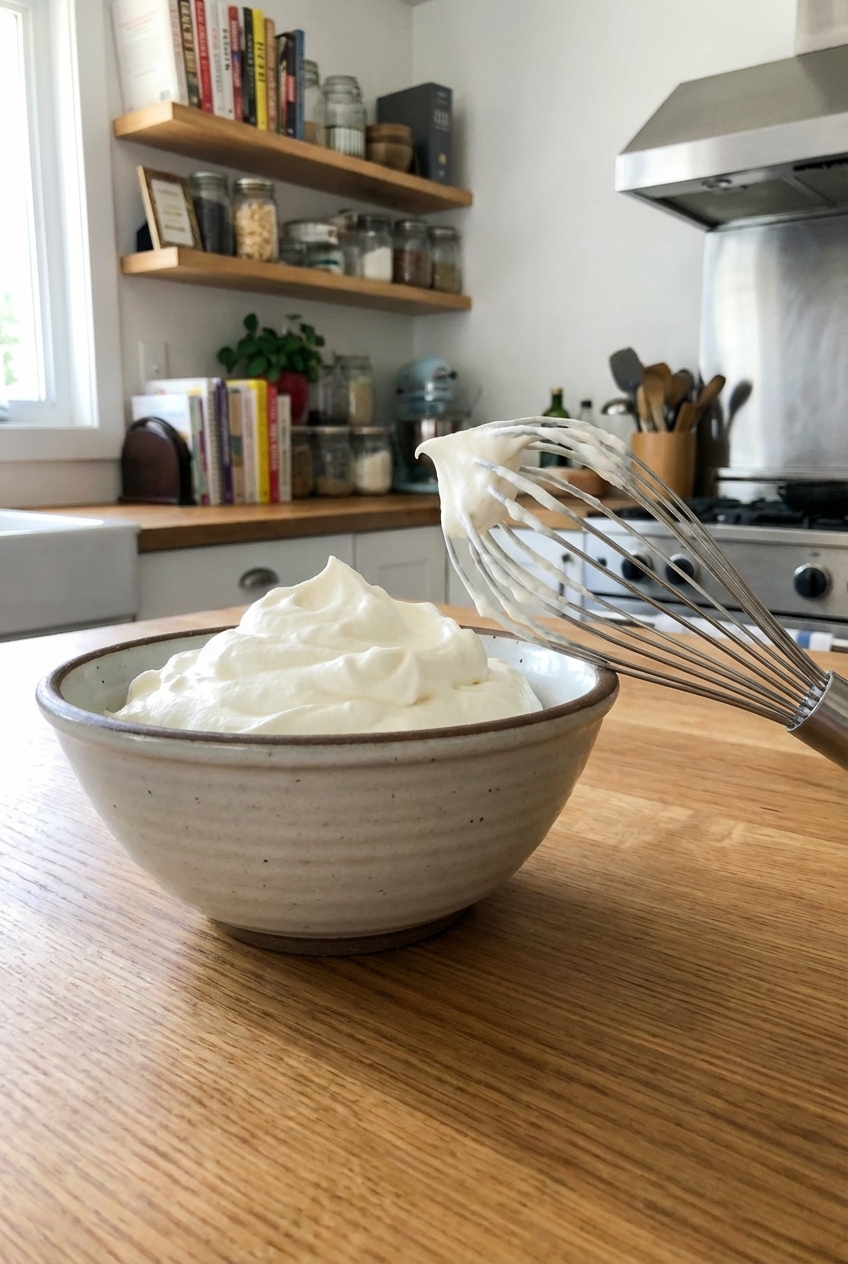
If your pancakes usually come out pale, flat, or weirdly tough, this method fixes the usual culprits: overmixing, cold pan, and flipping too early.

Pairs Well With

Storage Tips

Fridge: Let pancakes cool completely, then store in an airtight container with parchment between layers. They keep well for up to 4 days (best quality in the first 2 to 3).

Freezer: Freeze pancakes in a single layer on a sheet pan until firm, then transfer to a freezer bag. They are great for up to 2 months (best quality in the first month). Parchment between layers prevents a pancake brick.

Reheat:

  • Toaster: Best for crisp edges. Toast on a low to medium setting.
  • Oven: 350°F for 8 to 10 minutes, stacked and wrapped in foil for softer pancakes.
  • Microwave: 20 to 40 seconds, covered with a damp paper towel. Softens them, but it is fast.

Common Questions

Why are my pancakes tough?

Overmixing is usually the culprit. Once flour meets liquid, gluten starts forming. Whisk the dry and wet separately, then stir together just until you stop seeing dry flour. A few lumps are good news.

Can I use buttermilk instead of milk?

Yes. Buttermilk adds tang and tenderness. Swap the milk 1:1 and keep the baking powder as written. The baking soda is truly optional and best if your buttermilk is extra tangy or you want a little more browning and lift. If you use it, add just the small amount listed.

When do I flip pancakes?

Flip when you see bubbles across the surface and the edges look slightly set. For the most reliable cue, look for a few bubbles that pop and leave little holes. If you flip too early, you get a pale pancake that tears.

How do I keep pancakes warm for a crowd?

Hold them on a sheet pan in a 200°F oven in a loose single layer, or stacked with parchment between layers. Avoid covering tightly or they steam and go soft.

Can I make the batter ahead?

You can mix the dry ingredients ahead. For the wet ingredients, mix right before cooking. Batter that sits too long can lose some lift, especially once leaveners activate.

I used to treat pancakes like a mood. If I felt ambitious, I made them. If not, cereal won. Then I started chasing the kind of pancakes that are actually worth making on a random morning: fluffy in the middle, a little crisp at the edges, and sweet enough that you do not need a gallon of syrup to feel happy.

The real turning point was learning to stop stirring the batter into submission. Now I mix it like I am trying not to wake someone up in the next room, let it rest for a few minutes, and suddenly the whole thing feels effortless. These are the pancakes I make when I want the kitchen to feel like a good hang, not a test.