Mom's Best Recipes
Recipe

Fresh Lo Mein

A sweet, glossy, weeknight lo mein with crisp veggies and springy noodles, ready fast and built from pantry staples.

Author By Matt Campbell
4.8
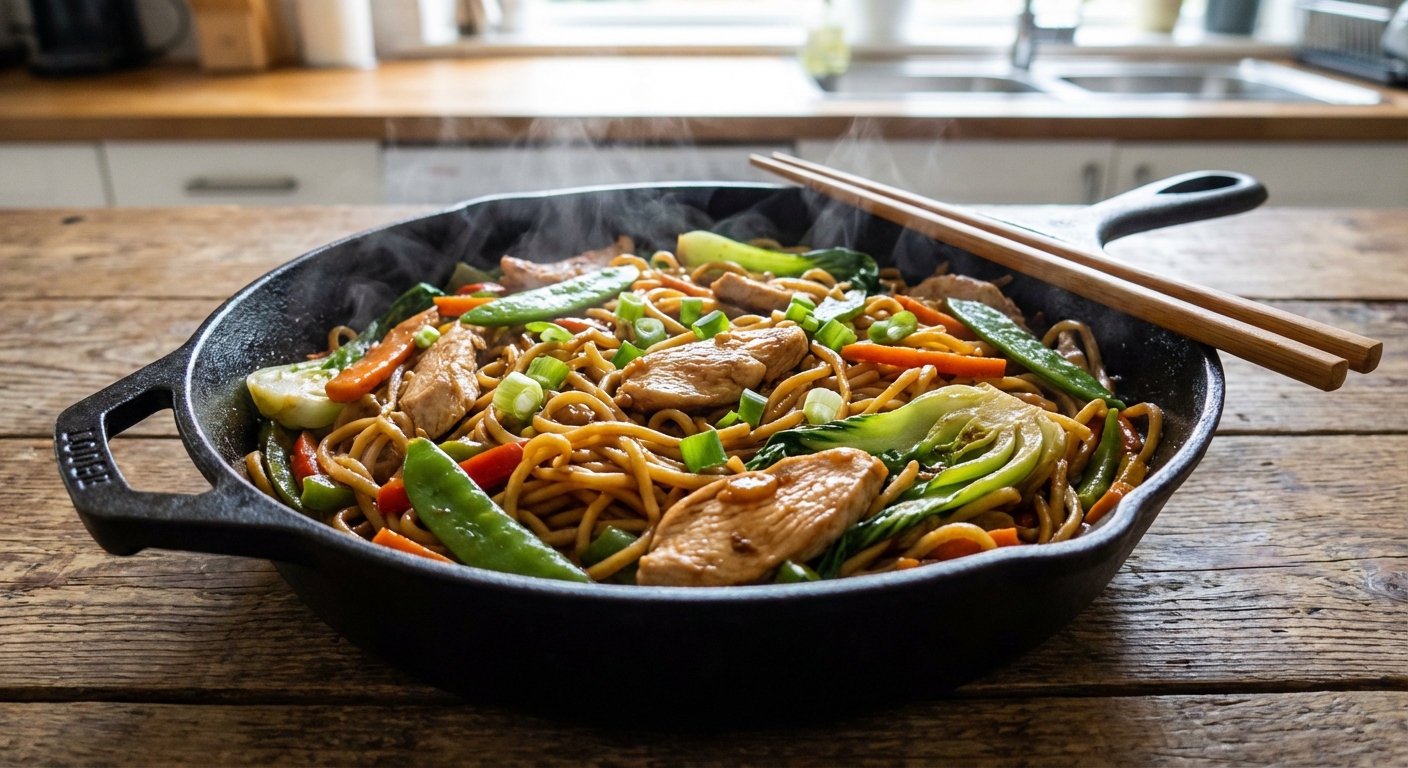
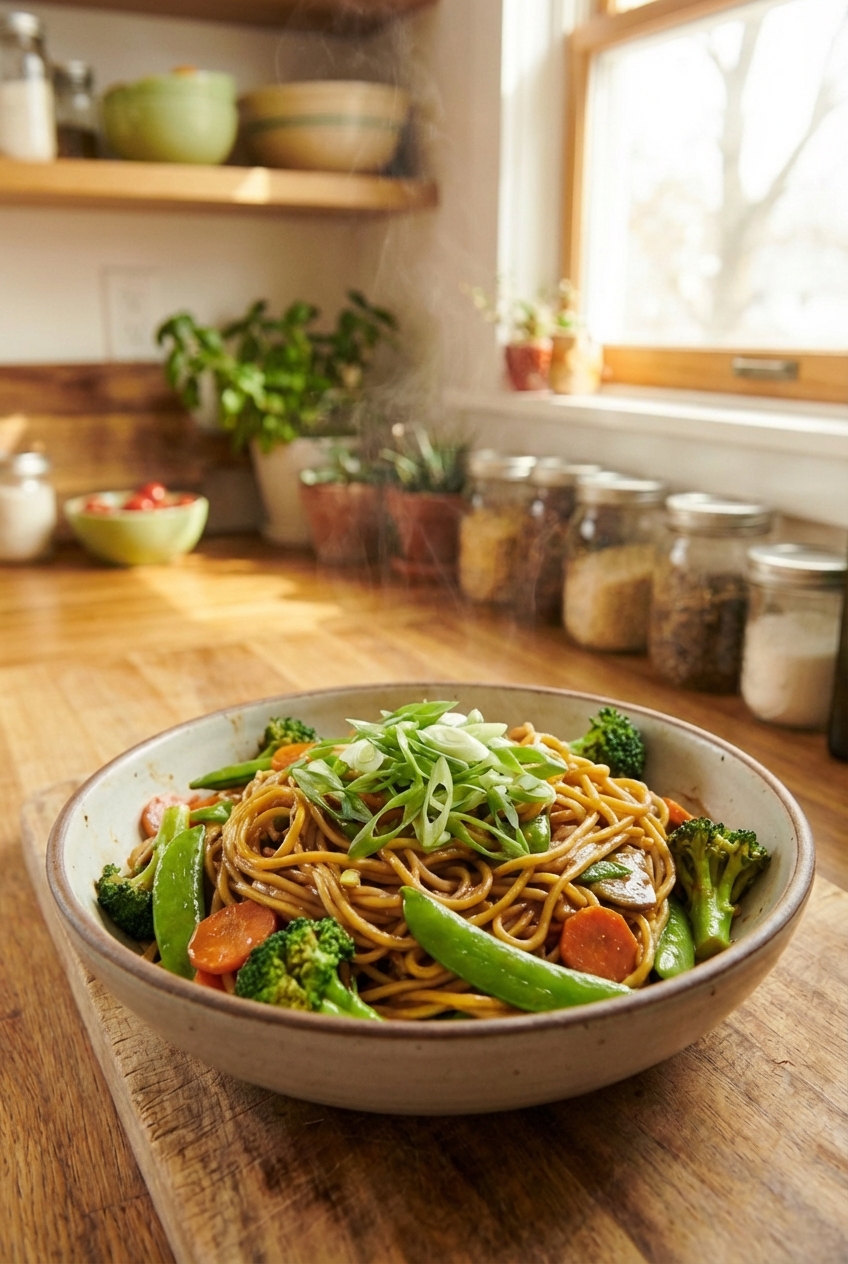
A bowl of glossy lo mein noodles with broccoli, carrots, and snap peas, topped with sliced green onions on a kitchen counter in natural light

Lo mein is one of those meals that feels like takeout comfort but behaves like a weeknight hero. You get bouncy noodles, crisp-tender veggies, and a sauce that hits that sweet-salty spot without turning into candy. This version keeps everything fresh, sweet, and simple, with ingredients you can actually find at a regular grocery store.

My biggest goal here is a sauce that clings, noodles that stay springy, and veggies with a little snap left in them. No mystery packets. No weird steps. Just a hot pan, a quick toss, and a gentle reminder to taste as you go.

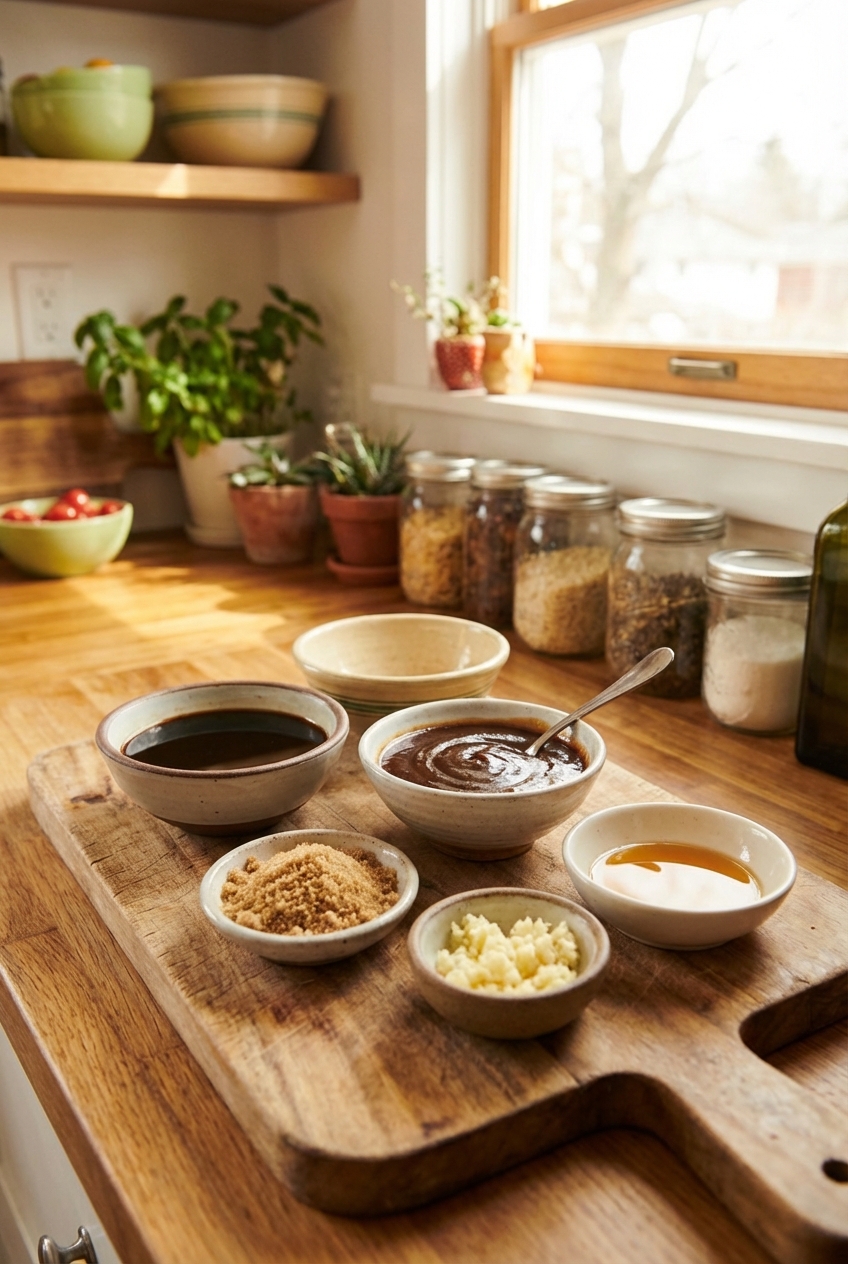
Small bowls of lo mein sauce ingredients on a cutting board, including soy sauce, hoisin, brown sugar, garlic, and sesame oil

Why It Works

  • Sweet-salty balance: Hoisin and brown sugar bring the cozy sweetness, while soy sauce keeps it grounded.
  • Fast flavor: Fresh garlic and ginger wake everything up in under a minute.
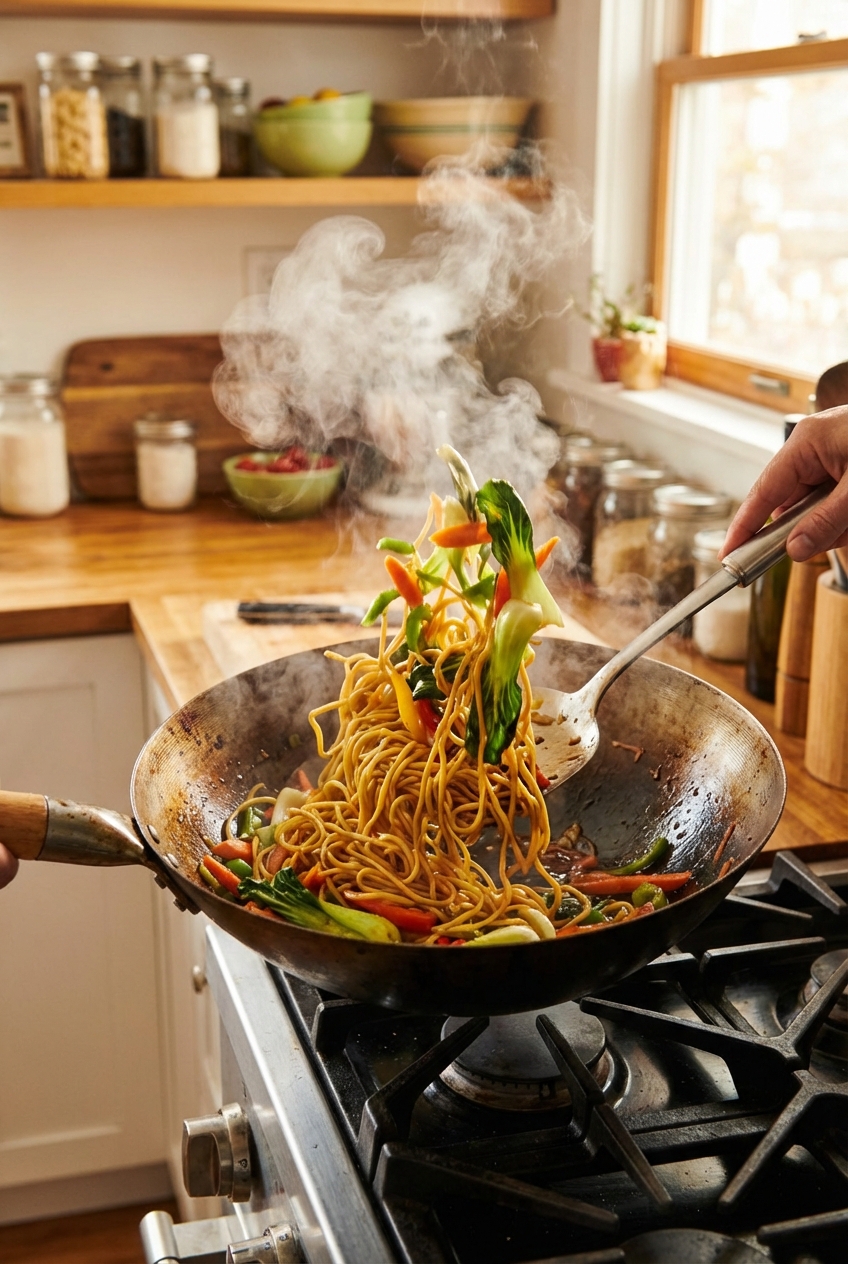
  • Good texture on purpose: We undercook the noodles slightly, then finish them in the sauce so they stay springy, not soggy.
  • Flexible: Use whatever veggies you have. This sauce is extremely forgiving.

Pairs Well With

Storage Tips

Fridge: Store lo mein in an airtight container for up to 3 to 4 days. If possible, let it cool slightly before sealing so it does not steam itself into softness.

Reheat: Best in a skillet over medium heat with a splash of water or broth. Toss until hot and glossy again. Microwave works too, but stir halfway and add a tiny splash of water to loosen the sauce.

Freezer: You can freeze it, but the noodles soften when thawed. For best quality, keep it to 1 month and reheat in a hot skillet to bring back some life.

Common Questions

What noodles should I use for lo mein?

Classic lo mein is often made with egg noodles, but fresh wheat noodles labeled “lo mein” are common too and work great here. You can also use spaghetti, linguine, or ramen-style wheat noodles. If using pasta, cook it just shy of al dente so it finishes in the sauce.

How do I keep my lo mein from getting soggy?

Two things: do not overcook the noodles, and do not drown the pan in liquid. The sauce should be glossy and clingy, not soupy. Also, keep the veggies crisp-tender so the whole bowl has texture.

Is lo mein sauce supposed to be sweet?

Usually, yes, at least a little. This recipe is on the gently sweet side. If you like it less sweet, cut the brown sugar in half. If you want more takeout-style sweetness, add 1 more teaspoon.

Can I add protein?

Definitely. Thin-sliced chicken, shrimp, ground pork, tofu, or even leftover rotisserie chicken all work. Cook the protein first, remove it, then proceed with the veggies and noodles. Toss it back in when you add the noodles and sauce so it gets glossy too.

I do not have hoisin. What can I use?

Hoisin adds sweetness and body. In a pinch, use an extra 1 tablespoon soy sauce plus 1 tablespoon brown sugar (or honey) and a tiny dab of peanut butter if you have it for that thick, clingy feel.

Any allergen notes?

This recipe contains soy and sesame, and usually gluten (soy sauce and wheat noodles). Use tamari or gluten-free soy sauce and gluten-free noodles if needed, and skip sesame oil if sesame is an issue.

Lo mein is my go-to when I want the comfort of takeout but also want to feel like I did something in the kitchen. The first time I tried to make it, I treated the sauce like an afterthought and ended up with noodles that tasted like plain, sad carb strings. Lesson learned: the sauce is the whole personality.

Now I mix it first, taste it, then build the stir-fry around it. It is a small move that makes you feel like you know what you are doing, even if you are cooking in sweatpants with one sock on.