Mom's Best Recipes
Recipe

Sweet Pickled Eggs

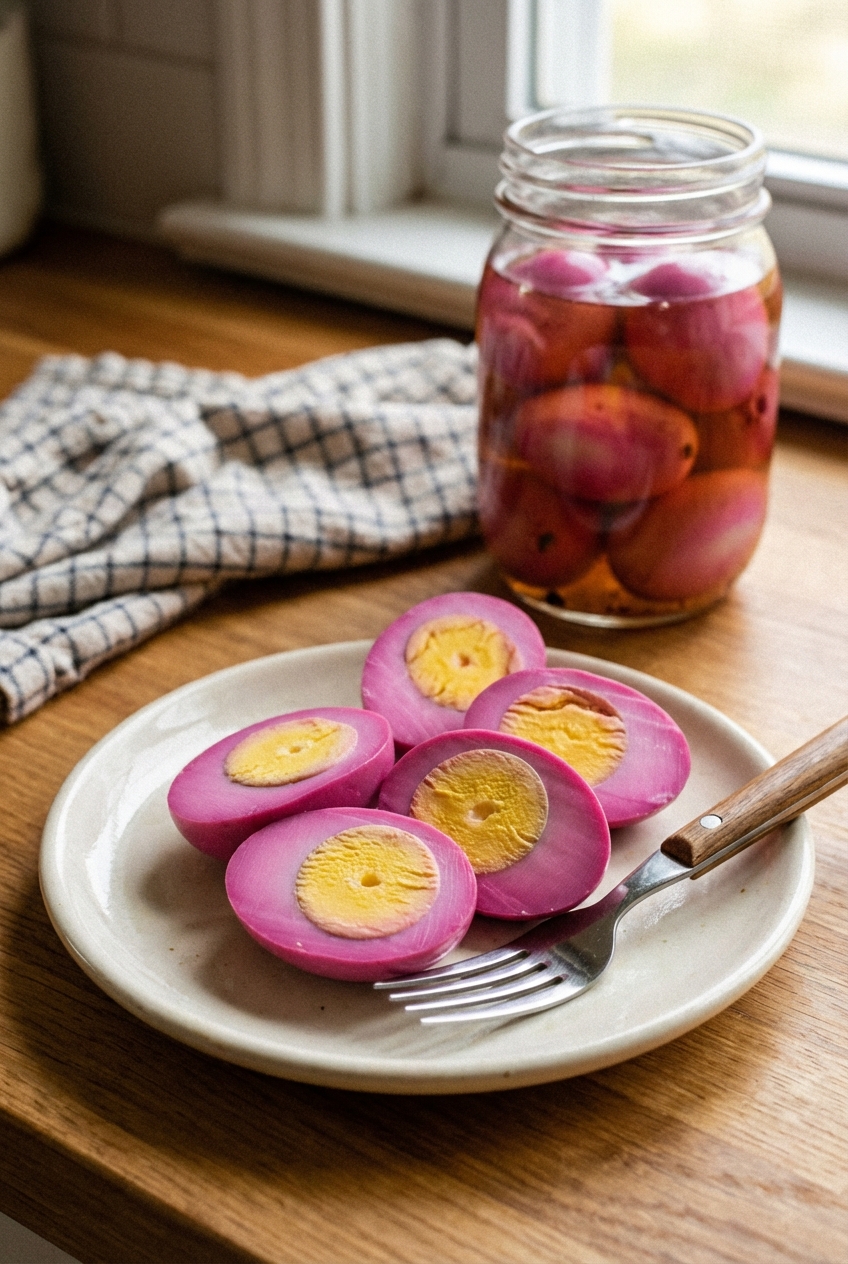
Bright, tangy-sweet pickled eggs with a mellow onion bite and a classic pink beet tint. Easy brine, no canning, and they get better every day in the fridge.

Author By Matt Campbell
4.8
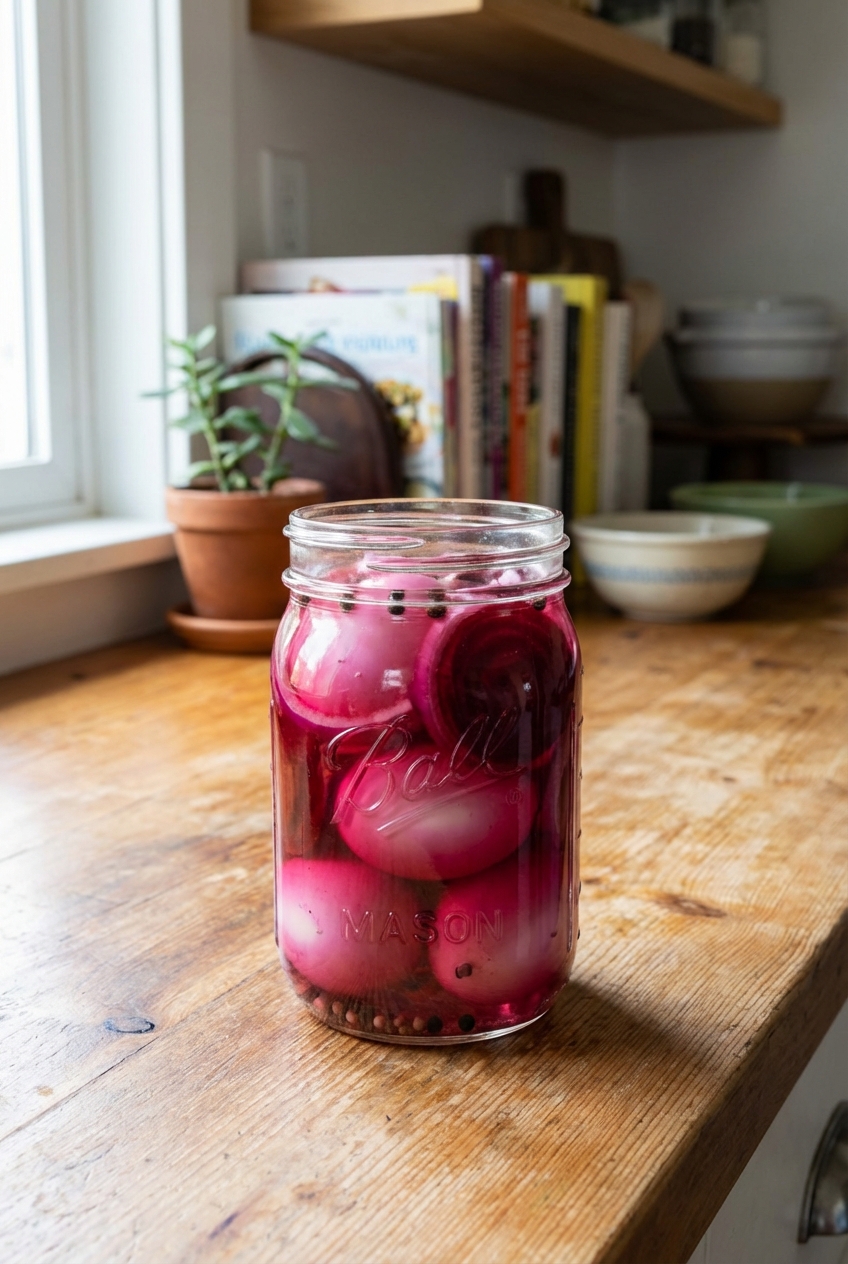
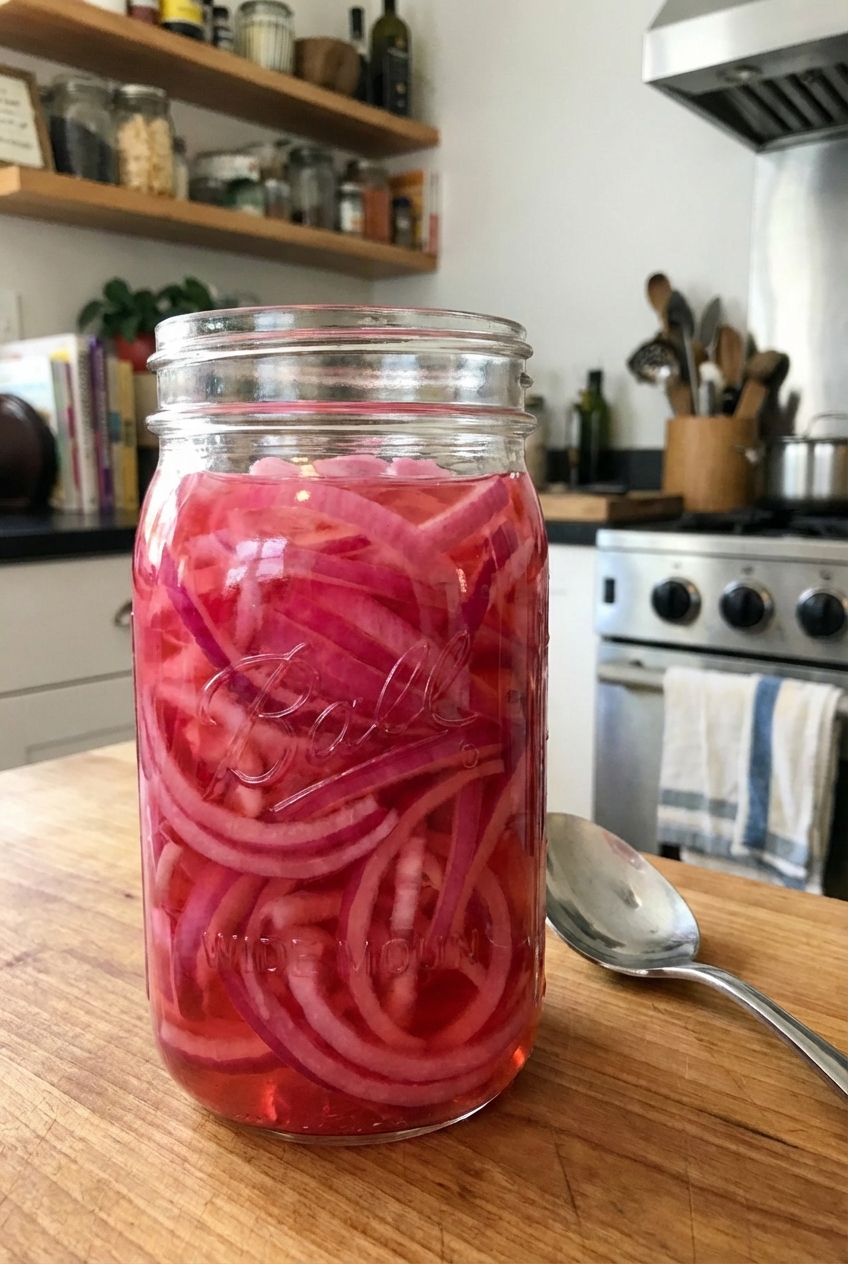
A glass jar of sweet pickled eggs with sliced red onion and beet slices on a wooden kitchen counter in soft natural light

If your fridge could use a little snack with personality, pickled eggs are the move. They are salty, tangy, and just sweet enough to keep you going back for one more bite. This version is the sweet and simple kind: a quick stovetop brine, a jar, and a little patience while the eggs soak up that punchy flavor.

These are not fussy. No canning, no mystery spices you will use once, no special equipment. Just a cozy, reliable brine that plays nice with deviled eggs, salads, ramen, potato bowls, and that late-night standing-in-front-of-the-fridge moment we all know too well.
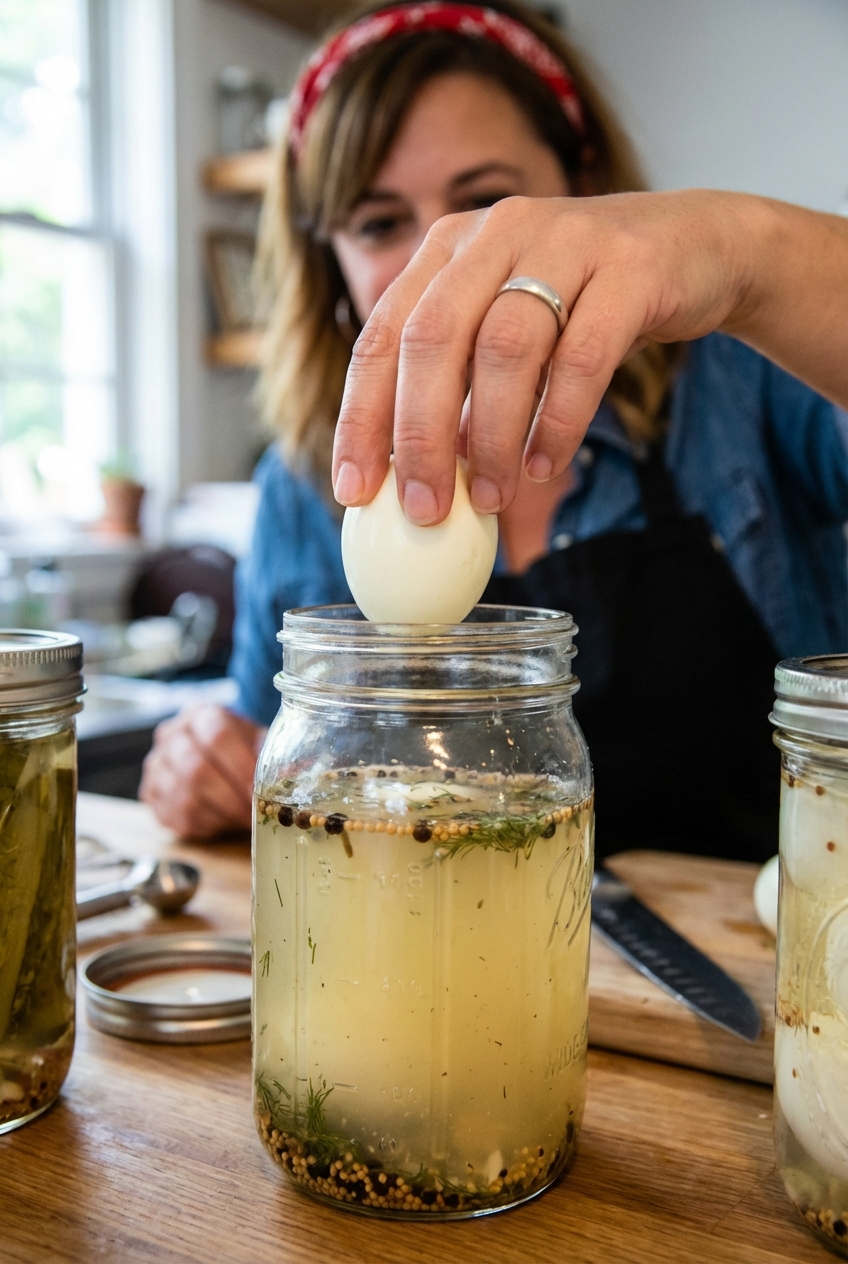
A close-up photograph of a peeled hard-boiled egg being lowered into a jar of pickling brine

Why It Works

  • Balanced sweet-tang brine: Sugar softens the vinegar bite so the eggs taste bright, not harsh.
  • Fast flavor build: Warm brine pulls in seasoning quickly, then the fridge does the rest.
  • Clean, sliceable whites: A gentle hard-boil and an ice bath help prevent rubbery texture and ugly peels.
  • Customizable heat and spice: Keep it mild for picky eaters or add chile for a little swagger.

Pairs Well With

  • A bowl of creamy potato salad with celery and herbs on a picnic table

    Creamy Potato Salad

  • A plate of deviled eggs sprinkled with paprika on a white serving platter

    Classic Deviled Eggs

  • A bowl of ramen with sliced pickled egg, scallions, and chili oil

    Quick Weeknight Ramen

  • A green salad with cucumbers, tomatoes, and a simple vinaigrette in a large bowl

    Easy Garden Salad

Storage Tips

Refrigerate only: Keep pickled eggs in the fridge in a tightly sealed jar. This is a quick pickle, not shelf-stable canning.

Best container: Glass jar with a non-reactive lid is ideal. If your lid is metal, place a layer of parchment between the lid and the jar to help prevent corrosion.

How long they last: For best quality, enjoy within 2 weeks. If the brine turns cloudy, smells off, or the eggs feel slimy, toss them.

Flavor timeline: They are tasty at 24 hours, better at 3 days, and fully “pickle-y” at about 5 to 7 days.

Serving tip: Pull out what you need with a clean fork. It helps the whole jar stay fresh longer.

Common Questions

How soon can I eat pickled eggs?

You can eat them after 24 hours, but they really hit their stride at 3 days. For maximum flavor all the way to the yolk, give them 5 to 7 days.

Do I need to use beet slices?

Nope. The beet slices are mostly for that pretty pink color and a whisper of earthy sweetness. You can leave them out entirely and the eggs will still taste great. No need to add extra water, since we are not trying to dilute the brine.

What kind of beet should I use for color?

A standard red beet gives you the classic pink tint. If you specifically want a more golden look, use a golden beet, but the color will be subtler.

Why are my eggs hard to peel?

Super fresh eggs can be stubborn. An ice bath helps, and so does peeling under a thin stream of cool water. If you have the option, eggs that are a week old tend to peel easier.

Can I reuse the brine for another batch?

I do not recommend it. Once eggs sit in brine, the liquid gets diluted and the food safety margin gets murkier. Fresh brine is cheap insurance.

Can I make these less sweet?

Yes. Start with 1/4 cup sugar instead of 1/2 cup. Taste the warm brine and adjust from there. It should taste a little too strong, because the eggs mellow it out.

Are pickled eggs safe at room temperature?

They should not sit out for long. Treat them like any hard-boiled egg. Serve a small plate and keep the jar in the fridge, especially for potlucks and holidays.

I started making pickled eggs because I wanted a snack that had the same energy as a great sauce: bold, bright, and ready to rescue whatever was in the fridge. The first time I nailed the brine, I ate one standing over the sink like a gremlin and immediately made a second jar. They are the kind of low-effort kitchen project that makes you feel weirdly accomplished, like, “Look at me. I have a jar of deliciousness aging in the fridge.”