Mom's Best Recipes
Recipe

Fresh White Bread Recipe

Soft, lightly sweet, and beginner-friendly. This simple loaf bakes up tall with a tender crumb, golden edges, and that bakery smell that makes everyone “just check” the kitchen.

Author By Matt Campbell
4.8
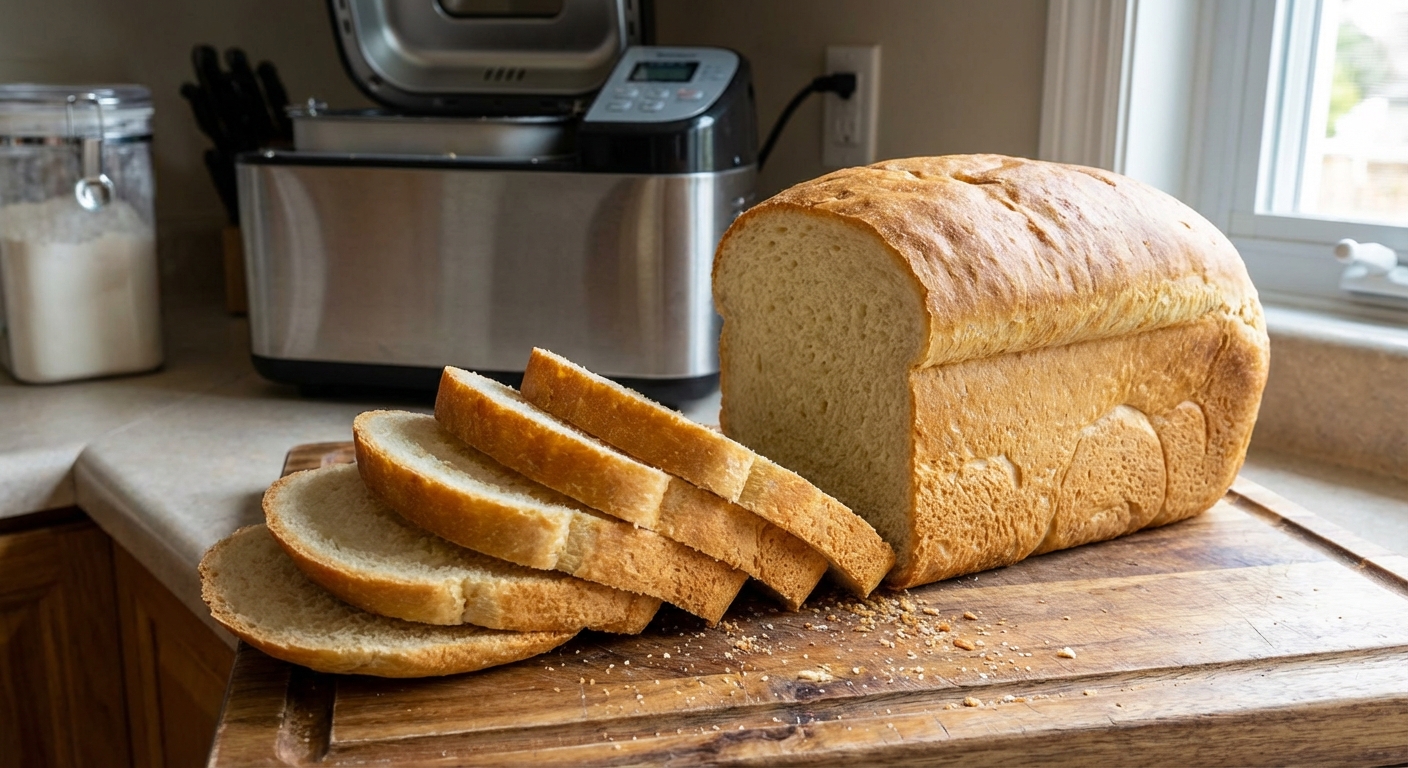
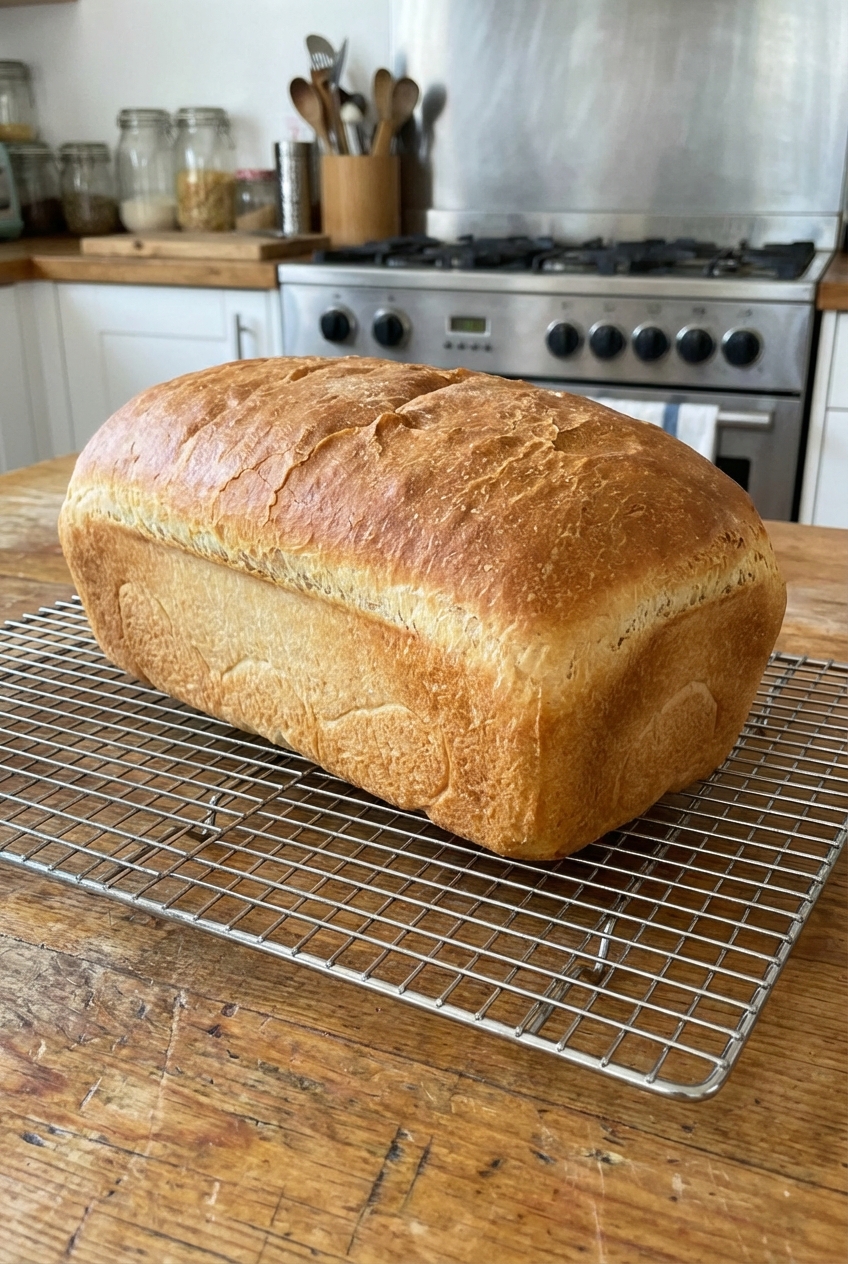
A golden brown loaf of homemade white bread cooling on a wire rack on a wooden counter

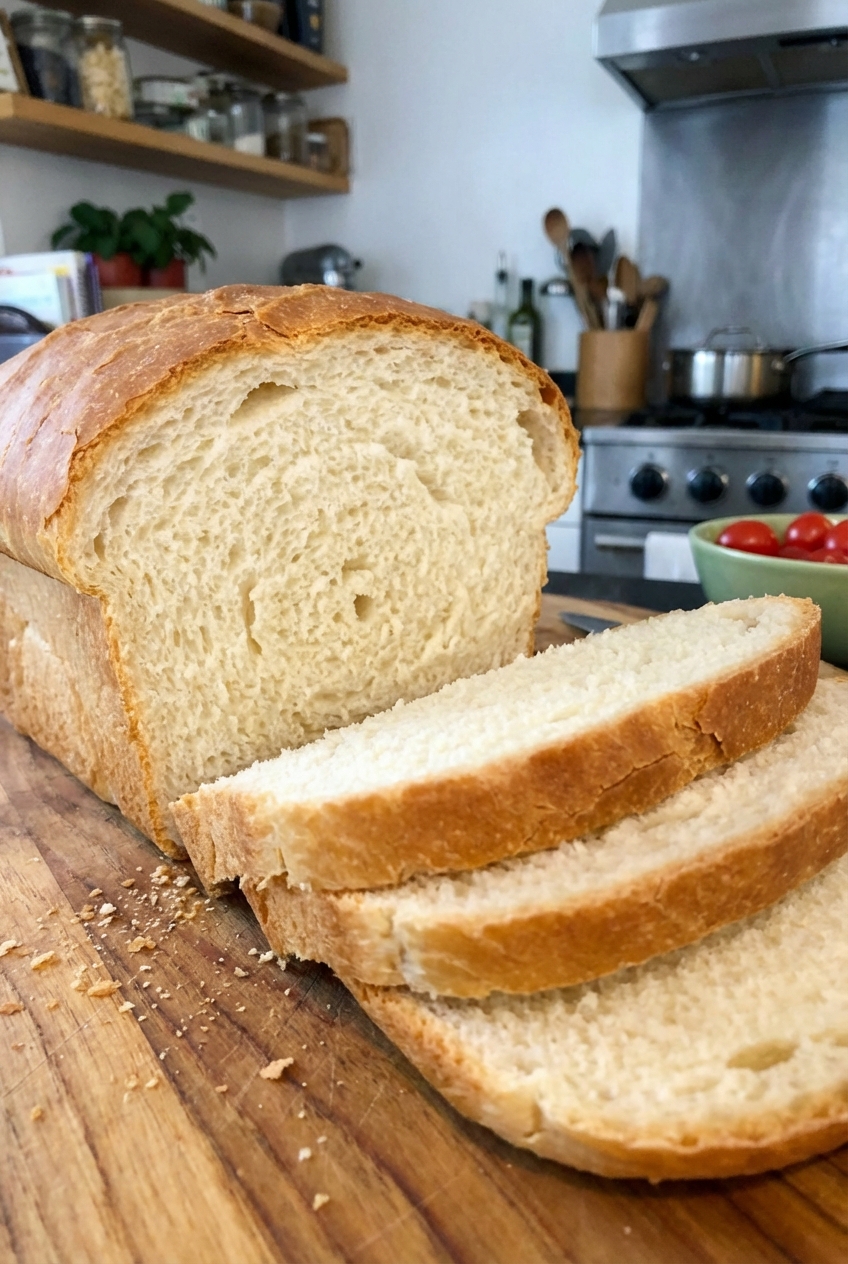
I love a bread recipe that feels like a warm handshake. This one is exactly that: a fresh white bread loaf with a gentle sweetness, a soft interior, and a crust that goes golden without turning tough. It is the kind of bread that makes peanut butter taste better and turns plain butter into a whole situation.

Also, if bread has ever made you nervous, welcome. We are keeping this relaxed and practical. You do not need fancy flour, a stand mixer, or a personality built around sourdough. You just need a bowl, a little patience, and permission to poke the dough once or twice like you are checking if it is alive. It is.

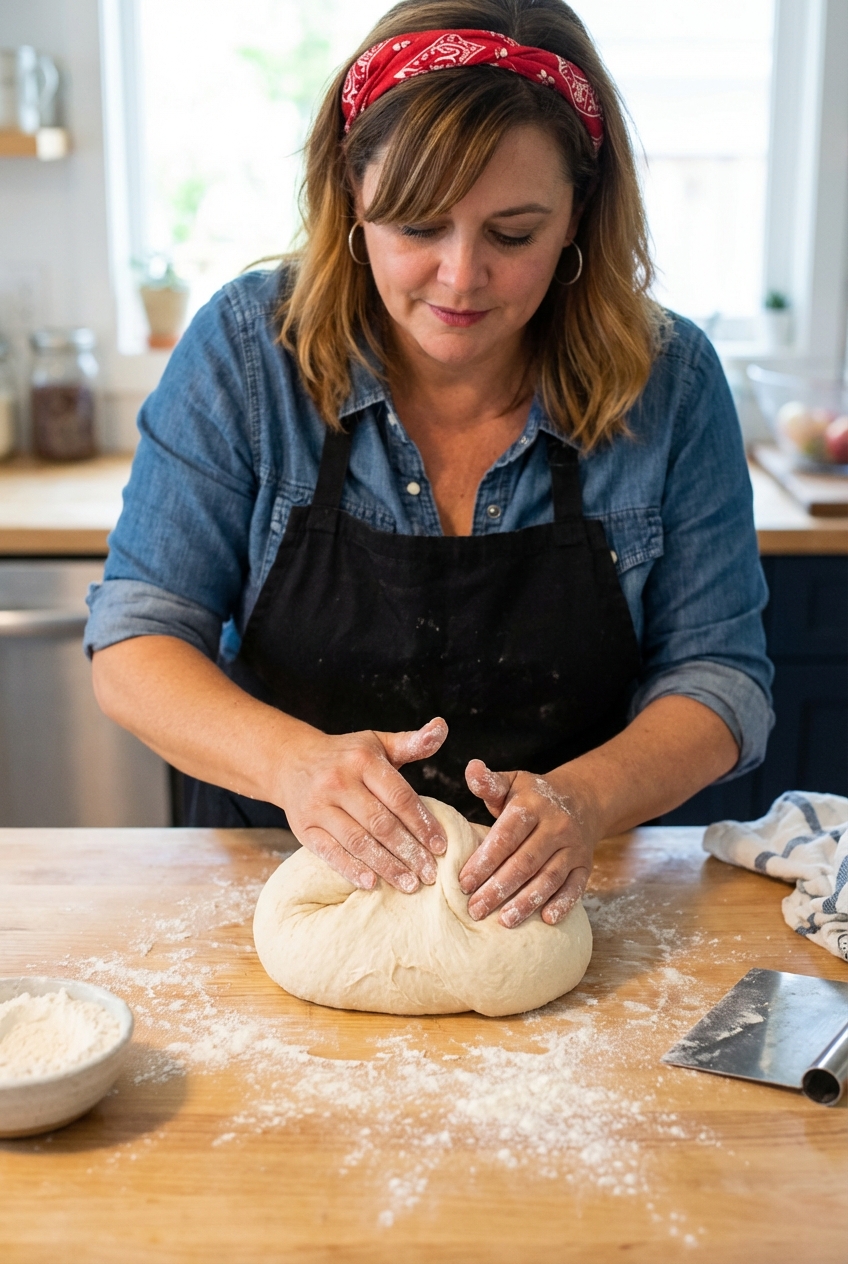
Hands shaping soft bread dough on a lightly floured countertop

Why It Works

  • Soft and sliceable: Milk, butter, and a touch of sugar give you that tender, sandwich-ready crumb.
  • Reliable rise: One straightforward dough with two rises. No complicated folds or starter babysitting.
  • Balanced sweetness: Just enough to taste “homey,” not dessert-like, and it browns beautifully.
  • Accessible ingredients: Pantry basics you can grab at any grocery store.

Pairs Well With

  • A bowl of creamy tomato soup with basil

    Creamy Tomato Soup

  • A grilled cheese sandwich sliced in half with melted cheese

    Classic Grilled Cheese

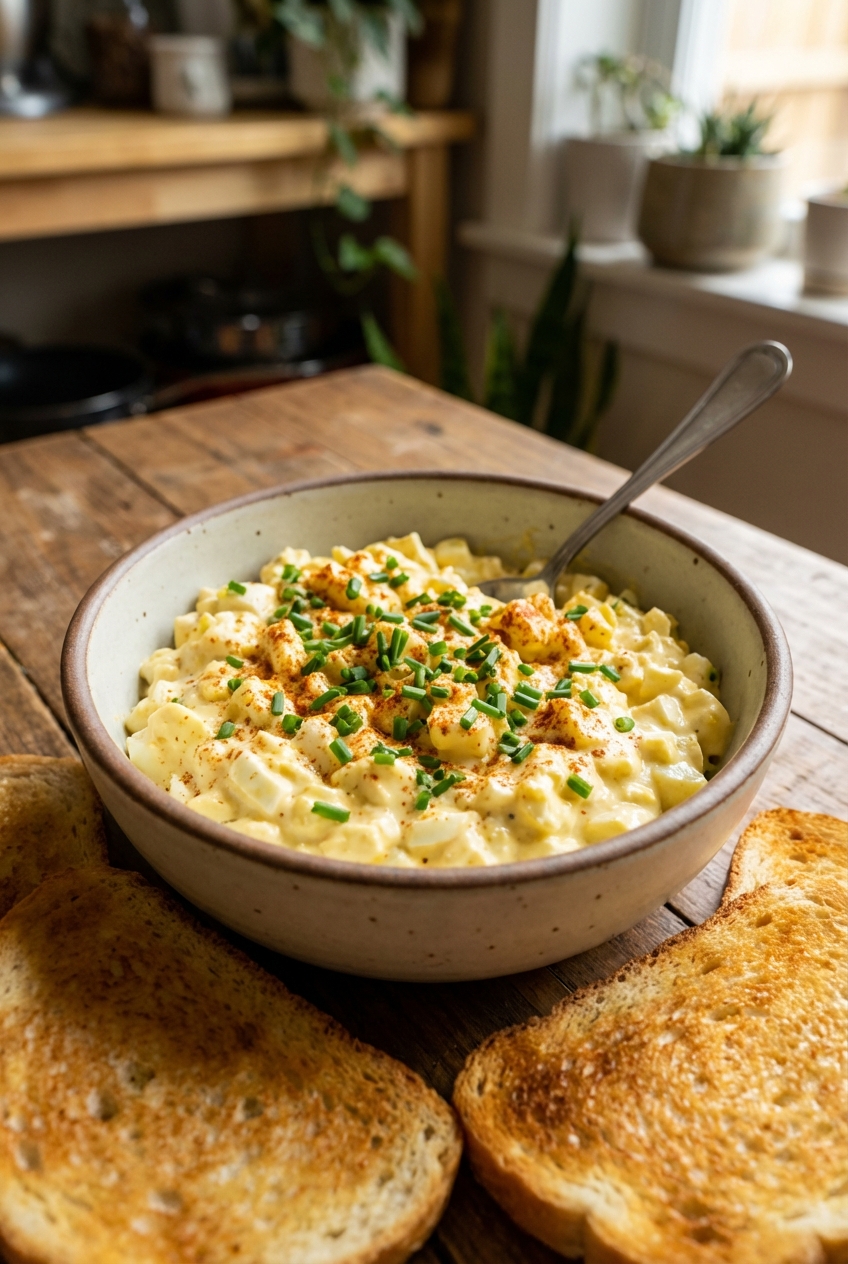
  • A plate of scrambled eggs with chives

    Soft Scrambled Eggs

  • A jar of strawberry jam with a spoon

    Quick Strawberry Jam

Storage Tips

How to Store It

Let it cool completely before storing. Trapping steam is how you end up with a gummy loaf, and nobody asked for that.

Room temperature

  • Store tightly wrapped or in a bread bag for 2 to 3 days.
  • For the softest slices, keep it away from direct sunlight and heat.

Freezer (best option)

  • Slice the cooled loaf, then freeze slices in a freezer bag for up to 3 months.
  • Toast straight from frozen or thaw slices at room temperature for 15 to 20 minutes.

Revive day-old bread

  • Toast it, make French toast, or warm slices for 10 to 15 seconds in the microwave and immediately butter them.

Common Questions

Troubleshooting and Tips

Can I make this bread without a stand mixer?

Yes. A bowl and your hands work great. Knead until the dough is smooth and stretchy, usually 8 to 10 minutes. If it feels sticky, add flour slowly, 1 tablespoon at a time.

Why did my bread not rise?

Most common reasons: your yeast was old, the milk was too hot and damaged the yeast, or the dough rose somewhere too cold. Aim for a cozy spot around 75°F to 80°F (warmer is fine, it just goes faster).

How do I know the dough is kneaded enough?

It should look smoother, feel elastic, and pass a simple “stretch test.” Pinch off a small piece and gently stretch it. If it stretches thin without tearing right away, you are in good shape.

Can I reduce the sugar?

Yes. You can drop it to 1 tablespoon. If you do, use that full tablespoon in Step 1 with the warm milk to help the yeast wake up. Then skip the “remaining sugar” in Step 2, because there will not be any left to add. The loaf will be a little less tender and slightly less golden, but still delicious.

My top is browning too fast. What should I do?

Loosely tent the loaf with foil for the last 10 to 15 minutes of baking. Keep baking until the bread is done inside.

How do I know the loaf is fully baked?

The top should be deep golden. If you have a thermometer, the center should read about 190°F to 200°F. You can also tap the bottom of the loaf. It should sound hollow.

How should I measure flour?

For the softest loaf, spoon and level your flour. Spoon it into the measuring cup, then level it off with a knife. Scooping straight from the bag can pack in extra flour and make the loaf dry.

Does pan material matter?

Yes. This recipe is written for a standard metal 9 x 5-inch loaf pan. If you use glass, the loaf may bake a little differently. Start checking a few minutes early, and rely on color and internal temperature more than the clock.

I started making simple white bread when I realized something: the “hard part” is mostly just timing. Once you bake a loaf and slice into that still-warm, slightly steamy center, it clicks. This is not a flex, it is a weekly tool. I bake it when I want the house to smell like comfort and when I need a bread that can do everything: sandwiches, toast, butter delivery system, emergency snack. The little bit of sugar is my favorite move because it makes the loaf taste like home without turning it into cake.