Mom's Best Recipes
Recipe

Fresh Wild Rice Recipe

A healthy, wholesome wild rice pilaf with crisp-edged mushrooms, bright lemon, and herbs. Cozy enough for weeknights, special enough for guests.

Author By Matt Campbell
4.8
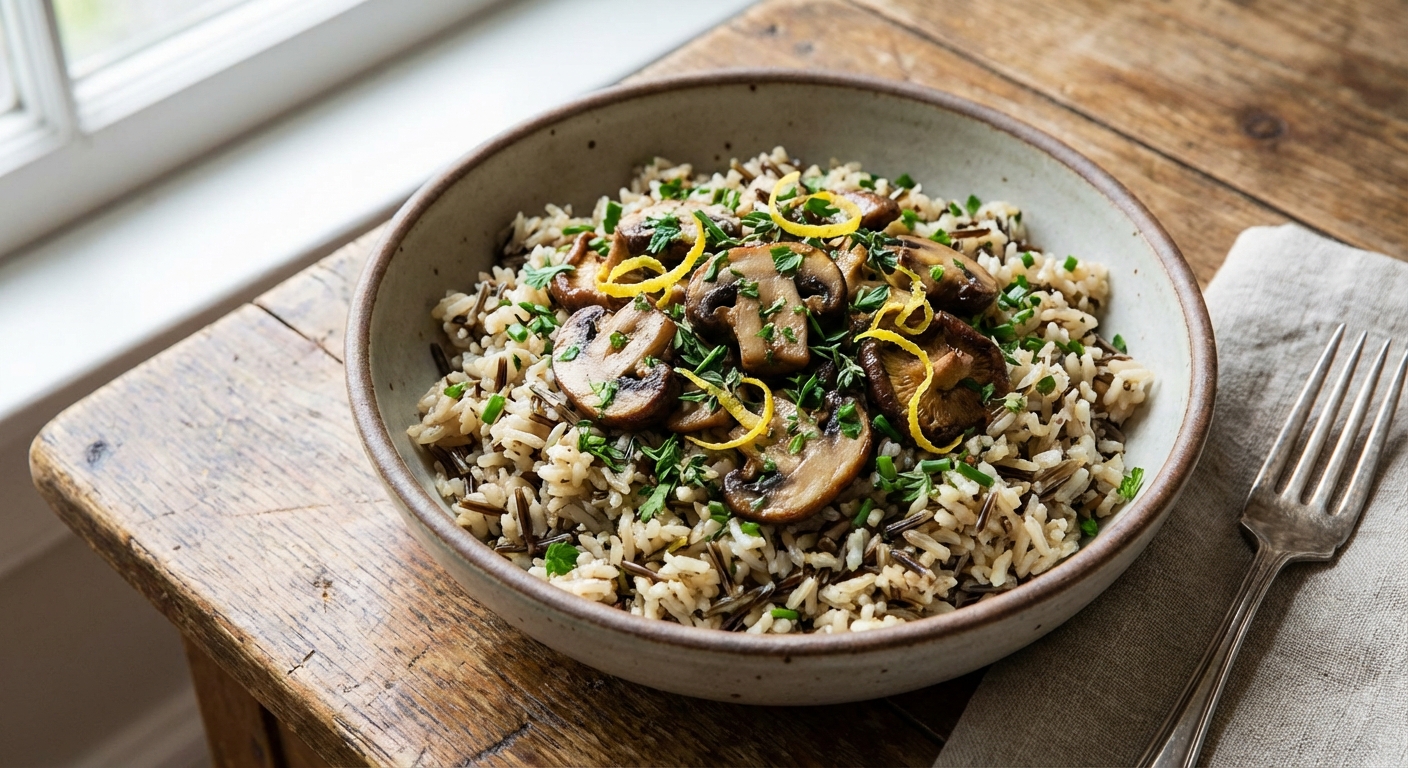
A bowl of fluffy wild rice pilaf with sautéed mushrooms, chopped herbs, and lemon zest on a wooden table

Wild rice is the kind of ingredient that makes a regular dinner feel like you tried harder than you actually did. It is nutty, chewy, and naturally gluten-free, with that cozy, woodsy vibe that plays well with just about anything from roast chicken to a fried egg.

This fresh wild rice recipe is my go-to “healthy but not sad” side. We toast the grains for extra flavor, simmer them in broth (and top it off if your rice is thirsty), then fold in crisp-edged mushrooms, a quick hit of lemon, and herbs. The result is wholesome, satisfying, and honestly the kind of bowl you keep sneaking bites from while you clean up.
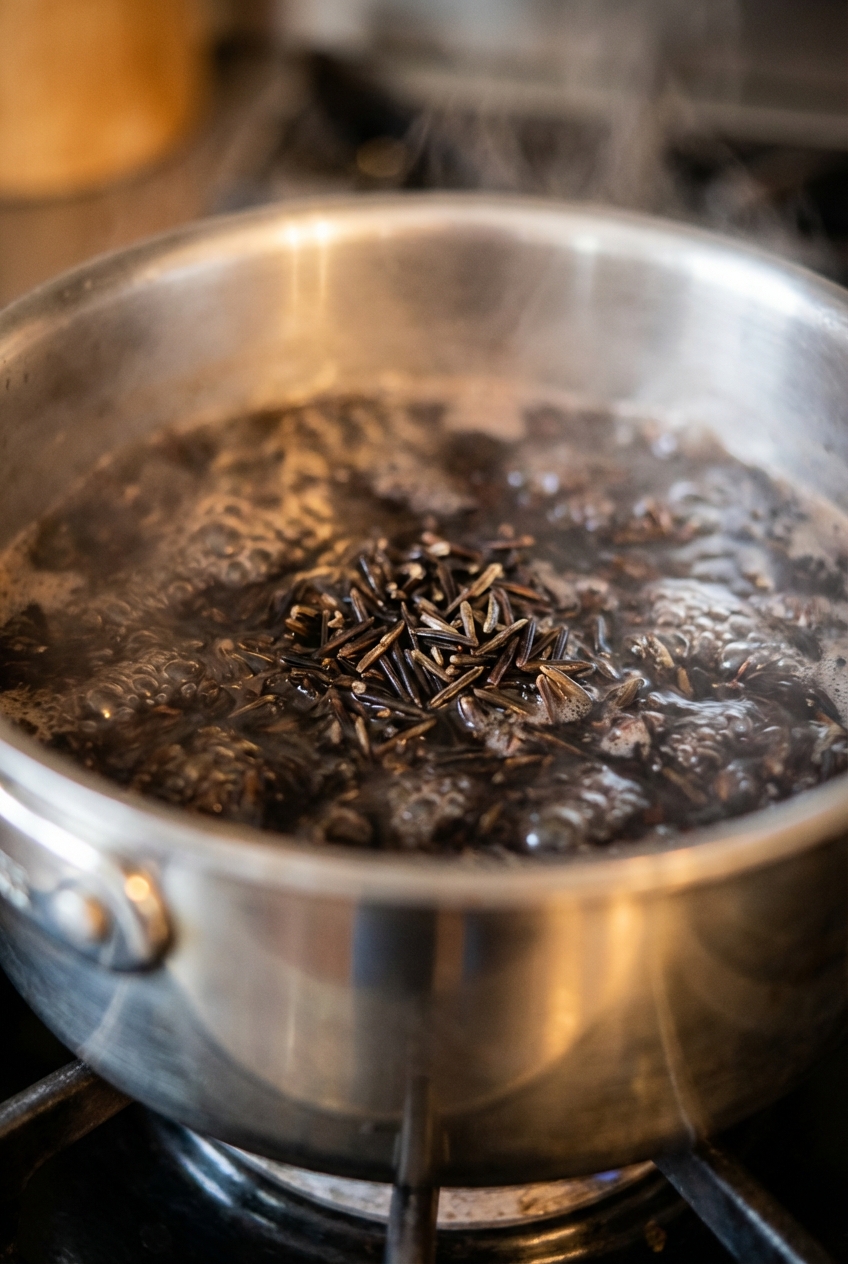
A close-up of wild rice grains simmering in a pot with steam rising

Why It Works

  • Big texture payoff: Wild rice stays pleasantly chewy and never turns to mush if you cook it right.
  • Flavor built in layers: Toasting the rice and browning the mushrooms gives you that savory depth without needing anything fancy.
  • Bright finish: Lemon zest and juice wake everything up so it tastes fresh, not heavy.
  • Flexible: Serve it as a side, stuff it into squash, or turn it into a meal with beans, chicken, or a soft egg.

Pairs Well With

Storage Tips

Refrigerate: Cool completely, then store in an airtight container for up to 4 days.

Reheat: Warm in a skillet with a splash of broth or water over medium heat, stirring occasionally. Microwave works too, but the skillet keeps the mushrooms a little more lively.

Freeze: Wild rice freezes well. Portion into freezer-safe containers and freeze up to 3 months. Thaw overnight in the fridge before reheating.

Meal prep tip: If you know you are making this for lunches, keep the herbs and lemon to add after reheating. It tastes brighter that way.

Common Questions

Is wild rice actually rice?

Not exactly. Wild rice is the seed (grain) of an aquatic grass (Zizania). It cooks up darker, chewier, and nuttier than white or brown rice, and it is naturally gluten-free.

Do I need to rinse wild rice?

Yes, it is worth the 10 seconds. Rinse in a fine-mesh strainer to wash off any dust or debris and a little surface starch. It helps the grains stay distinct.

How do I know when wild rice is done?

The grains should be tender but still pleasantly chewy, and many will split open at the ends. True wild rice varies by brand and age, so start checking around 40 minutes and do not be surprised if it takes closer to 60. If it is still hard in the center, keep simmering and add a little more broth as needed.

Should there be liquid left in the pot?

Sometimes, yes. Wild rice does not always absorb liquid the way white rice does. If the rice is tender and there is still broth hanging out at the bottom, just drain it off before mixing with the mushrooms.

Can I use a wild rice blend?

You can, but cook times vary because blends often include brown rice, red rice, or white rice. If using a blend, follow the package timing and add the mushroom mixture at the end.

What can I add to make it a full meal?

Try shredded rotisserie chicken, chickpeas, roasted sweet potato, toasted pecans, dried cranberries, or a fried egg on top. Wild rice loves company.

How do I make it vegetarian or vegan?

Use vegetable broth. For vegan, skip the optional butter (or use a plant-based butter). It is still plenty flavorful.

I started making wild rice when I realized I wanted “healthy sides” that still had personality. You know, the kind that does not taste like it is punishing you for ordering fries last weekend. The first time I nailed the texture, chewy with those little grains splitting open, I was hooked. Now it is my quiet flex at family dinners. It looks fancy, it tastes even better the next day, and it makes me feel like I have my life together even if my sink says otherwise.