Mom's Best Recipes
Recipe

Fusion Dill Dip Recipe

A light, fluffy dill dip with a tangy yogurt base, a little miso depth, and a bright lemon finish. Built for chips, veggies, salmon, and anything that needs a creamy, herby upgrade.

Author By Matt Campbell
4.8
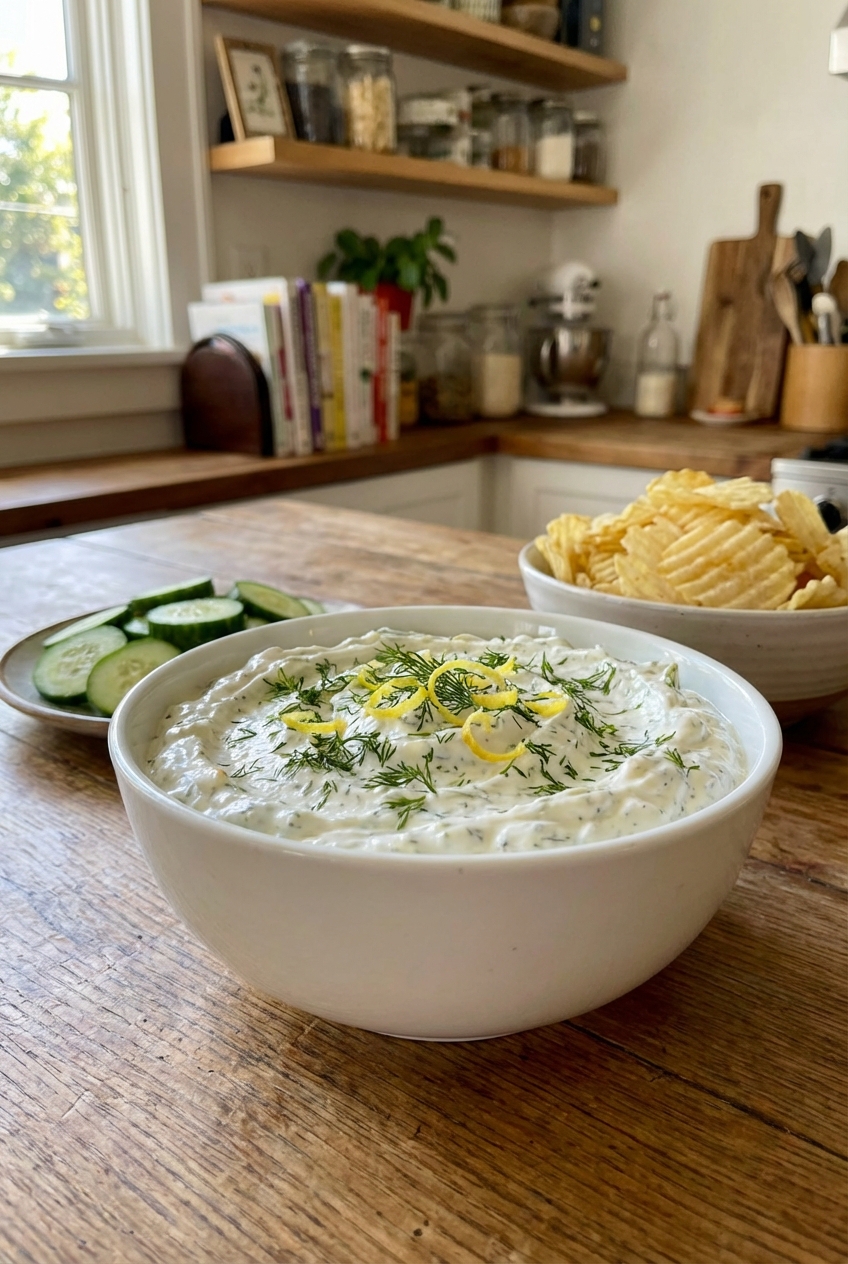
A bowl of light, fluffy dill dip topped with fresh dill and lemon zest on a wooden table with sliced cucumbers and potato chips nearby

I love a classic dill dip. But I also love when a “nice, familiar” dip suddenly has range. This one stays true to the cool and creamy vibe, then sneaks in a few fusion moves that make you keep dipping even when you promised yourself you were done.

We are going for light and fluffy, not heavy and gluey. The base is yogurt-forward with just enough mayo for that old-school deli comfort. Then comes the flavor stacking: a little white miso for savory depth, lemon for pop, and a whisper of garlic that does not bulldoze the dill. It tastes like ranch’s herby cousin who travels and owns a good knife.
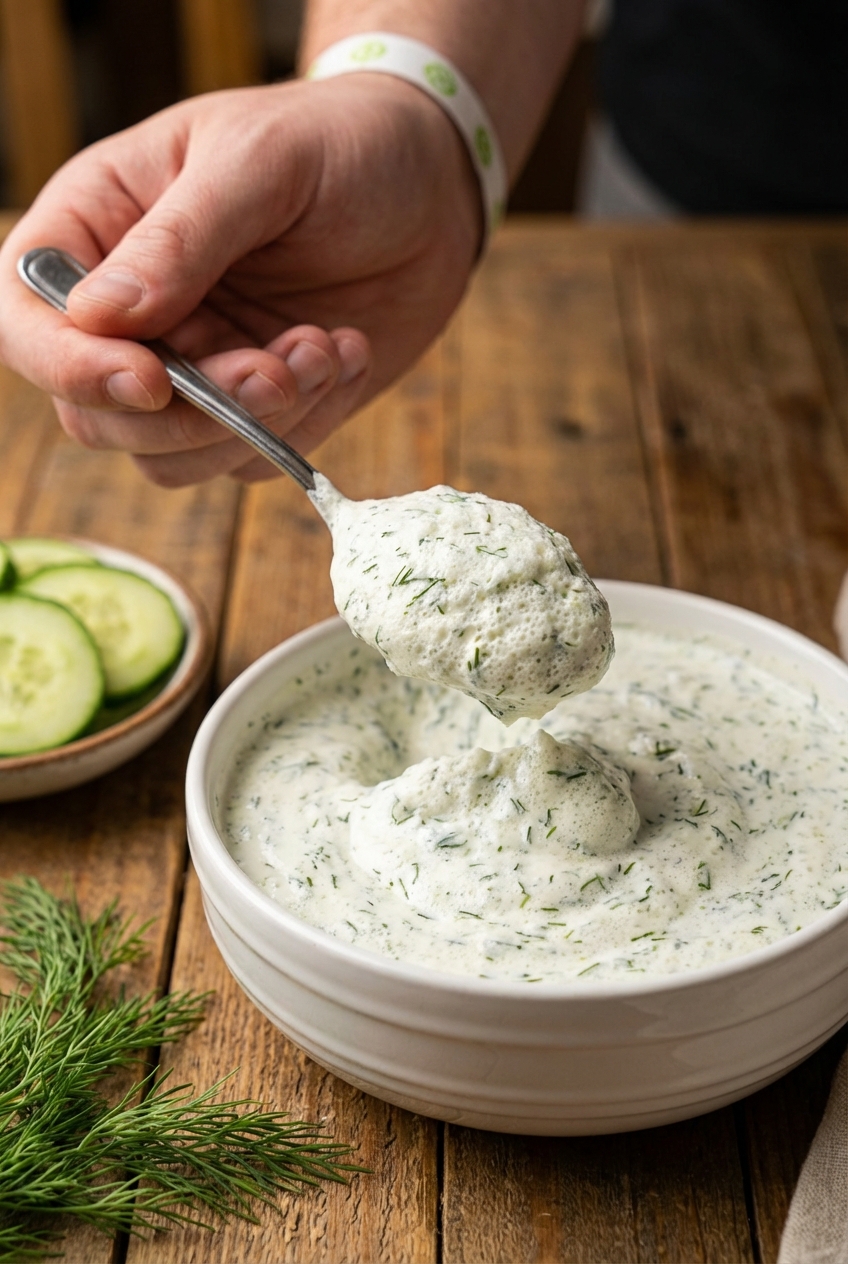
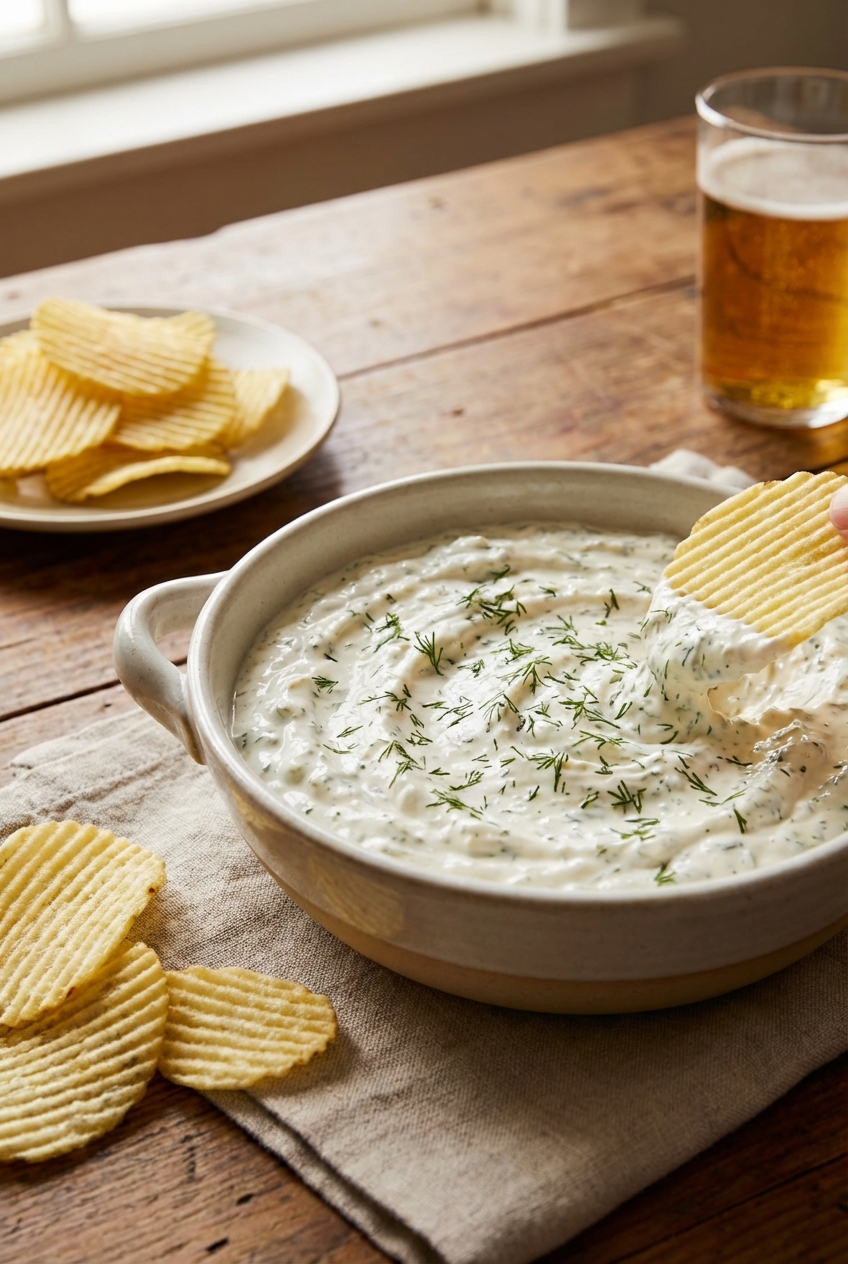
A spoon lifting a fluffy scoop of dill dip from a bowl, showing its airy texture

Why It Works

  • Fluffy texture without weird tricks: Whisking the mayo and yogurt first helps it feel a bit lighter on the tongue.
  • Big flavor from small additions: White miso brings a gentle umami that reads as “wow, what is that?” not “this tastes like miso.”
  • Balanced tang and brightness: Greek yogurt, lemon juice, and a little pickle brine keep it sharp and snackable.
  • Dill stays the star: Fresh dill for aroma, dried dill for steady background flavor. It is a two-dill situation and it works.

Pairs Well With

Storage Tips

Refrigerate: Store in an airtight container for 3 to 4 days. Keep it cold, and if anything smells “off” or the flavor shifts in a bad way, toss it.

Stir before serving: If a little liquid collects on top (totally normal with yogurt), just stir it back in. If you want it extra thick again, add 1 to 2 tablespoons more Greek yogurt.

Do not freeze: Yogurt-based dips can separate and turn grainy after freezing. This one is best enjoyed fresh from the fridge.

Make it party-proof: If it will sit out, keep it over a bowl of ice and return it to the fridge within 2 hours.

Common Questions

What makes this a “fusion” dill dip?

Two small things do a lot of work: white miso for savory depth and lemon plus pickle brine for a brighter, more layered tang. It still tastes like dill dip. It just tastes like dill dip that leveled up.

Can I use all yogurt and skip the mayo?

Yes. Swap the 1/2 cup mayo for 1/2 cup more thick Greek yogurt. It will be tangier and a bit less “classic,” and it can be a touch looser unless your yogurt is very thick. For a rounder feel, add 1 tablespoon olive oil if you want.

How do I keep it from getting watery?

Use thick Greek yogurt and pat the dill dry after washing so rinse water does not sneak into the bowl. If your yogurt is on the loose side, strain it in a coffee filter or cheesecloth for 30 minutes. Also, add pickle brine slowly so you do not overshoot.

Is there a substitute for white miso?

If you do not have miso, you have options. For a similar savory kick, use 1 to 2 teaspoons Worcestershire (start small). Note: many Worcestershire sauces contain anchovies, so it is not always vegetarian. Vegetarian option: use 1 teaspoon tamari or soy sauce plus an extra 1 teaspoon Dijon. The flavor will shift, but it will still be great.

How far ahead can I make it?

Up to 24 hours ahead is prime. The garlic mellows and the dill infuses. Just stir and taste for salt and lemon right before serving.

I started making dips like this when I realized I wanted “snack dinner” to feel like a real plan, not a cry for help. Dill dip is the easiest way to make raw veggies feel less like homework, and it turns chips into something you can serve to guests without apologizing.

The first time I stirred a little miso into a creamy dip, I fully expected it to taste like I dropped the bowl in a ramen shop. Instead, it tasted like the dip had a bass line. Now I keep this version in my back pocket for game nights, potlucks, and those weeks where cooking is happening, but only in the chillest way possible.