What is gai lan, exactly?
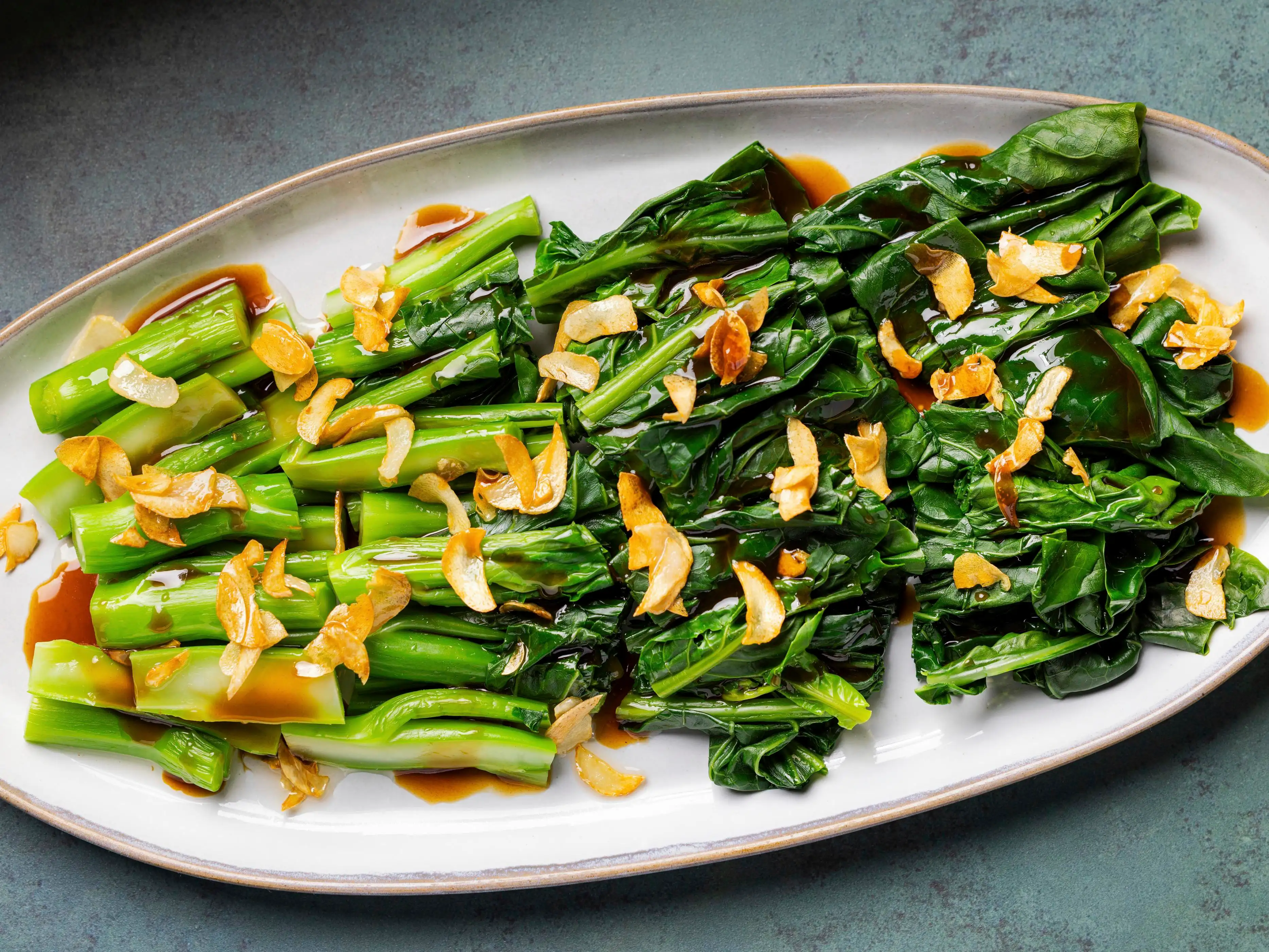
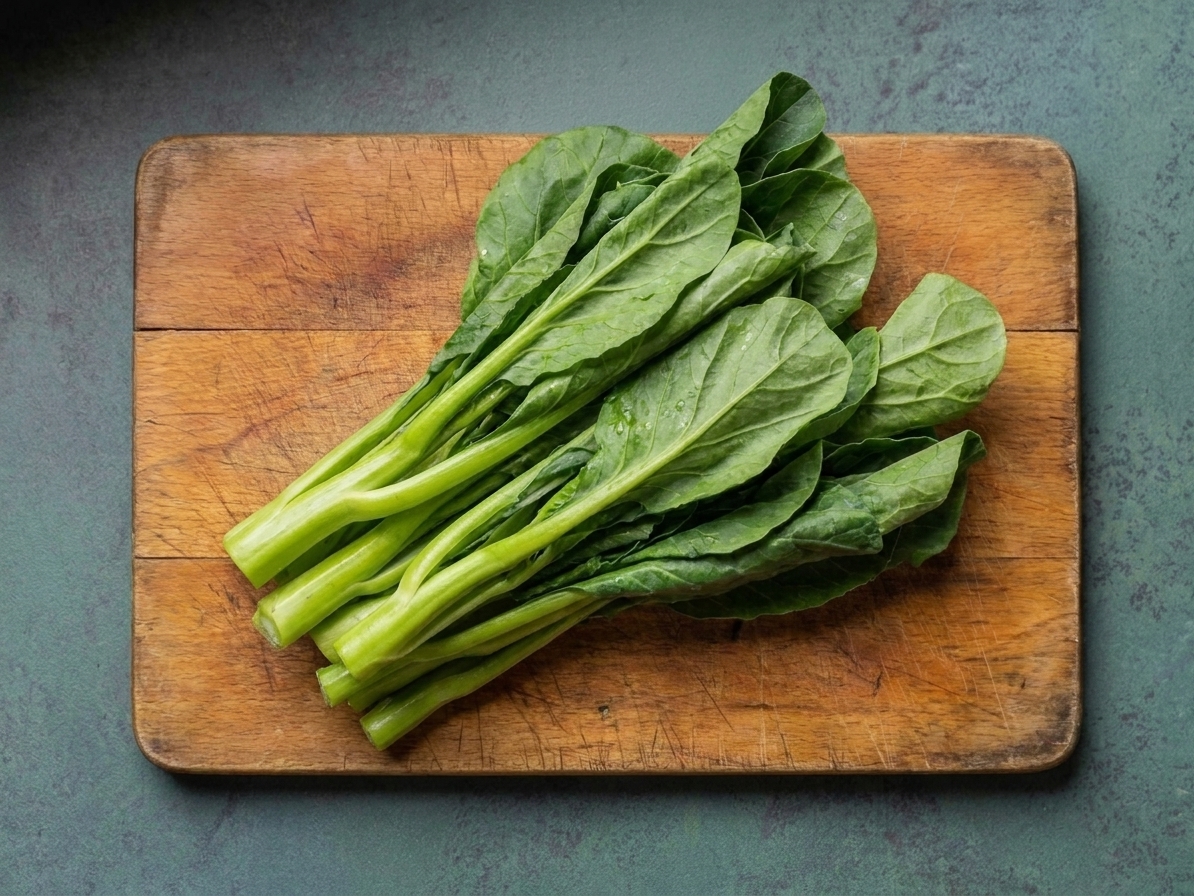
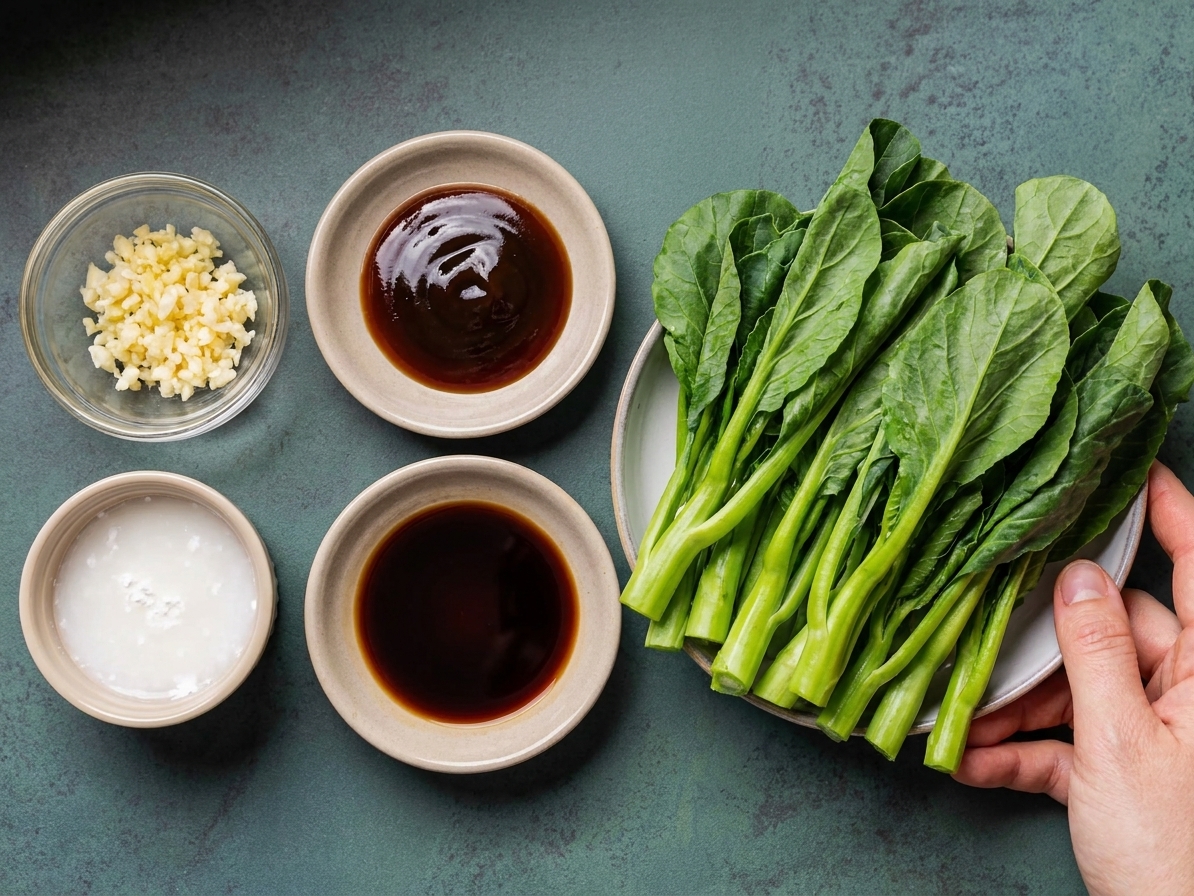
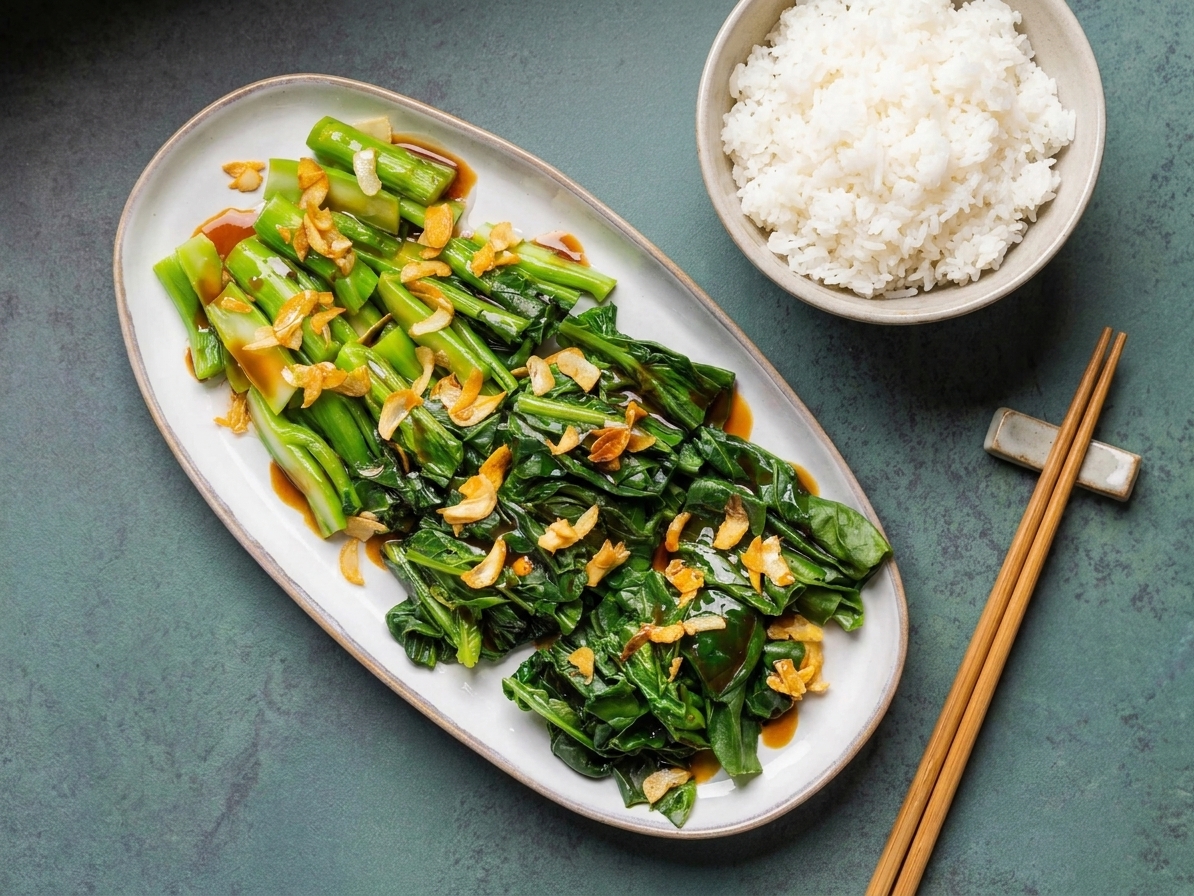
Gai lan is Chinese broccoli (also called Chinese kale). Eating-wise, it is similar to broccolini in size and shape, but with thicker stems and darker, slightly bitter leaves. When cooked right, the stems turn sweet and the leaves get silky.
Do I have to blanch it?
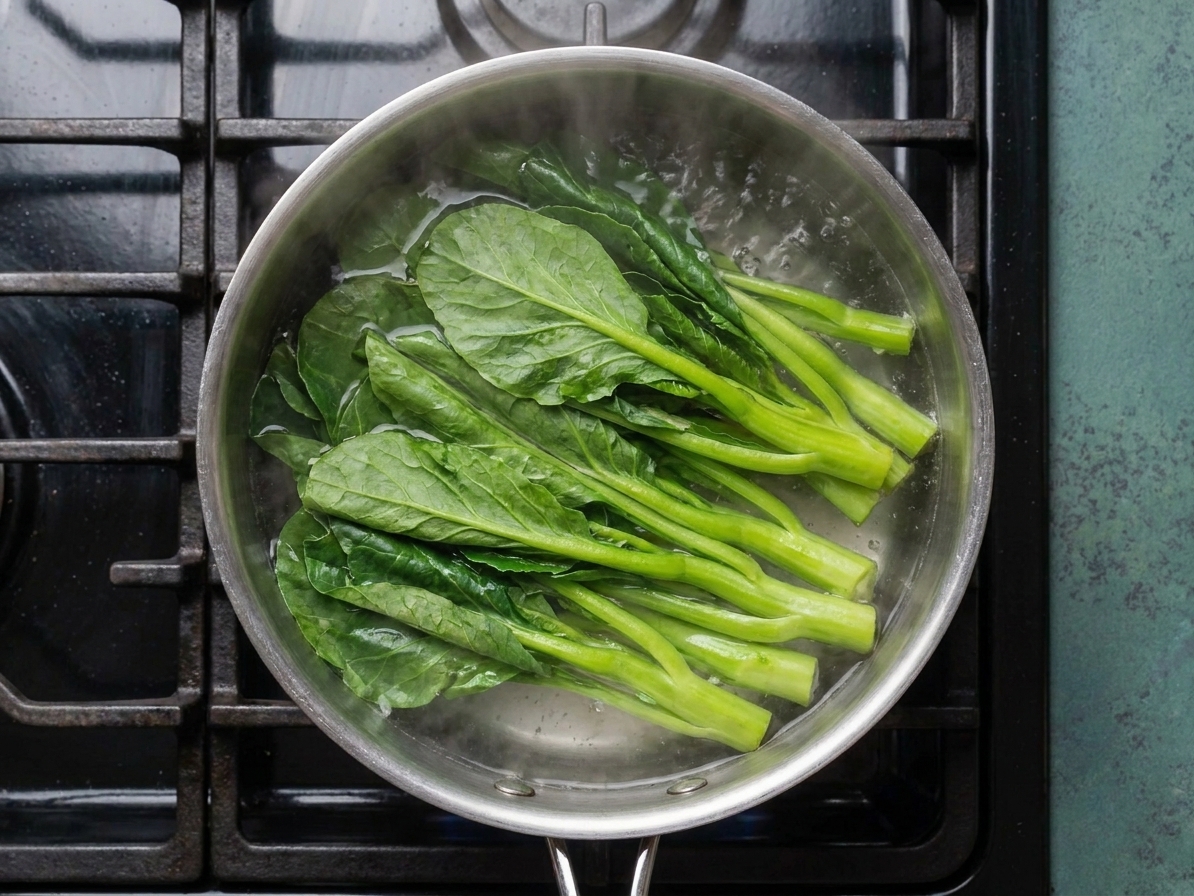
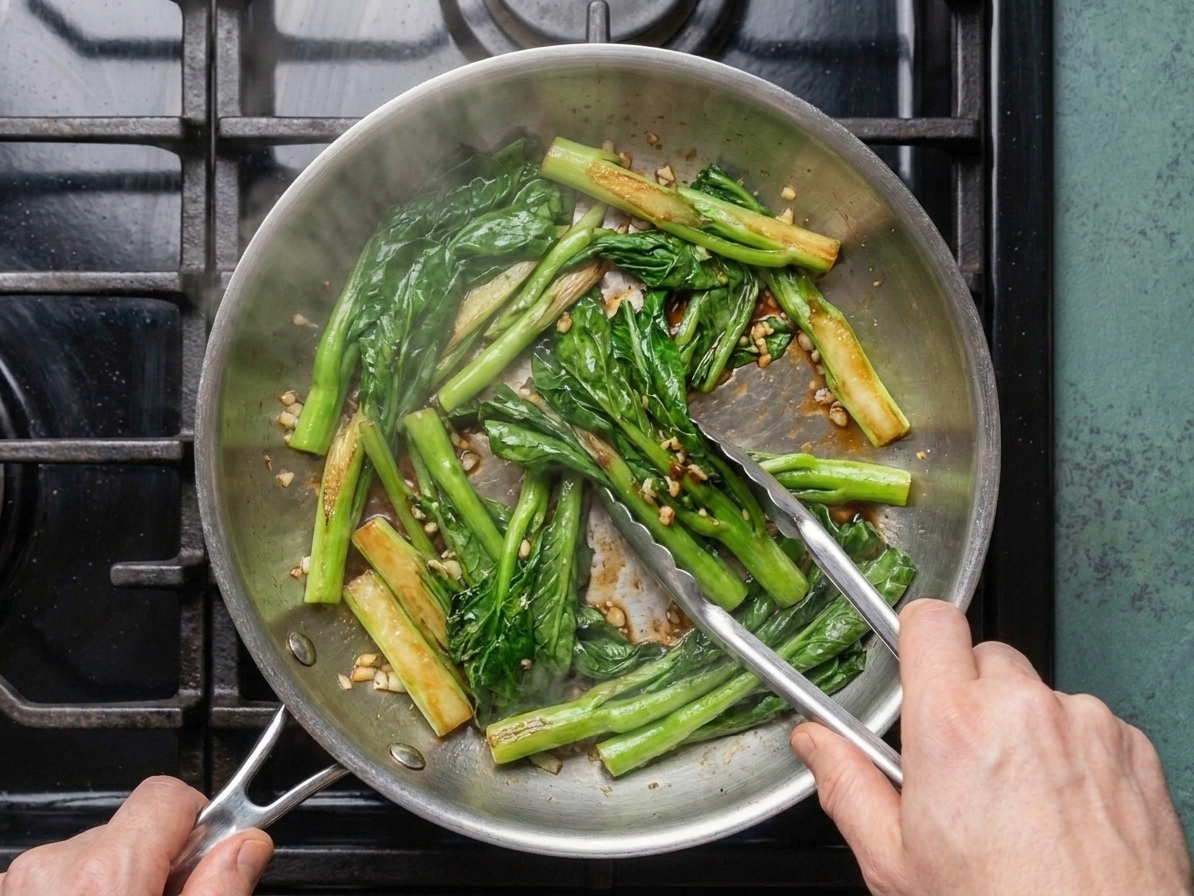
I strongly recommend it, especially if the stems are thick. Blanching takes the “raw crunch” edge off and helps everything cook evenly. If your gai lan is very thin and young, you can skip blanching and just stir-fry longer with a splash of water, but it is easier to overcook the leaves.
How do I cut gai lan so it cooks evenly?
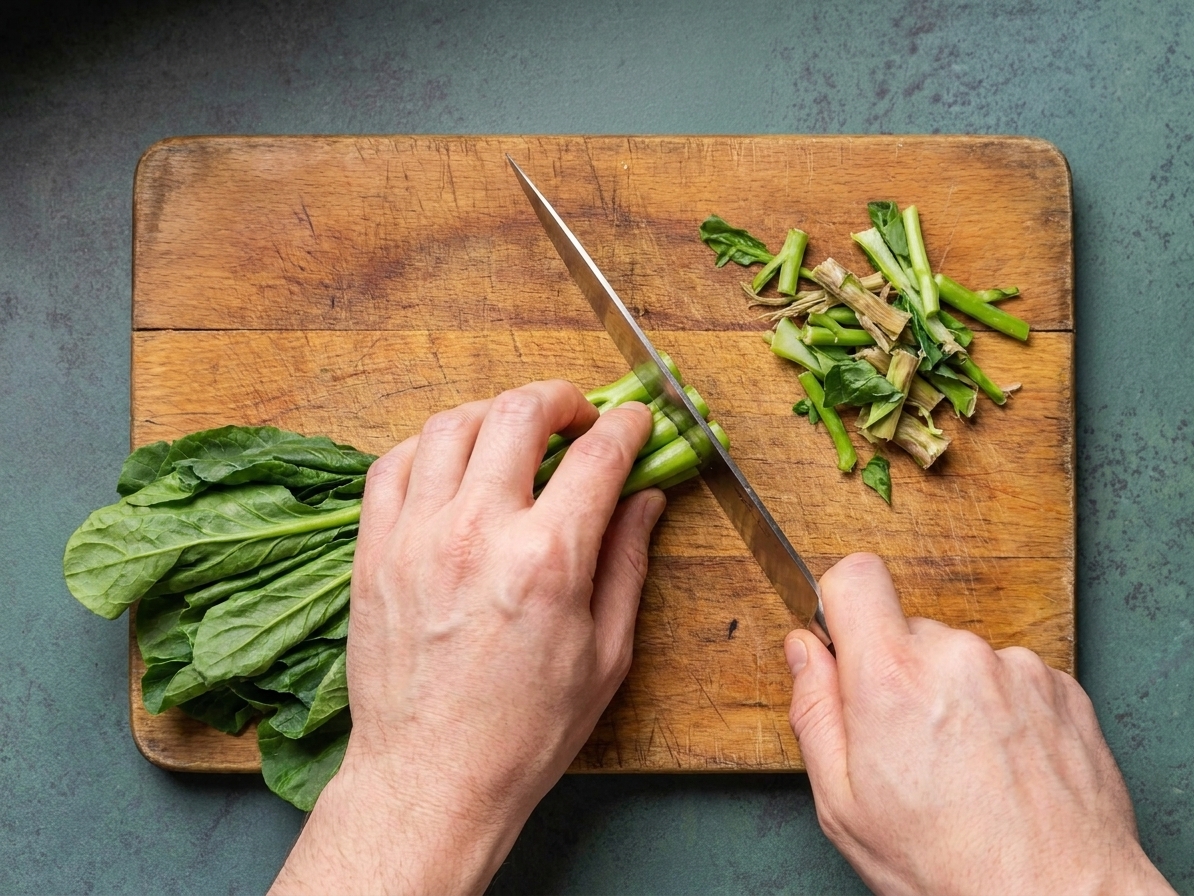
Trim the dry end, then separate thick stems from leafy tops. If the stems are thicker than your pinky, slice them in half lengthwise. Add stems to the blanching water first, then leaves.
Should I peel the stems?
Sometimes, yes. If the bottom stems look extra thick or feel fibrous, use a peeler to shave off the tough outer layer on the lower few inches. It is a small step that makes the stems eat tender instead of stringy.
Can I make this without oyster sauce?
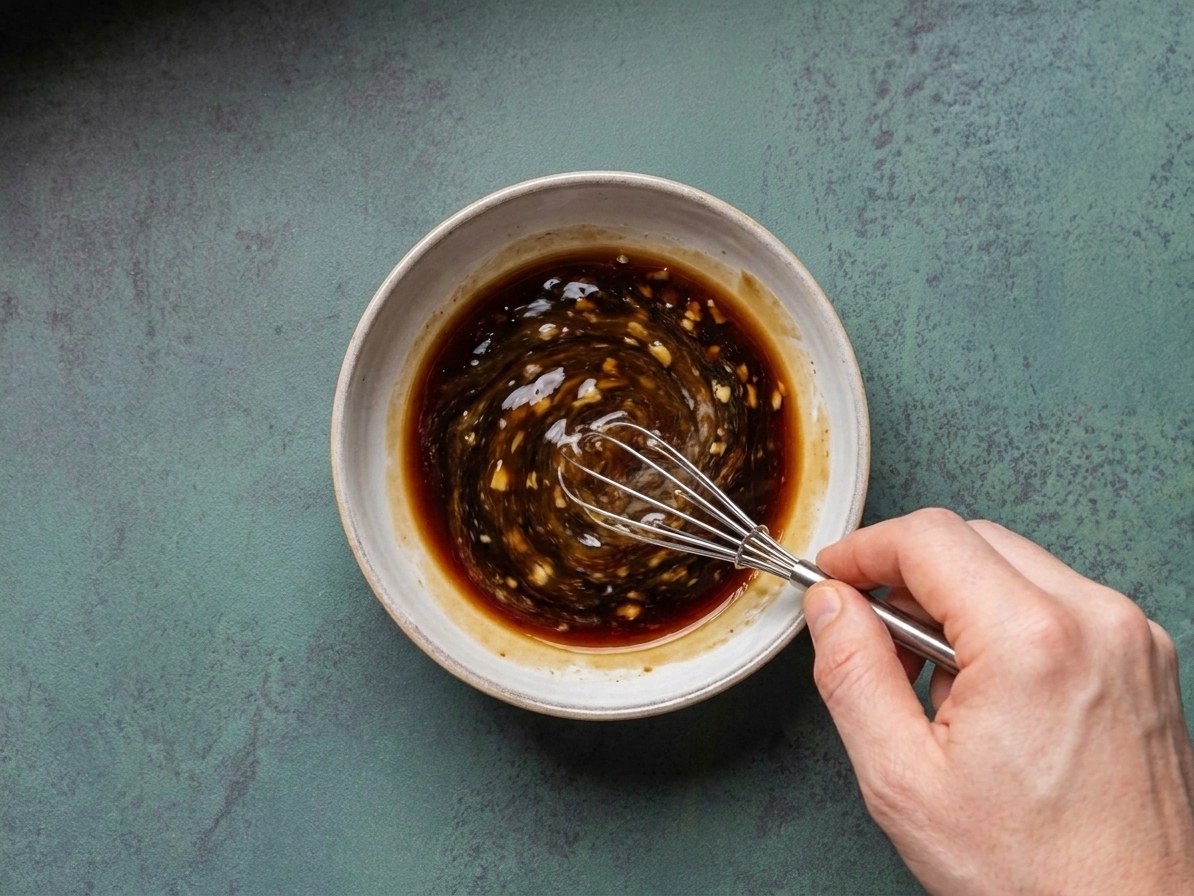
Yes. Swap oyster sauce with vegetarian mushroom oyster sauce one-for-one. You can also use a mix of soy sauce plus a little sugar, but you will miss the deep, savory sweetness oyster sauce brings.
Why is my gai lan bitter?
Some bitterness is normal. To soften it, blanch a bit longer (another 20 to 30 seconds), and make sure your sauce has a touch of sugar. Also, do not skimp on the garlic.