Mom's Best Recipes
Recipe

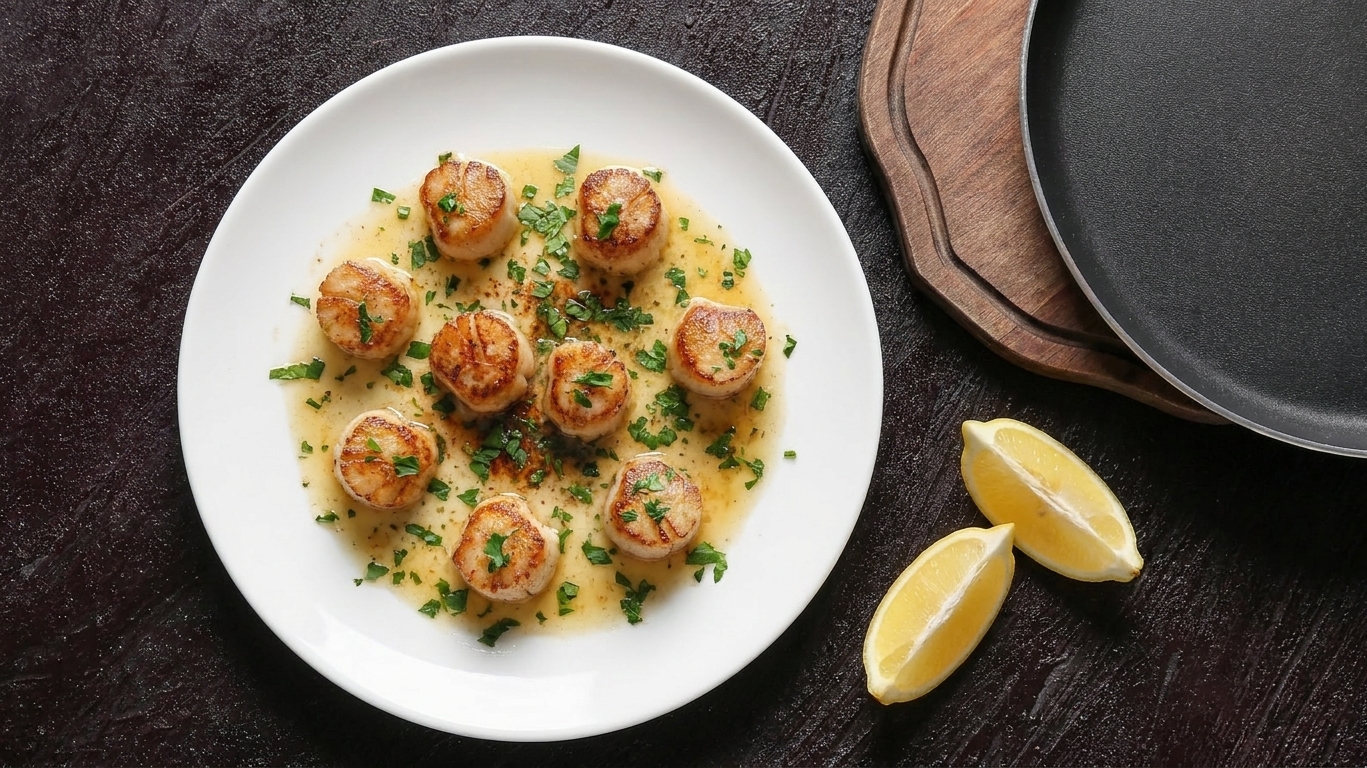
Garlic Butter Bay Scallops

A 10 minute skillet recipe with lemon, garlic, and parsley that keeps bay scallops tender and saucy.

Author By Matt Campbell
4.8
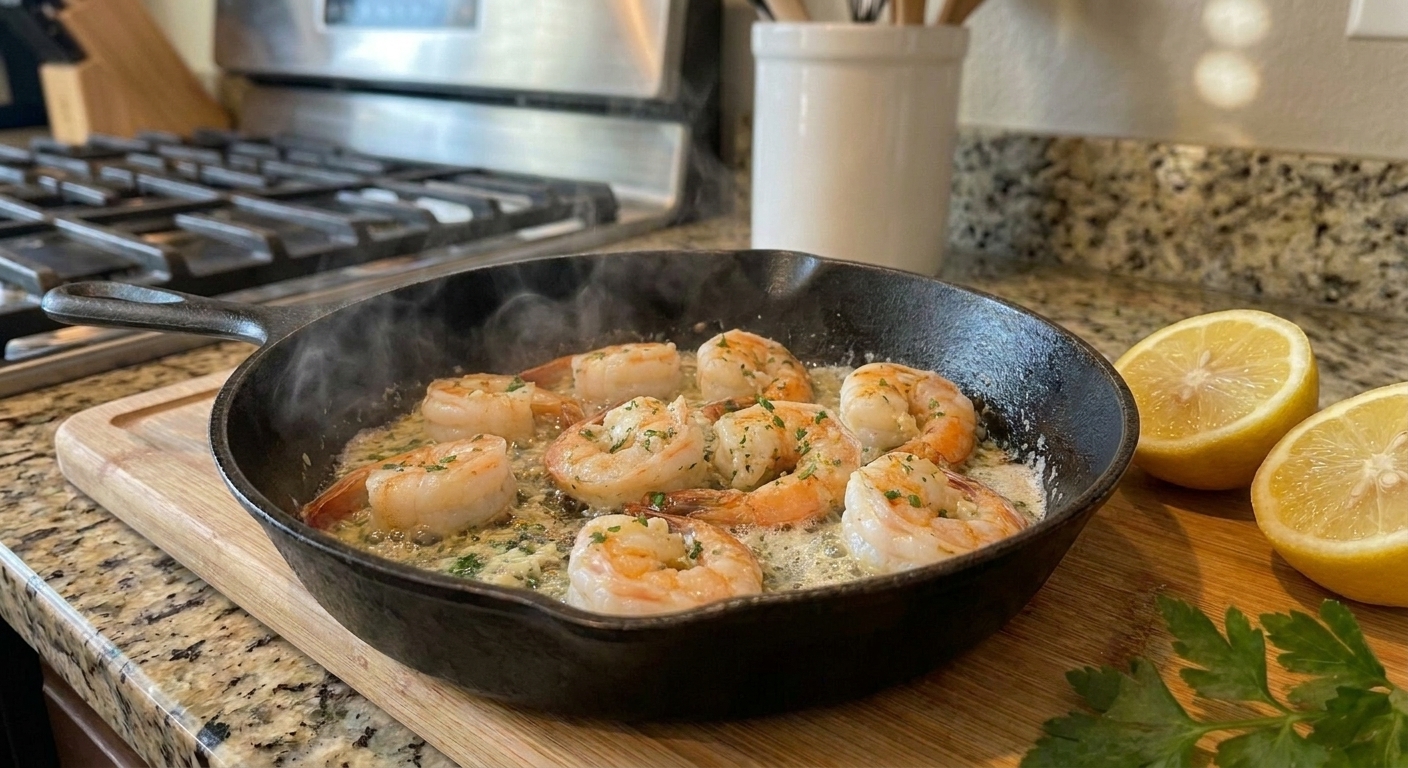
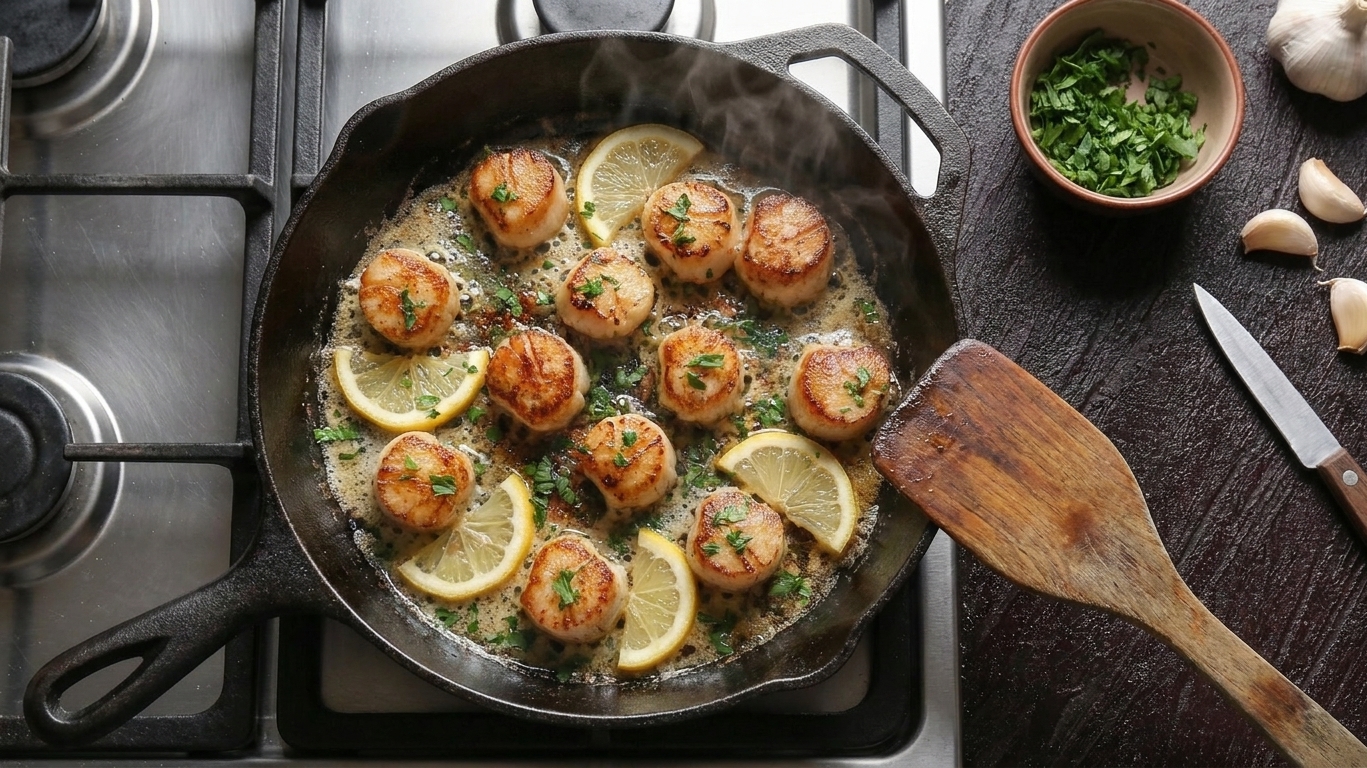
A cast iron skillet of garlic butter bay scallops with browned edges, lemon slices, and chopped parsley on a warm kitchen stove

Bay scallops are my go-to when I want seafood that feels a little fancy but does not ask me to plan my entire day around it. They are small, sweet, and they cook so fast you can blink and miss the moment they go from tender to rubbery. So we are going to do this the friendly way: hot pan, quick sear, and a bright garlic butter sauce that basically begs for bread.

This recipe is weeknight gold. You get crisp edges, cozy butter, lemony pop, and a simple method you can repeat with whatever you have on hand. Serve them over pasta, rice, mashed potatoes, or straight out of the skillet if you are hovering at the stove with a fork. No judgment. That is the correct energy.

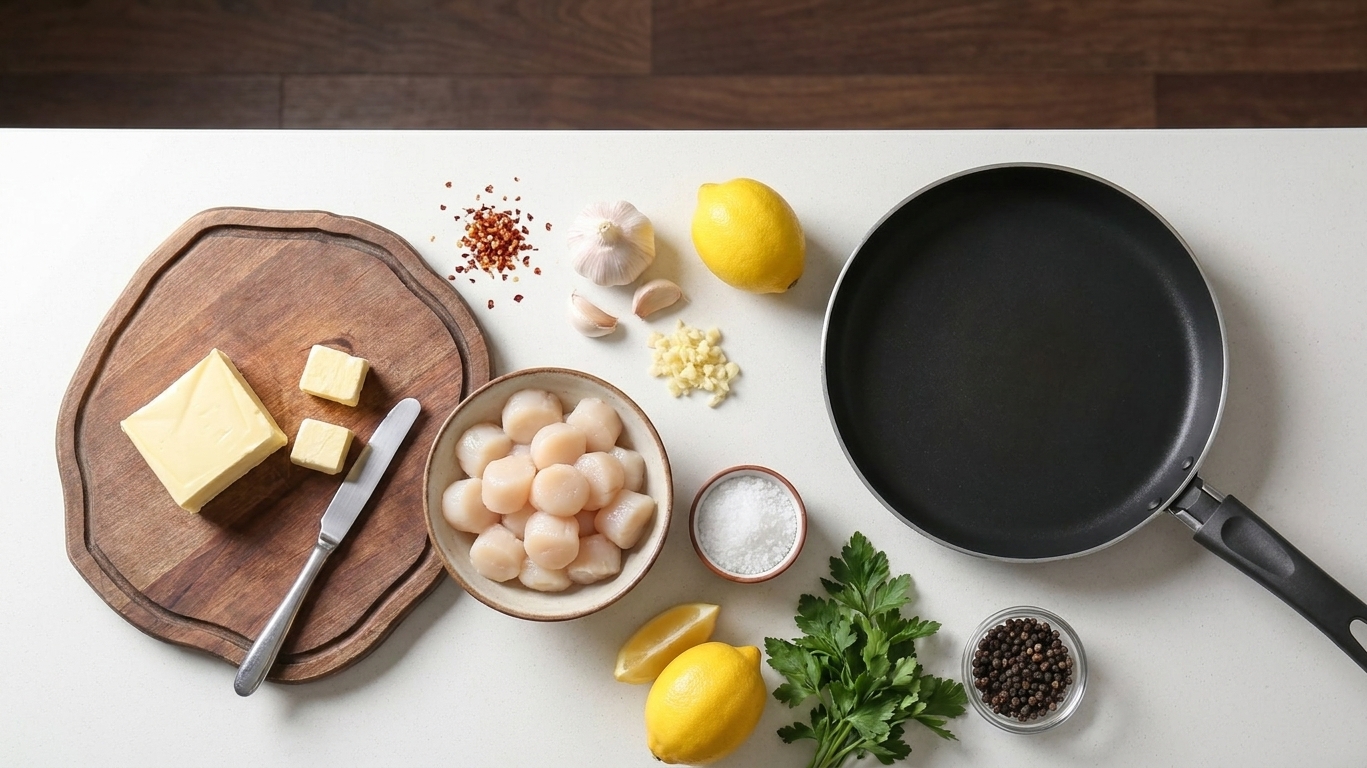
Bay scallops, butter, garlic, lemon, parsley, salt, pepper, and red pepper flakes arranged on a bright kitchen counter

Why It Works

  • Fast cooking, zero drama: Bay scallops cook in about 1 to 2 minutes total, so dinner moves at your pace, not the other way around.
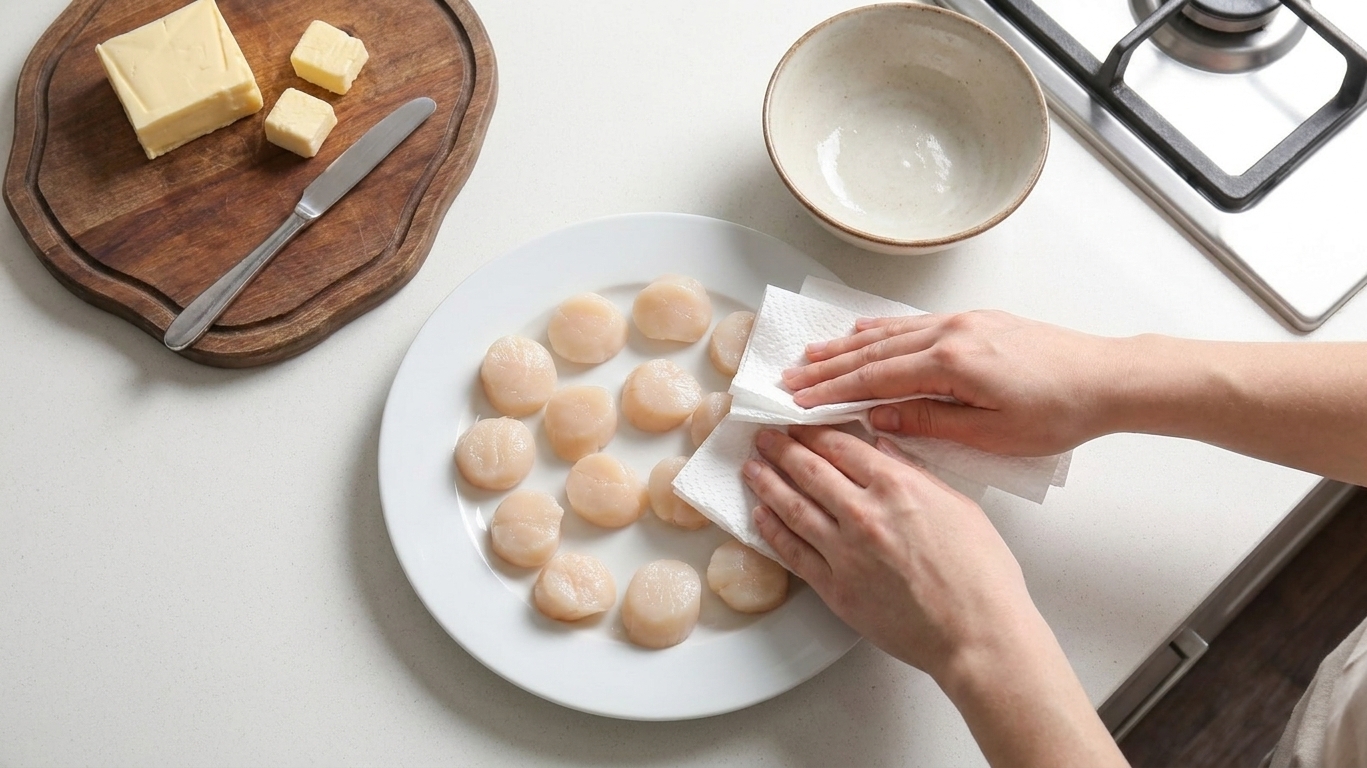
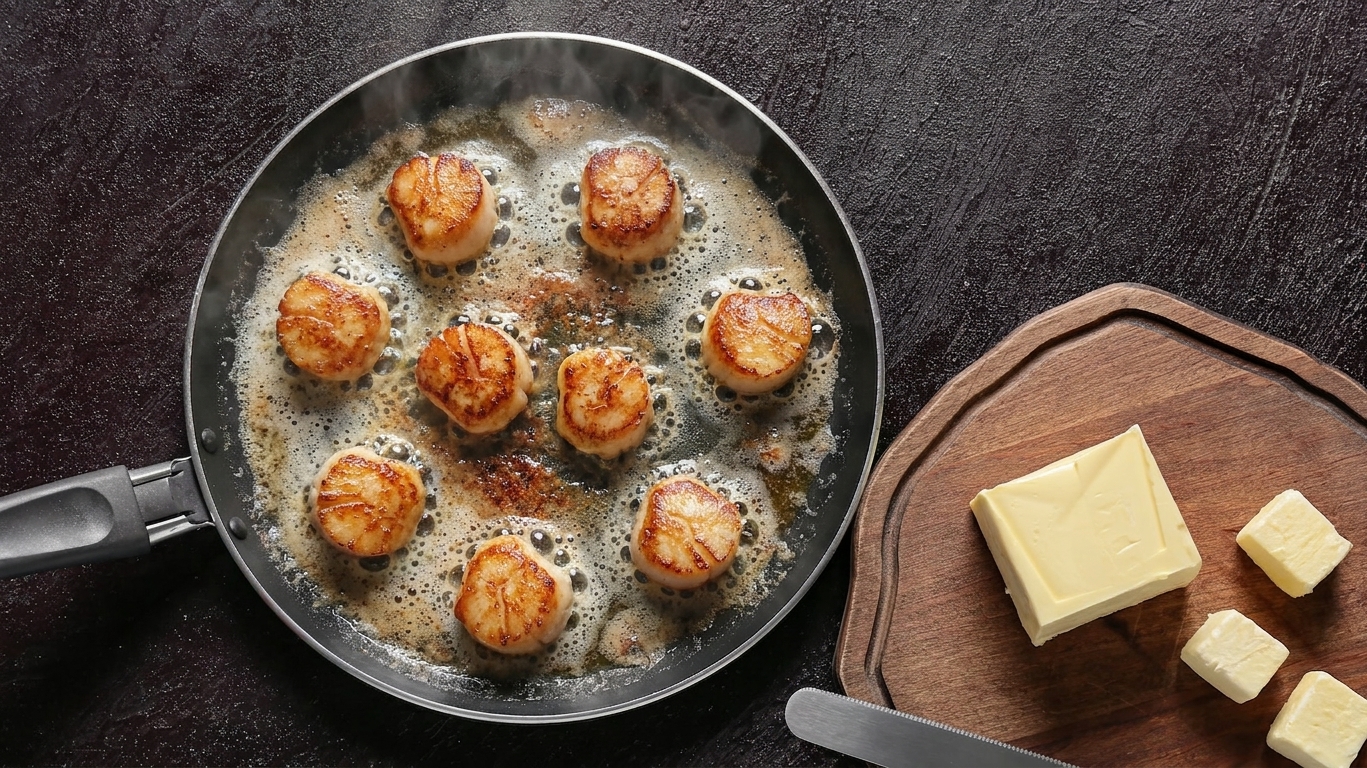
  • Tender scallops, not rubber: A quick pat dry and a hot skillet help you sear instead of steam.
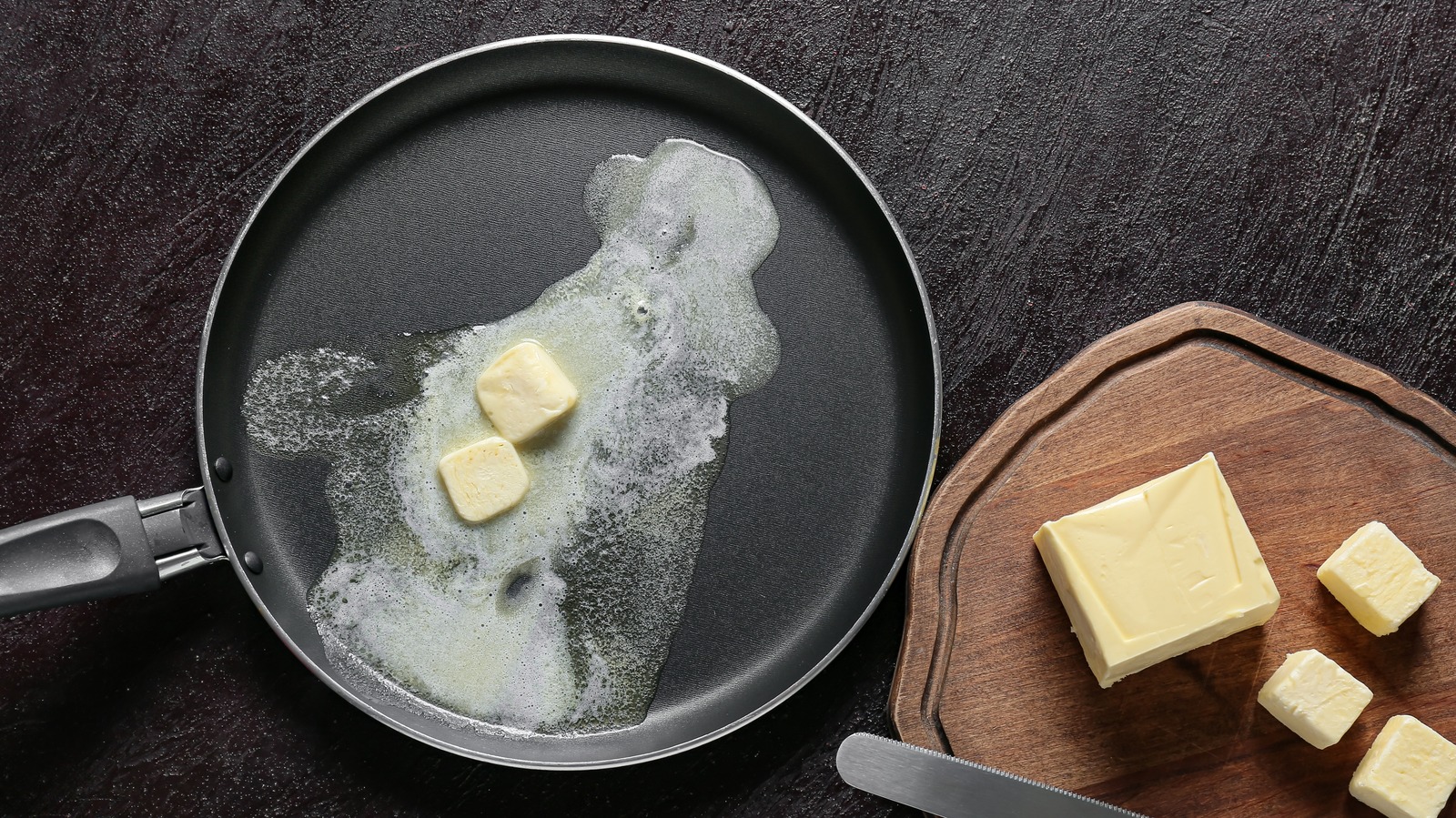
  • Sauce that tastes like you tried: Butter, garlic, lemon, and a splash of broth build a glossy pan sauce that clings to pasta and bread.
  • Flexible serving options: Keep it light with greens, or make it cozy with pasta, rice, or polenta.

Pairs Well With

Storage Tips

Scallops are best right off the heat, but if you have leftovers, here is how to keep them from turning tough.

Refrigerate

  • Store in an airtight container with the sauce.
  • Refrigerate for up to 2 days.

Reheat gently

  • Warm in a skillet over low heat with a small splash of water or broth, just until heated through.
  • Avoid the microwave if you can. If you must, use short bursts at 50% power and stop early.

Freezing

  • I do not recommend freezing cooked bay scallops. The texture takes a hit.
  • If your scallops are raw, freeze them raw according to the package directions and cook fresh when you can.

Common Questions

What are bay scallops, and how are they different from sea scallops?

Bay scallops are smaller and sweeter than sea scallops. Because they are small, they cook very quickly and can overcook easily. Sea scallops are larger and take longer to sear.

Do I need to rinse bay scallops?

Usually, no. Most of the time, rinsing just adds surface moisture, which makes it harder to sear. If your scallops smell strongly of the package liquid or have obvious grit, you can do a quick rinse, but the real fix is patting them very dry before they hit the pan.

Quick label note: You will often see scallops sold as dry-packed (no added solution) or wet-packed (sometimes treated with sodium tripolyphosphate, or STP). Dry-packed scallops sear better and shed less liquid.

Why are my scallops watery in the pan?

Most of the time it is one of three things: the scallops were not dried well, the pan was not hot enough, or the pan was crowded. Work in a single layer and sear fast.

How do I know when bay scallops are done?

They turn opaque and feel just barely firm. Think tender and springy, not bouncy. Use the look and feel first, and the clock second. For many bay scallops, that is roughly 1 to 2 minutes total in a hot pan, depending on size and heat.

Can I use frozen bay scallops?

Yes. Thaw overnight in the fridge (or in a sealed bag in cold water), then drain and pat very dry. If they are still shedding liquid, give them a few minutes on fresh paper towels before cooking.

Do I need to remove the side muscle?

Bay scallops often have little to no side muscle, but if you see a small tough “tag” on the side, pinch it off. Also give the scallops a quick check for any shell bits before you season them.

What should I serve with garlic butter bay scallops?

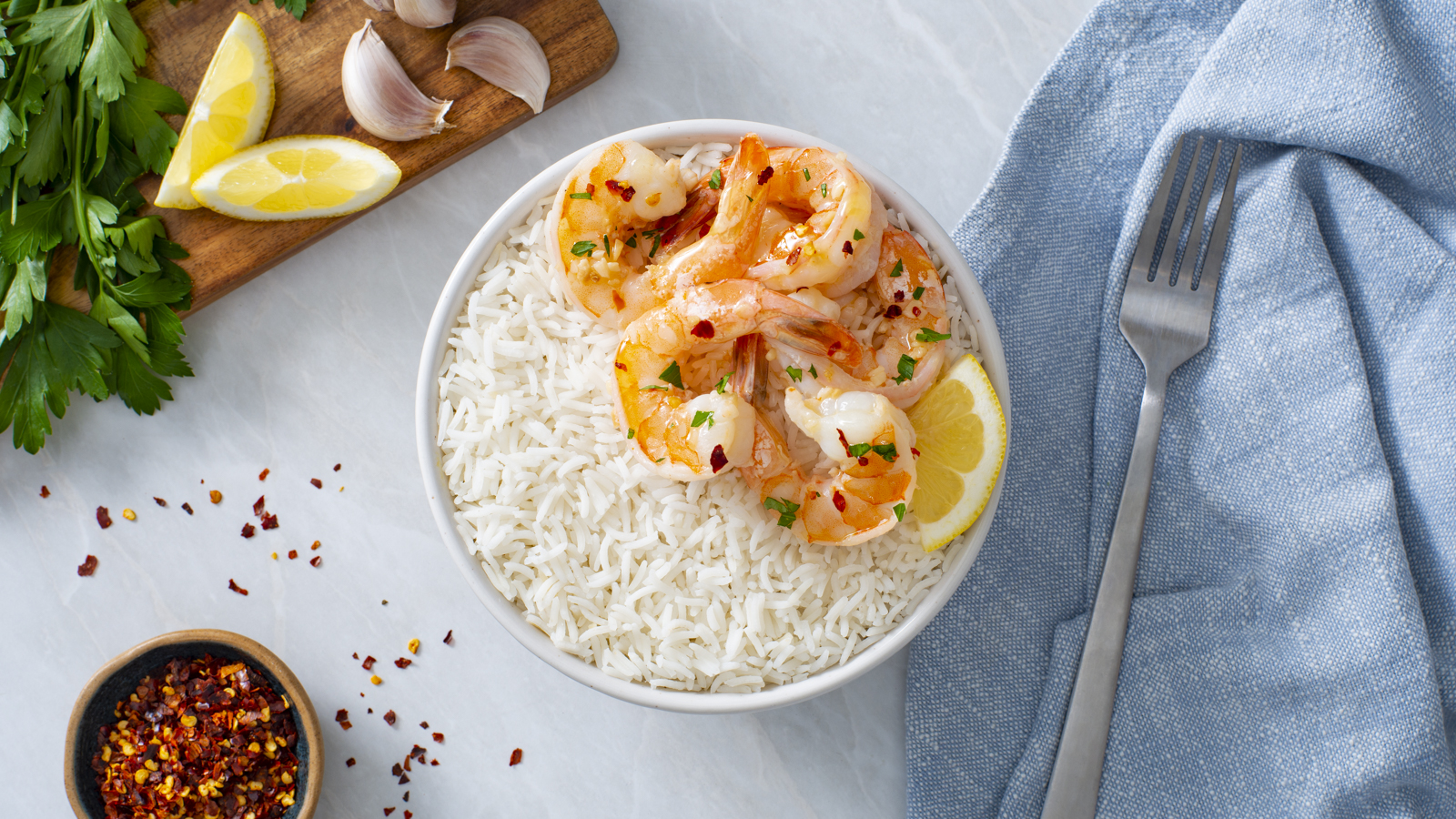
My favorites are angel hair pasta, rice, crusty bread, roasted asparagus, a simple salad, or creamy polenta. Anything that can catch the sauce is a good idea.

I used to treat scallops like “restaurant food,” mostly because I thought there was some secret handshake involved. Then I cooked bay scallops at home and realized the only real trick is respecting how quickly they cook. Now they are my last-minute dinner flex. When I want something comforting but not heavy, I throw on a pot of pasta, sear scallops in butter, squeeze lemon over the whole thing, and pretend I planned it. It is relaxed cooking with just enough chaos to feel fun.