Mom's Best Recipes
Recipe

Garlic Butter Minute Steak

A fast, skillet-seared minute steak with crisp edges and a lemony garlic butter pan sauce.

Author By Matt Campbell
4.7
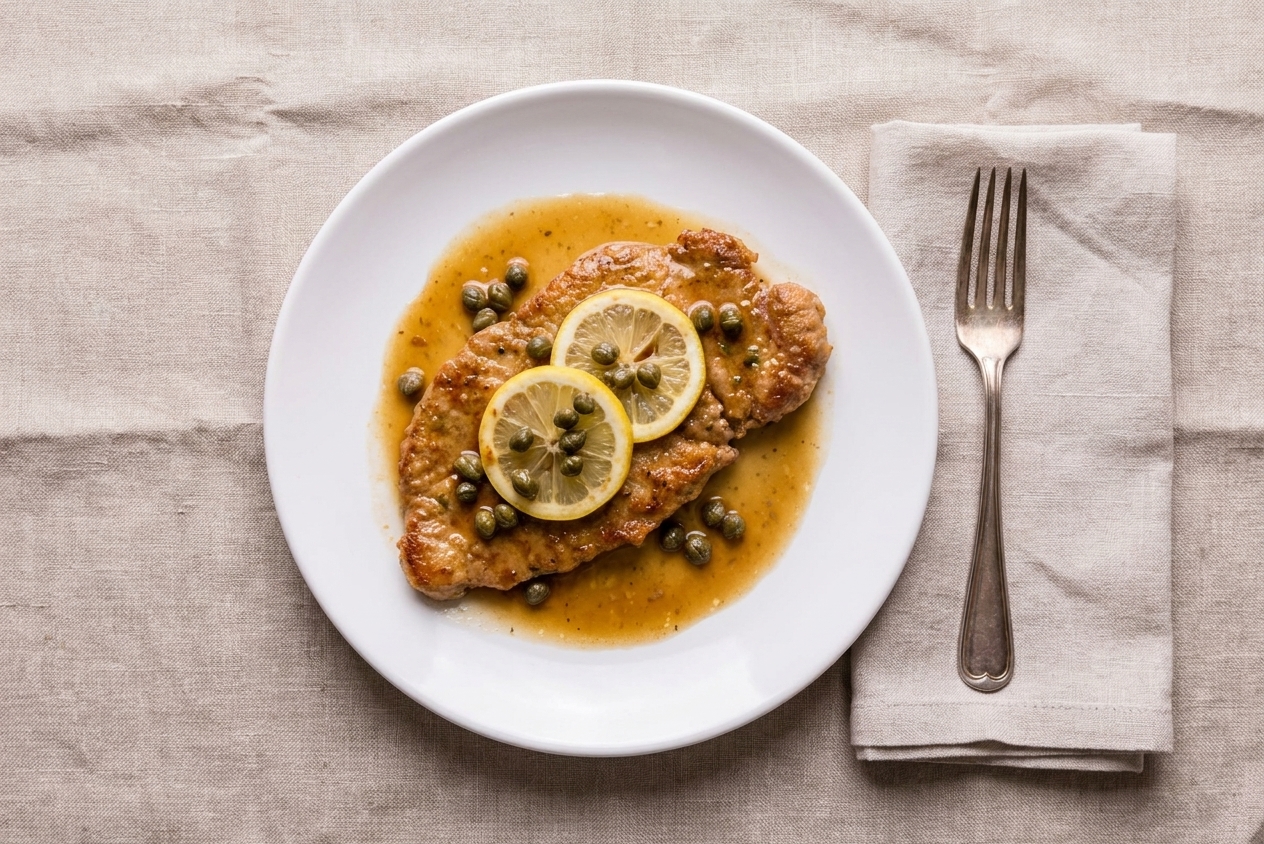
A plated garlic butter minute steak with crisp edges, glossy pan sauce, and chopped parsley on a white plate next to roasted potatoes on a wooden table

Minute steak is my weeknight secret weapon when I want real steak vibes without a whole production. It's thin, it cooks fast, and if you treat it right, it gets those golden, crunchy edges that make you forget you were ever stressed about dinner.

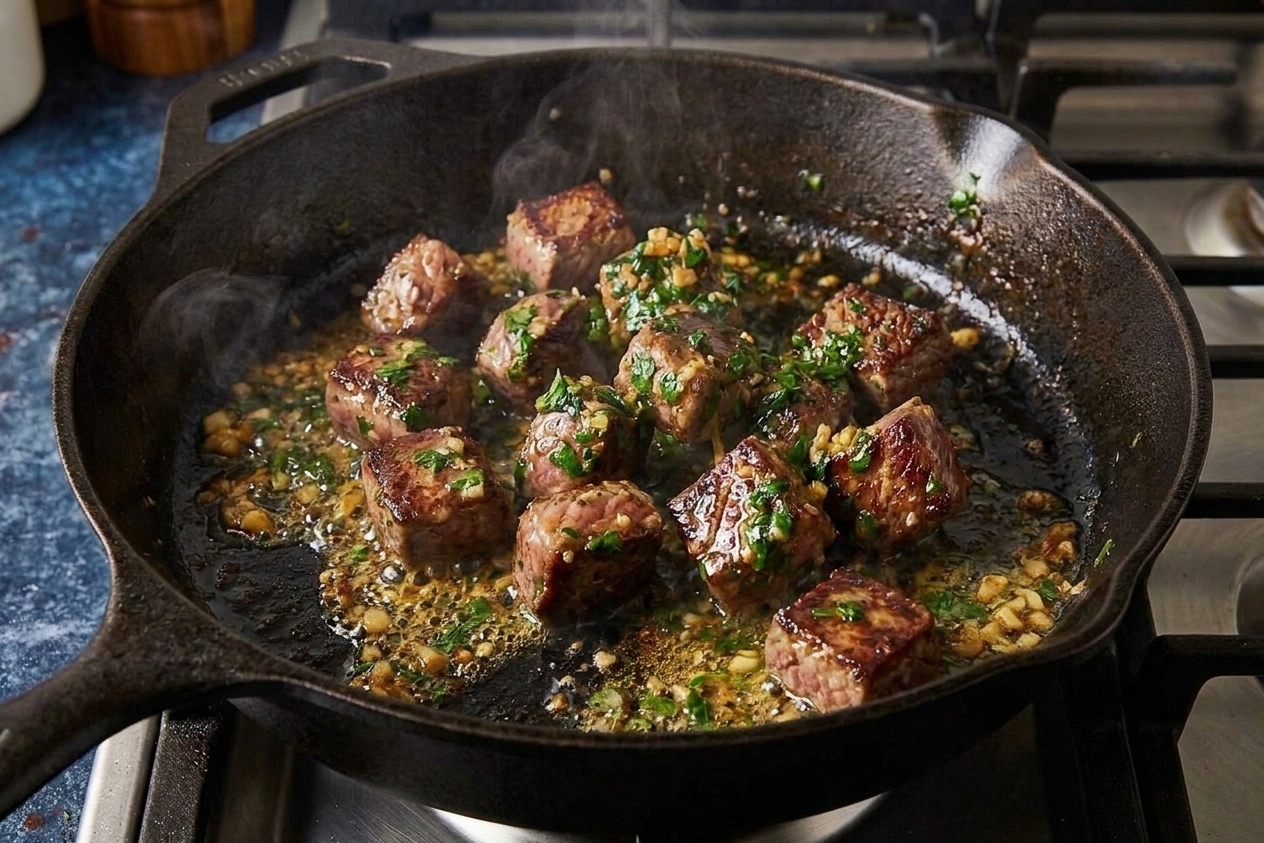
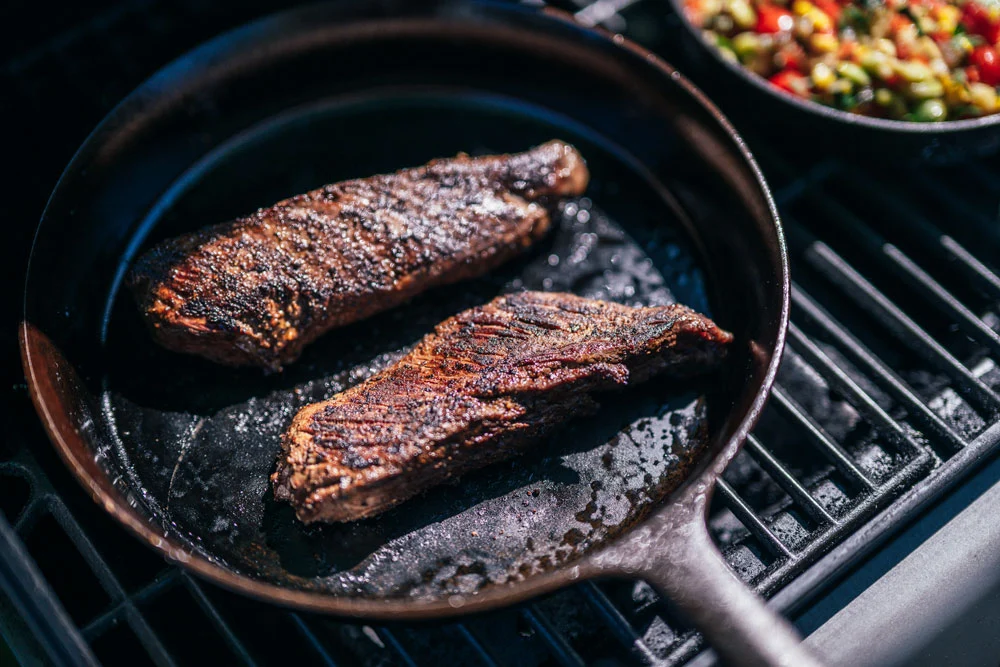
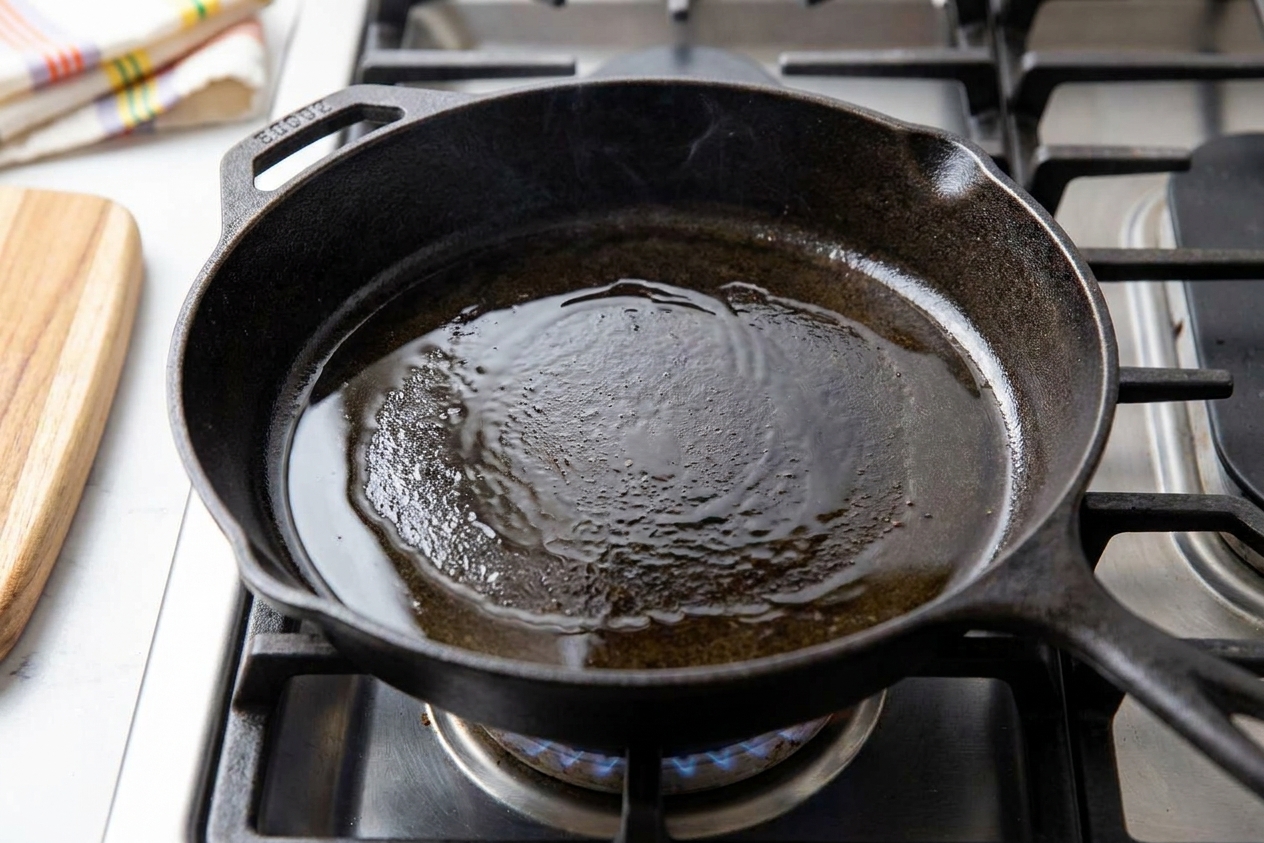
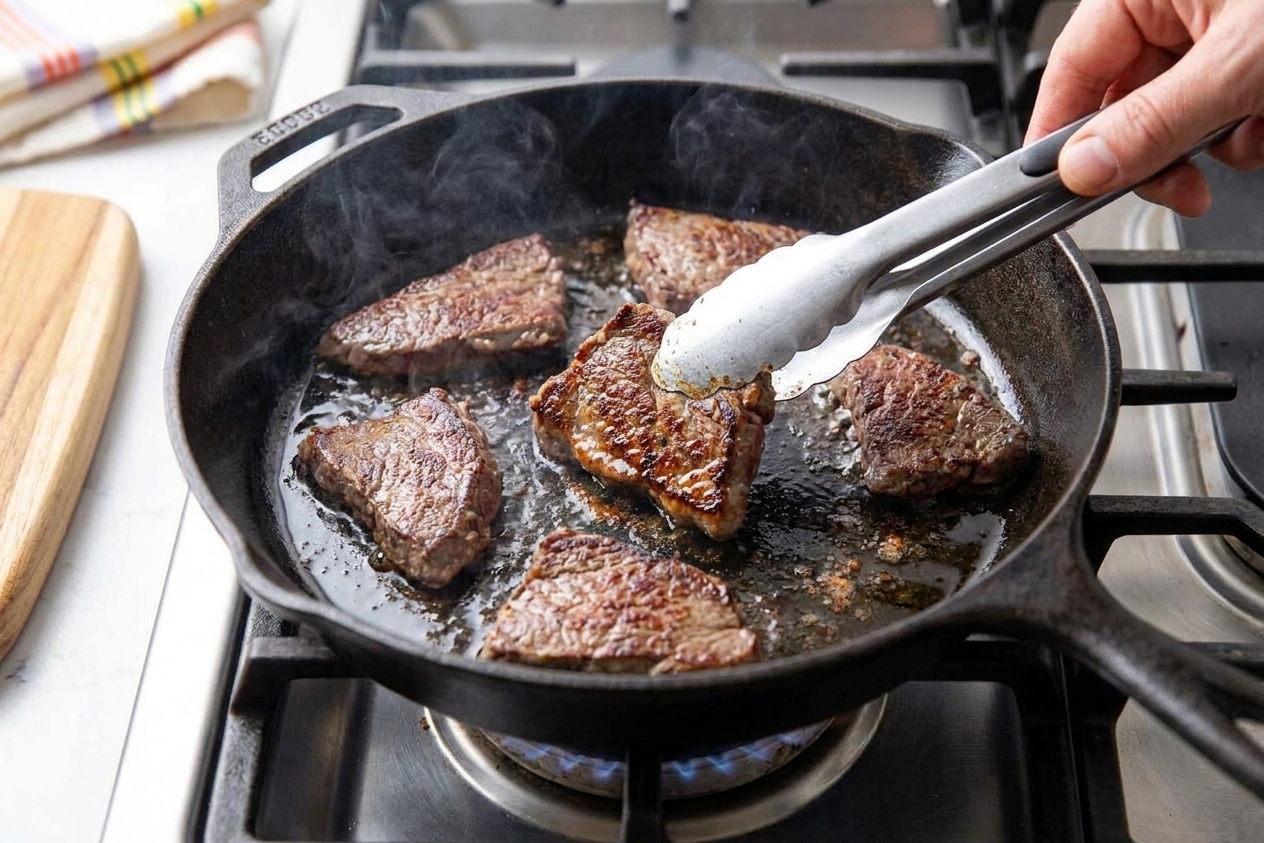
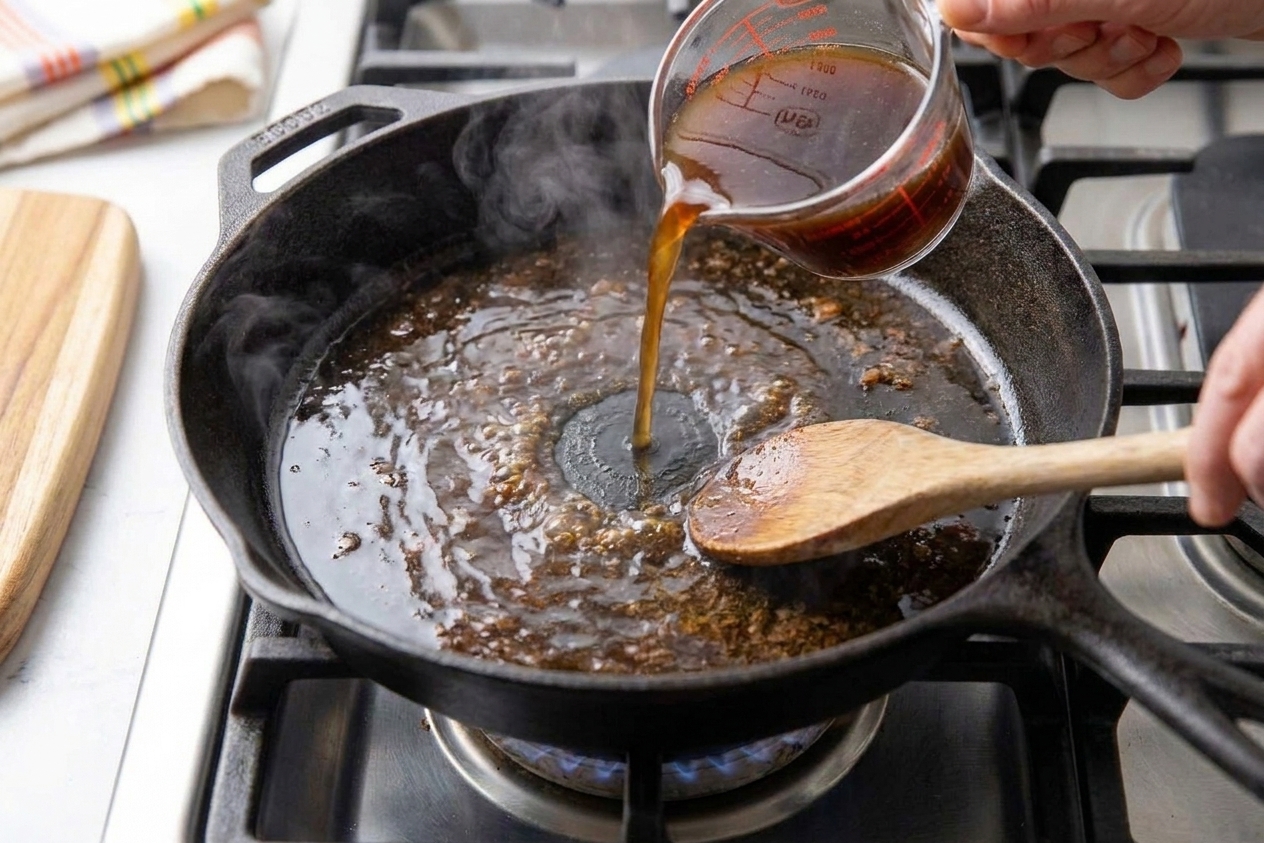
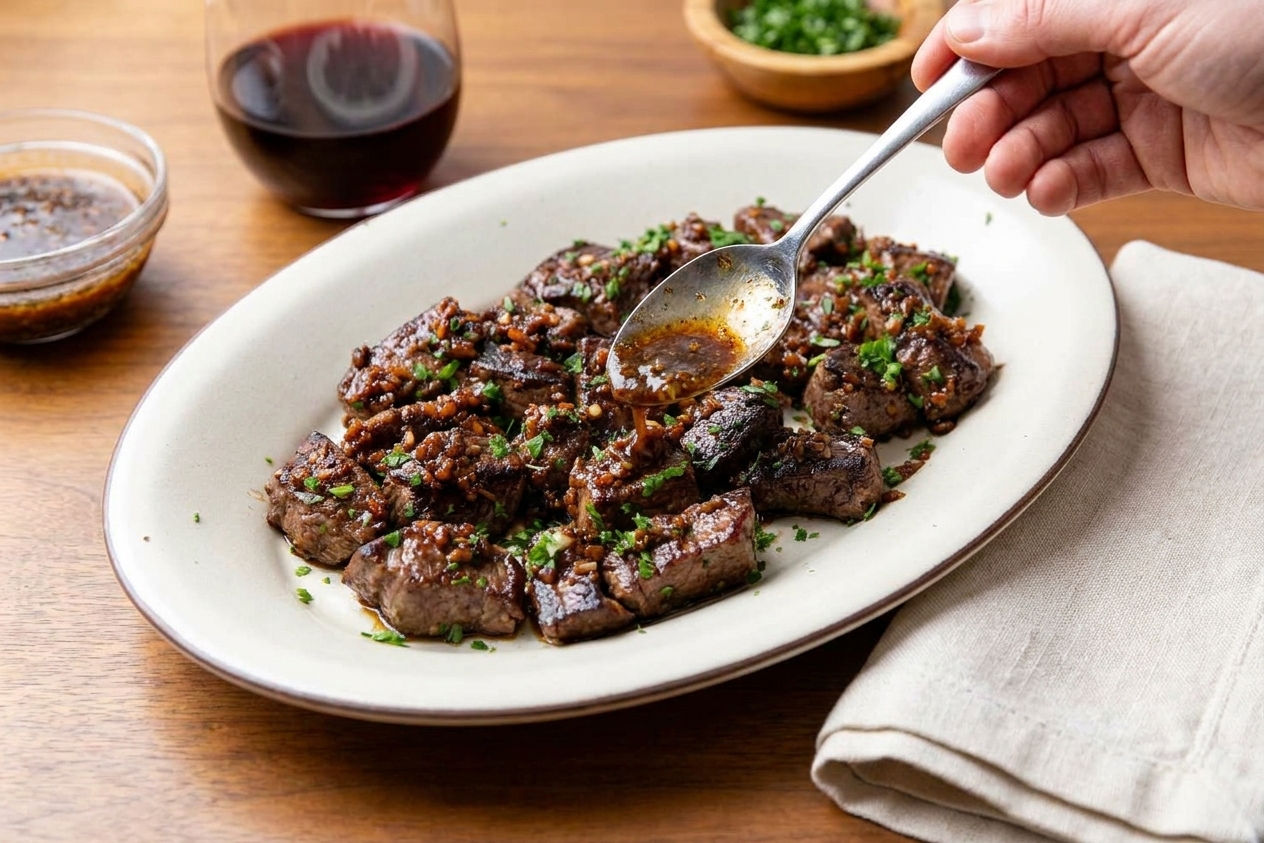
Here's the game plan: quick seasoning, a screaming-hot skillet (think medium-high to high), a fast sear, then a simple garlic butter pan sauce that tastes like you tried harder than you did. It's cozy, it's punchy, and it's absolutely not precious. Taste as you go. Keep a fork nearby for "quality control."

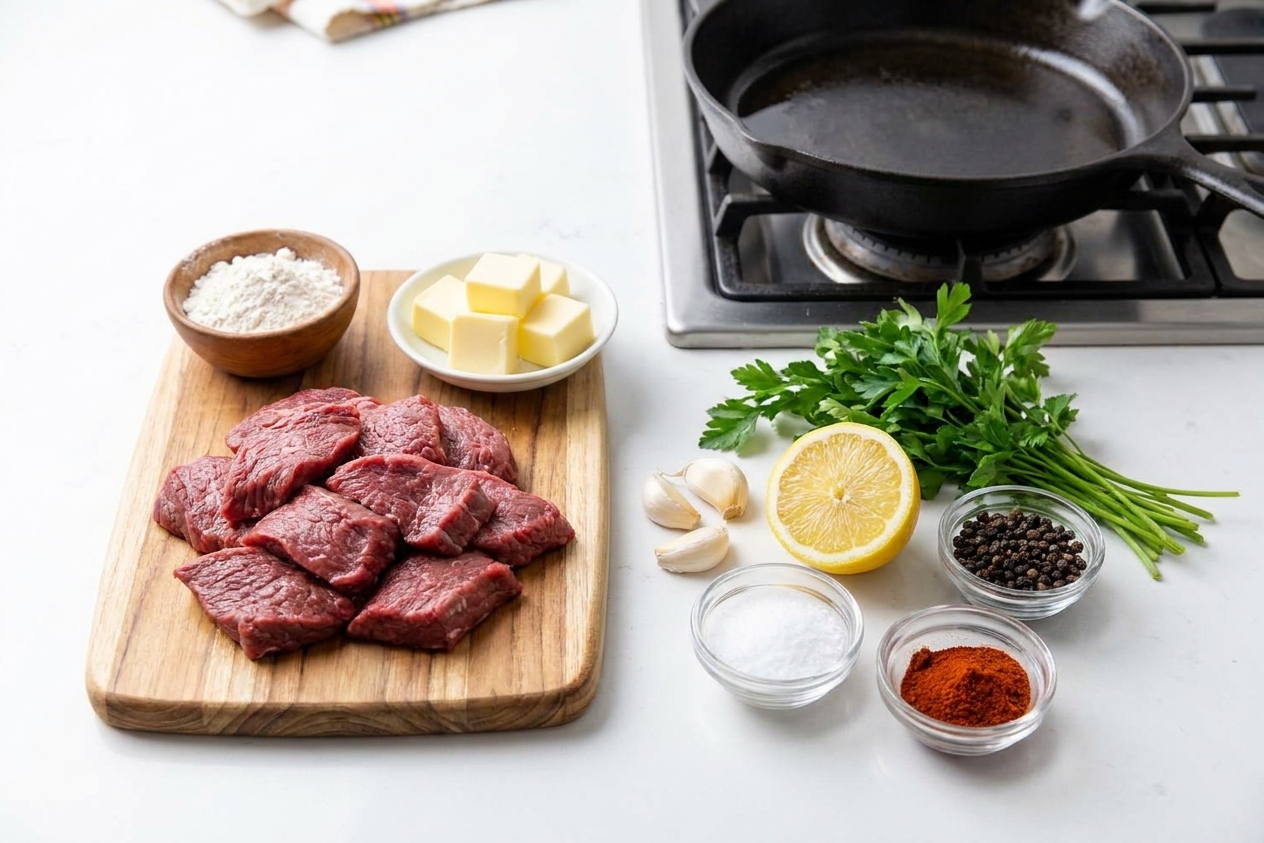
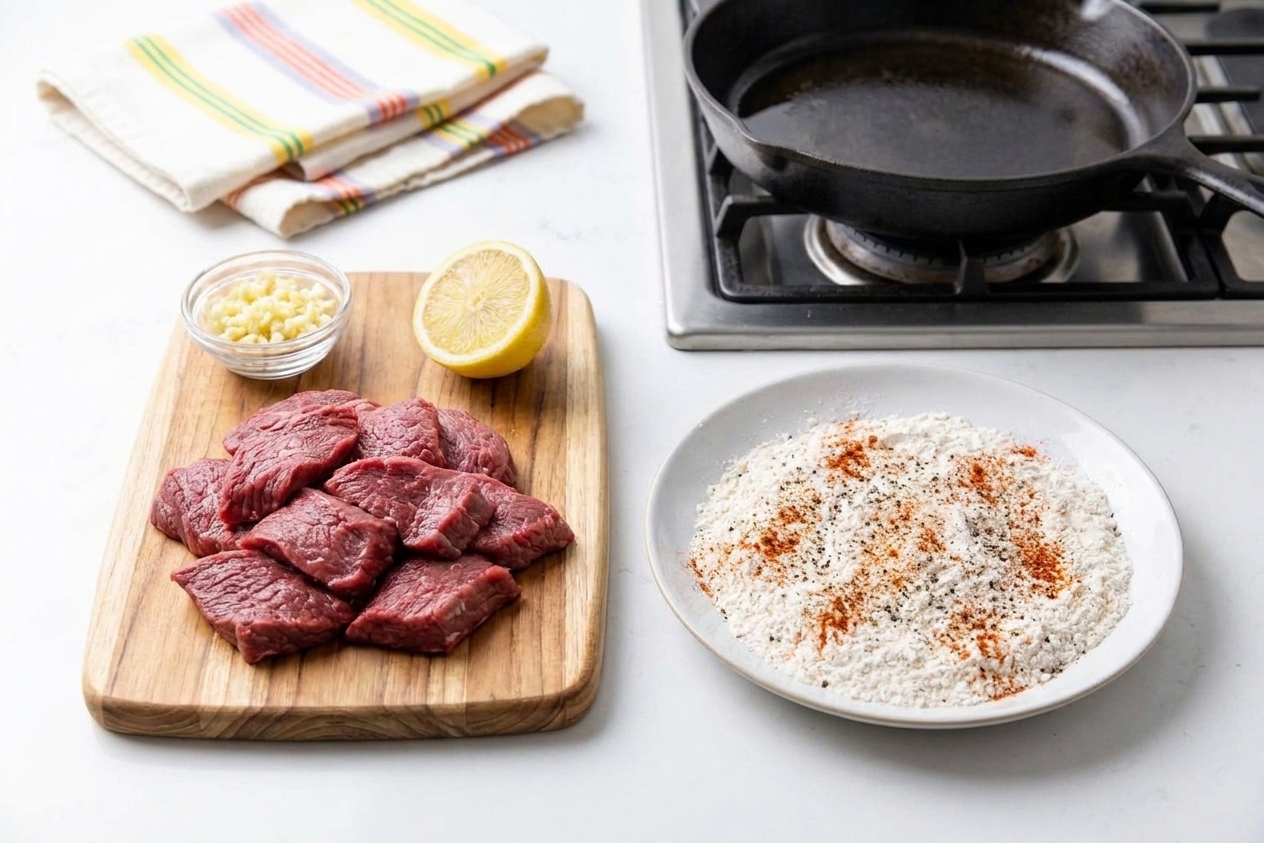
Minute steak, butter, garlic, lemon, parsley, salt, pepper, paprika, and flour arranged on a bright kitchen counter with a cast iron skillet in the background

Why It Works

  • Fast cook, better texture: A hot skillet gives you crisp edges before the thin steak has time to overcook.
  • Flour is the cheat code: A light dusting helps browning and gives the pan sauce a little body without turning it into gravy.
  • Garlic butter finishes the job: Butter rounds everything out, lemon keeps it bright, and the browned bits in the pan do all the heavy lifting.
  • Low-drama timing: The sauce takes about as long as the steak needs to rest, so dinner lands hot and ready.

Pairs Well With

Storage Tips

Refrigerate: Store leftover minute steak and any sauce in an airtight container for up to 3 to 4 days.

Reheat (best method): Warm gently in a skillet over low heat with a splash of water or broth to loosen the sauce. Minute steak is thin, so high heat will take it from tender-ish to tough fast.

Microwave (totally fine): Use 50% power in short bursts, covered, with a spoonful of sauce on top to help it stay juicy.

Freeze: You can freeze it for up to 2 months for best quality. (For safety, frozen cooked beef lasts longer, but texture is happiest sooner.) If freezing, wrap tightly and freeze with a little sauce to protect the meat.

Leftover move: Slice cold steak thin and pile it into a sandwich with mayo, mustard, and something crunchy like pickles or shredded lettuce.

Common Questions

What is minute steak?

Minute steak is a thin cut of beef that is often run through a tenderizer (though it varies by butcher and region). Because it is so thin, it cooks very quickly, usually about 1 to 3 minutes per side depending on heat and thickness.

Is minute steak the same as cube steak?

They're close cousins. Cube steak is typically tenderized more aggressively, leaving a distinct "cubed" texture. Minute steak is also thin and often tenderized, but it can look a bit smoother depending on the butcher and cut.

Why is my minute steak tough?

The usual culprit is overcooking. A pan that's not hot enough can also make it tough because it takes longer to brown, which means the steak stays on the heat longer and dries out. Give it a fast sear, then let it rest a couple minutes so juices do not rush out the second you cut in.

Do I need flour?

No, but I really recommend it. A light dusting helps browning and gives the pan sauce a silky feel. If you're avoiding flour, skip it and simmer the sauce a minute or two longer to concentrate it.

What doneness should I aim for?

Because minute steak is thin, it's tricky to nail a perfect medium-rare without under-searing. I aim for medium to medium-well with a good crust, then rely on the butter sauce to keep things juicy and flavorful. If you're using a thermometer, aim for about 140 to 145°F for medium and 150 to 155°F for medium-well. Carryover is minimal with thin cuts, but it happens fast, so pull it a touch early.

Can I make this dairy-free?

Yep. Swap butter for a dairy-free butter or a good olive oil, and add a little extra lemon at the end to keep it lively.

Is mechanically tenderized steak safe?

Sometimes minute steak is mechanically tenderized, which can push surface bacteria deeper into the meat. Keep basic kitchen safety in play: avoid cross-contamination, wash hands and tools, and cook to your preferred doneness (many folks choose at least medium for tenderized cuts).

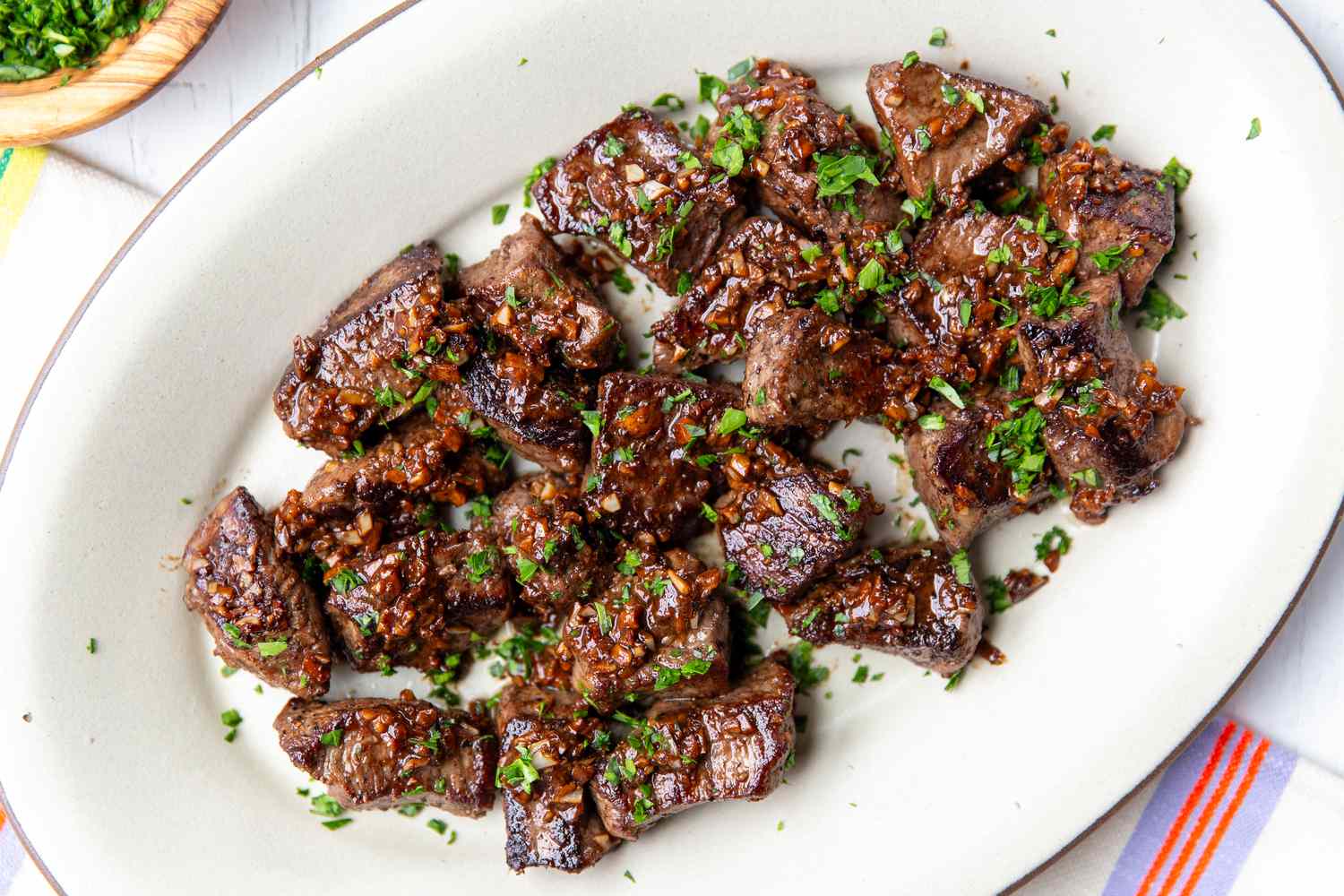
I learned to respect minute steak the same way I learned to respect a tiny kitchen: you don't fight the limitations, you cook with them. Thin steak is never going to behave like a thick ribeye, so I stopped asking it to. Now I treat it like a speed-run: hard sear, quick rest, and a sauce that tastes like it came from a place that owns more than one sauté pan. It's the kind of dinner that makes you feel competent even if your sink is full of dishes.