Mom's Best Recipes
Recipe

Garlic Butter Sauteed Shrimp

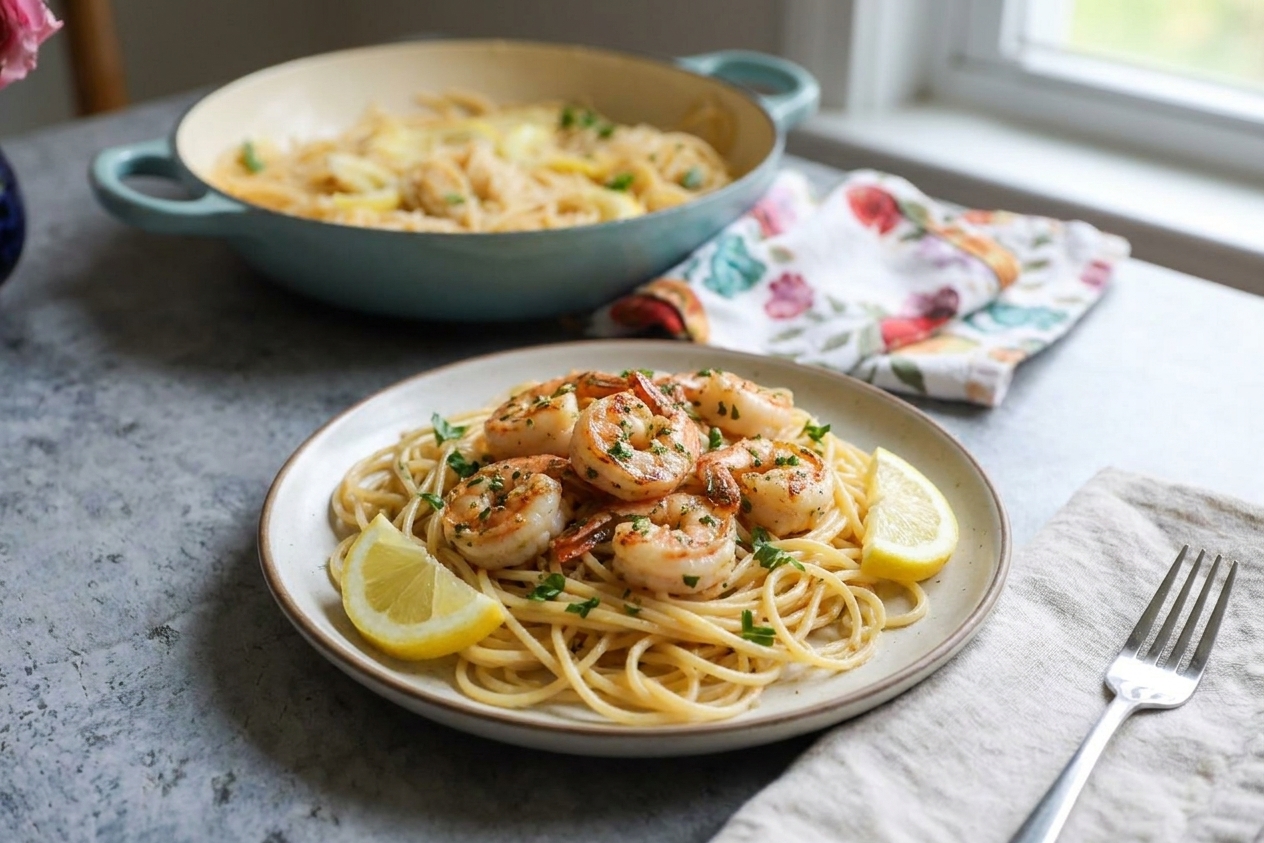
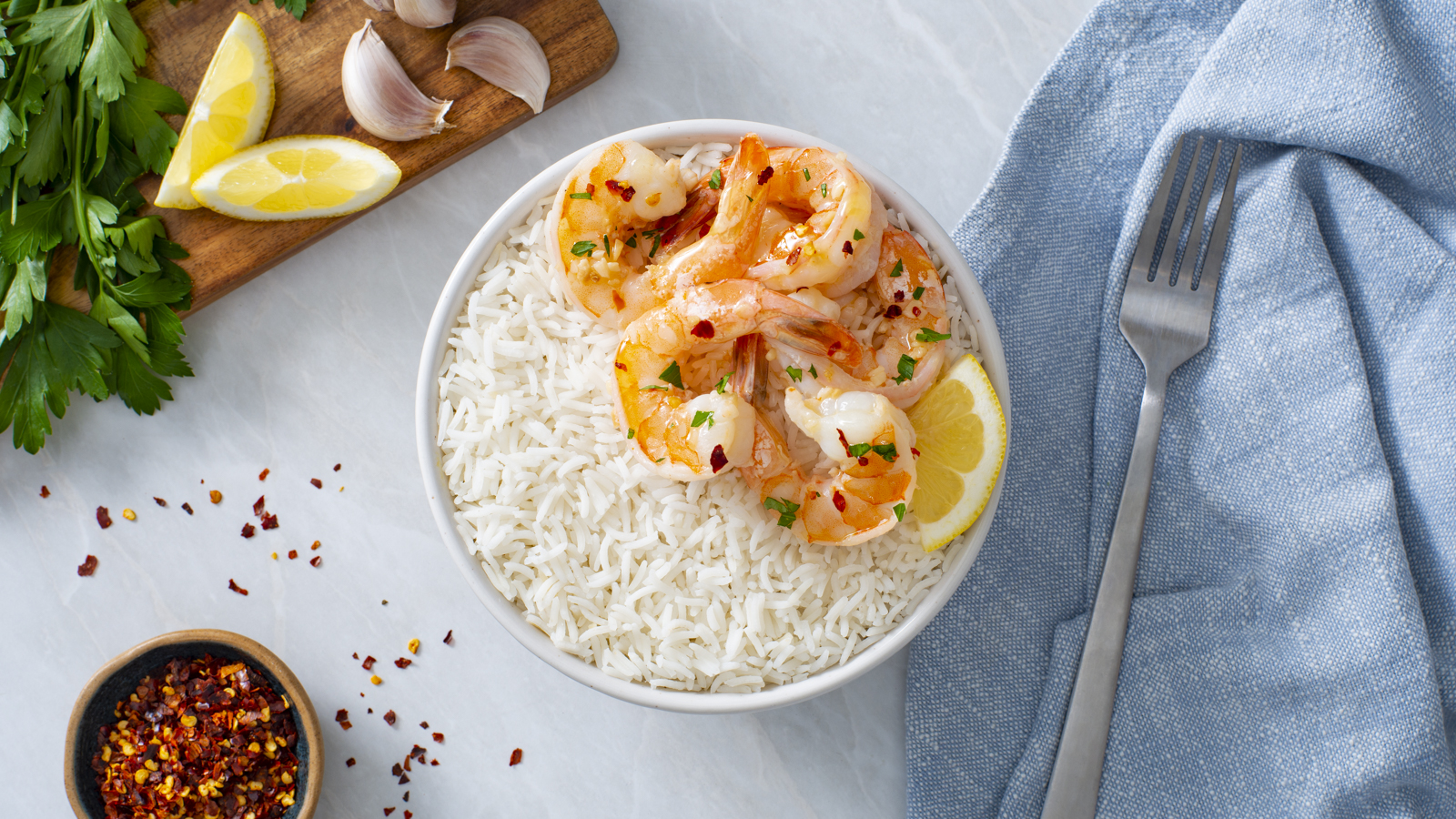
Crisp-edged shrimp in a bright garlic butter pan sauce with lemon and parsley. Fast, cozy, and perfect over pasta or rice.

Author By Matt Campbell
4.8
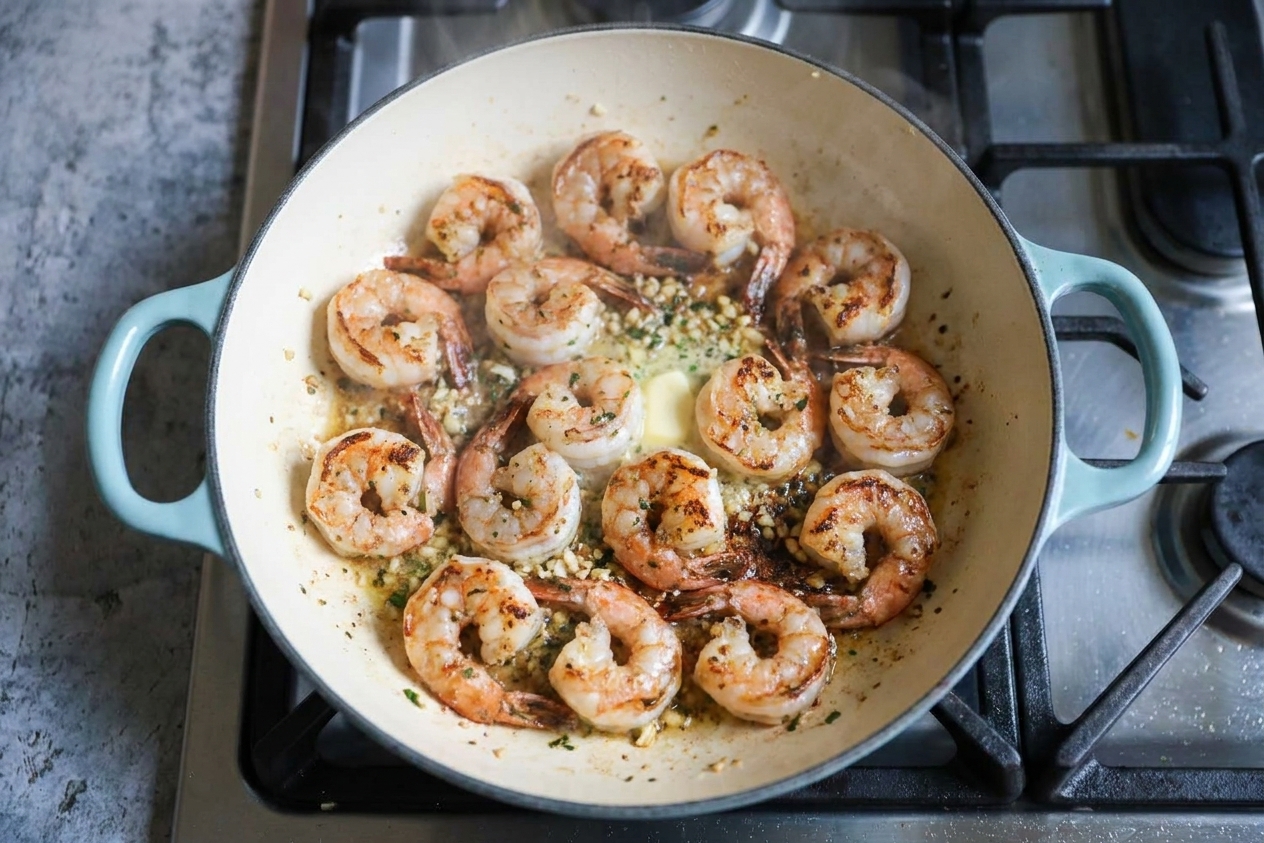
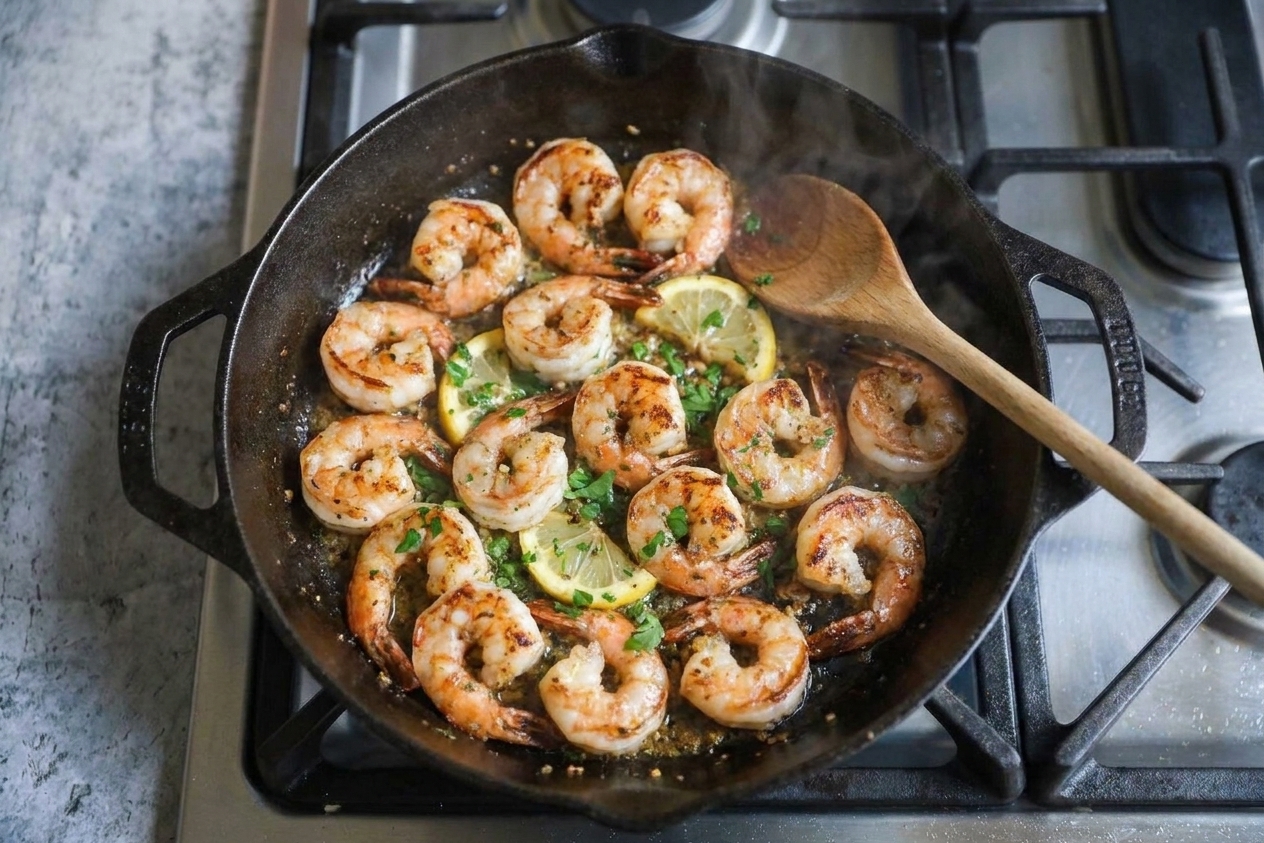
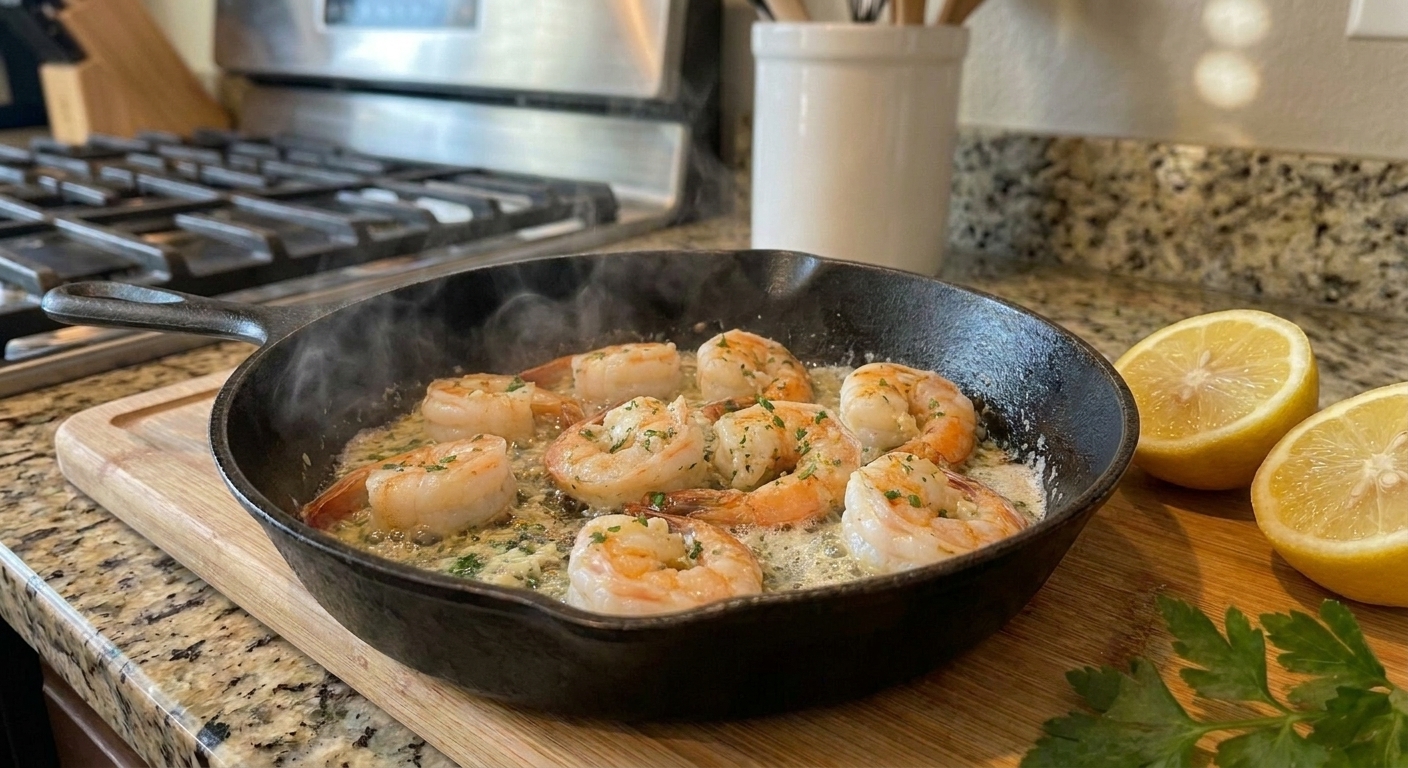
A cast iron skillet filled with garlic butter sauteed shrimp with browned edges, lemon slices, and chopped parsley on a stovetop

Sauteed shrimp is my go-to when I want dinner to feel a little fancy without committing to a sink full of dishes. You get that quick sizzle, those golden edges, and a sauce that tastes like you meant to do all this on purpose.

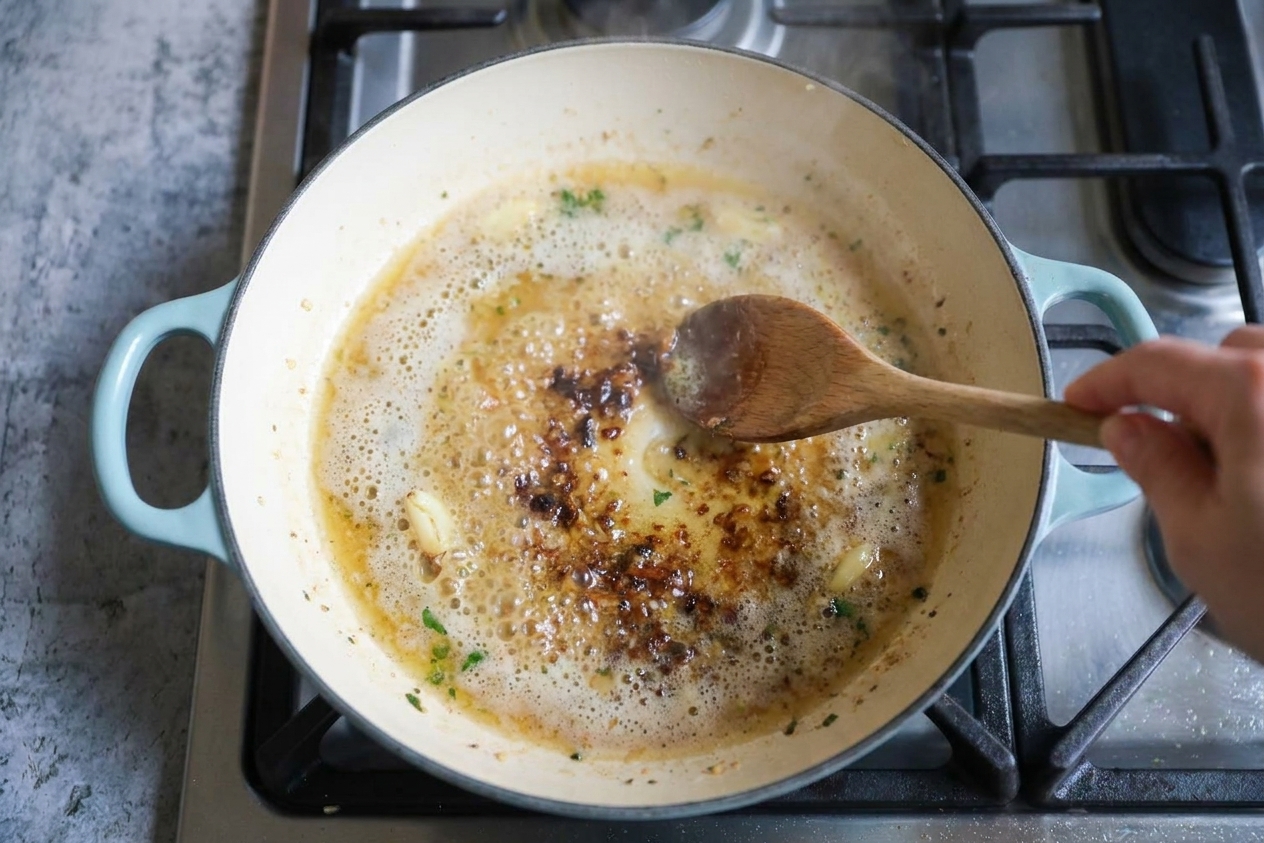
This version leans hard into what shrimp does best: high heat, short cook time, big flavor. We build a simple garlic butter sauce, hit it with lemon, and deglaze the pan so you do not leave any of that browned goodness behind. Serve it over pasta, spoon it onto rice, tuck it into tortillas, or eat it straight from the skillet. I will not judge.
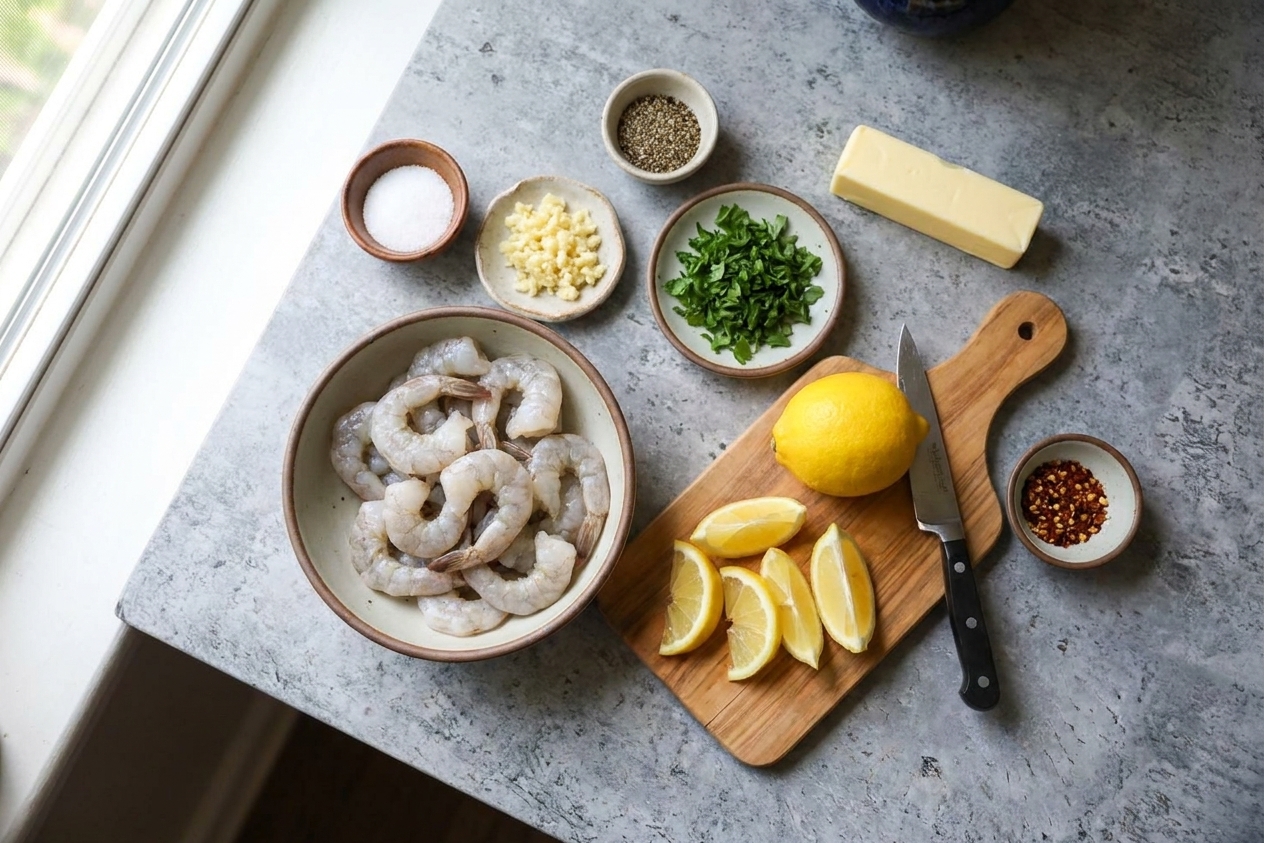
Raw peeled shrimp, minced garlic, lemon, butter, parsley, and seasonings arranged on a kitchen counter ready for cooking

Why It Works

  • Juicy shrimp, not rubber. A quick salt rest and high heat means plump shrimp with crisp edges.
  • A real sauce from pantry basics. Butter, garlic, lemon, and a splash of wine or broth pull up the fond and turn it into something spoon-worthy.
  • Fast and flexible. Works with fresh or frozen shrimp and pairs with pasta, grains, salad, or crusty bread.
  • Low drama. Clear timing cues, plus a simple batching tip so you actually get browning.

Pairs Well With

Storage Tips

Refrigerate: Store leftover shrimp and sauce in an airtight container for up to 3 days.

Reheat gently: Shrimp can overcook fast. Warm in a skillet over low heat with a small splash of water or broth just until heated through, about 2 to 3 minutes. Microwave works too, but use 30 second bursts and stop early.

Freezing: You can freeze cooked shrimp, but the texture softens. If you do, freeze in a sealed container up to 2 months and thaw overnight in the fridge.

Leftover ideas: Chop and toss into a cold pasta salad, fold into scrambled eggs, or pile onto toast with a swipe of mayo and extra lemon.

Common Questions

How do I keep sauteed shrimp from turning rubbery?

Two rules: hot pan and short cook. Shrimp is done when it turns opaque and curls into a loose C shape. If it tightens into an O, it is usually a sign it is overcooked. Pull it early and let carryover heat finish the job.

Do I need to peel and devein shrimp?

For this recipe, yes. Peeled shrimp cooks evenly and is easier to eat. Deveining is mainly for texture. If you buy “EZ peel” shrimp, it is worth the small effort.

Can I use frozen shrimp?

Absolutely. Thaw quickly in a bowl of cold water for 10 to 15 minutes, then drain and pat very dry. Keep the shrimp cold while it thaws and avoid warm water. Water on the shrimp steams it instead of searing it.

What size shrimp is best?

I like large (31/40) or extra-large (26/30). They are harder to overcook and give you better browning.

What can I use instead of white wine?

Chicken broth or seafood stock works great. Add an extra squeeze of lemon at the end to keep that bright pop.

Is it okay to cook shrimp with the tails on?

Yes. Tails look nice and can add a touch of flavor, but for weeknights I usually pull them off so everyone can eat without doing hand gymnastics at the table.

Shrimp taught me one of my favorite kitchen lessons: confidence beats complexity. The first time I tried sauteed shrimp, I babysat the pan like it was a newborn and still managed to overcook it. Now I do the opposite. I dry the shrimp, season it well, get the skillet hot, and let it rip. The sauce is basically a reward for not overthinking it. Also, if you are cooking with someone else, this is the perfect “you do the shrimp, I do the pasta” team effort situation.