Mom's Best Recipes
Recipe

Garlic Butter Steak Pasta

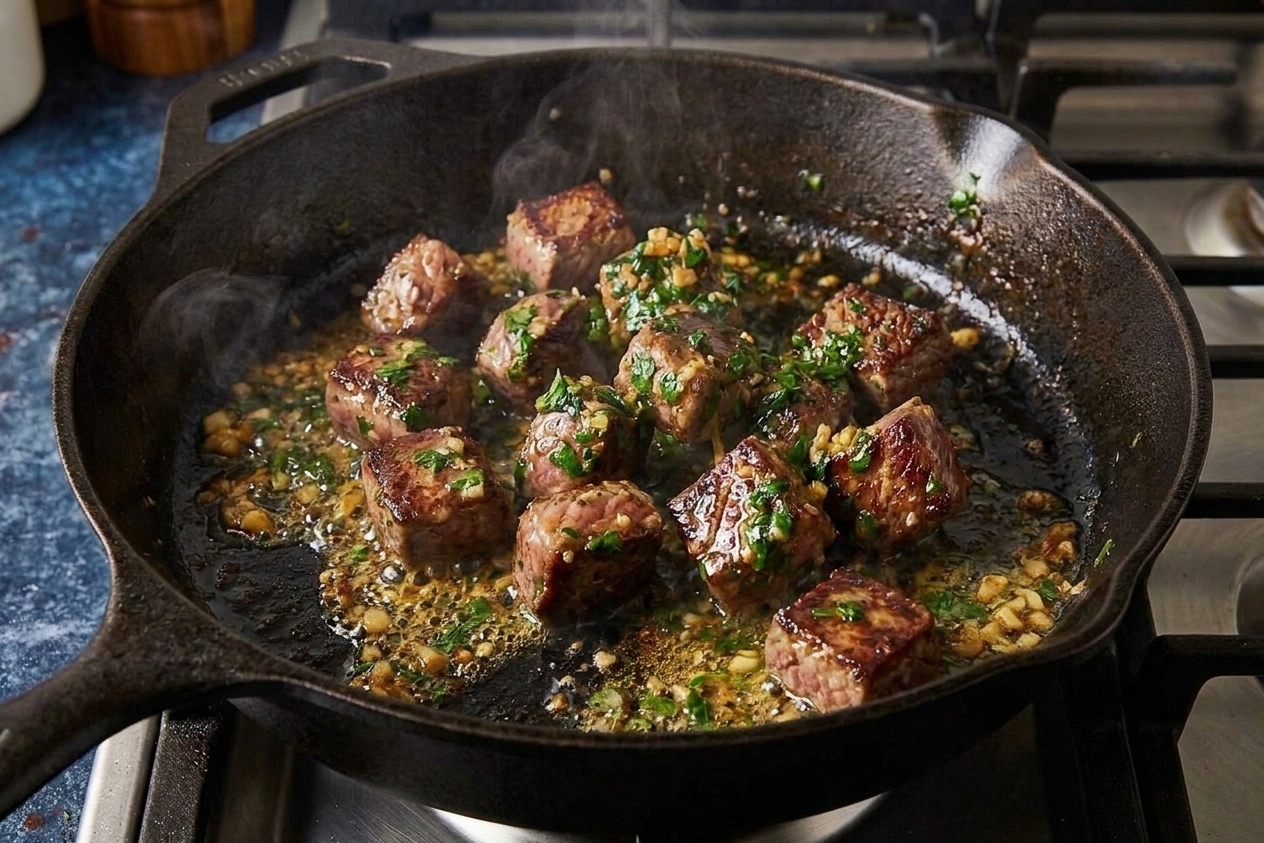
Seared steak bites and pasta in a glossy garlic butter Parmesan sauce with lemon and herbs.

Author By Matt Campbell
4.8
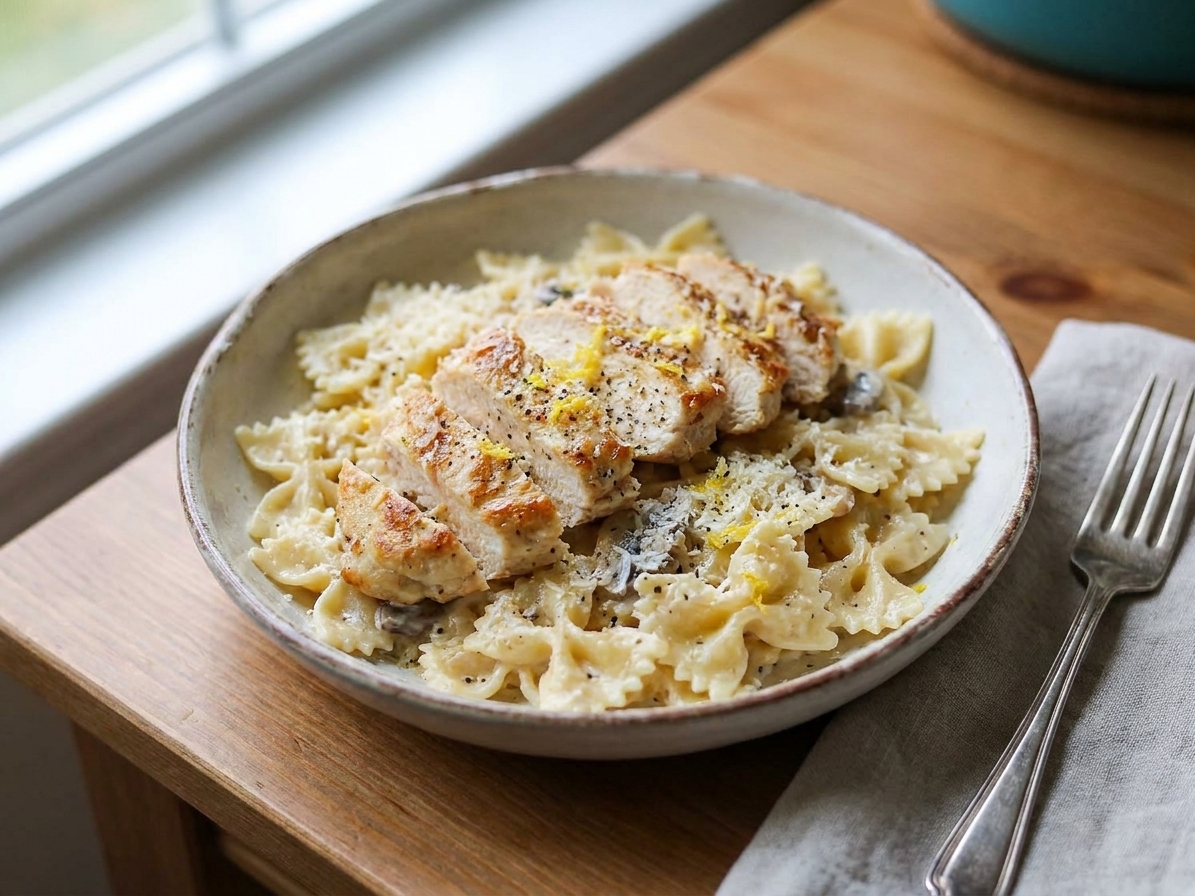
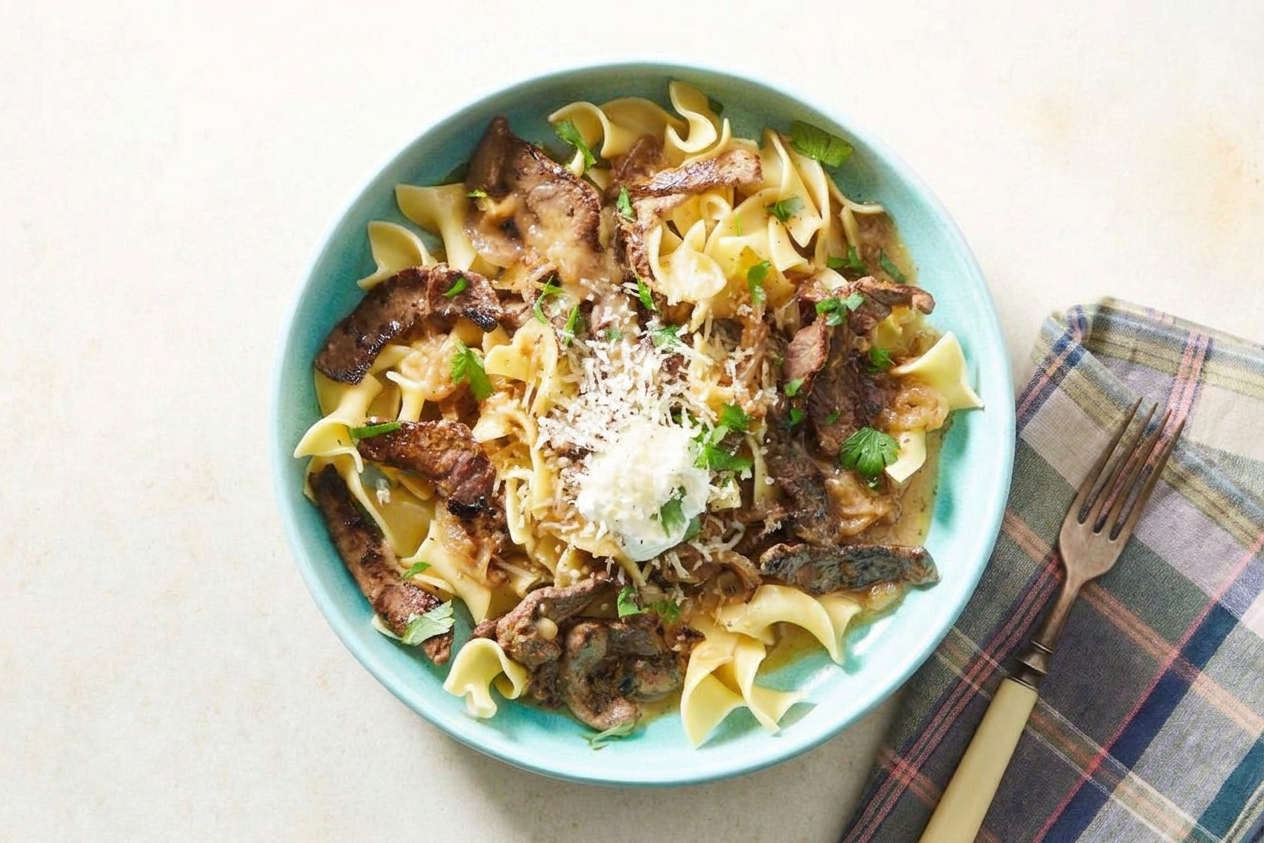
A bowl of garlic butter steak pasta with sliced medium-rare steak, glossy Parmesan sauce, and chopped parsley on a neutral linen napkin

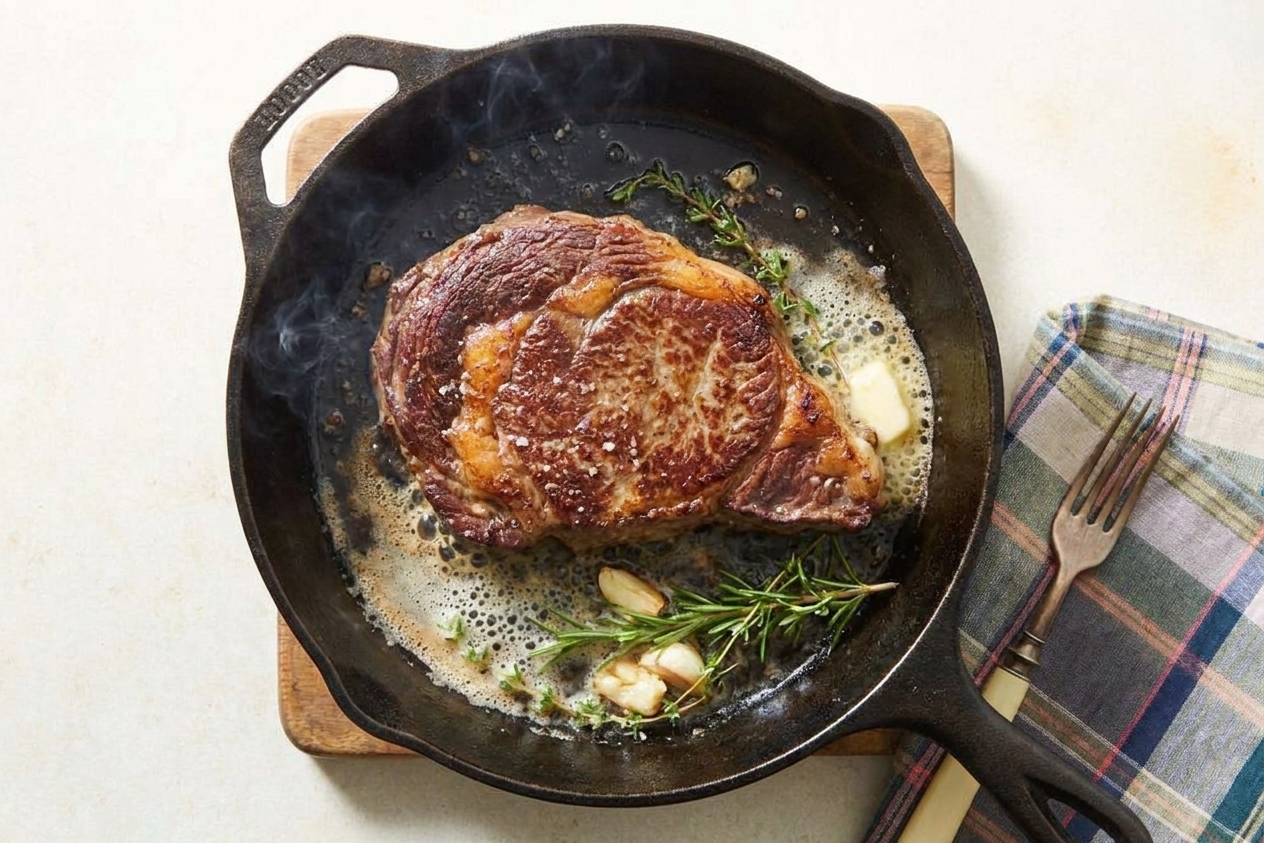
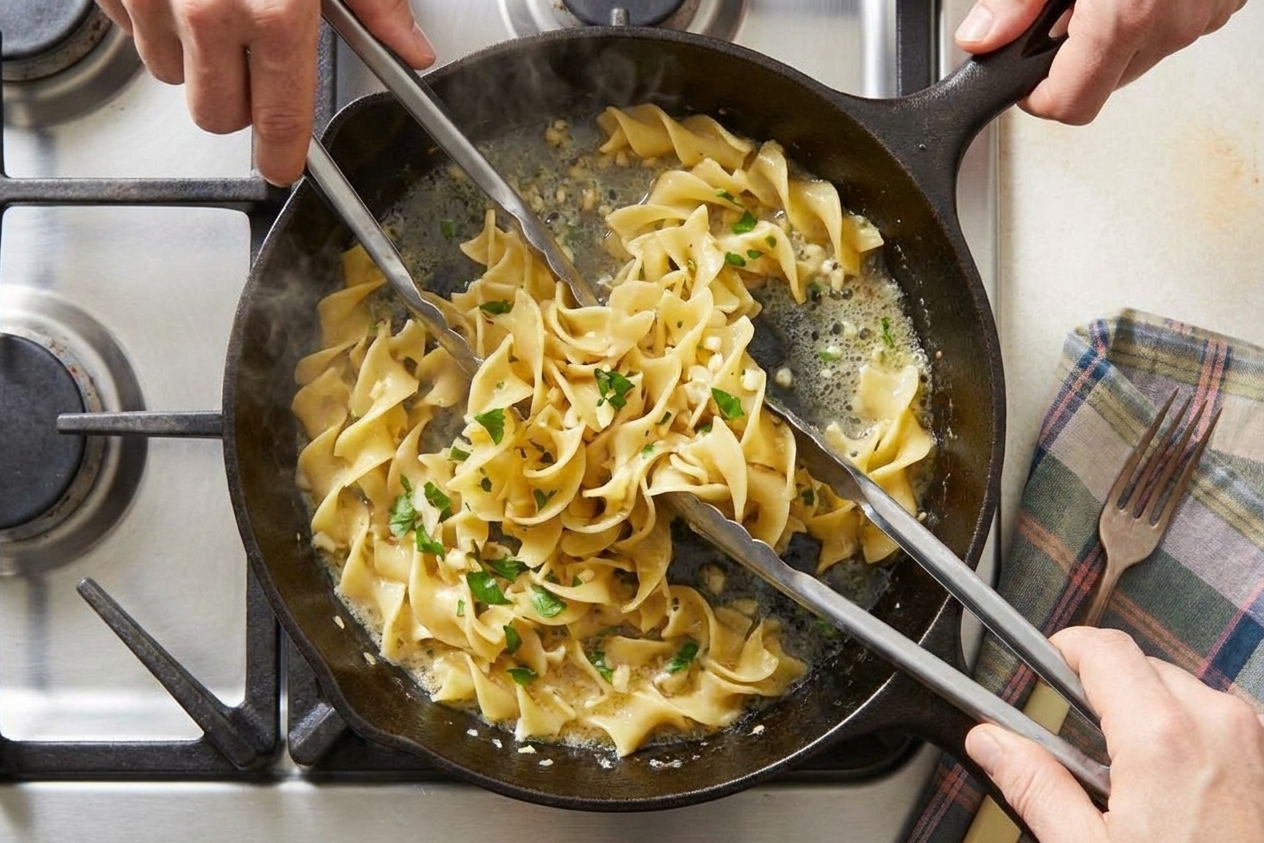
Steak pasta is my favorite kind of dinner flex because it looks like you had a plan, but it is really just good timing and a pan that gets hot enough. We are doing crisp-edged steak, al dente pasta, and a garlic butter sauce that turns silky the second it meets starchy pasta water. Then we wake it all up with lemon so it tastes rich and bright, not heavy.

This is the version I make when I want something cozy but still kind of sharp around the edges. If you can boil water and sear a steak, you can absolutely pull this off.

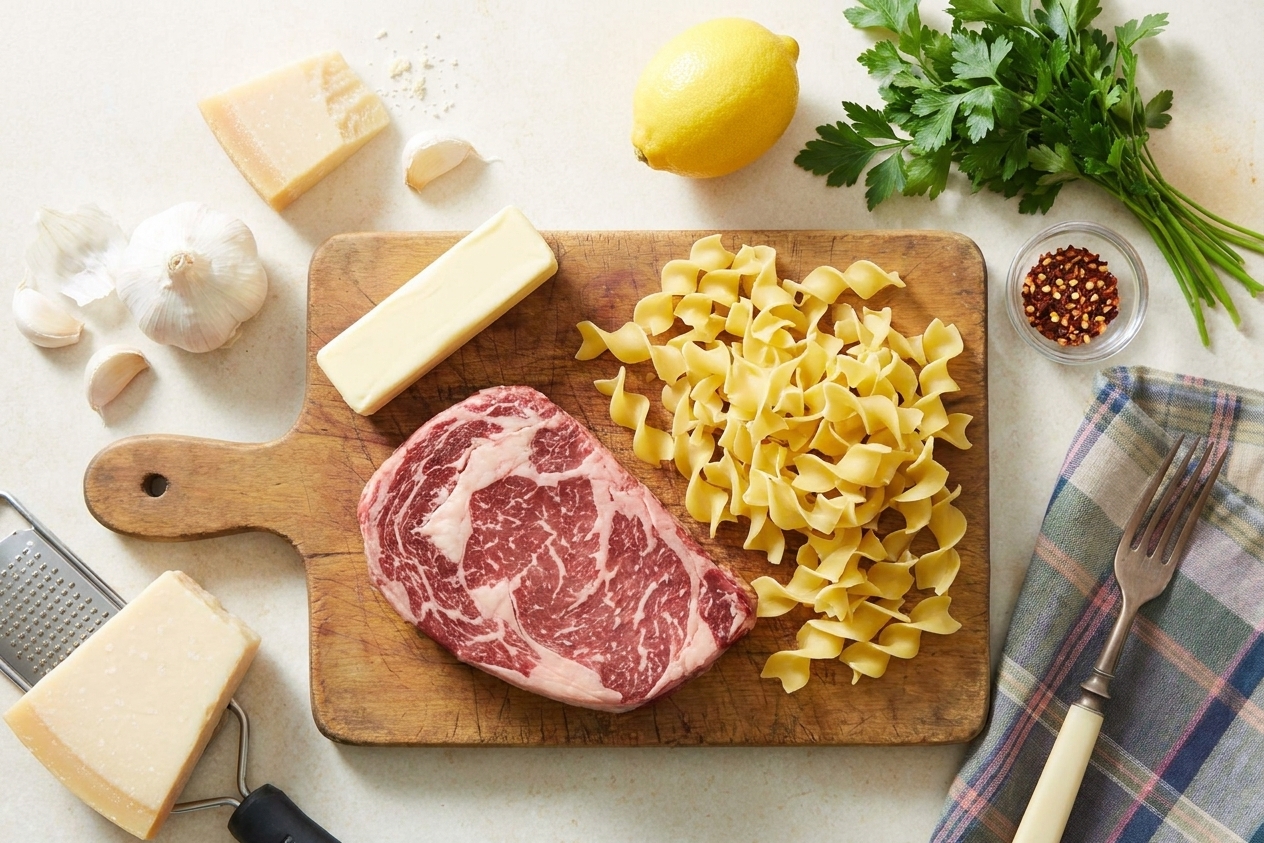
Raw ribeye steak, uncooked pasta, butter, garlic, Parmesan, lemon, parsley, and red pepper flakes arranged on a light kitchen counter

Why It Works

  • Steak that stays juicy: We sear hard and fast, then rest it so the juices stay where they belong.
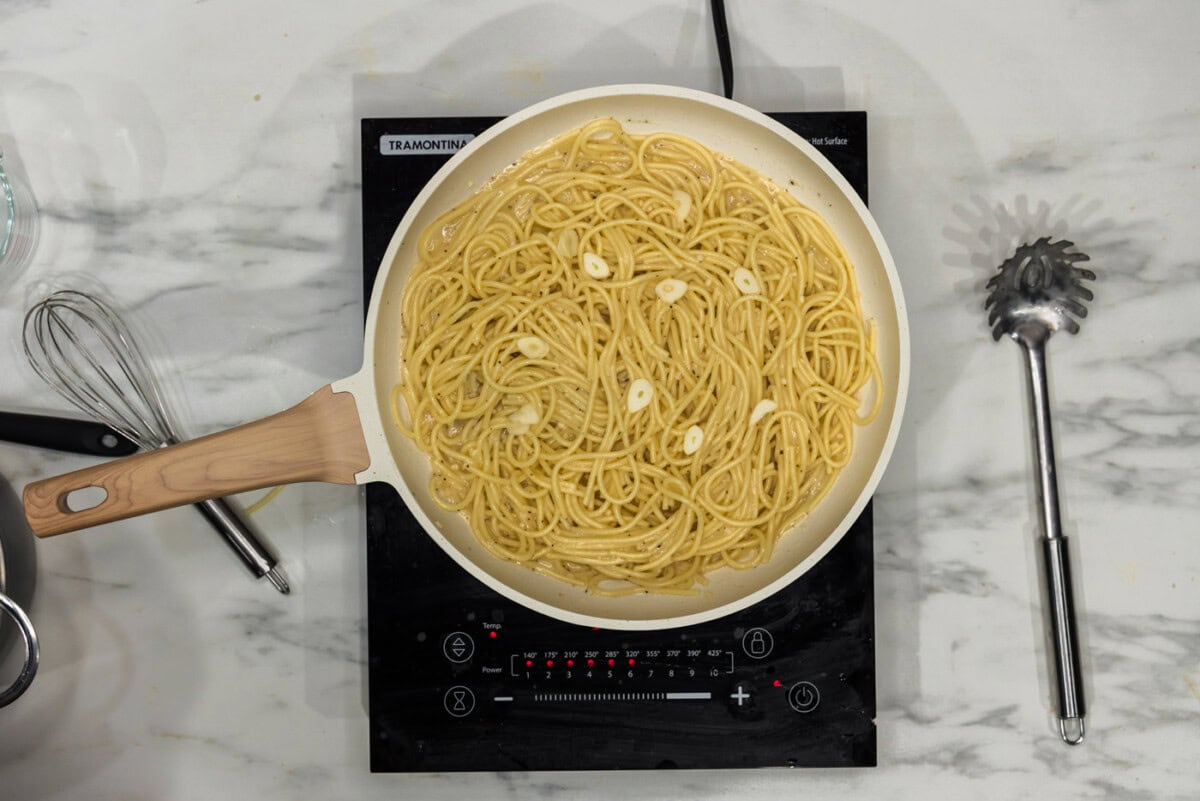
  • A sauce that clings: Butter, garlic, Parmesan, and pasta water make a glossy emulsion that coats every noodle.
  • Big flavor, low drama: One skillet, one pot, and a few high-impact ingredients.
  • Balanced richness: Lemon cuts through the butter and cheese so the last bite tastes as good as the first.

Pairs Well With

Storage Tips

Refrigerate: Store leftovers in an airtight container for up to 3 days.

Reheat (best method): Warm in a skillet over medium-low with a splash of water or broth. Stir gently until the sauce loosens and turns glossy again. If the steak is already sliced, pull the pan off the heat once it is just warmed through so it does not overcook.

Microwave: Works fine. Add a teaspoon or two of water, cover loosely, and heat in 30-second bursts, stirring between rounds.

Freeze: You can, but the sauce can separate a bit and the steak will lose some tenderness. If you do freeze, thaw overnight in the fridge and reheat slowly on the stove with extra liquid.

Common Questions

What cut of steak is best for steak pasta?

Ribeye is the most forgiving and flavorful. Sirloin is leaner and budget-friendly. Strip steak is a great middle ground. Whatever you pick, slice against the grain after resting.

Can I use a different pasta shape?

Yes. Long noodles like linguine or fettuccine feel restaurant-y, but short shapes like penne or rigatoni are great for grabbing sauce. Just cook to al dente because the pasta finishes in the skillet.

How do I keep the sauce from getting grainy?

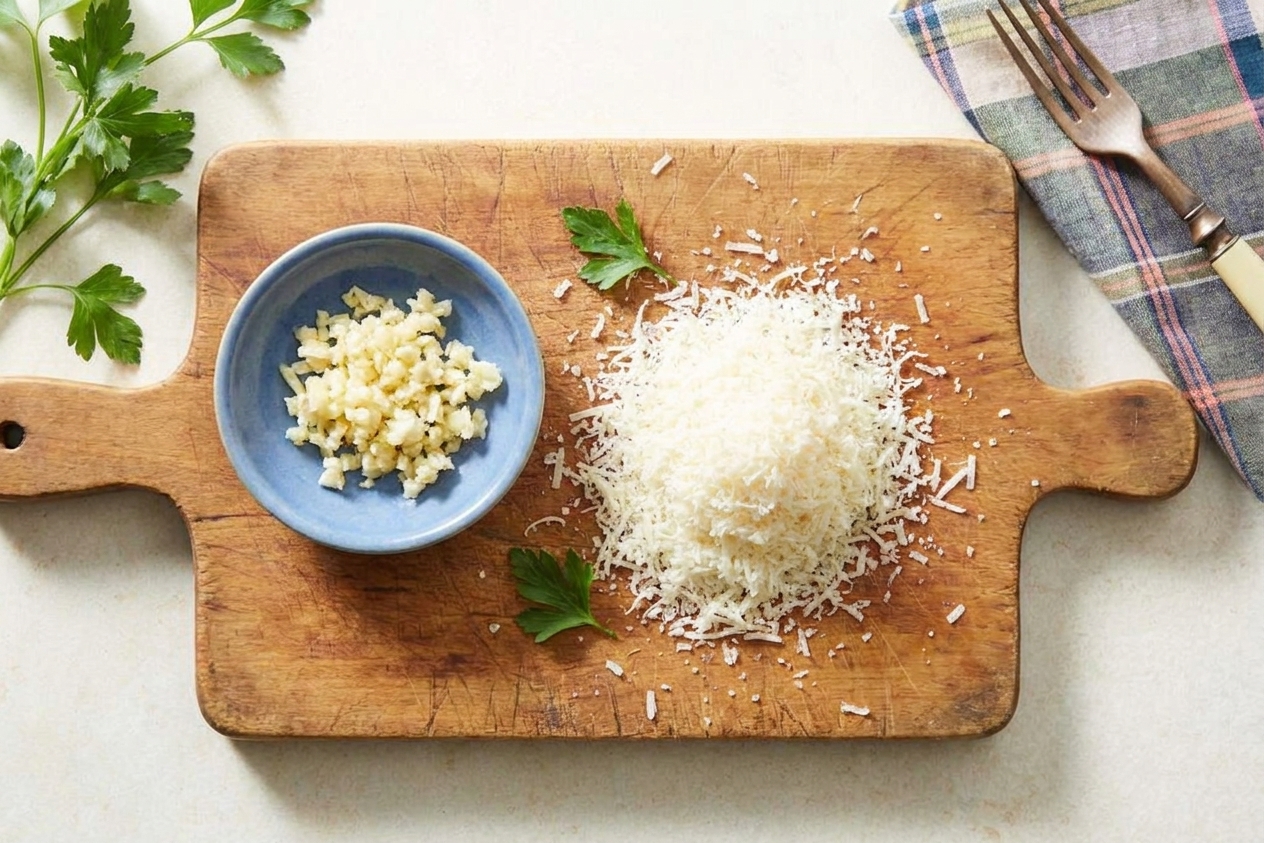
Take the skillet off the heat when you add Parmesan, and use finely grated cheese. Parmigiano-Reggiano is ideal. Avoid pre-shredded Parmesan if you can since anti-caking agents can make the sauce a little gritty. If it tightens up, add a splash more hot pasta water and toss until smooth.

Can I add veggies?

Absolutely. Sauté mushrooms after the steak, or toss in a couple handfuls of baby spinach at the end. Quick blistered cherry tomatoes are also excellent with the lemon.

Is this spicy?

Only if you want it to be. Red pepper flakes are optional. Start small and taste.

What steak temps should I aim for?

Use these as a quick guide: rare 120 to 125°F, medium-rare 130 to 135°F, medium 140 to 145°F, medium-well 150 to 155°F. Keep in mind carryover cooking can bump the temp up a few degrees while it rests.

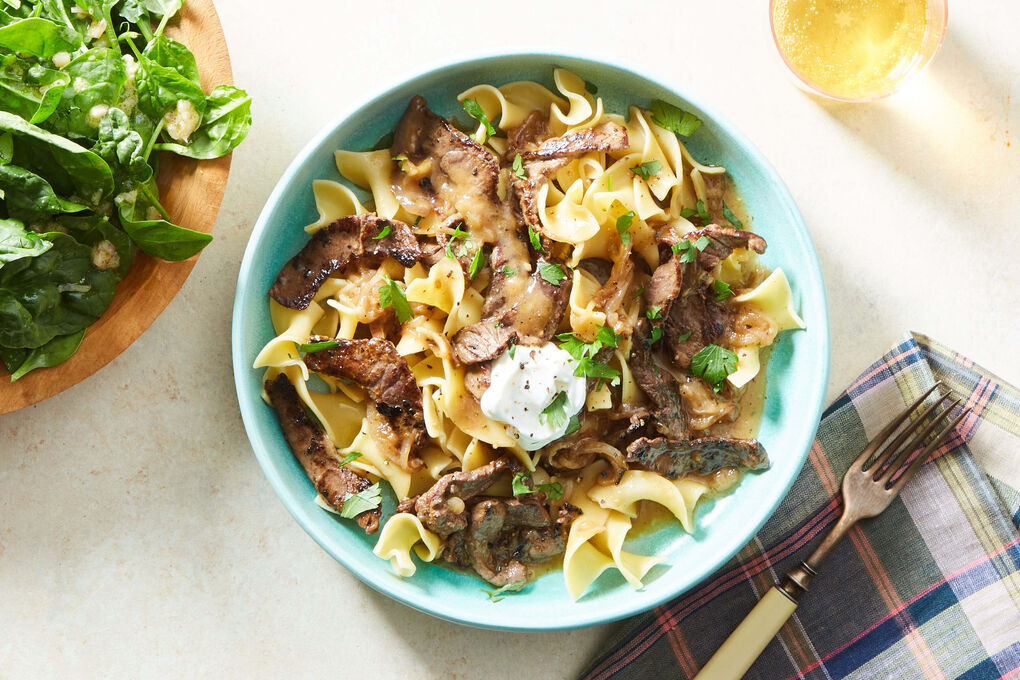
I used to think steak-and-pasta nights were reserved for restaurants or a friend who owns three different kinds of finishing salt. Then I started cooking more on instinct: sear something, build a sauce in the same pan, and let pasta water do the heavy lifting. The first time I tossed noodles into garlicky steak drippings and watched it turn glossy, I had that little mid-bite pause like, okay wow. Now it’s one of my go-to meals when I want comfort with confidence, even if the kitchen is a tiny bit chaotic.

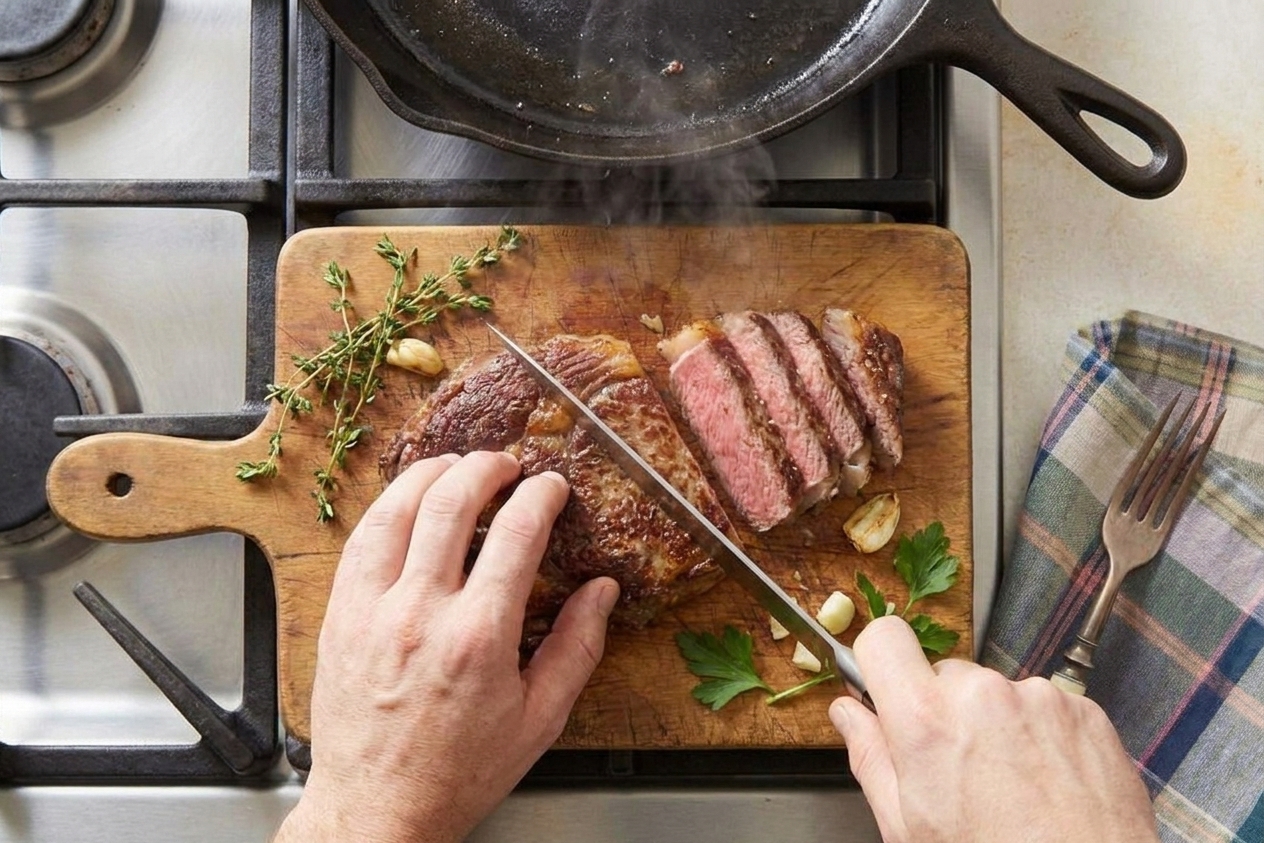
A cook's hands slicing a rested medium-rare steak on a wooden cutting board with a chef's knife