Mom's Best Recipes
Recipe

Garlic Butter String Beans

Crisp-tender green beans sautéed with garlicky butter, a squeeze of lemon, and a salty finish.

Author By Matt Campbell
4.8
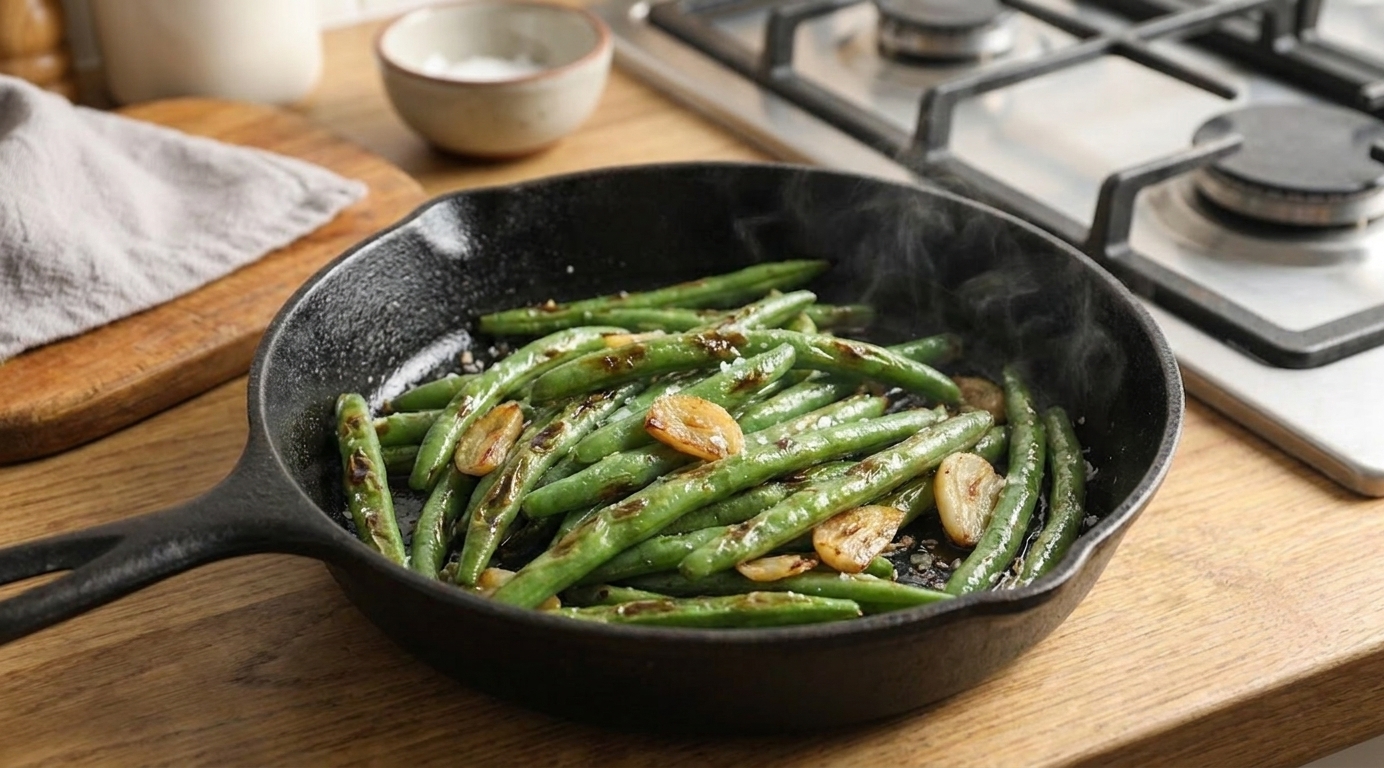
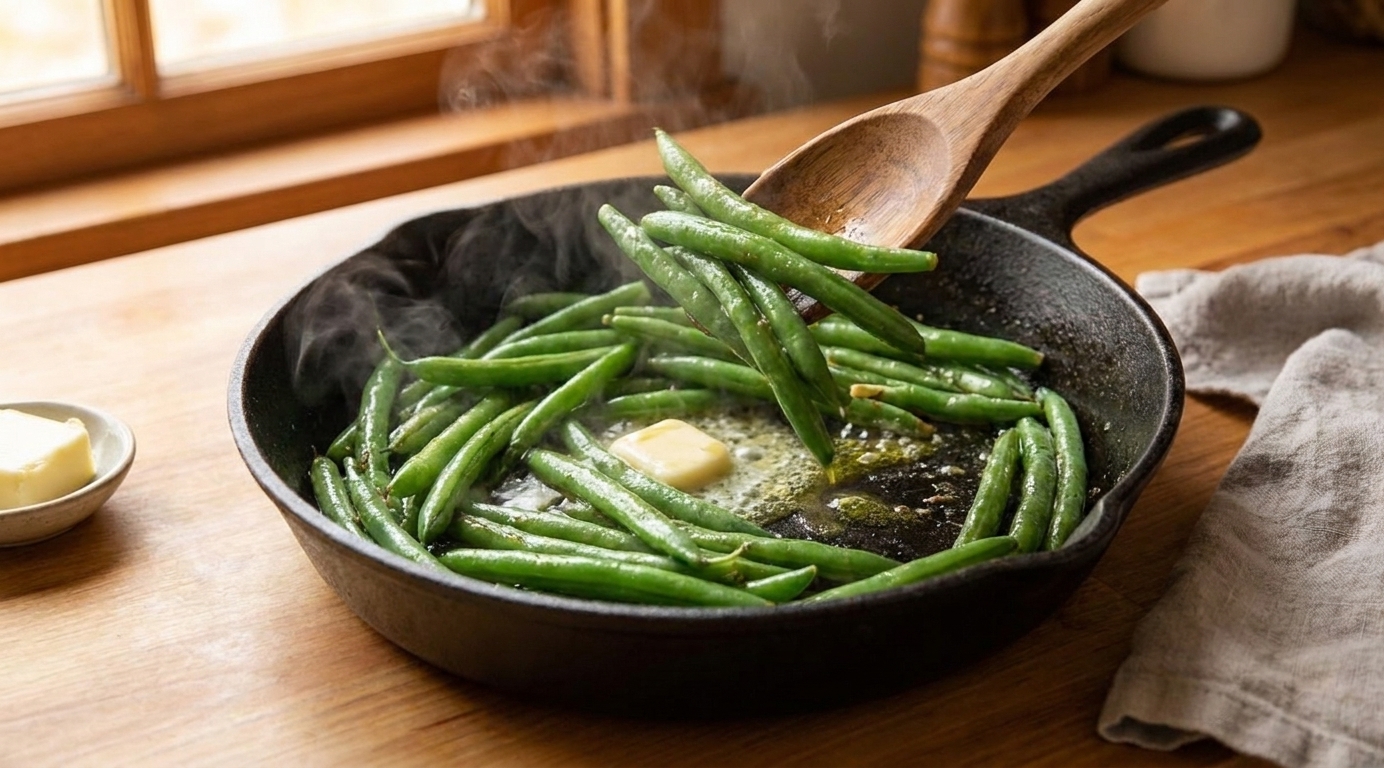
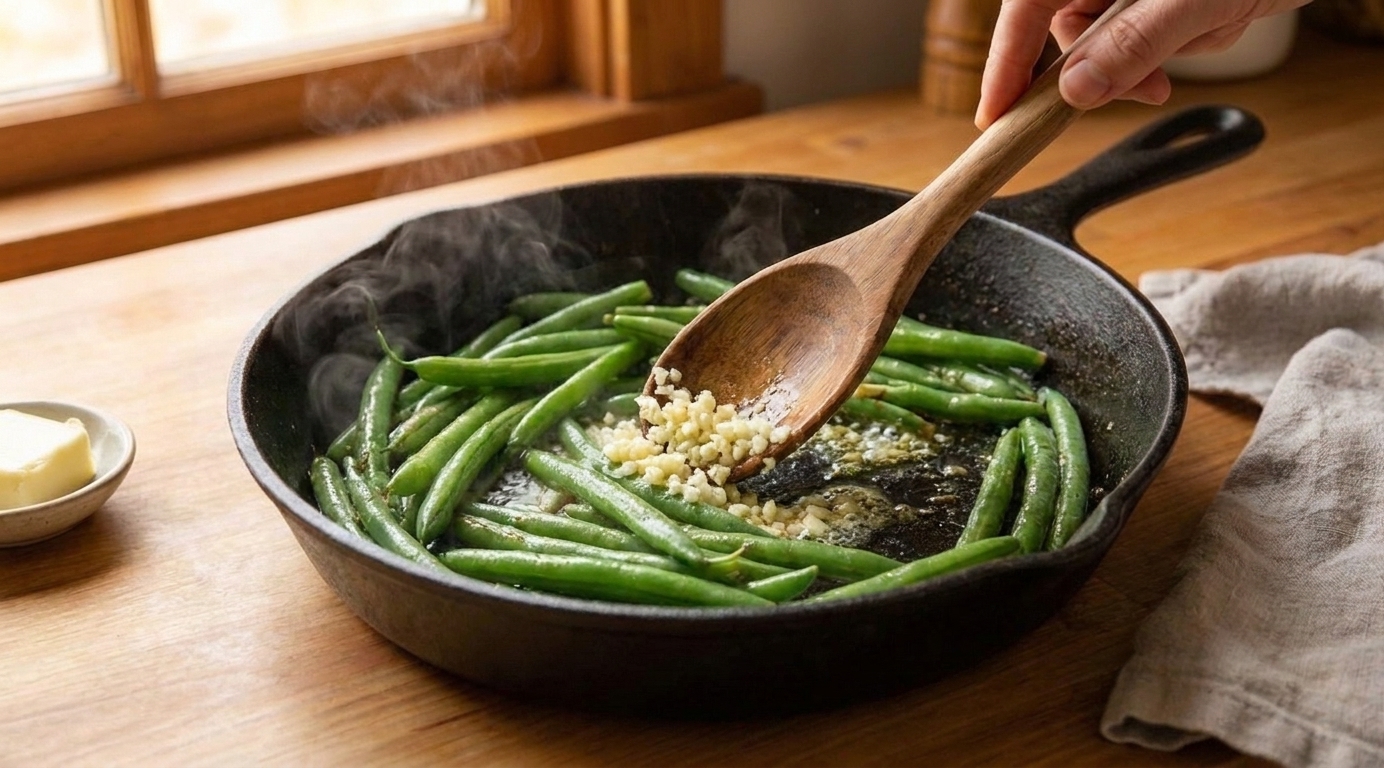
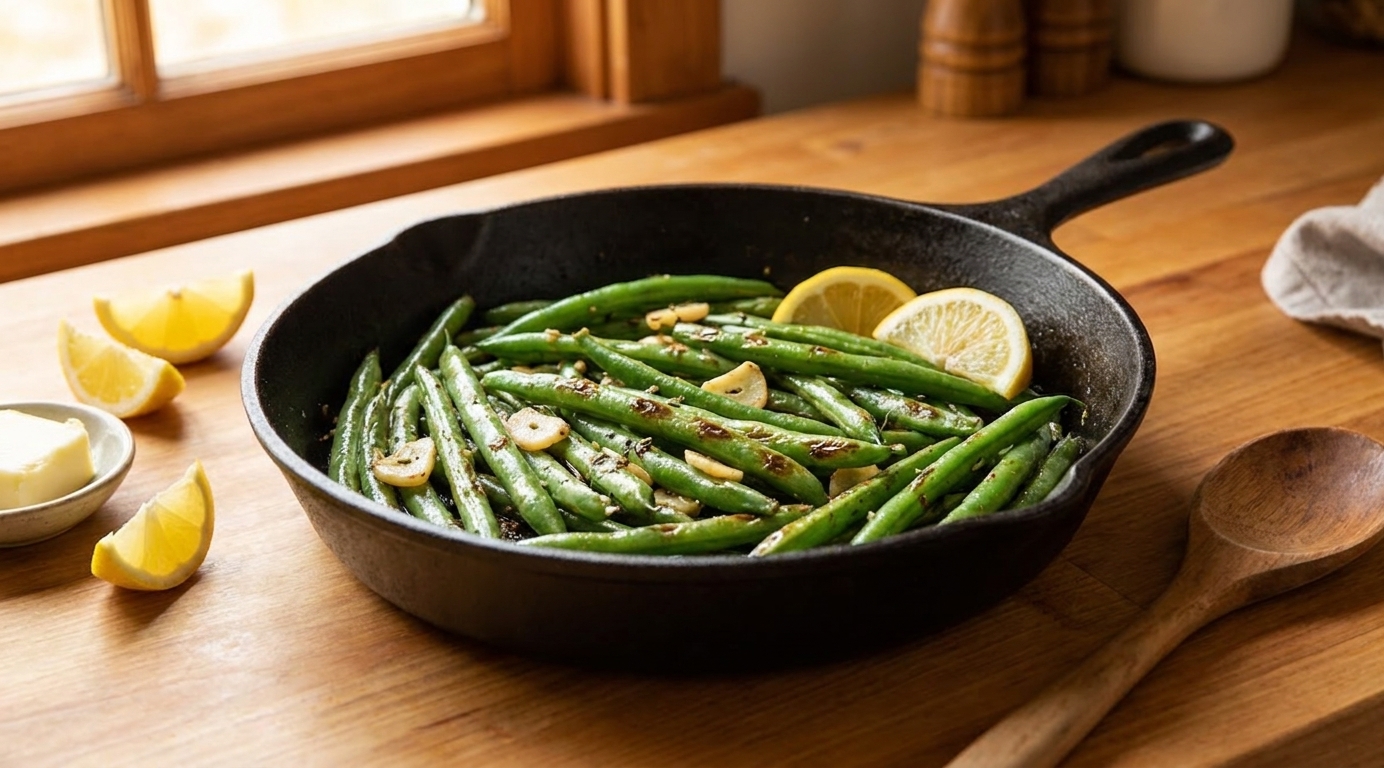
A cast iron skillet filled with glossy garlic butter string beans with lightly blistered spots and lemon wedges on the side, on a warm-toned kitchen counter

String beans are one of those sides that can be either sad and squeaky or shockingly addictive, and the difference is usually two things: heat and seasoning. This version goes for crisp edges, a buttery garlic gloss, and a little lemon to wake everything up.

It’s a weeknight move, but it eats like you tried harder. You can serve them next to chicken, pork chops, fish, or a big pile of cozy carbs. And if you’re the kind of person who “tests one bean” straight from the pan and somehow eats eight, welcome. You’re among friends.

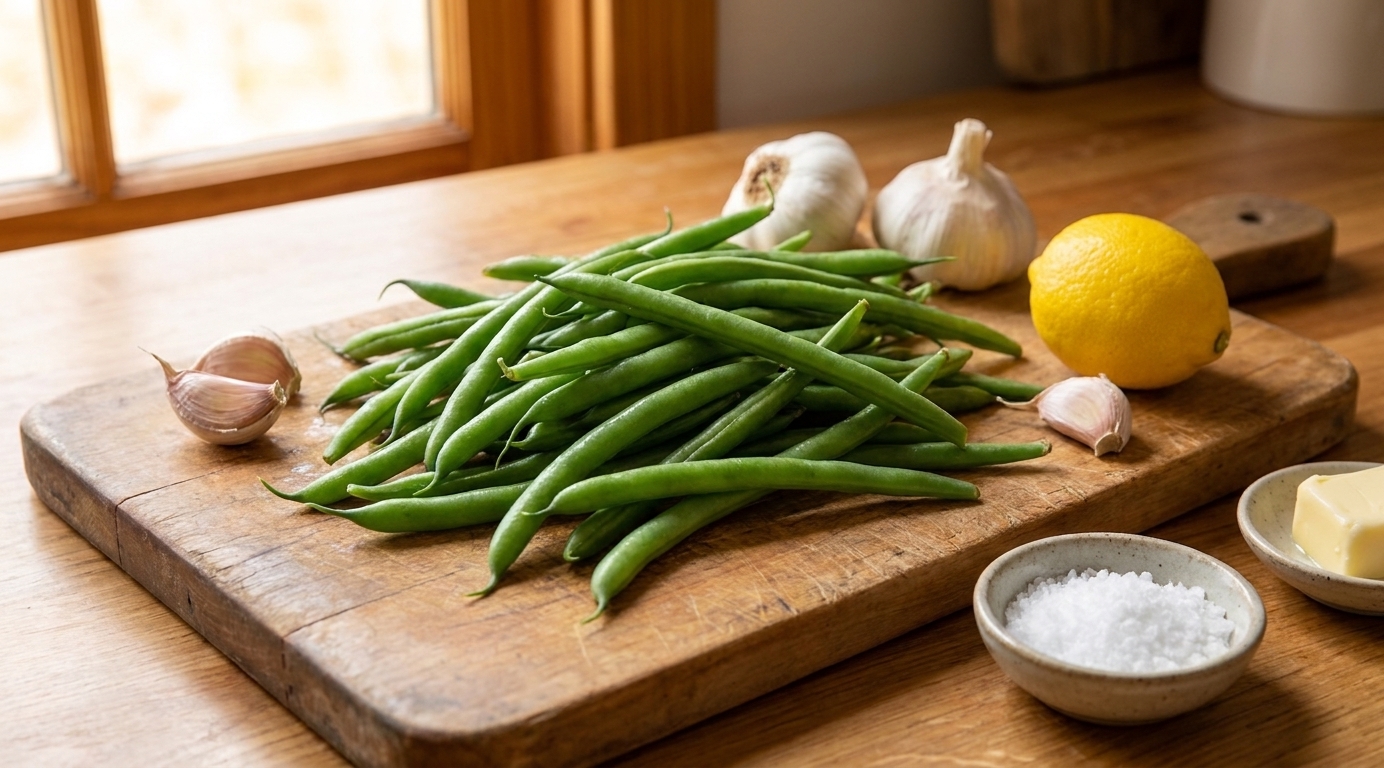
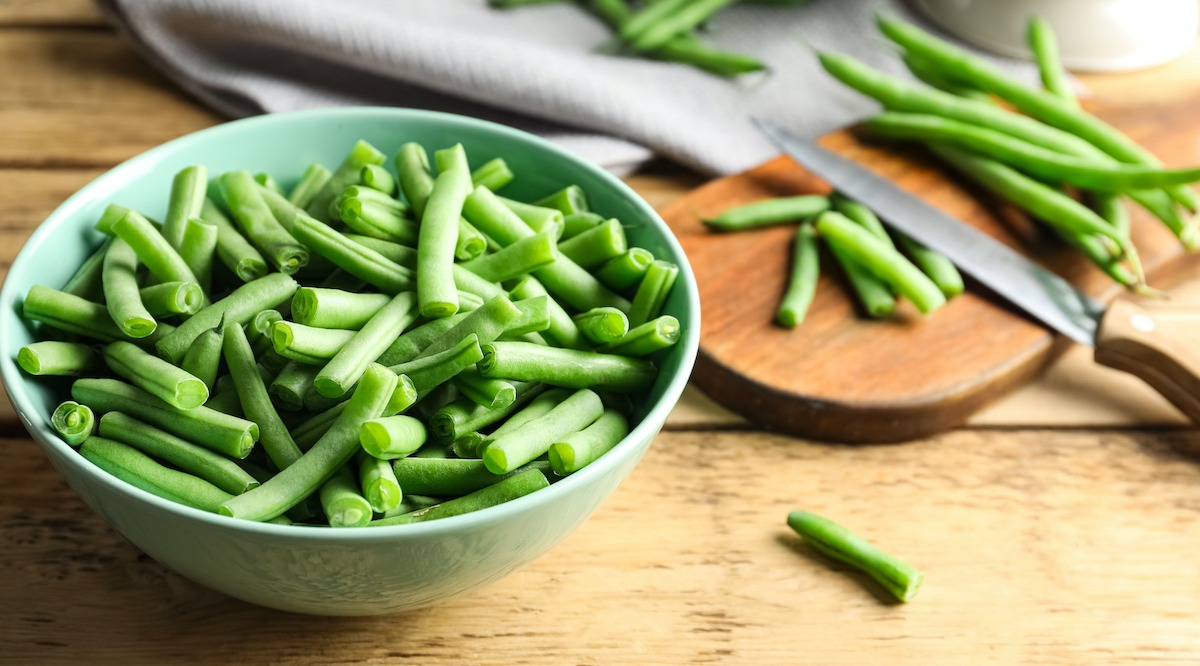
Fresh string beans on a cutting board with whole garlic cloves, a lemon, kosher salt, and butter arranged nearby on a kitchen counter

Why It Works

  • Crisp-tender texture: A quick steam and a hot sauté means no limp beans.
  • Big flavor, minimal ingredients: Butter, garlic, lemon, and salt do the heavy lifting.
  • Fast and flexible: Works with fresh or frozen green beans, and you can riff with parmesan, almonds, or bacon.

Pairs Well With

Storage Tips

Refrigerate: Cool completely, then store in an airtight container for up to 4 days.

Reheat: Best in a skillet over medium heat with a tiny splash of water to loosen the butter and bring the beans back to life. Microwave works too, but the beans will soften more.

Use leftovers: Chop and toss into fried rice, fold into an omelet, or warm and top with a jammy egg and a sprinkle of parmesan.

Common Questions

Are string beans the same as green beans?

Most of the time, yes. “String beans” and “green beans” are used interchangeably, especially in the U.S. Technically, “string beans” can also refer to older varieties with a tougher string down the side, but modern green beans are usually stringless (the name just stuck around).

How do I keep green beans from turning mushy?

Do two things: don’t over-steam (2 to 3 minutes is plenty) and finish hot in the skillet so water evaporates fast. Mush happens when the beans sit in moisture too long.

Can I use frozen green beans?

Yes. You’ve got options: you can thaw and pat dry for the best chance at blistered spots, then skip the steaming step and go straight to sautéing. Or cook straight from frozen, just expect extra water at first and keep the pan uncovered so it can evaporate. Frozen beans are softer by nature, but you can still get great flavor.

What if I don’t have lemon?

Use a splash of vinegar at the end. Rice vinegar or white wine vinegar is great. Start with 1 teaspoon, taste, then adjust.

Can I make these ahead?

You can trim the beans and mince the garlic a day ahead. For the best texture, cook right before serving.

Any kid-friendly tips?

Skip the red pepper flakes and go light on black pepper. You can always add heat at the table for the grown-ups.

I used to treat green beans like a checkbox side. Steam, salt, done. Then I started cooking them the way I actually like to eat them: a little blistered, super garlicky, and finished with something bright. The first time I nailed that buttery lemony sheen, I ate them straight out of the pan like they were fries. Now they’re my default “I need a vegetable” move, especially when dinner is otherwise a bit chaotic.