Mom's Best Recipes
Recipe

Garlic Parmesan Roasted Potatoes

Extra crispy roasted potatoes with fluffy centers, tossed with garlic, Parmesan, and Italian herbs. The secret is a quick parboil before roasting for those golden, crunchy edges.

Author By Matt Campbell
4.9
A sheet pan of golden roasted potato chunks with crisp edges, tossed with grated Parmesan and chopped parsley, with a small bowl of garlic butter in the background on a warm kitchen counter, natural window light, photorealistic food photography

These garlic Parmesan roasted potatoes are the kind of side dish that makes people hover near the oven like it is a sports game. Crisp, browned edges. Fluffy middles. A salty, garlicky, herby coating that clings to every nook and cranny.

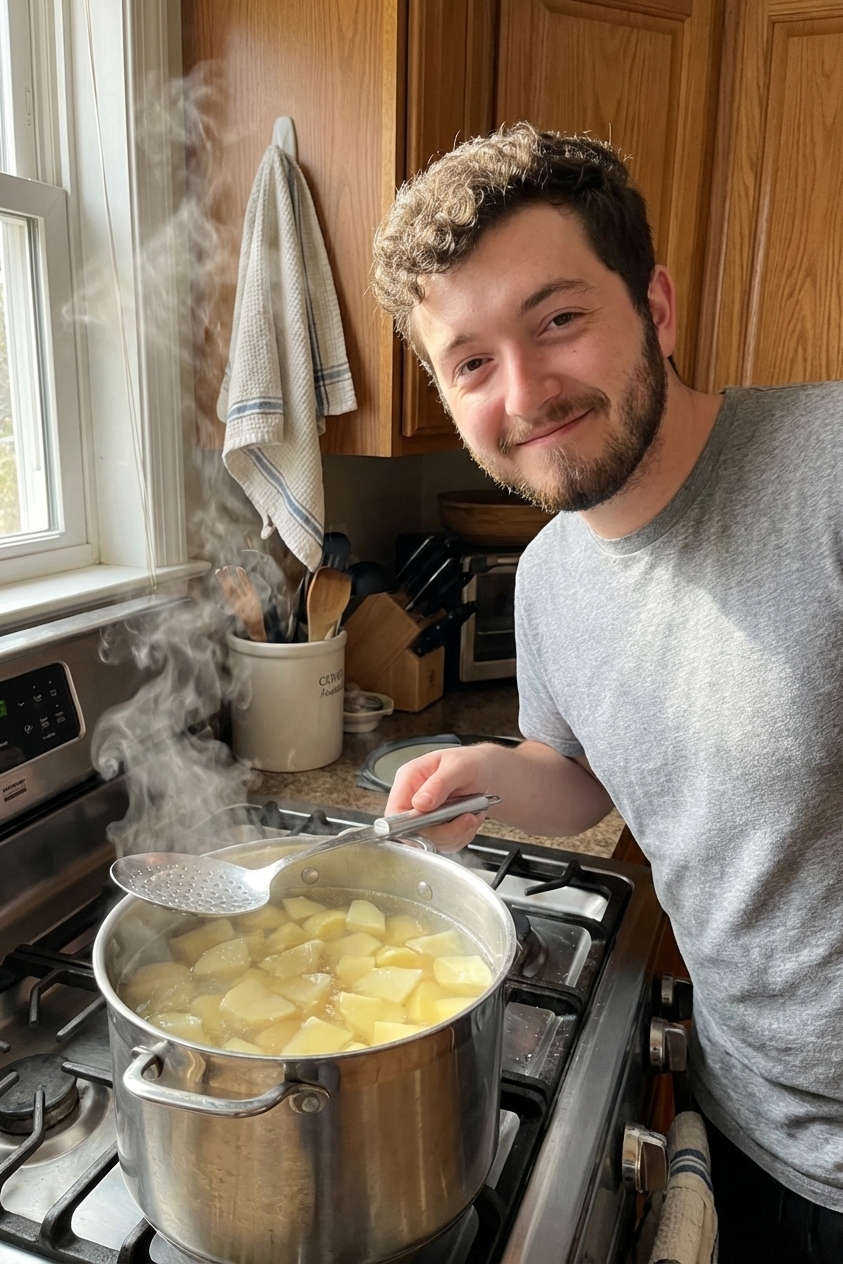
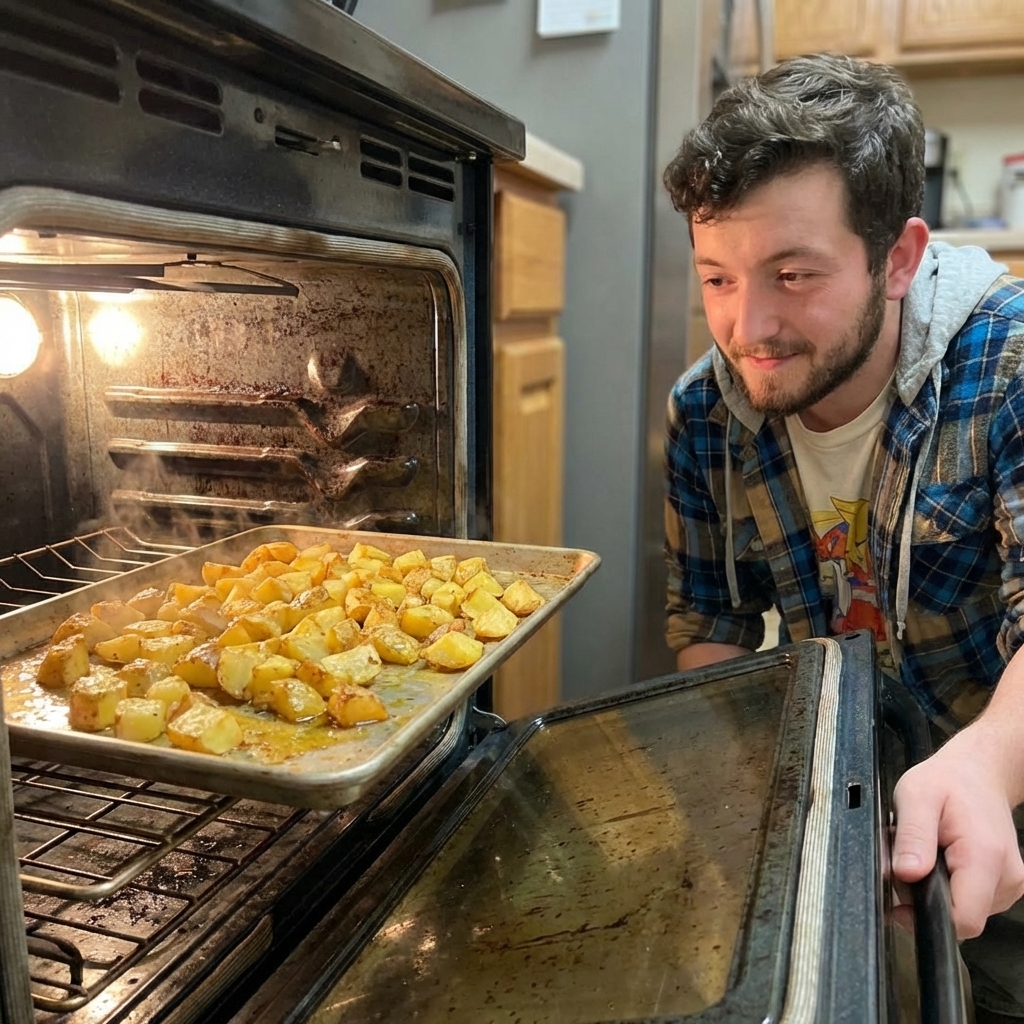
Here is the move that makes them actually crispy: parboil first, then rough them up a bit, then roast hot. That quick boil creates a starchy surface, and starch plus high heat equals those crunchy little edges that disappear straight off the pan.

They go with basically everything. Steak, chicken, fish, eggs, or the classic meal of standing at the counter eating potatoes out of a bowl. No judgment. Taste as you go.

A stainless steel pot of potato chunks simmering in salted water on a stovetop, steam rising, with a slotted spoon resting on the rim, candid home kitchen photo, natural light

Why It Works

  • Parboiling builds the crust: A short simmer softens the outside and releases surface starch, which turns into crisp, craggy edges in the oven.
  • Roughing up equals more crunch: A quick shake in the colander makes tiny ridges that brown fast.
  • Two stage seasoning: Roast for color first, then toss with garlic and Parmesan near the end so the cheese does not burn and the garlic stays fragrant, not bitter.
  • The right potato matters: Yukon Golds roast up creamy with crisp edges. Russets get extra crunchy and fluffy. You can pick your vibe.

Pairs Well With

Storage Tips

Refrigerate: Cool completely, then store in an airtight container for up to 3 to 4 days.

Reheat for crispiness: Spread on a sheet pan and bake at 425°F for 10 to 15 minutes until hot and re-crisped. An air fryer at 400°F for 5 to 8 minutes also works great.

Microwave option: It will warm them, but you will lose the crunch. If you do microwave, finish with 2 to 3 minutes in a hot skillet to bring the edges back.

Freeze: You can, but the texture gets a little softer. Freeze in a single layer, then bag for up to 2 months. Reheat from frozen at 425°F until crisp, about 18 to 25 minutes.

Common Questions

What potatoes are best for garlic Parmesan roasted potatoes?

Yukon Gold gives you a creamy interior with crisp edges, and they hold their shape nicely. Russets roast up extra fluffy and can get even crispier, but they are a bit more likely to break apart, which is not a bad thing if you like craggy bits.

Do I really need to parboil first?

If you want that restaurant-style crisp, yes. Parboiling for 8 to 10 minutes gives the potatoes a head start and creates a starchy surface that browns like a dream. If you skip it, they can still be good, just less crispy and more “roasted” than “shatteringly crisp.”

What does baking soda do, and should I use it?

A pinch of baking soda makes the water slightly alkaline, which helps the potato exterior break down a bit and turn into those crispy, craggy edges. It is great with russets. With Yukon Golds, it can make them soften faster, so keep an eye on them and do not overboil.

Why add Parmesan near the end instead of at the beginning?

Parmesan can burn at high heat, especially on the pan. Roasting first gives you browning without bitter cheese. Tossing with Parmesan for the last 5 to 8 minutes melts it onto the potatoes and keeps the flavor clean and nutty.

How do I keep the garlic from burning?

Even added late, fresh garlic can scorch at 450°F if it is sitting on the bare pan. The safest play is to toss the potatoes with garlic in a bowl (so it coats the potatoes, not the pan) and roast just long enough for it to turn fragrant. If you are worried, use garlic powder earlier in the roast and add fresh garlic right after baking, or lower the oven to 425°F for the final 5 to 8 minutes.

Can I use pre-grated Parmesan?

You can, but it will not melt and cling the same way. For best results, use finely grated Parmesan (Microplane style). It coats the potatoes instead of sitting there like little pebbles.

Why are my potatoes not getting crispy?

Common culprits: overcrowding the pan, not enough oil, oven not hot enough, parchment paper, or the potatoes are still wet after draining. Dry them well, give them space, and roast at 450°F. If the potatoes are packed in tight, use two pans.

Should I use parchment paper?

For maximum crisp, go directly on a hot pan (no parchment). If you prefer parchment for easy cleanup, do not preheat the parchment, and expect slightly less browning.

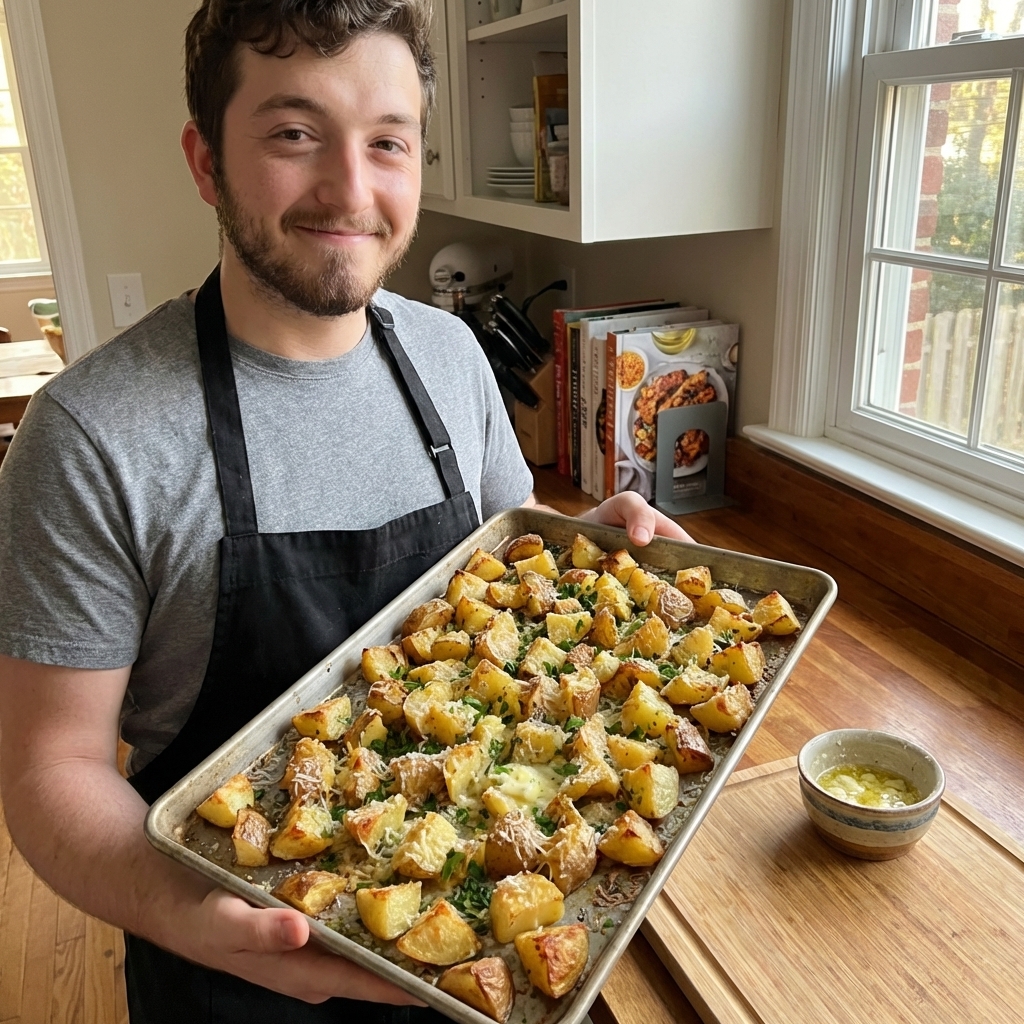
I started making these when I was chasing that specific kind of potato you get at a good restaurant: crunchy edges that almost snap, with a soft center that feels like it was whipped. I tried a bunch of methods, but the first time I parboiled, drained, shook the potatoes around, and roasted them screaming hot, it clicked. Suddenly the pan was full of golden little crags begging for Parmesan.

Now it is my go-to side when I want dinner to feel a little upgraded without turning the kitchen into a full production. Bonus: people always think you did something complicated. You did not. You just boiled potatoes like you meant it.