Mom's Best Recipes
Recipe

Garlic-Soy Chicken Adobo

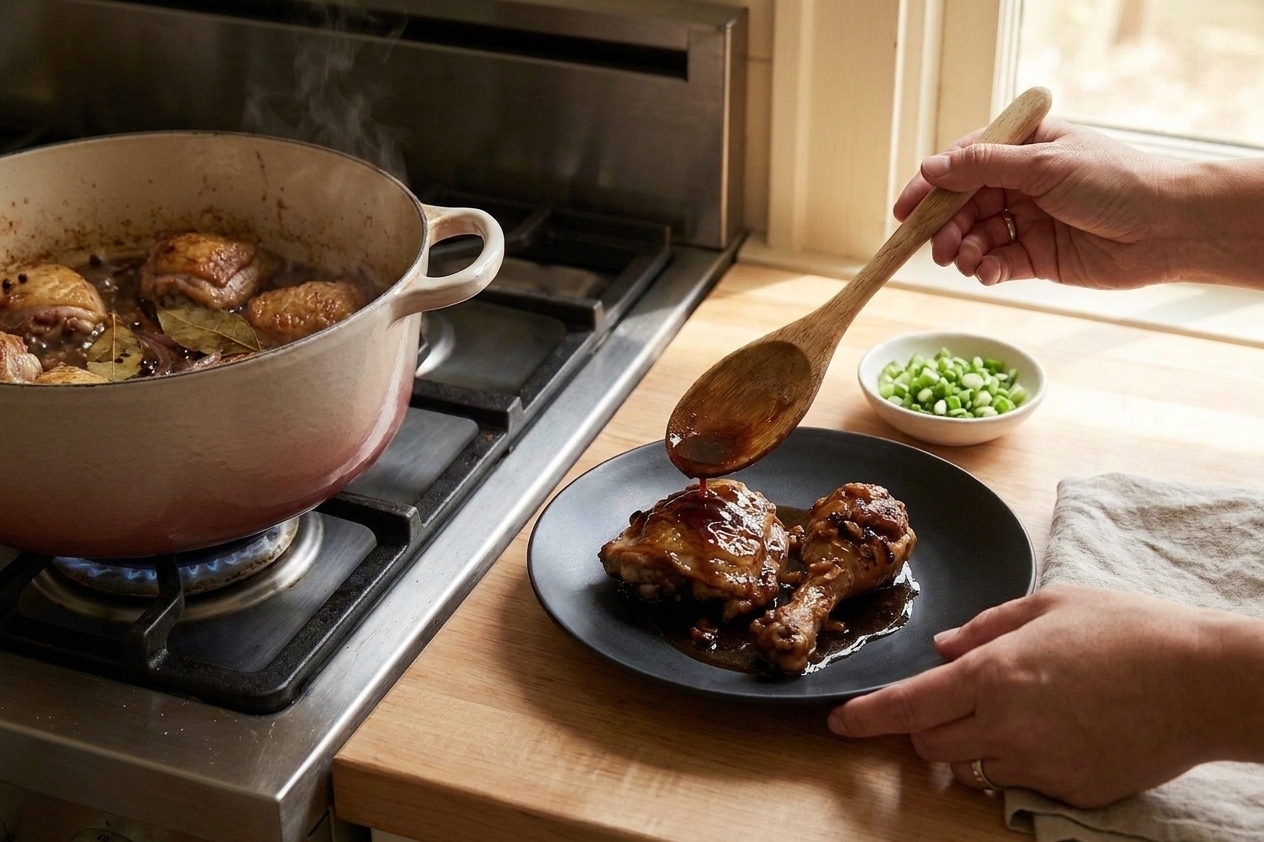
Tangy, savory, garlicky chicken adobo with crisp edges and a glossy sauce you will want on rice.

Author By Matt Campbell
4.8
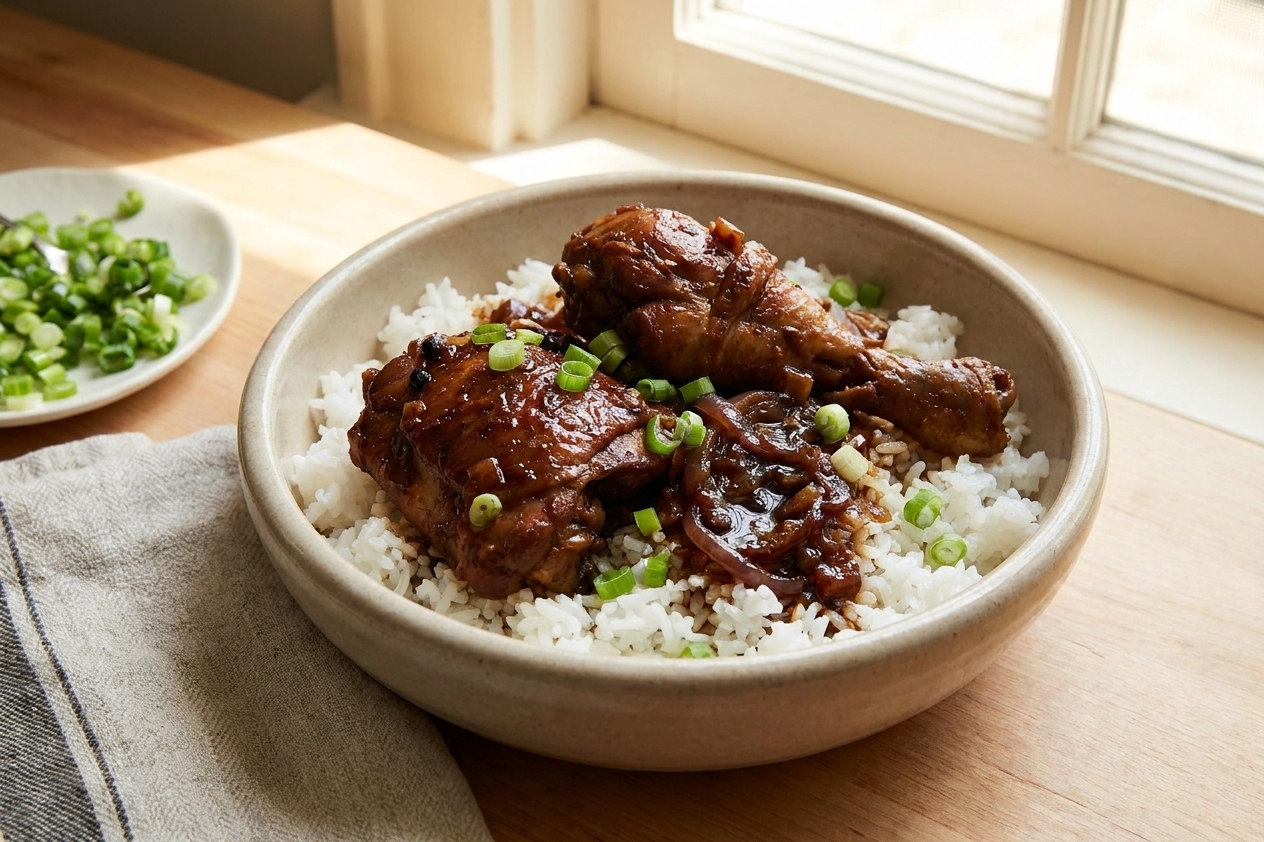
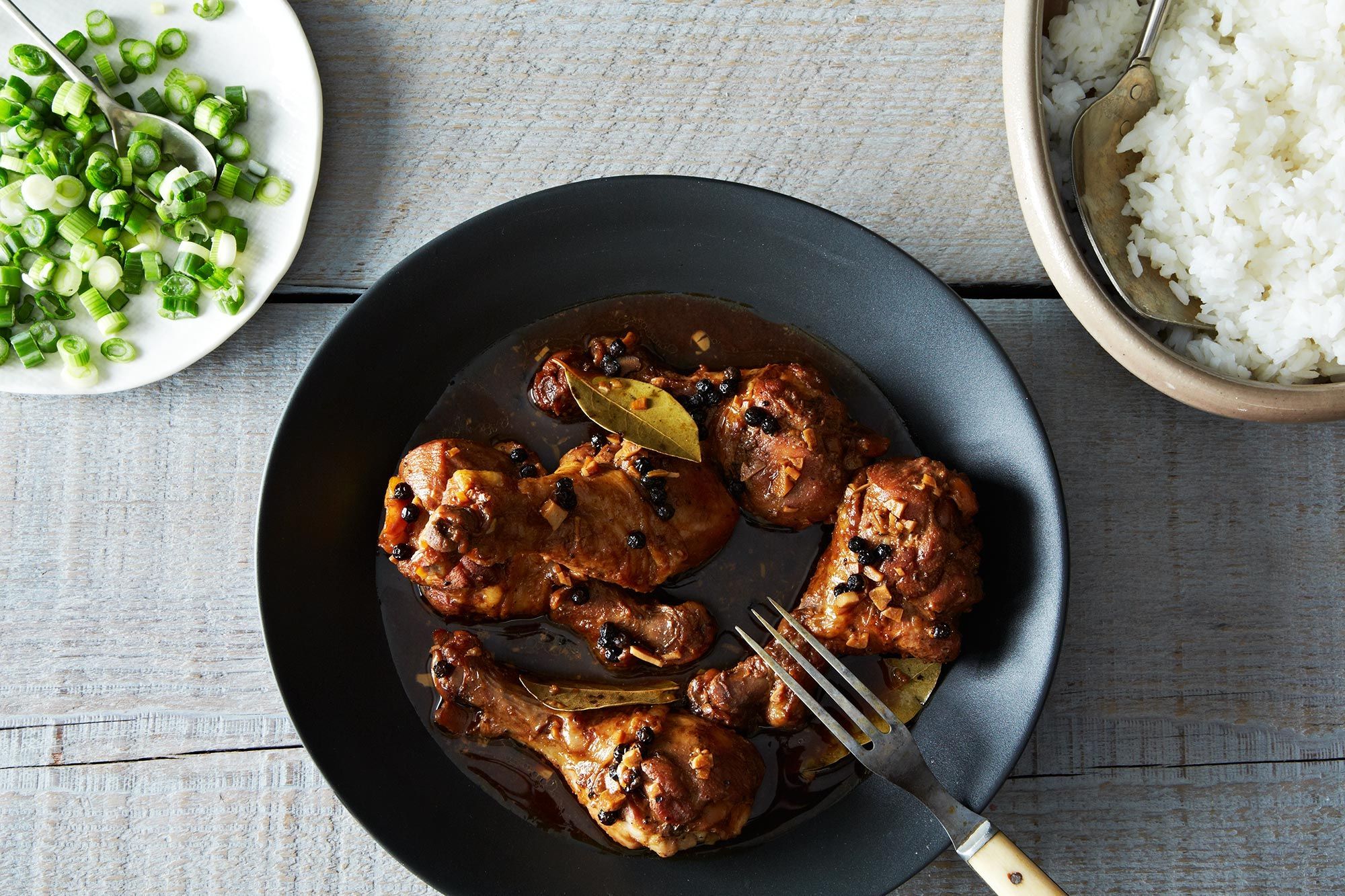
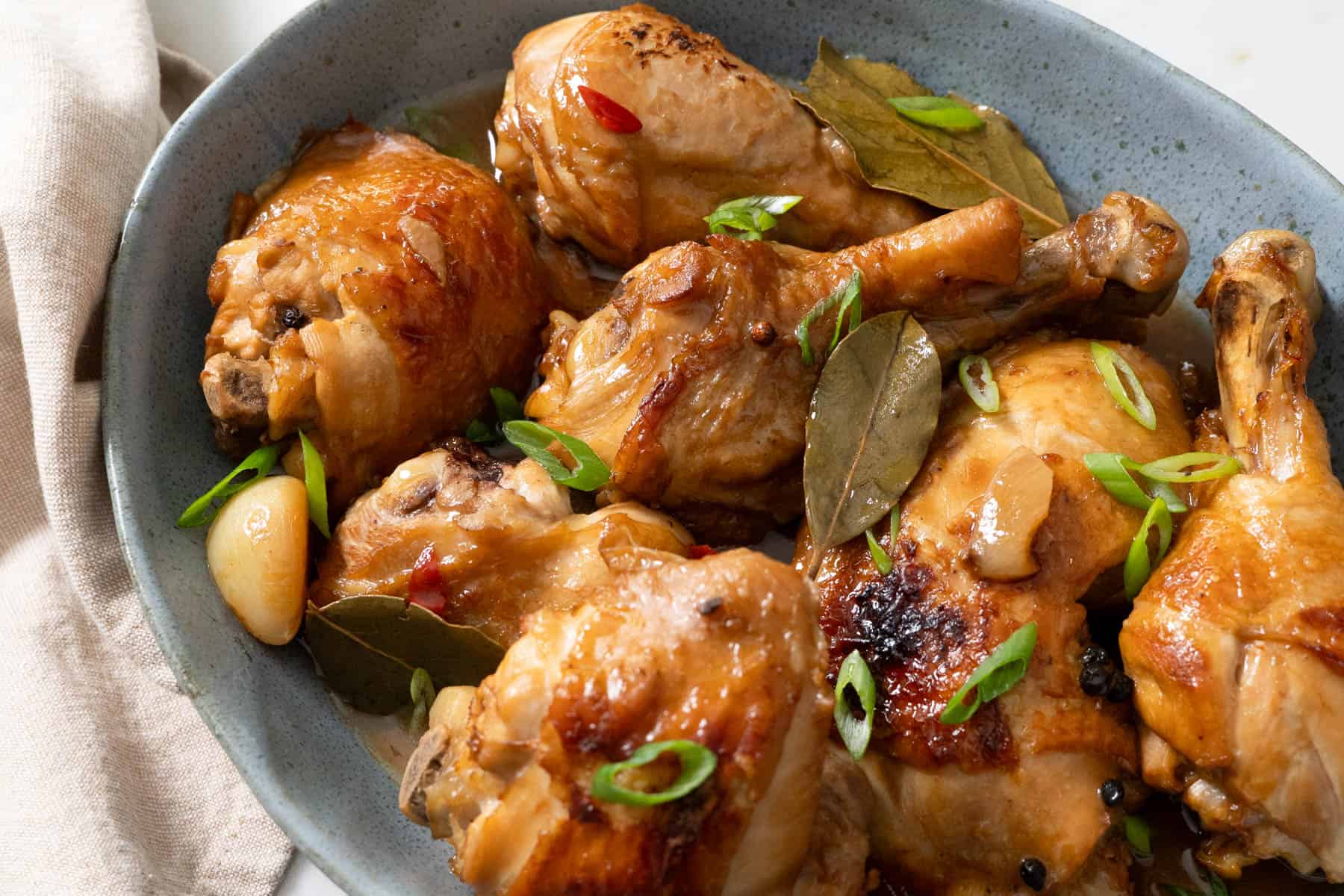
A bowl of Filipino-style chicken adobo with glossy dark sauce, bay leaves, and steamed white rice on a warm-toned kitchen table

If you ask me what dish earns its keep in the weeknight rotation, chicken adobo is right up there. It is one pot, big flavor, and it does that magic trick where the leftovers taste even better the next day. This version leans into the Filipino flavors that make it so lovable: vinegar tang, soy sauce savoriness, plenty of garlic, and that cozy bay leaf aroma that makes the whole kitchen smell like something good is about to happen.

My goal here is simple: accessible ingredients, clear steps, and a sauce that makes you pause mid-bite and go, “Okay, wow.” You can keep it classic, or tweak it with coconut milk, extra heat, or crispy skin moments that feel a little restaurant-y without the drama.
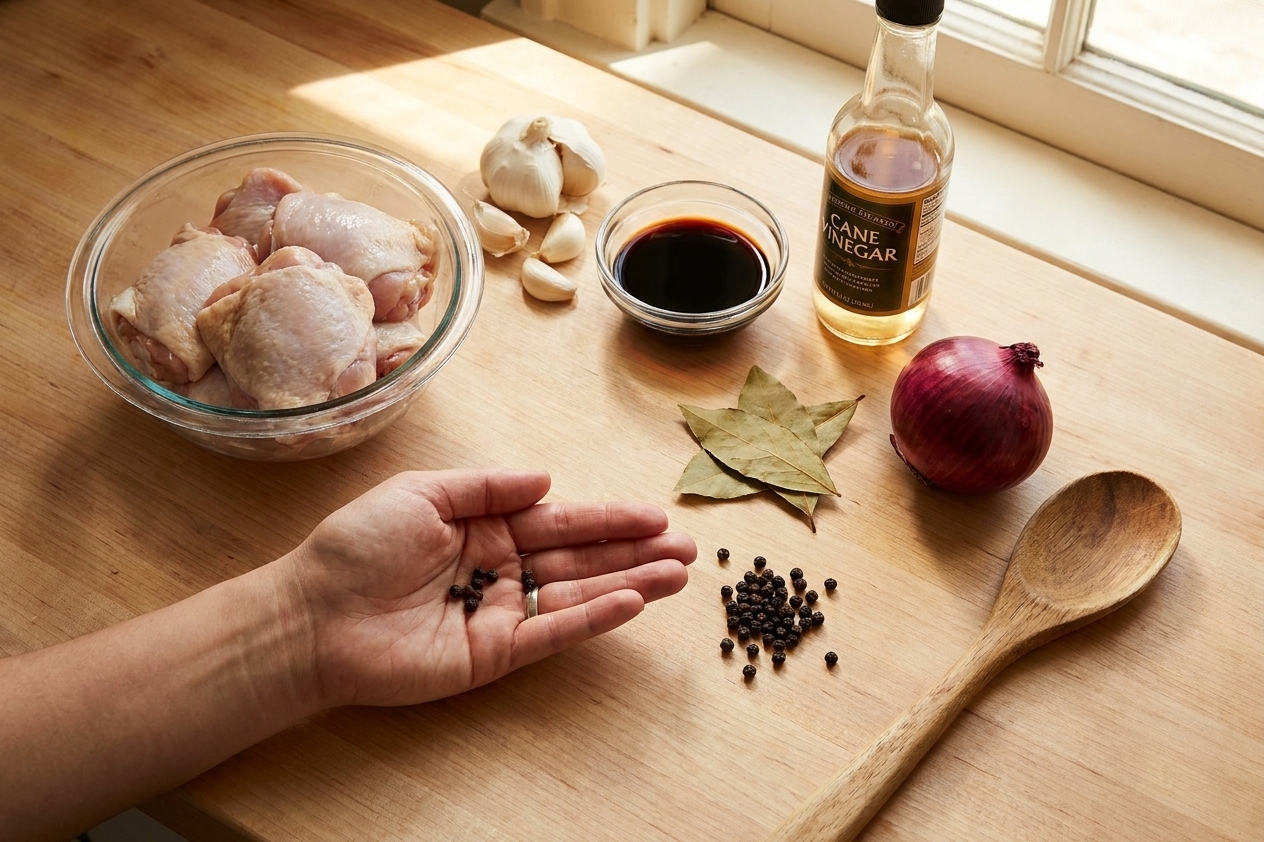
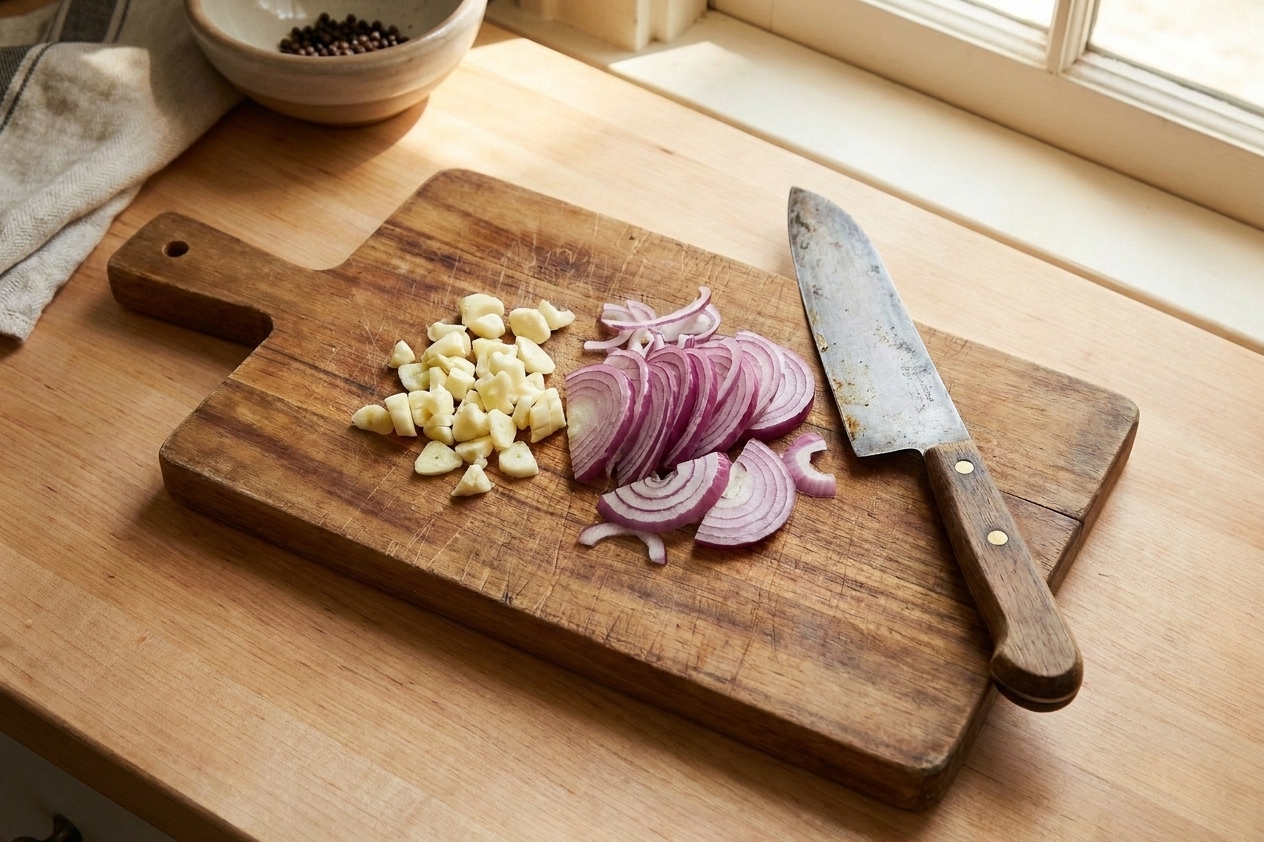
Chicken thighs, garlic, soy sauce, cane vinegar, bay leaves, whole peppercorns, and onion arranged on a clean kitchen counter with warm natural light

Why It Works

  • Bold, balanced sauce: Vinegar brings brightness, soy sauce brings depth, and a touch of brown sugar rounds it out without turning it sweet.
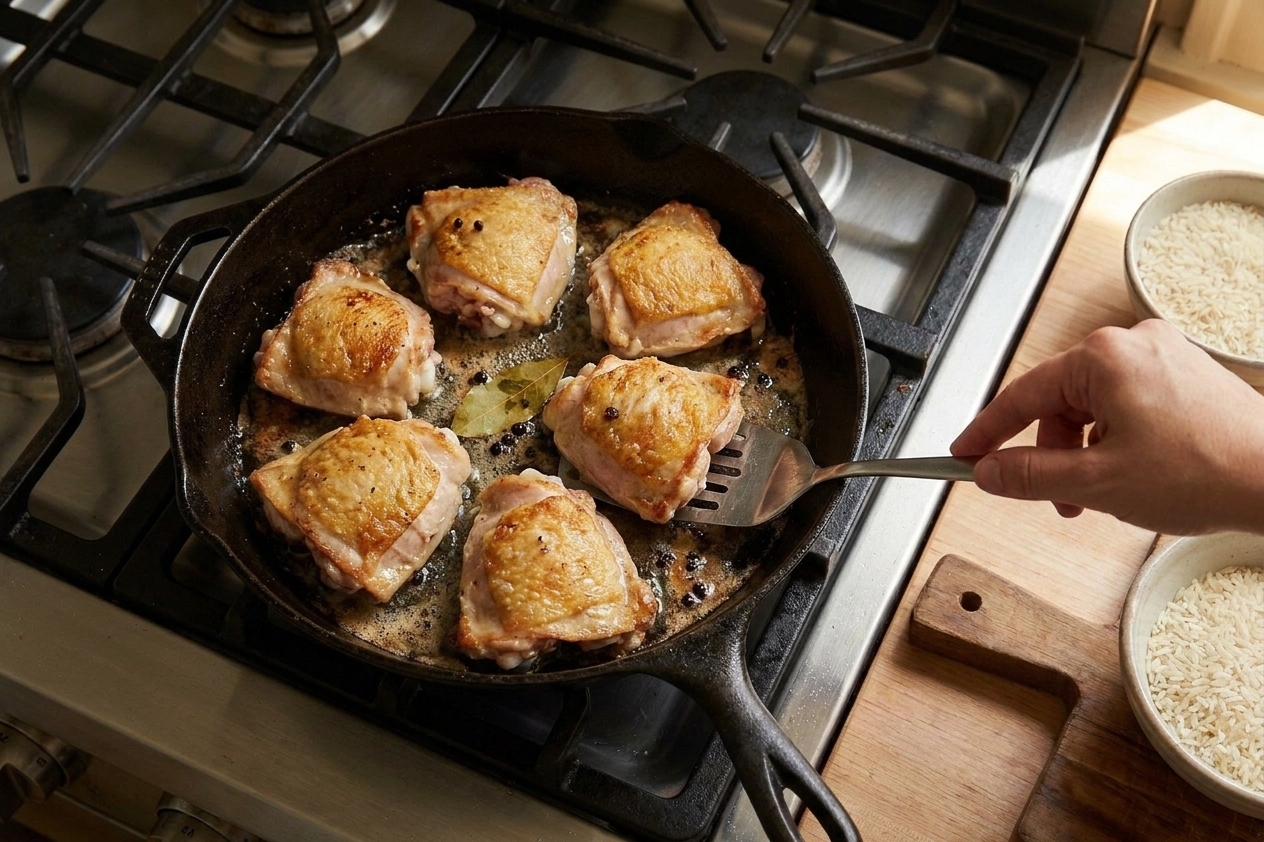
  • Crisp edges plus tender meat: A quick sear builds flavor fast and gives you those golden bits that make the sauce taste even better.
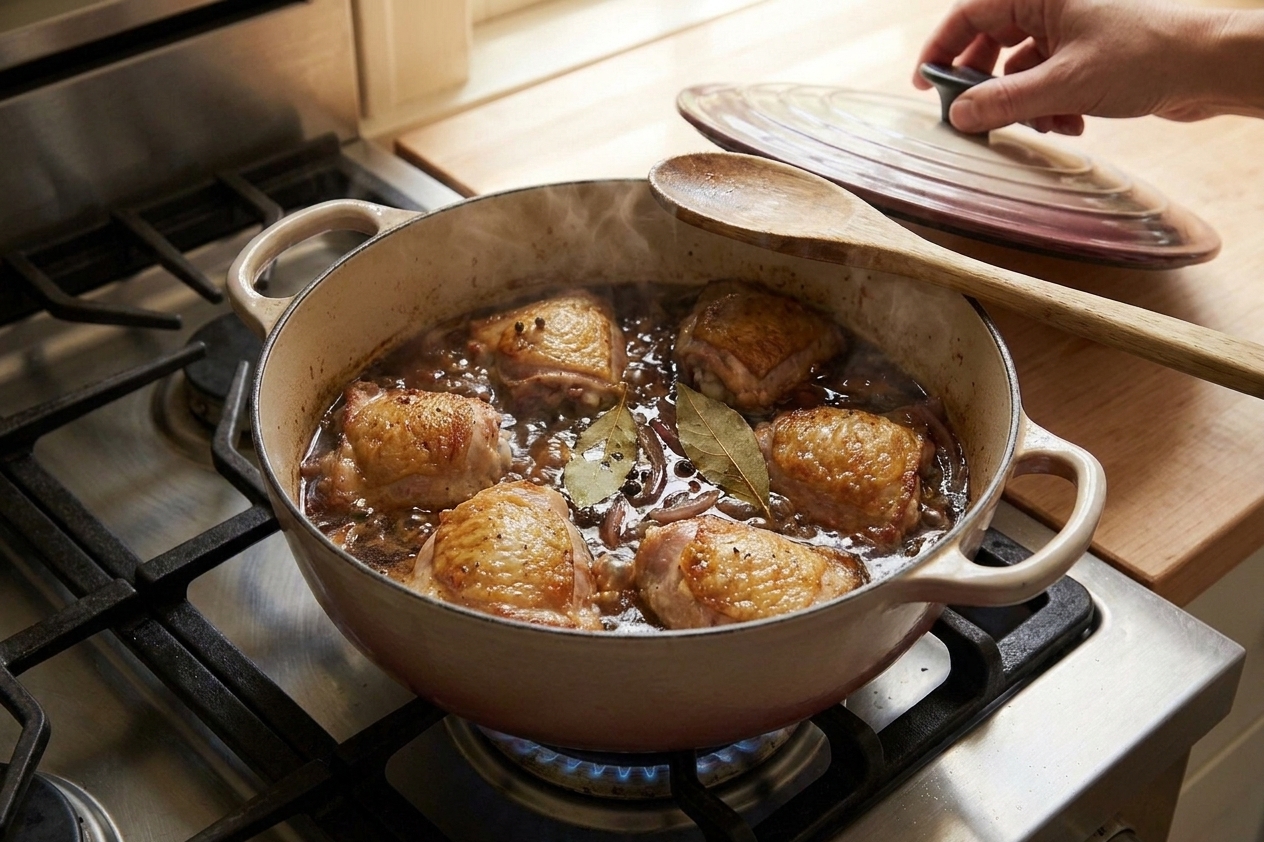
  • One pot, low fuss: Simmer, reduce, and you are done. No special ingredients, no complicated techniques.
  • Leftovers win: Adobo is famously better after it sits, because the flavors keep mingling like they are at a party.

Pairs Well With

Storage Tips

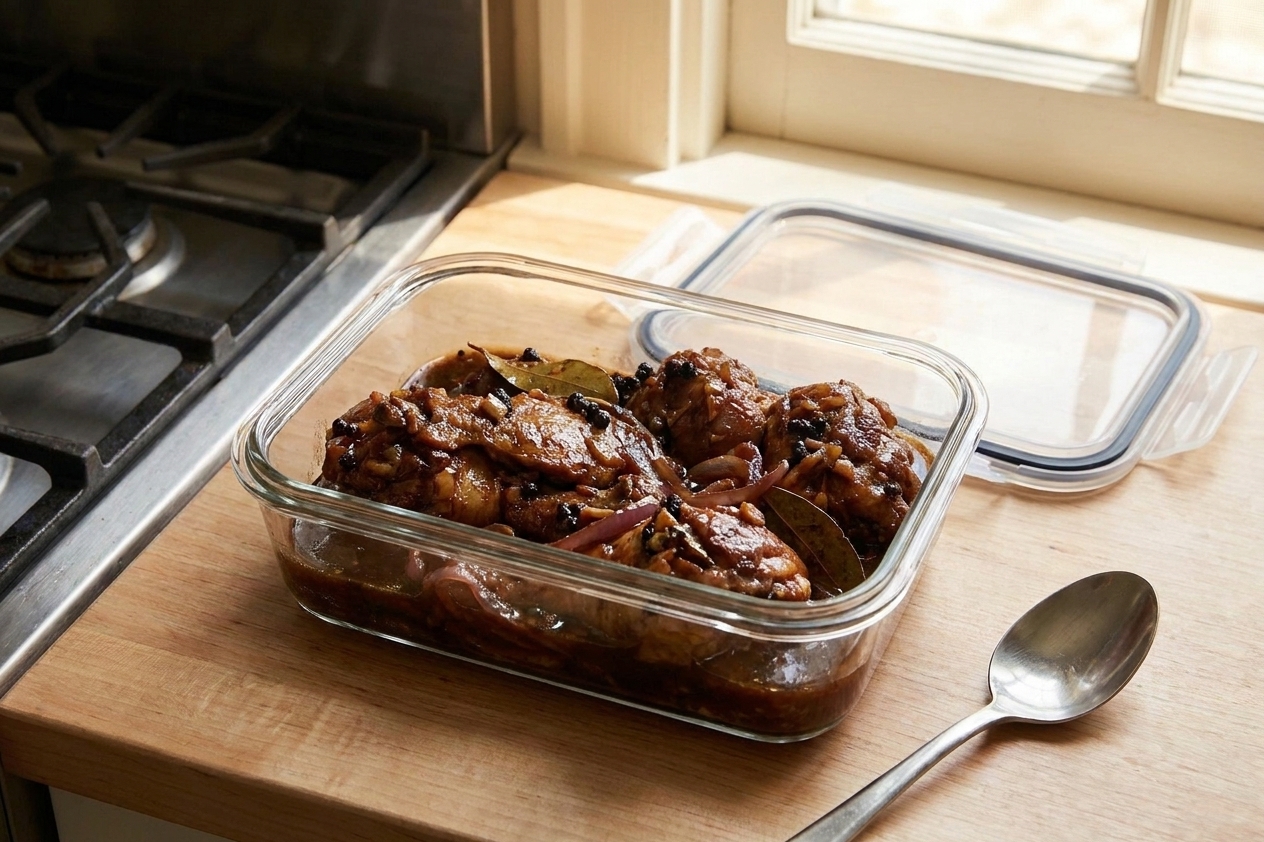
Refrigerate: Cool completely, then store chicken and sauce together in an airtight container for up to 4 days.

Freeze: Freeze in a freezer-safe container for up to 3 months. Thaw overnight in the fridge.

Reheat (best method): Warm gently in a covered skillet over medium-low heat with a splash of water. Simmer until hot. If you want the chicken a little crisp again, pull it out after heating, sear skin-side down for 2 to 3 minutes, then spoon the sauce over.

A glass meal prep container filled with chicken adobo and sauce, lid off on a kitchen counter with a spoon nearby

Common Questions

Is chicken adobo supposed to be very sour?

It should be tangy, not puckering. If it tastes too sharp, simmer a little longer to mellow the vinegar and reduce the sauce. You can also stir in 1 to 2 teaspoons brown sugar to balance it. If you know you prefer a softer tang, start with 1/4 cup vinegar, then add more at the end a tablespoon at a time.

Can I use chicken breast?

You can, but thighs stay juicier. If using breast, cut into large pieces and simmer just until cooked through, usually 12 to 15 minutes depending on size.

Do I need cane vinegar?

Nope. Cane vinegar is classic, but distilled white vinegar works great. Apple cider vinegar is also nice and slightly fruitier.

When should I add the vinegar?

Traditional adobo often simmers vinegar with everything from the start, and that is totally correct. I like adding it after searing and sautéing the aromatics because it keeps the sauce tasting bright and lets me control the tang as it reduces. If you prefer a more mellow, rounded vinegar flavor, add it earlier and simmer a touch longer.

Can I make it less salty?

Use low-sodium soy sauce and keep the sauce reduction gentle. Remember, reducing concentrates salt. A splash of water at the end can bring it back into balance.

I did not go the straight culinary-school route, so I learned a lot of my “real cooking” habits by chasing practical wins: meals that taste like you worked harder than you did. Adobo is one of those. The first time I made it, I was honestly shocked at how a handful of pantry staples could turn into something that feels this complete. Now it is my go-to when I want comfort food that still has brightness and bite. Plus, it gives me an excuse to cook extra rice, which is basically always a good plan.