Mom's Best Recipes
Recipe

Ginger Water

A bright, gently spicy ginger water you can drink warm or iced, with optional lemon and honey for an easy daily sip.

Author By Matt Campbell
4.7
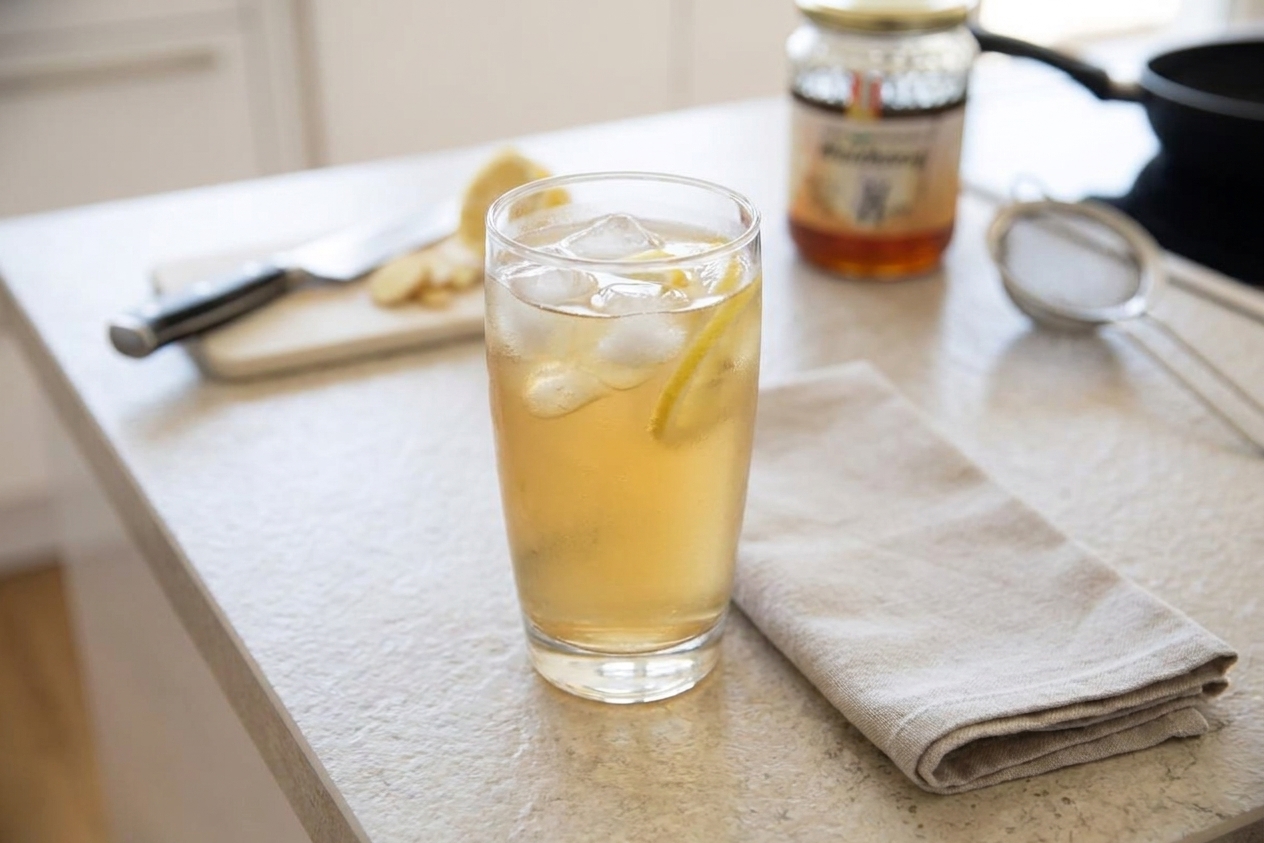
A glass mug of warm ginger water with lemon slices on a light stone kitchen counter, with a small bowl of sliced fresh ginger and a honey jar nearby

If your kitchen mood is somewhere between cozy and I need something bright, ginger water is the move. It is simple, it is warm-your-hands cozy, and it tastes like you are doing something nice for yourself without committing to a whole project.

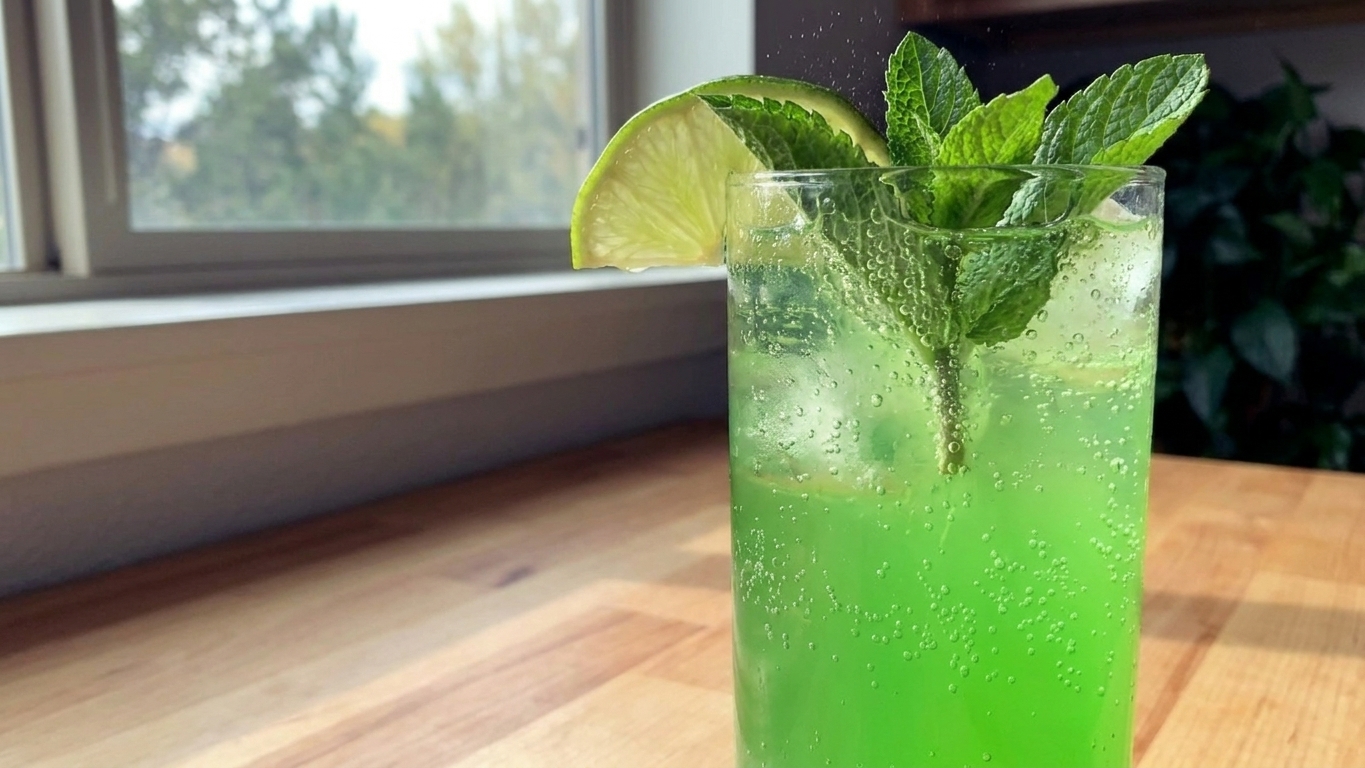
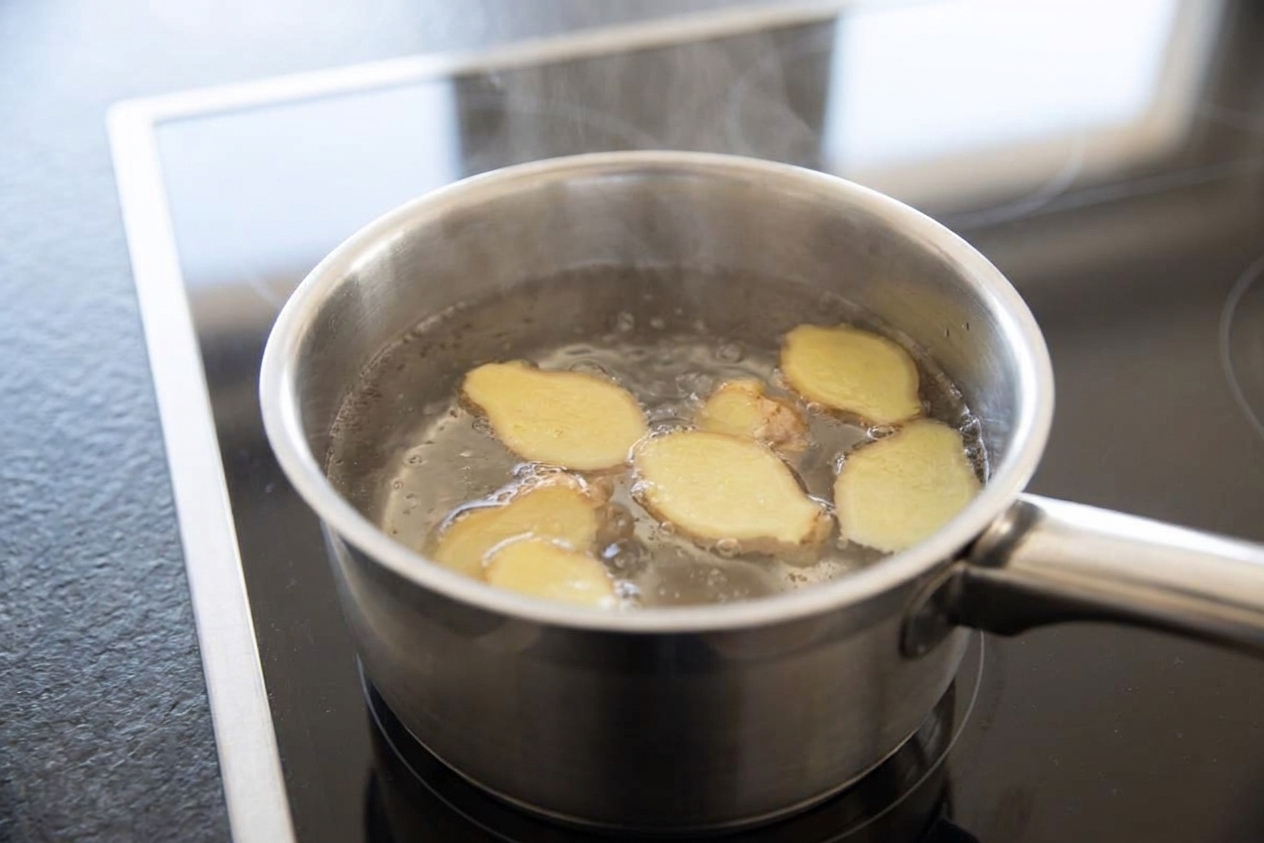
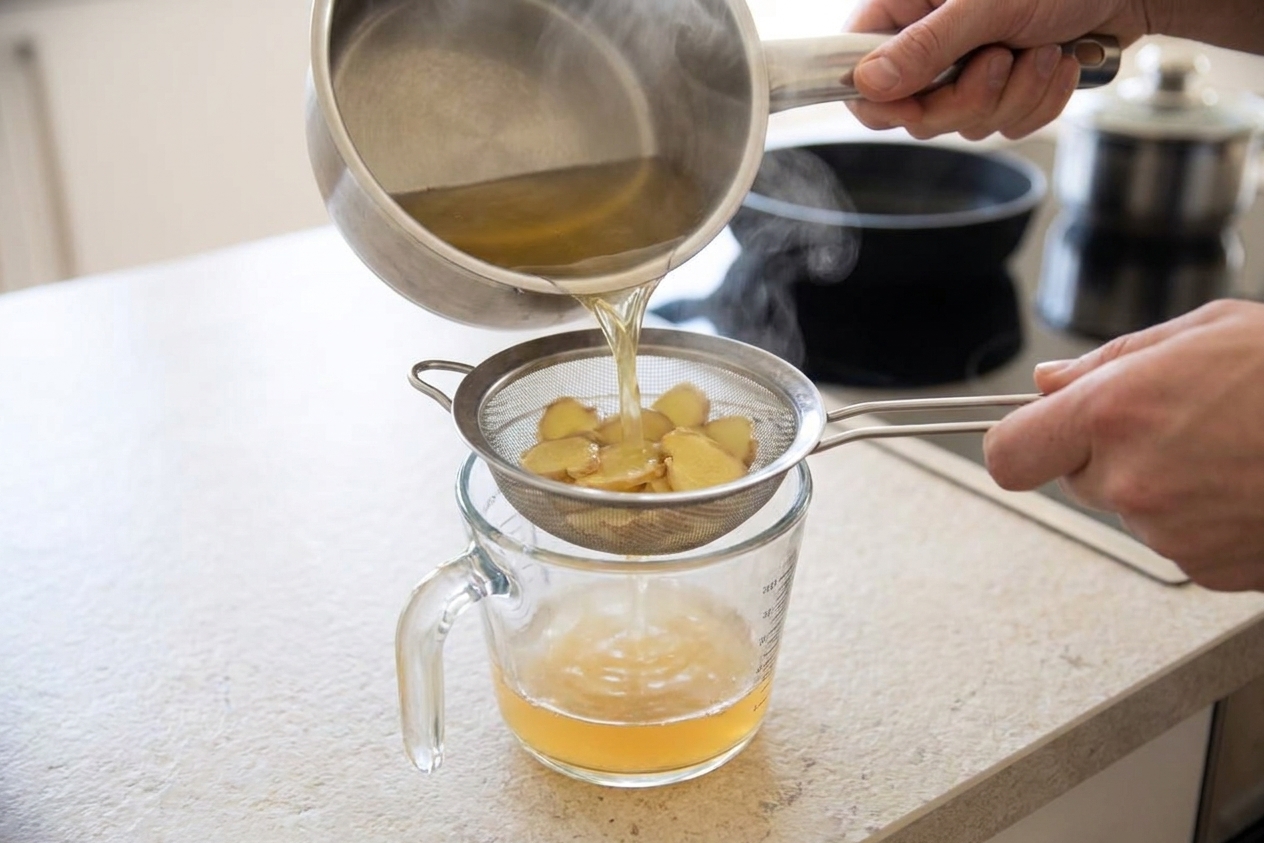
This recipe keeps it straightforward: fresh ginger simmered just long enough to pull out that peppery bite, then finished with lemon for lift and honey if you want a softer, rounder sip. Drink it hot like tea, or chill it and treat it like a not-too-sweet “spa water” that actually has flavor.

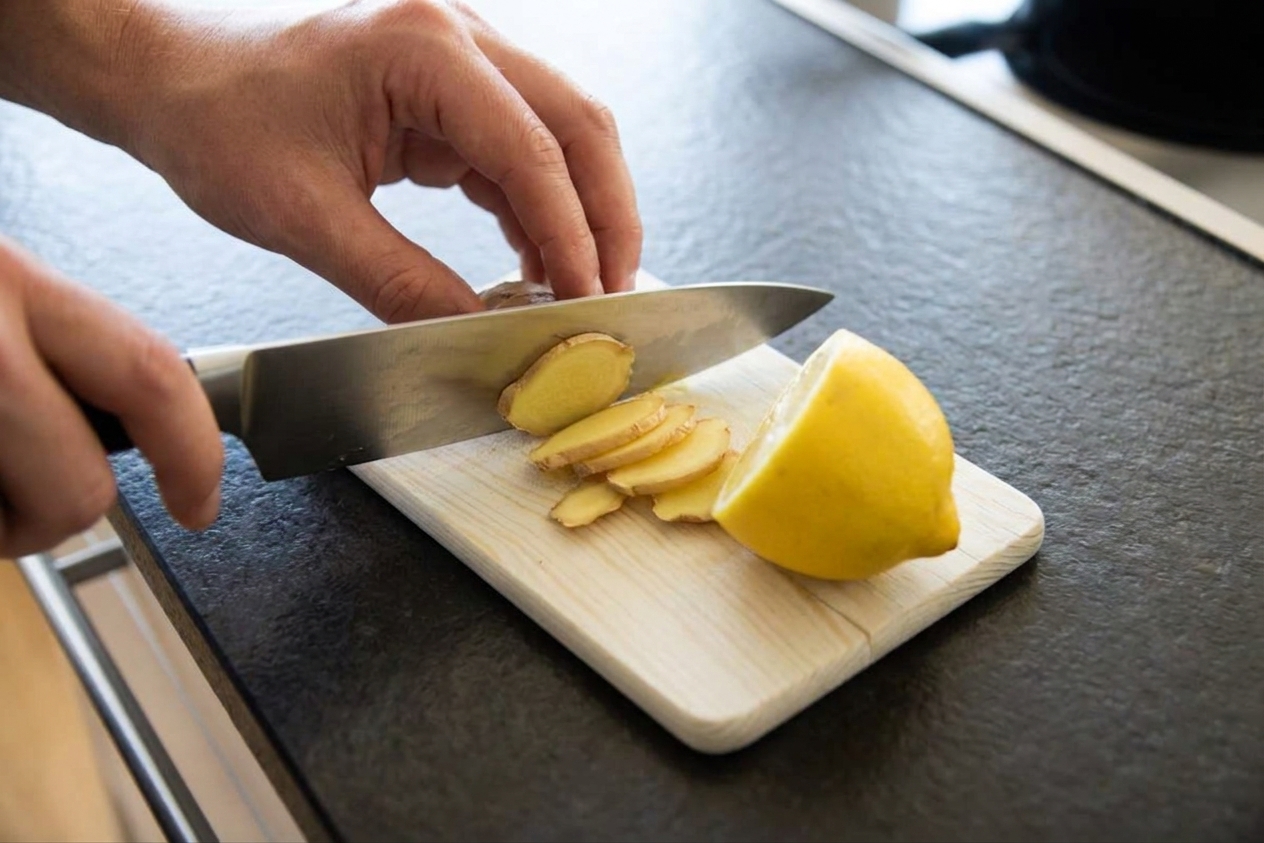
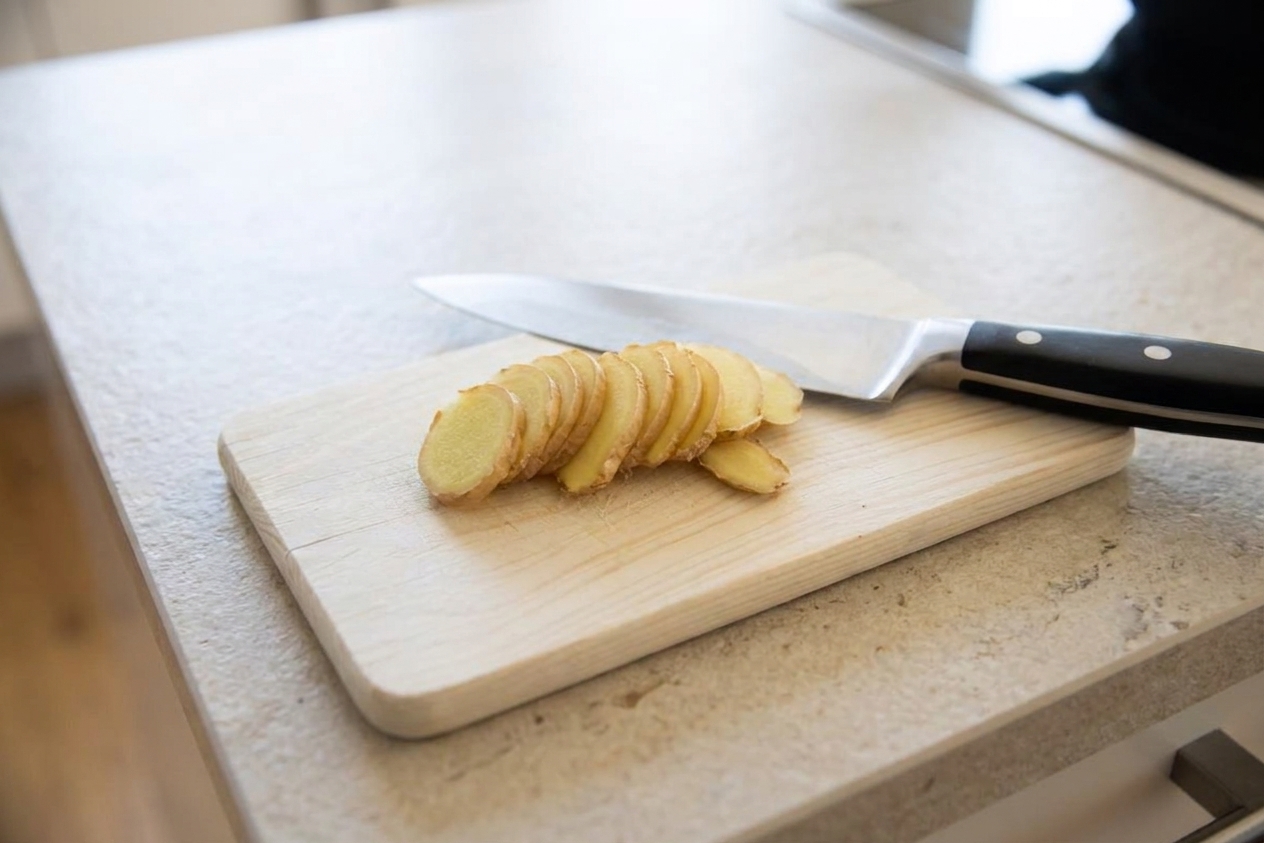
Fresh ginger being sliced into thin coins on a cutting board on a light stone kitchen counter, with a chef's knife and lemon nearby

Why It Works

  • Fast flavor, minimal fuss: A short simmer extracts plenty of ginger heat without turning harsh.
  • Flexible strength: You can steep longer for more punch, or dilute for a gentler everyday drink.
  • Good hot or cold: It is equally satisfying as a warm mug or an iced pitcher in the fridge.
  • Easy upgrades: Lemon, honey, mint, turmeric, or a pinch of salt can take it from basic to “wait, what is in this?”

Pairs Well With

Storage Tips

Refrigerate: Cool ginger water to room temperature, then store in a sealed jar or bottle in the fridge for 3 to 5 days. For best quality, give it a quick smell and taste check before pouring a full glass.

Keep it tasting fresh: If you add lemon, it is best within 2 to 3 days for the brightest flavor. For longer storage, keep lemon separate and add it per glass.

Reheat: Warm gently on the stovetop or in the microwave. Do not boil hard, especially if it already has lemon added, because the flavor can turn sharp.

Freeze: Pour into ice cube trays and freeze. Drop cubes into hot water for instant ginger tea, or into sparkling water for an easy ginger fizz.

Common Questions

Do I have to peel the ginger?

No. If your ginger looks clean and smooth, a good scrub is enough. Peeling makes the flavor a touch cleaner, but it is not required.

How strong should ginger water be?

It is personal. Start with this ratio, then adjust next time. If it is too strong, dilute with hot water or add more ice. If it is too mild, steep longer or add a few extra slices of ginger.

Can I make it without simmering?

Yes. Pour boiling water over thinly sliced or grated ginger and steep 10 to 20 minutes. Simmering gives you a bolder, more consistent flavor, but steeping works when you want zero stove time.

Is it okay to drink ginger water every day?

For many people, moderate ginger in foods and drinks is fine. Ginger may interact with certain medications (including blood thinners) and may not be a great fit for everyone (including some people who are pregnant or have gallbladder concerns). If you are unsure, check with a healthcare professional and start with a small amount to see how you feel.

What if it tastes bitter or harsh?

If it reads bitter, sharp, or a little too intense, it usually comes from simmering too hard or too long, or from older, very dry ginger. Use a gentle simmer, keep it around 10 minutes, and sweeten lightly with honey if needed.

Can I use ground ginger instead of fresh?

You can, but it tastes different and can be a little dusty. Start with 1/2 teaspoon ground ginger per 4 cups water, whisk well, and strain through a fine sieve or coffee filter if you want it super smooth. If you want more kick, increase gradually to taste.

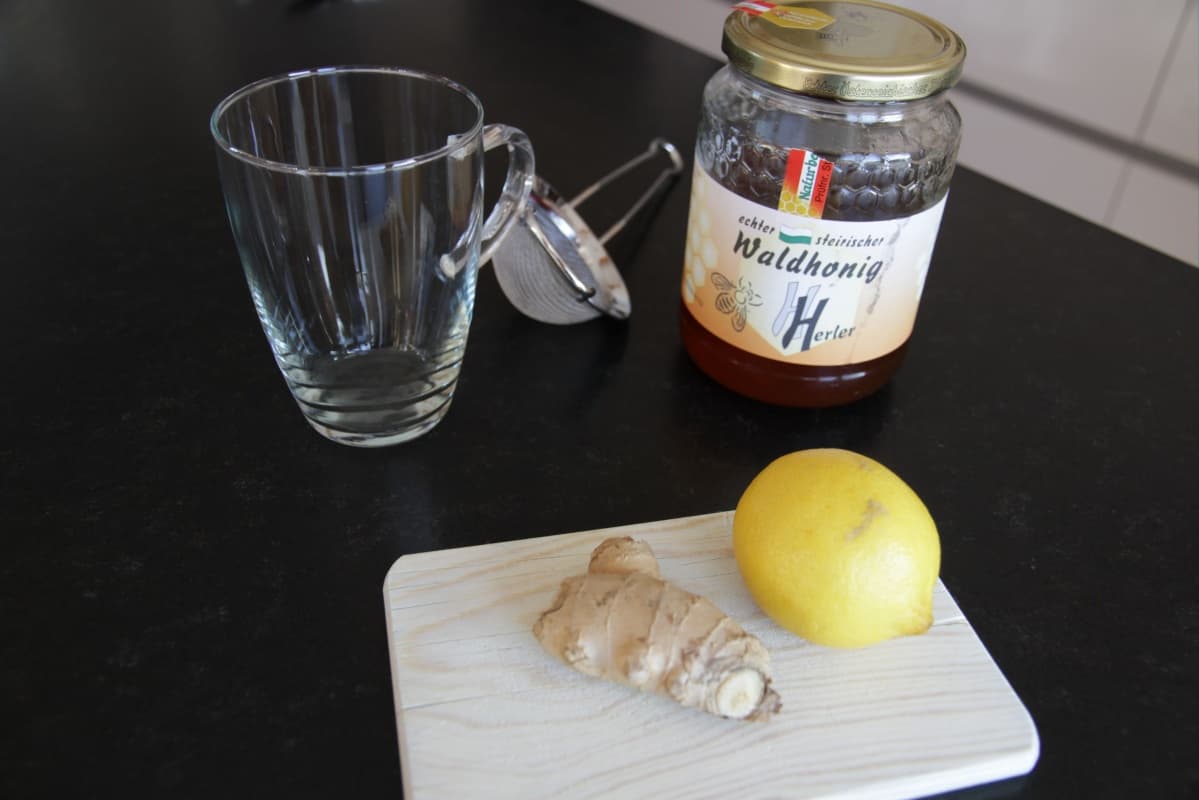
I got into ginger water the same way I get into most “simple” recipes: I made it once because I had a knob of ginger rolling around the crisper drawer, and now it is basically a habit. It is the drink I make when I want something that feels intentional but takes zero brainpower. Also, the smell of ginger hitting warm water is one of those tiny kitchen wins that makes the whole place feel calmer, even if the sink is absolutely not calm.