Common Questions
What gluten free flour works best for chocolate chip cookies?
Use a gluten free 1:1 baking flour that includes xanthan gum (or a similar binder). Brands vary, but most “measure-for-measure” blends are designed for exactly this kind of cookie. If your blend does not contain xanthan gum, start with about 1/4 teaspoon xanthan gum mixed into the dry ingredients.
Why do my gluten free cookies spread too much?
Usually one of these: butter was too soft or melted, dough was not chilled, baking sheet was warm, or your flour blend is starch-heavy. Fix it by chilling at least 30 minutes, using parchment, and letting the pan cool between batches. If it is still an issue, add 1 to 2 tablespoons more flour.
Why are my cookies dry?
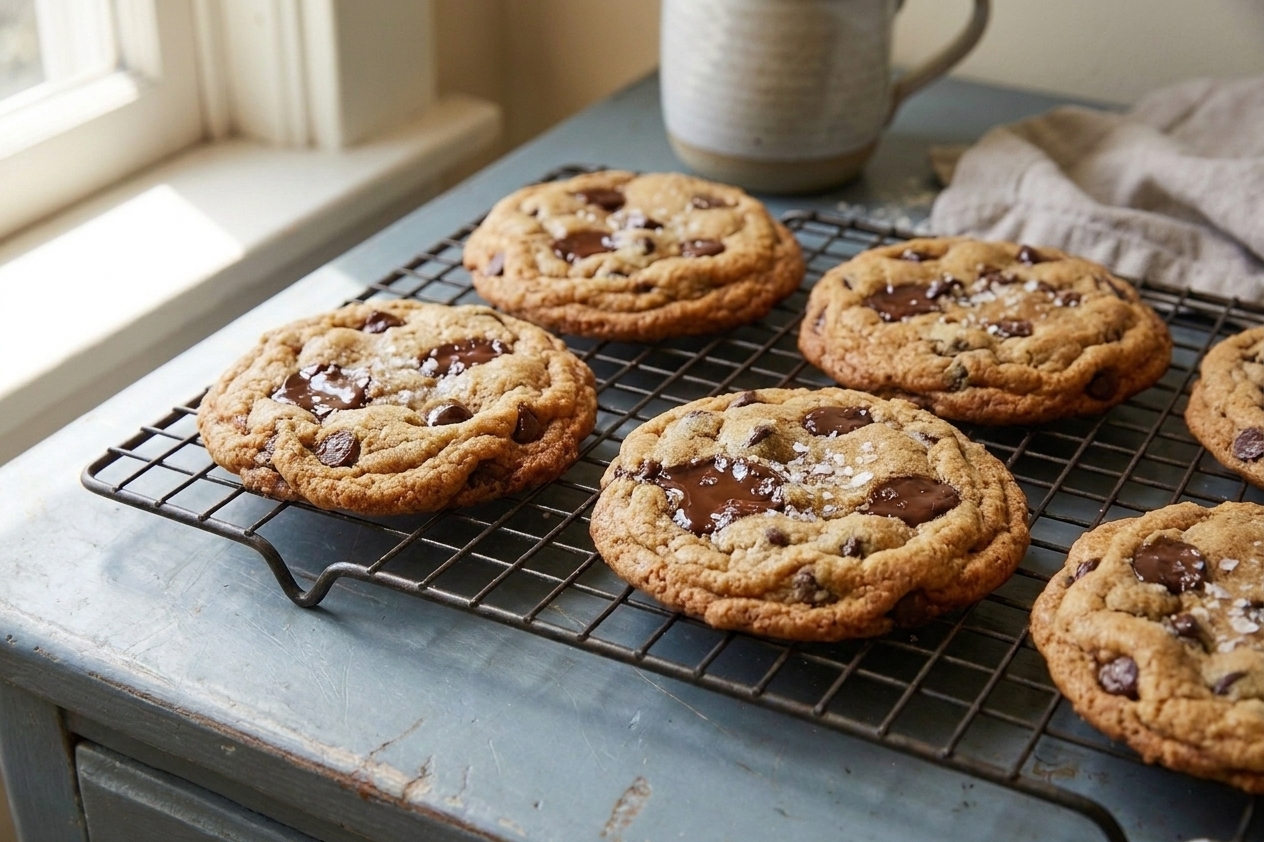
Overbaking is the main culprit. Pull them when the edges are set and the centers still look a bit soft. Also measure flour by spooning into the cup and leveling, or use a scale if you have one.
Can I make these dairy free?
Yes. Use a plant-based butter that is meant for baking (stick style is best) and dairy free chocolate chips. Chill the dough well, since some dairy free butters spread more.
Can I make them egg free?
You can try a flax egg (1 tablespoon ground flaxseed + 3 tablespoons water, rest 10 minutes). The texture will be a bit softer and slightly cakier, but still very snackable.
Do I really need to chill the dough?
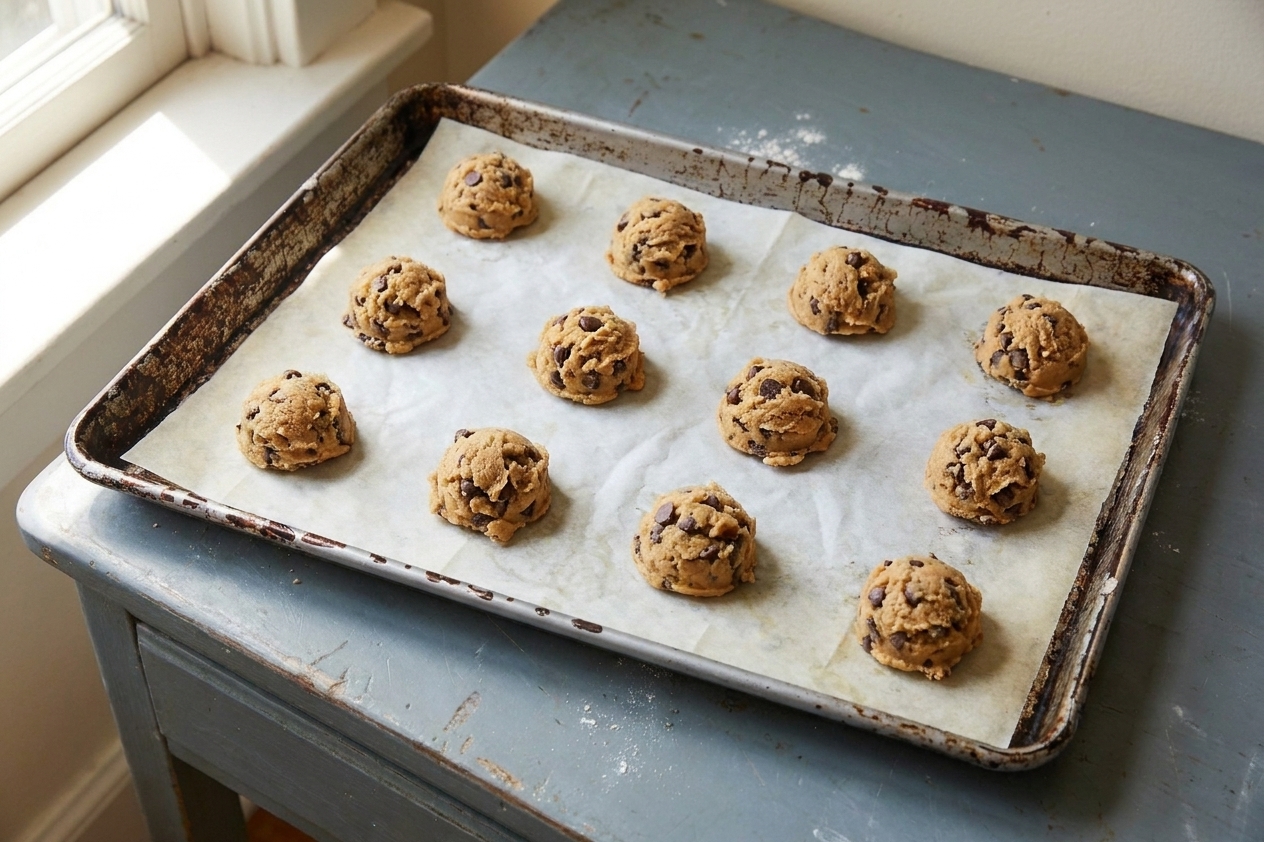
Strongly recommend it. Gluten free flour benefits from hydration time, and chilling also improves flavor and prevents pancake cookies. If you are in a rush, do 20 minutes in the freezer.
How do I keep these truly gluten free?
If you are baking for someone with celiac or high sensitivity, use a certified gluten free flour blend and chocolate chips, and avoid cross-contamination (clean tools, fresh parchment, and a crumb-free workspace).