Mom's Best Recipes
Recipe

Gluten Free Lemon Blueberry Muffins

Tall, tender muffins packed with blueberries and lemon zest, finished with a quick lemon glaze for that pause-mid-bite moment.

Author By Matt Campbell
4.8
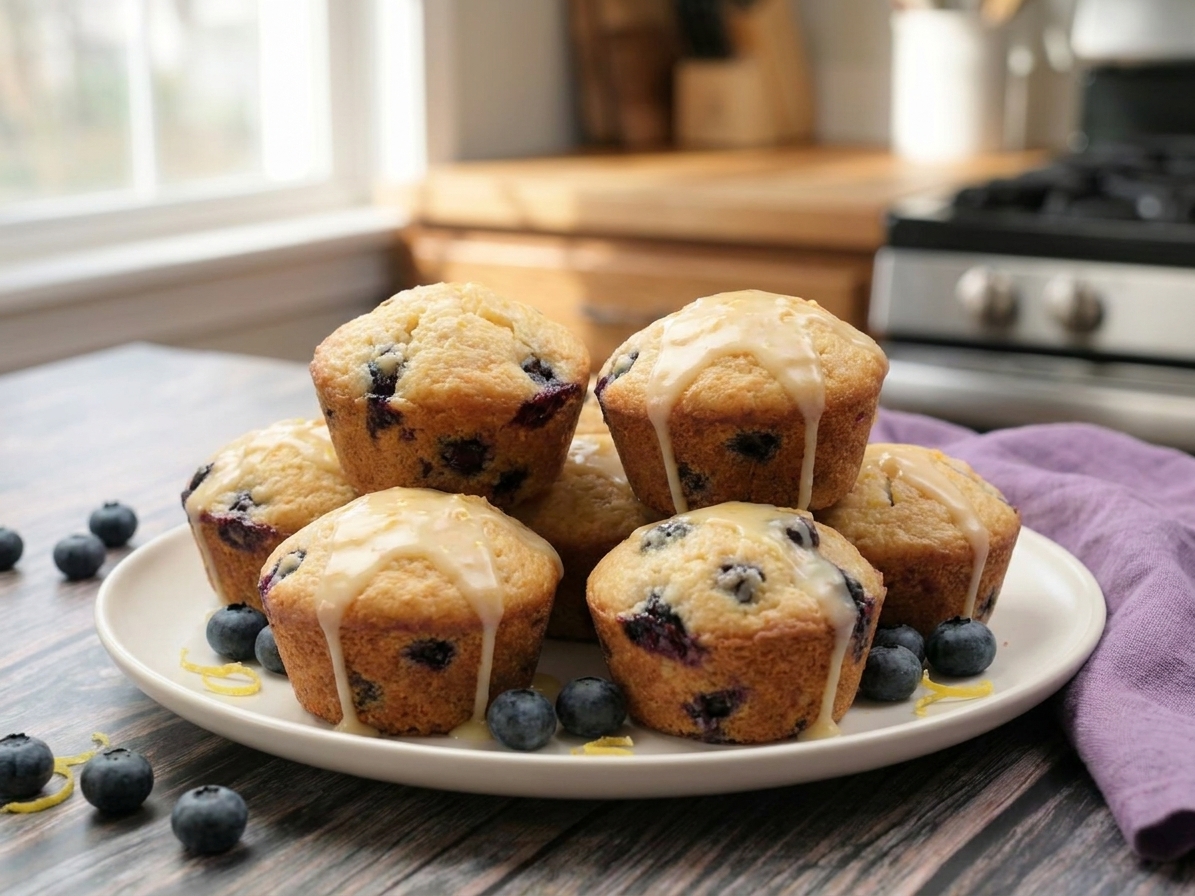
A plate of tall gluten free lemon blueberry muffins with golden domed tops and a light lemon glaze, set on a bright kitchen table with soft natural light

Gluten free baking can be a little dramatic. One day you have a batch of muffins that look like they trained for a marathon, the next day you get dense little pucks that taste like sweetened regret. This recipe is my no-drama, weeknight-friendly fix: gluten free lemon blueberry muffins with crisp edges, tender centers, and that loud, happy lemon flavor that makes blueberries taste even more like themselves.

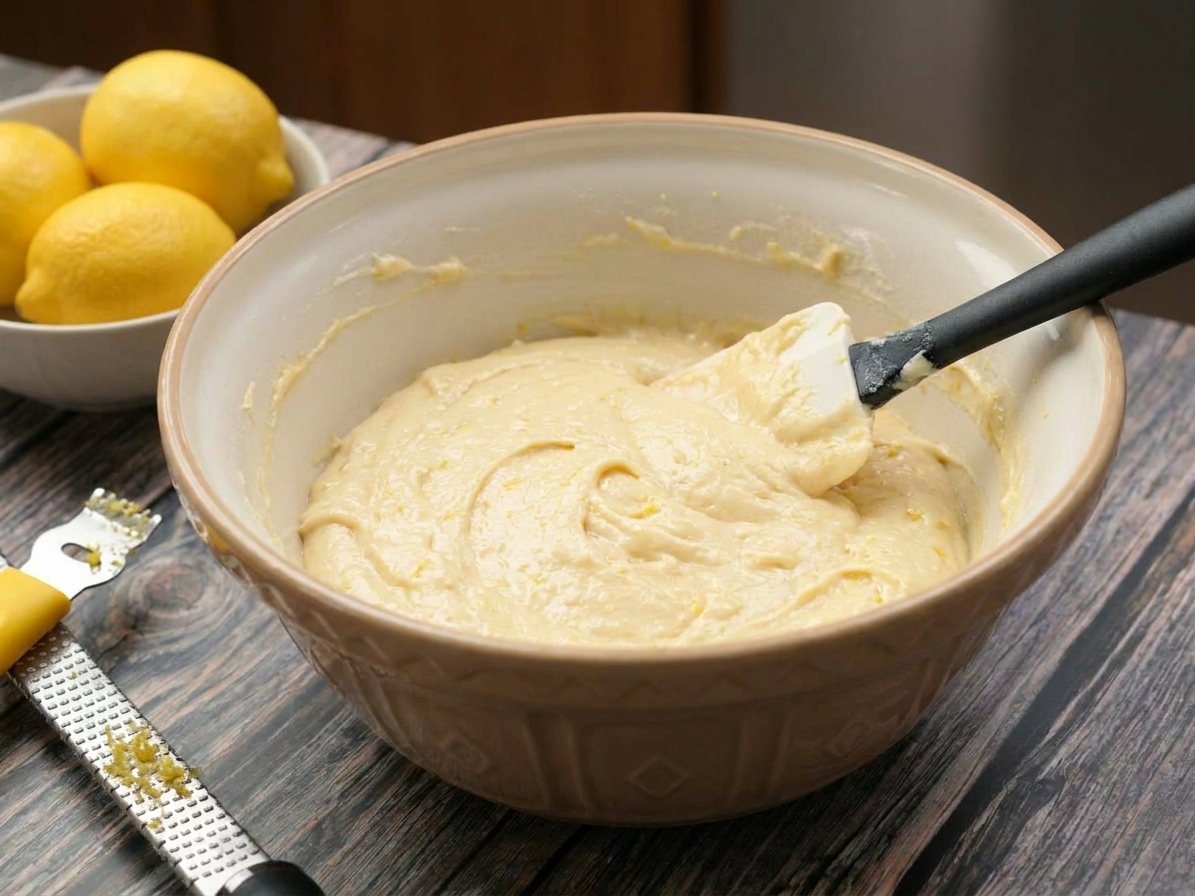
We are using a gluten free 1:1 flour blend (the kind meant to replace all-purpose flour), sour cream for moisture, and a quick rest for the batter so the flour can hydrate. That rest is small, but it is one of those “why didn’t anyone tell me sooner” gluten free tricks.

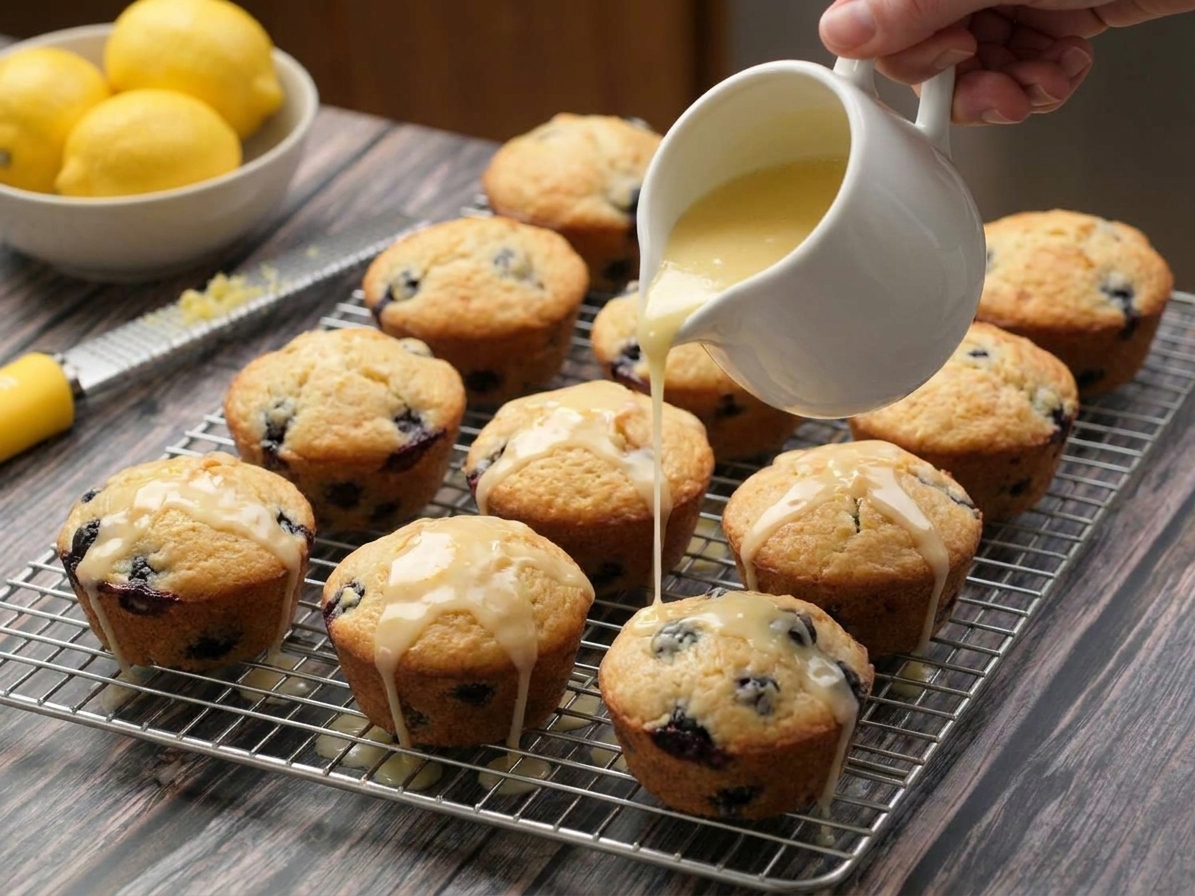
If you have ever wanted a gluten free muffin that feels like a bakery muffin, this is the one. Big tops, juicy pockets of berries, and a glaze you can drizzle while the muffins are still slightly warm because life is short and icing is good.
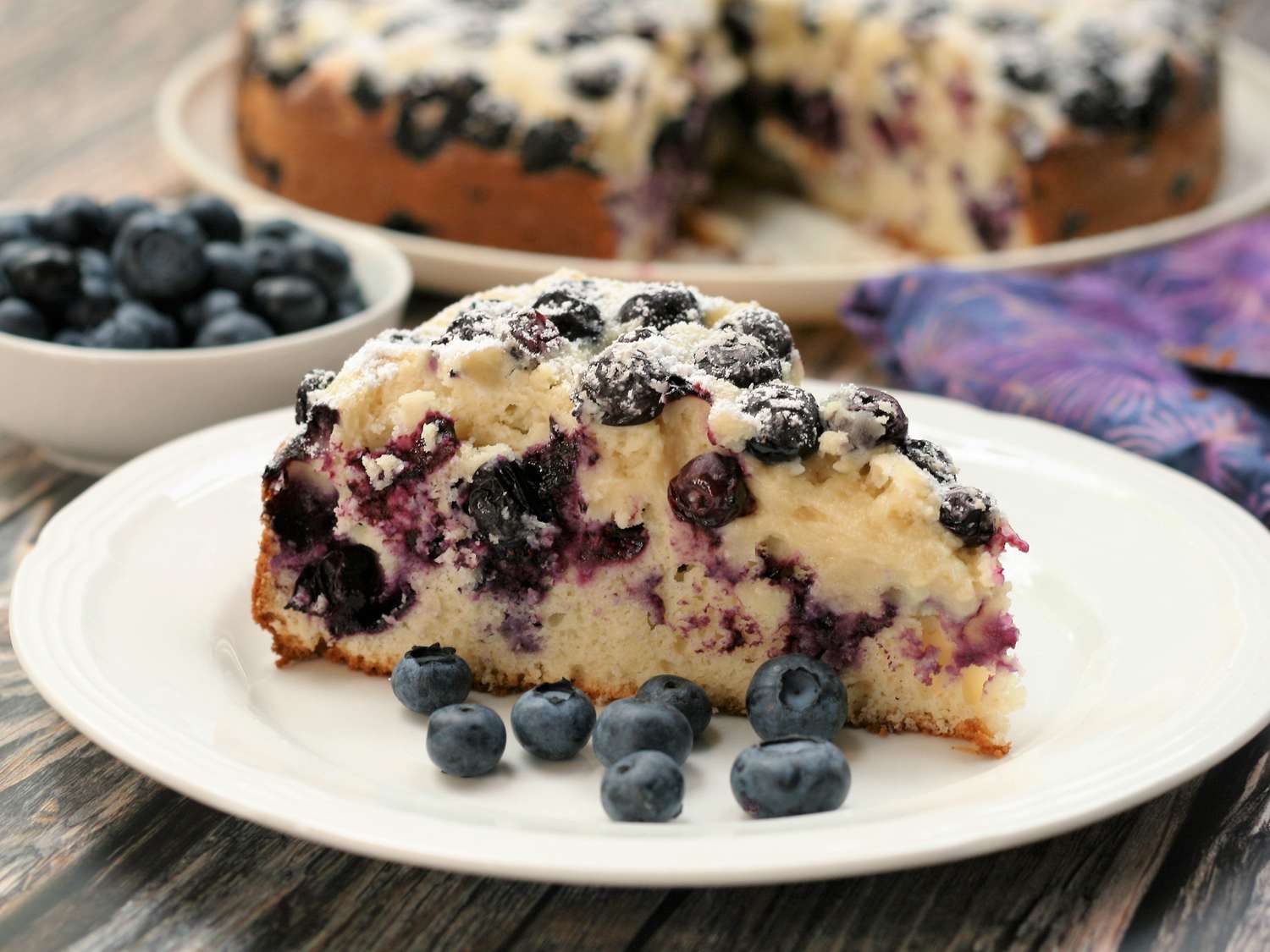
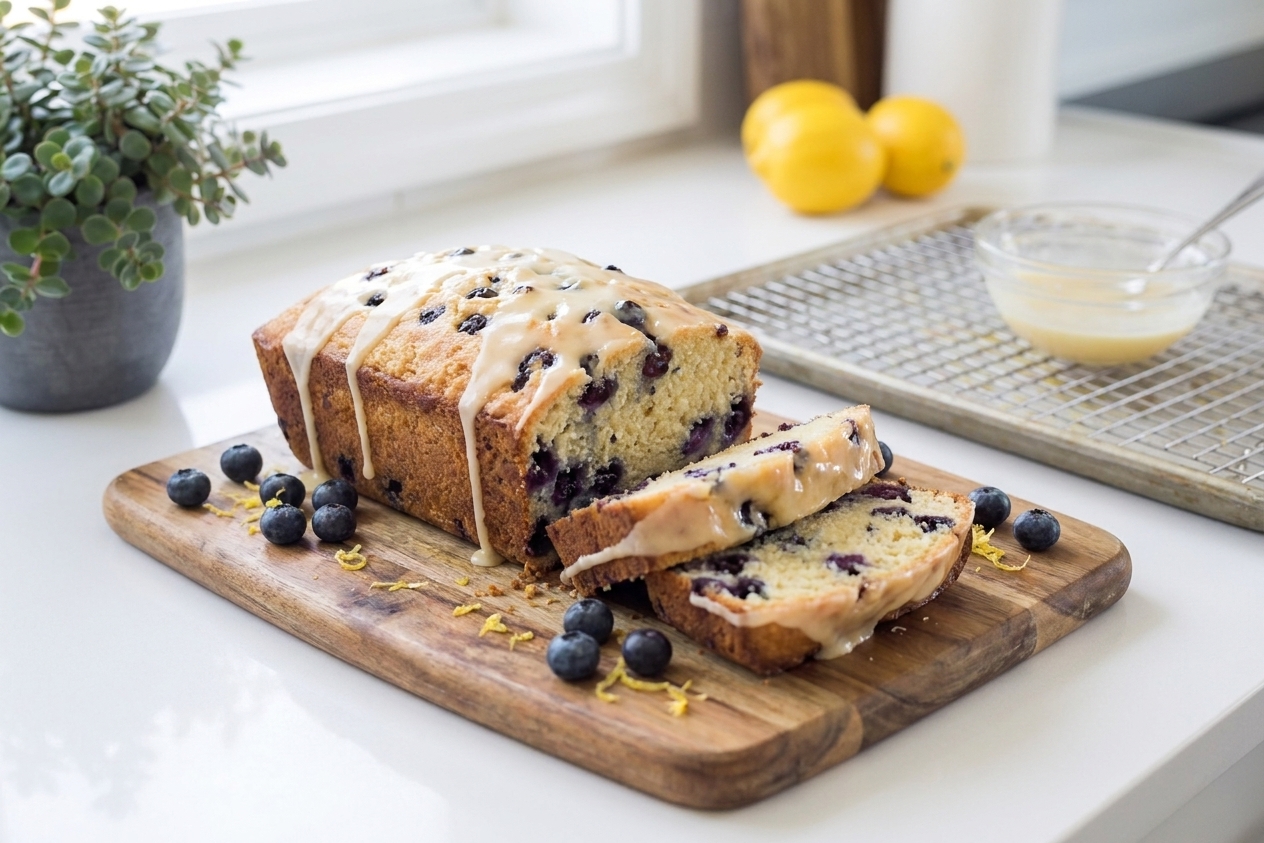
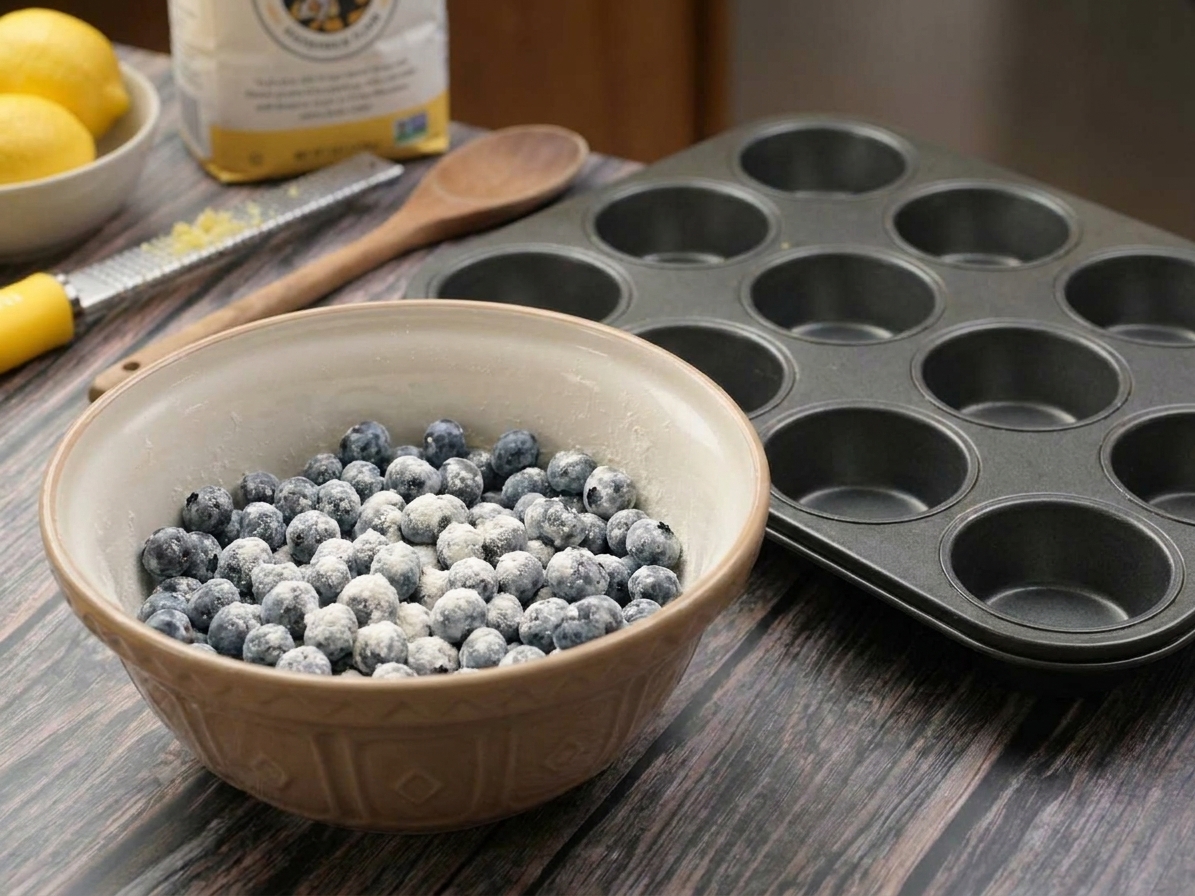
A kitchen counter with lemons, a microplane, fresh blueberries, a bowl of gluten free flour blend, sugar, and baking powder arranged for baking

Why It Works

  • Bright flavor without bitterness: We use lemon zest (big aroma) plus a little lemon juice (clean acidity) so it tastes sunny, not sharp.
  • Tender, not gritty: A short batter rest gives gluten free flour time to hydrate, which helps the crumb turn soft instead of sandy.
  • Bakery-style rise: A hot oven start encourages a fast lift, and filling the wells properly gives you those tall domes.
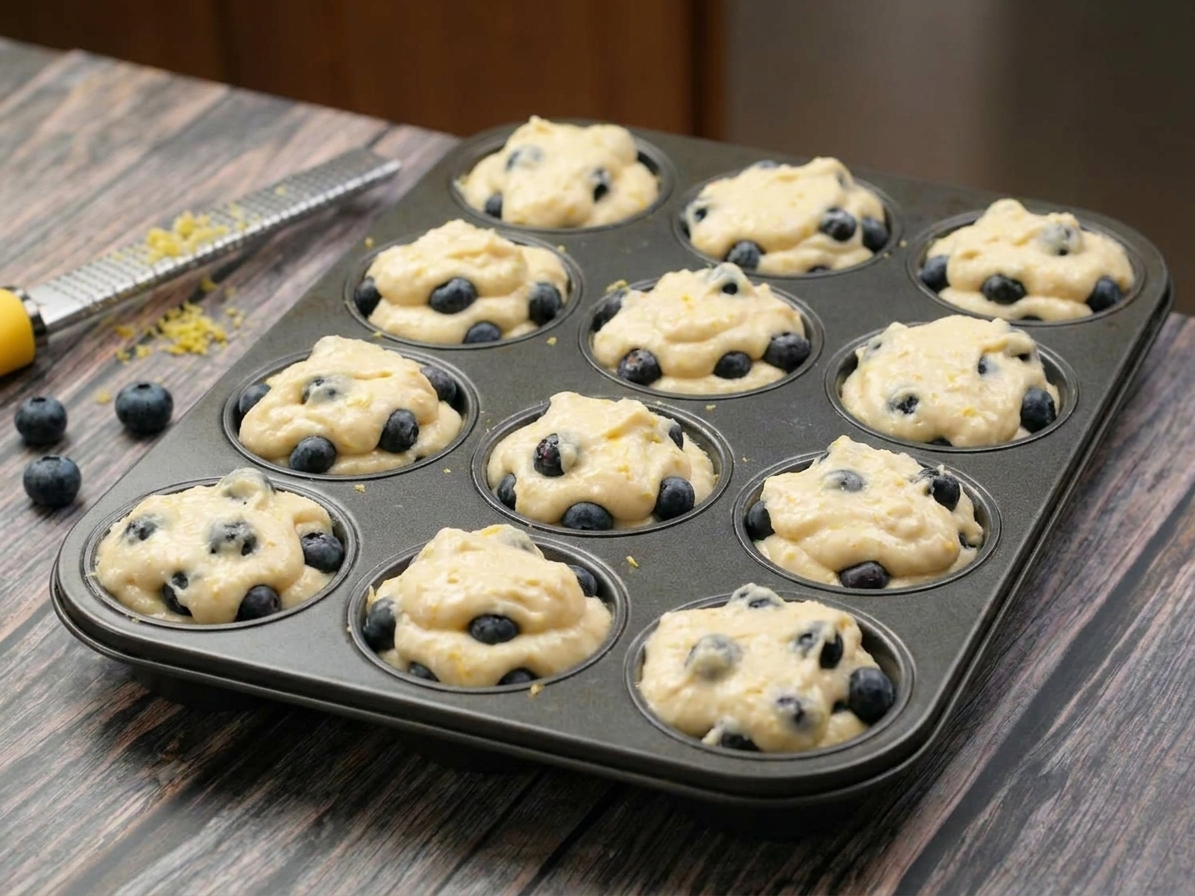
  • Better berry distribution: Tossing berries with a touch of flour helps them stay suspended, and pressing a few berries on top gives you prettier muffins with berries in every bite.

Pairs Well With

Storage Tips

Room temperature: Store completely cooled muffins in an airtight container for up to 2 days. If your kitchen runs warm or humid, place a paper towel in the container to absorb moisture and keep tops from going soft.

Refrigerator: Up to 5 days in an airtight container. Muffins can dry out a bit in the fridge, so warm them before eating.

Freezer (best option): Freeze muffins (glazed or unglazed) on a sheet pan until firm, then transfer to a freezer bag for up to 2 months. Thaw at room temp, then warm for 10 to 15 seconds in the microwave or 5 minutes in a 325°F oven.

Reheating tip: For crisp tops again, use the oven or toaster oven instead of the microwave.

Common Questions

What gluten free flour should I use?

Use a gluten free 1:1 baking flour blend that is designed to replace all-purpose flour. I have the most consistent results with blends that include xanthan gum.

If your blend does not include it, add 1/2 to 1 teaspoon xanthan gum to this recipe (it can vary by brand and blend). If you are not sure, start with 1/2 teaspoon for a tender crumb.

Can I use frozen blueberries?

Yes. Use them straight from the freezer and toss with the flour as directed. Do not thaw, or you will tint the batter gray-purple and increase streaking.

Why rest the batter?

Gluten free flours absorb liquid more slowly than wheat flour. Resting for 10 minutes helps the batter thicken slightly, which improves rise and reduces grittiness.

My muffins sank. What happened?

Common culprits are overmixing, underbaking, or too much moisture from extra-large berries or thawed frozen fruit. Bake until the tops spring back and a tester comes out with only a few moist crumbs. If you want a more objective check, aim for an internal temperature of about 200 to 205°F.

Can I make these dairy free?

Usually yes, with swaps, but the texture will change. Replace butter with melted refined coconut oil, and swap sour cream with a thick dairy-free yogurt. The muffins may be slightly more delicate and less rich.

What kind of milk works best?

Any milk works, but results vary a little. Dairy milk tends to brown a bit better and gives a slightly richer crumb. For nondairy, choose an unsweetened, unflavored milk (like oat or almond). If your nondairy milk is very thin, the batter may be looser, so do not skip the rest.

Do I have to use the glaze?

No, but it is the easiest way to make the lemon flavor pop. If you skip it, add an extra 1/2 teaspoon of lemon zest to the batter.

When I first started leaning into gluten free baking, I thought I just needed “the right flour” and everything would magically behave. Spoiler: it did not. I had a season of muffins that looked fine, but the crumb felt a little sandy and the flavor was doing that flat, muted thing gluten free baked goods sometimes do.

Then I started treating gluten free batter like it needed a tiny bit of patience and a little more flavor support. A short rest, a real hit of lemon zest, and just enough sour cream to keep things plush. These muffins were the first batch that made me stop mid-bite and go, okay wow, we are back.