Is all mac and cheese gluten free?
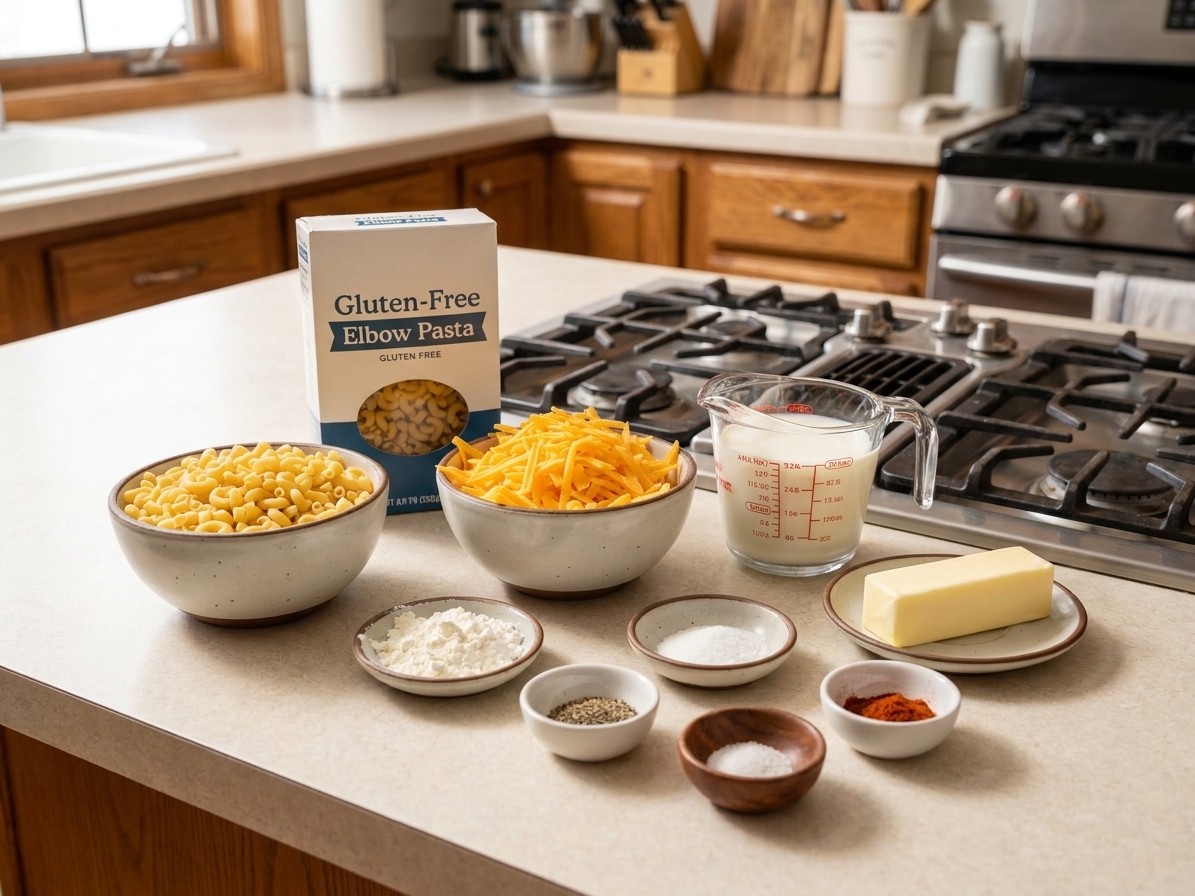
Nope. Regular macaroni is wheat-based, and many classic cheese sauces start with a flour roux. This recipe uses gluten free pasta and cornstarch as the thickener.
Do I need to check labels for gluten free safety?
Yes, especially if you are cooking for celiac or high sensitivity. Check for certified gluten free on the pasta, breadcrumbs or crackers, and any pre-grated cheese. Dijon mustard is usually gluten free, but it is still worth a quick label check for additives or cross-contact notes.
What is the best gluten free pasta for mac and cheese?
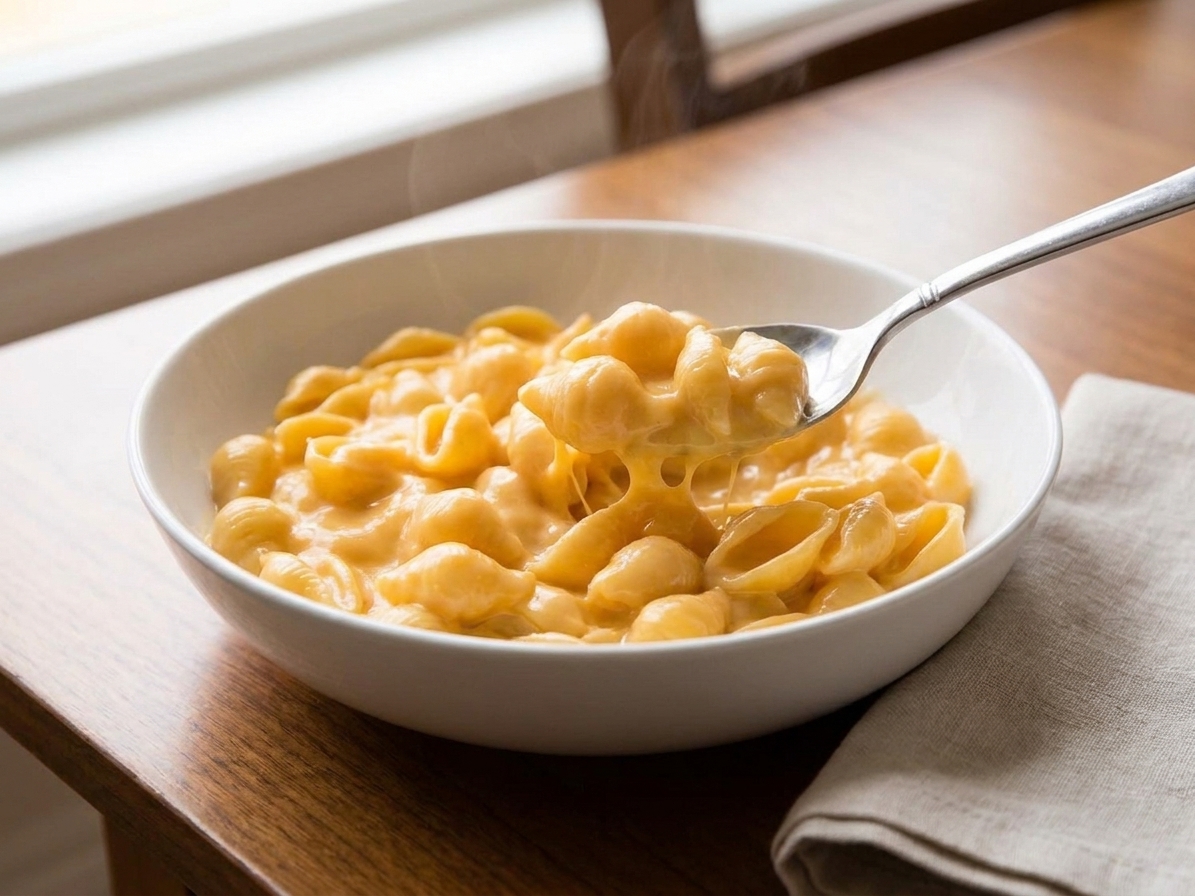
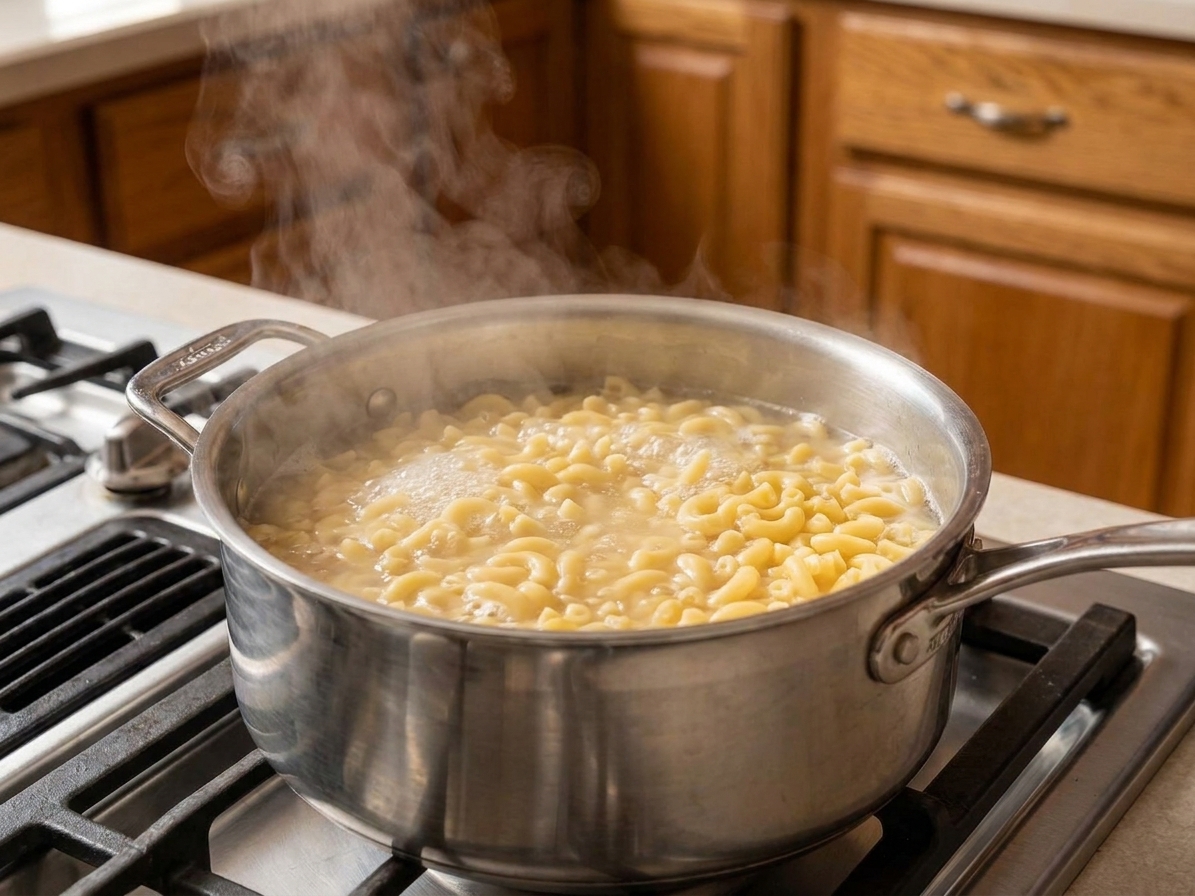
In my kitchen, corn and rice blends tend to taste the most classic and hold their shape well. Chickpea or lentil pastas work too, but the flavor is more noticeable and the texture can get firm as it cools.
One note: gluten free brands vary. I usually do not rinse because starch helps the sauce cling, but if your pasta comes out extra starchy or gummy, a very quick rinse can help. Just do not rinse it to death.
Why did my cheese sauce turn grainy?
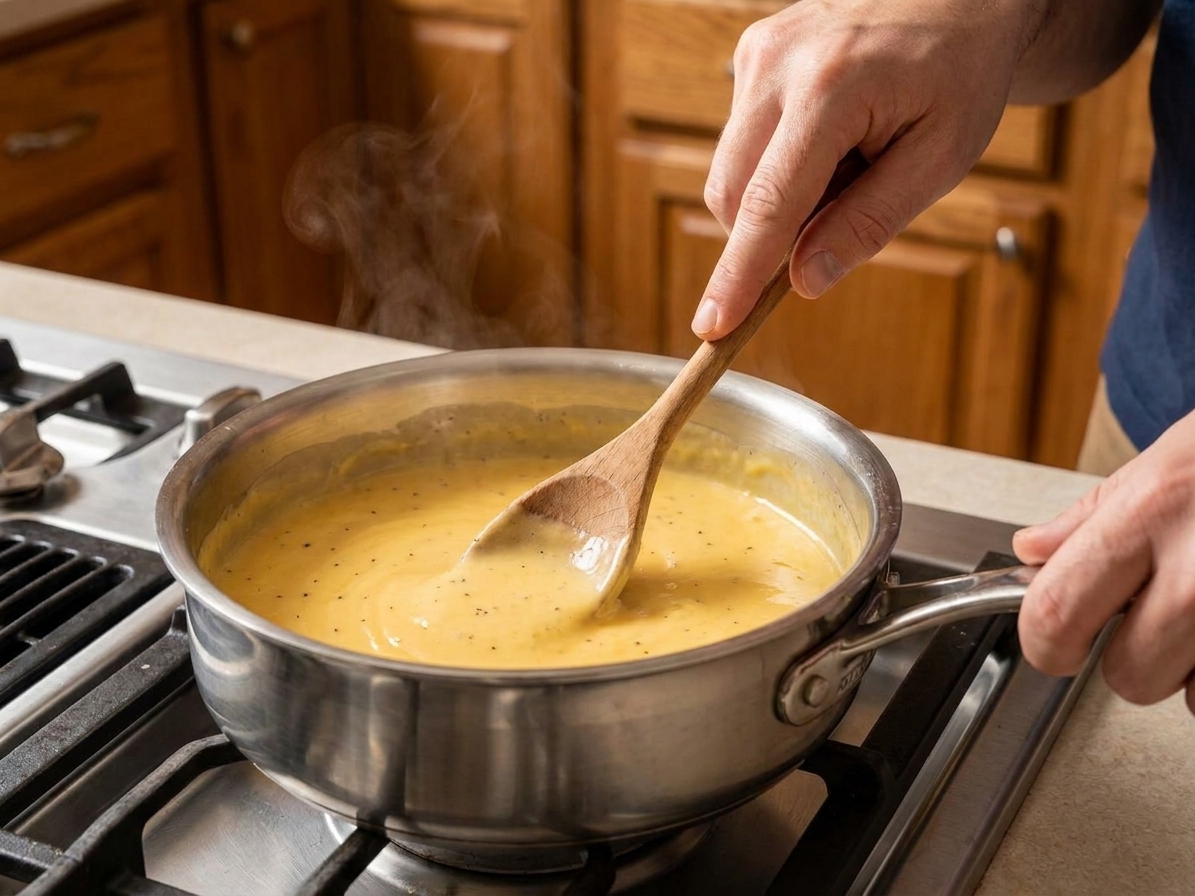
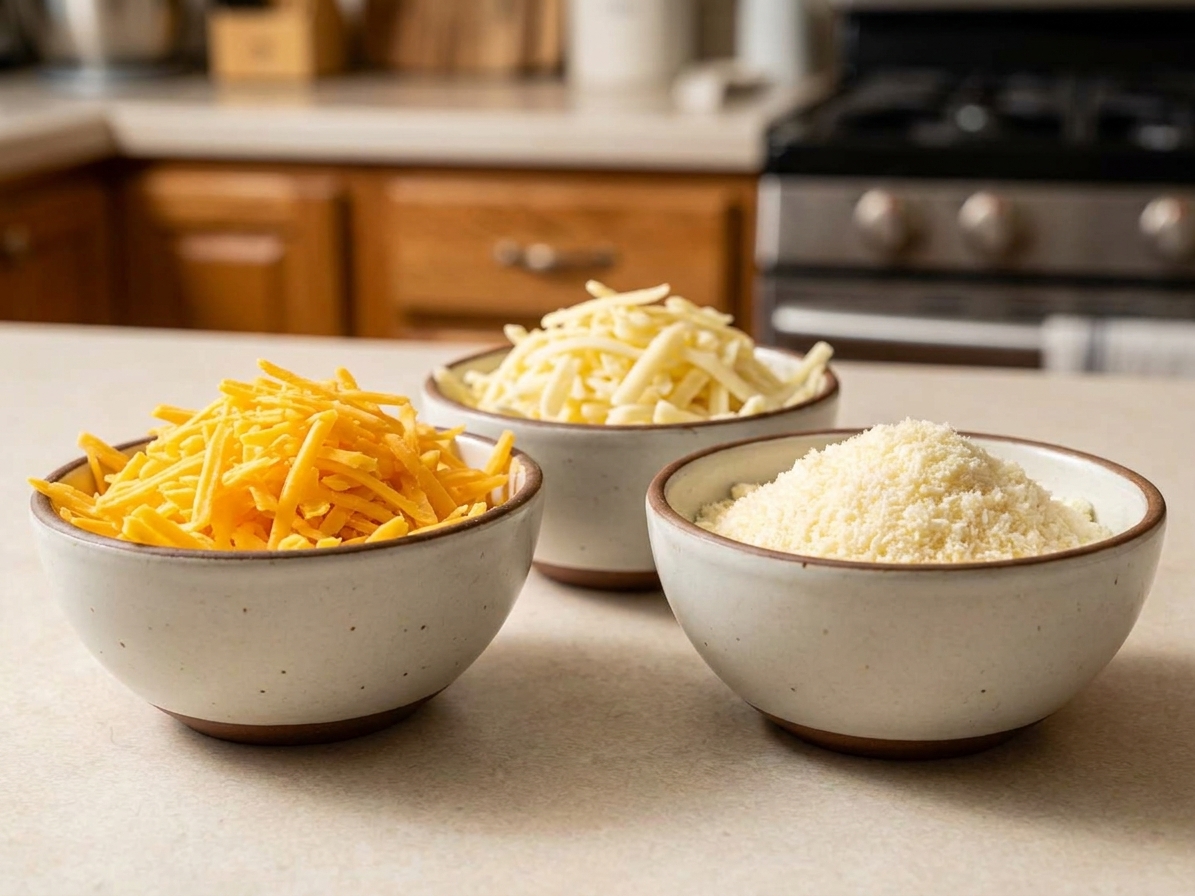
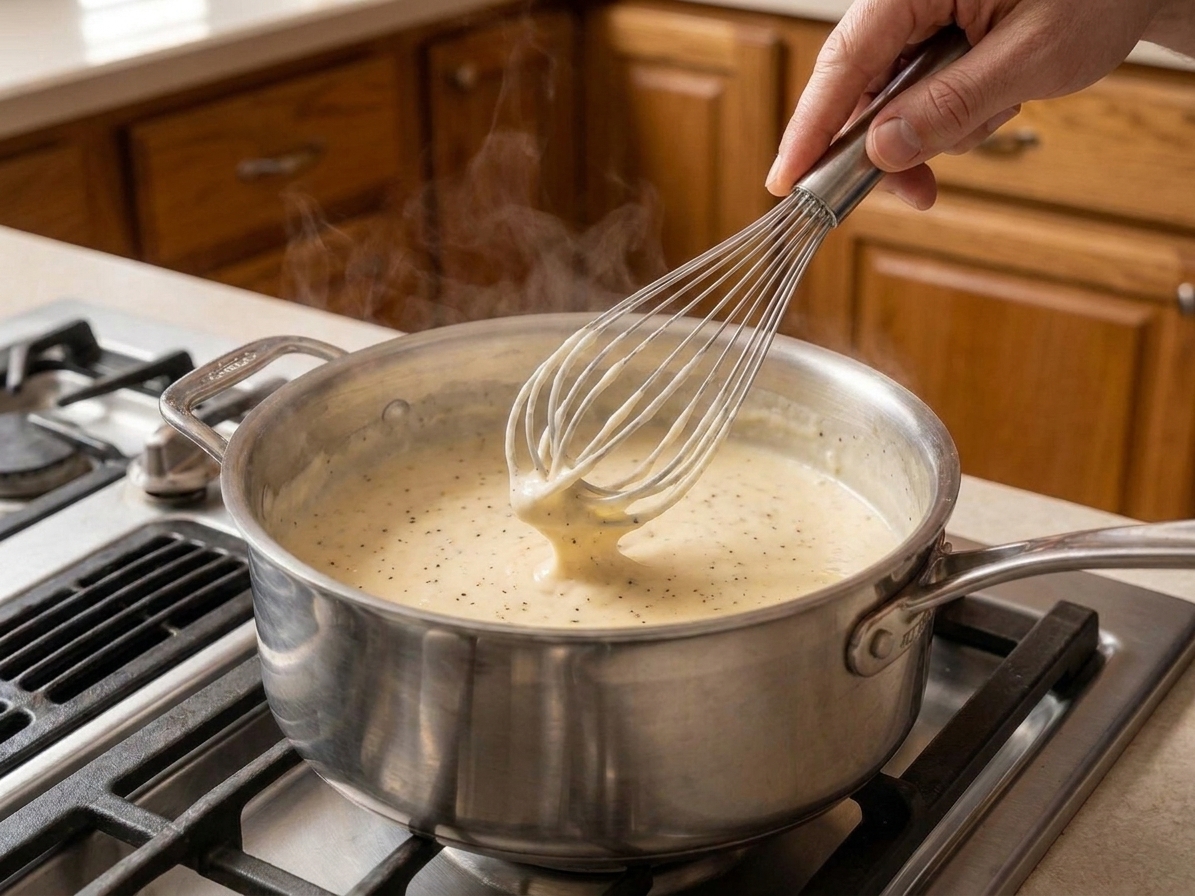
Usually one of three things: the heat was too high, the cheese was added too fast, or the cheese did not melt smoothly (this can happen more with some pre-shredded cheeses that contain anti-caking agents). Keep the sauce at gentle heat, add cheese by handfuls, and shred your own if you can. If the pan feels too hot, pull it off the heat for a minute before adding more cheese.
Can I make it dairy free too?
You can. Use plant butter, and choose a creamier unsweetened milk like oat or cashew (a full-fat or barista-style option helps). Almond milk can work, but it is thinner and may separate more easily. Use a dairy-free cheddar-style shred, then add a squeeze of lemon and a little extra salt to wake up the flavor.
How do I make it baked?
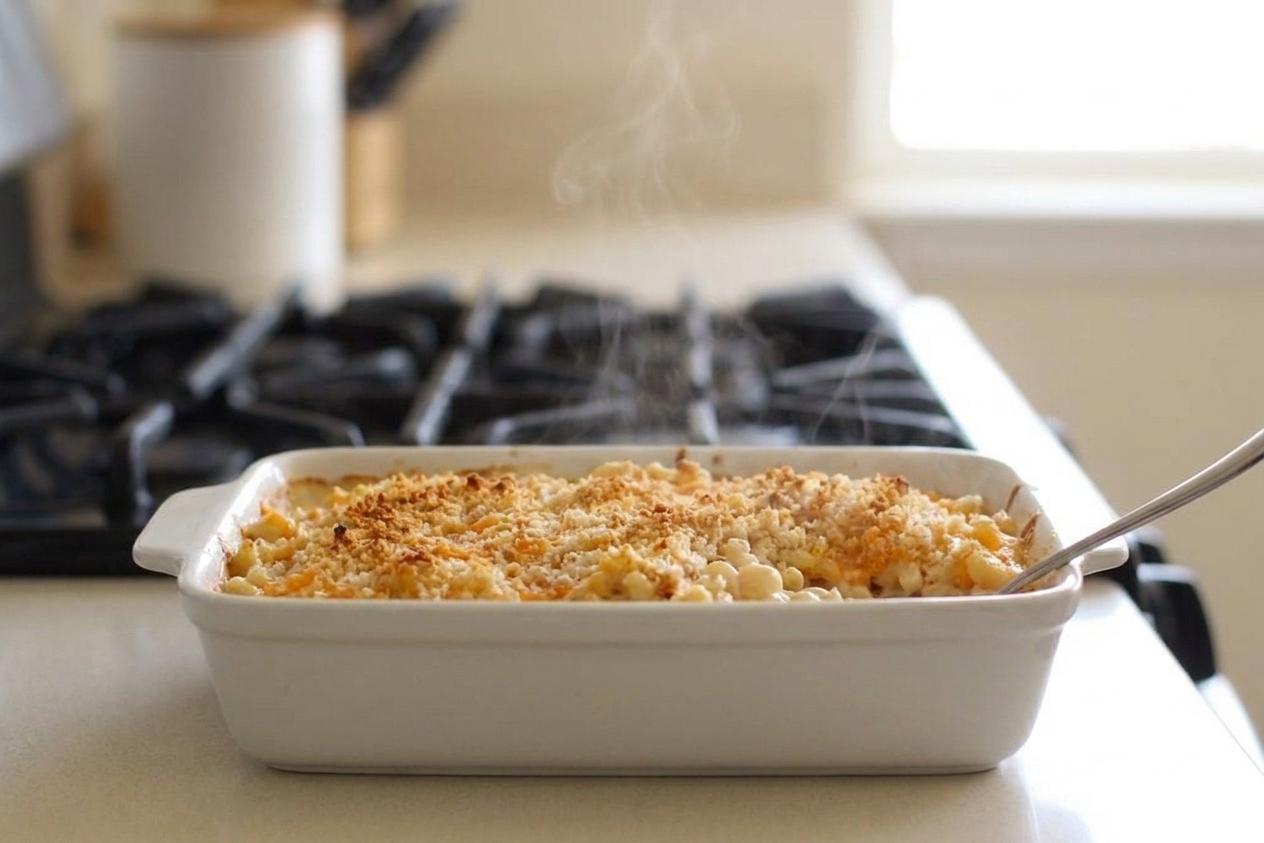
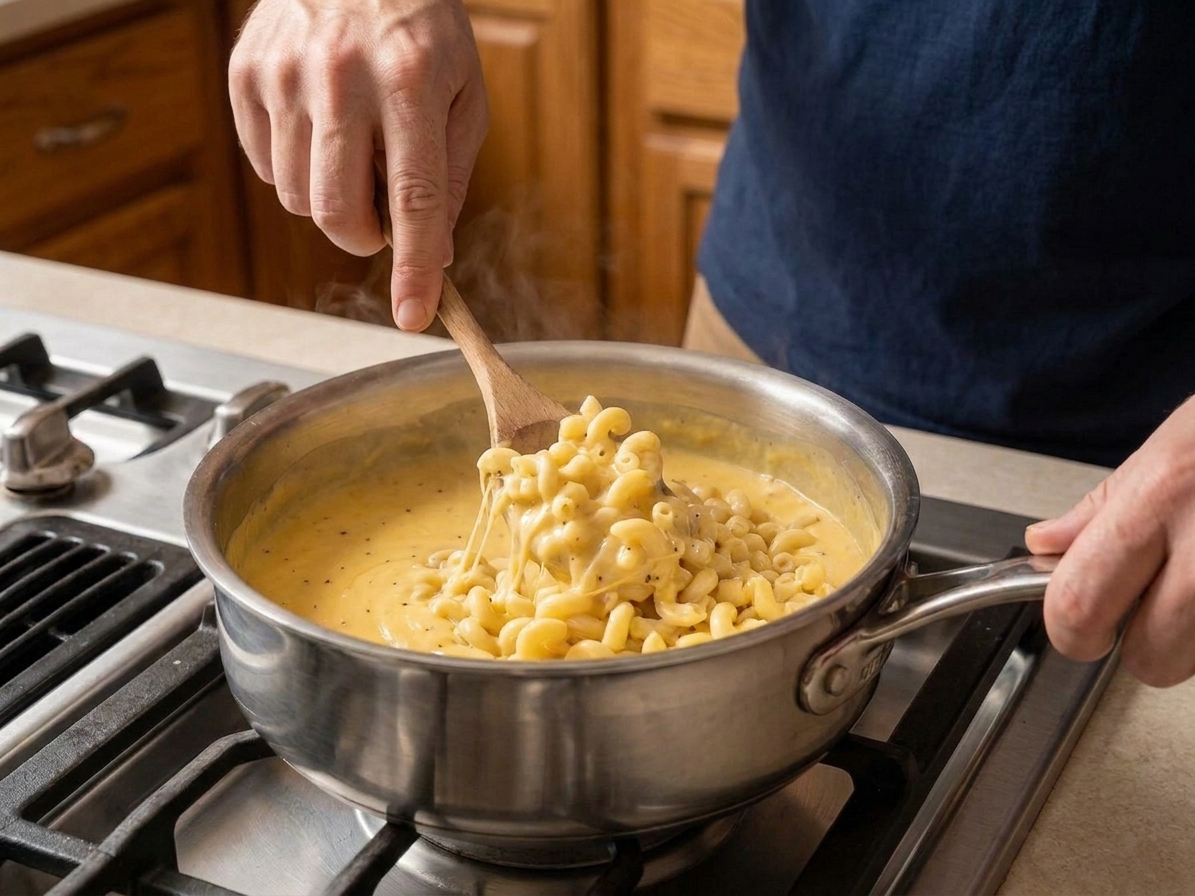
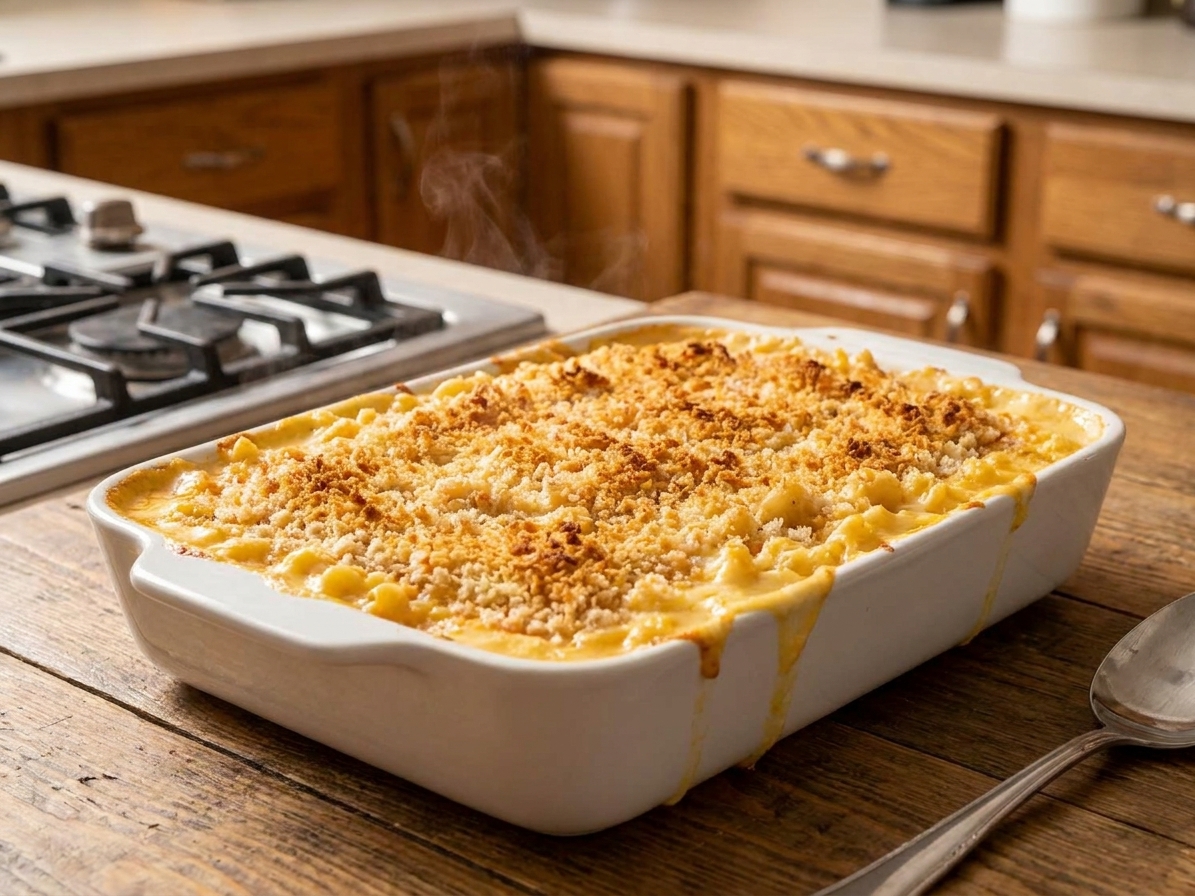
After mixing pasta and sauce, pour into a buttered baking dish, top with gluten free crumbs, and bake at 400°F until bubbly and browned. If you bake it right away while hot, it is usually 12 to 15 minutes. If it has cooled down, plan on 18 to 25 minutes.