Mom's Best Recipes
Recipe

Brazilian Cheese Bread

Crisp outside, chewy inside, and packed with real cheese flavor. This wholesome pão de queijo uses simple ingredients and a few smart swaps for a slightly lighter, still totally craveable batch.

Author By Matt Campbell
4.8
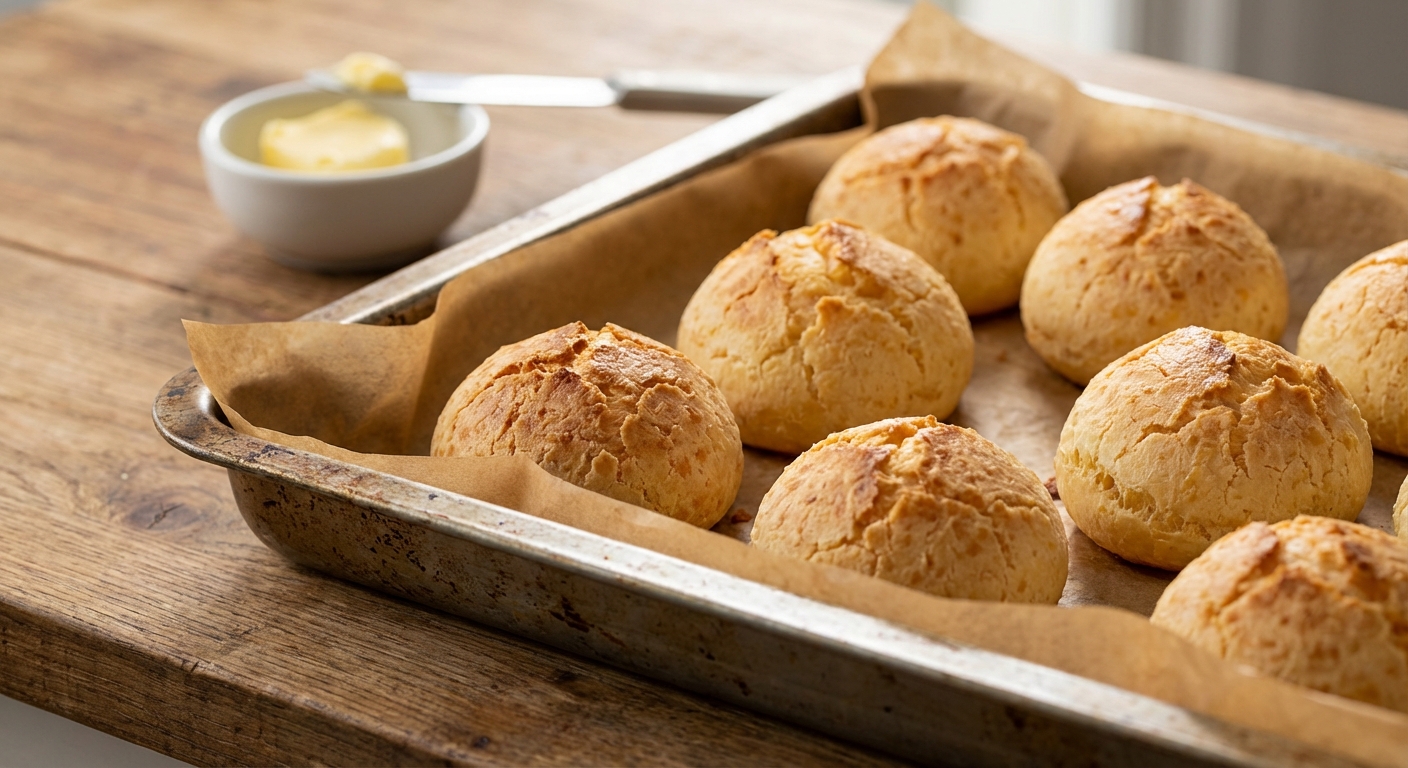
A baking tray lined with parchment holding warm golden Brazilian cheese breads with crisp tops, with a small bowl of butter in the background on a wooden counter

Pão de queijo is one of those snacks that disappears while you are still “just letting it cool.” It is naturally gluten free (tapioca is doing the heavy lifting), wildly satisfying, and it hits that perfect combo of crisp edges and chewy, steamy center.

This is my slightly more wholesome, still-gourmet take. We keep the classic method that makes the texture right, then we make a few gentle upgrades: a mix of olive oil and milk, real cheese with a little extra tang, and options to bump protein without turning these into sad “health food.” You get bold flavor, straightforward ingredients, and the kind of snack you can serve with soup or straight off the pan like a kitchen gremlin. No judgment.

Note: Olive oil flavor can come through here. If you want a more neutral vibe, use avocado oil or a mild olive oil.
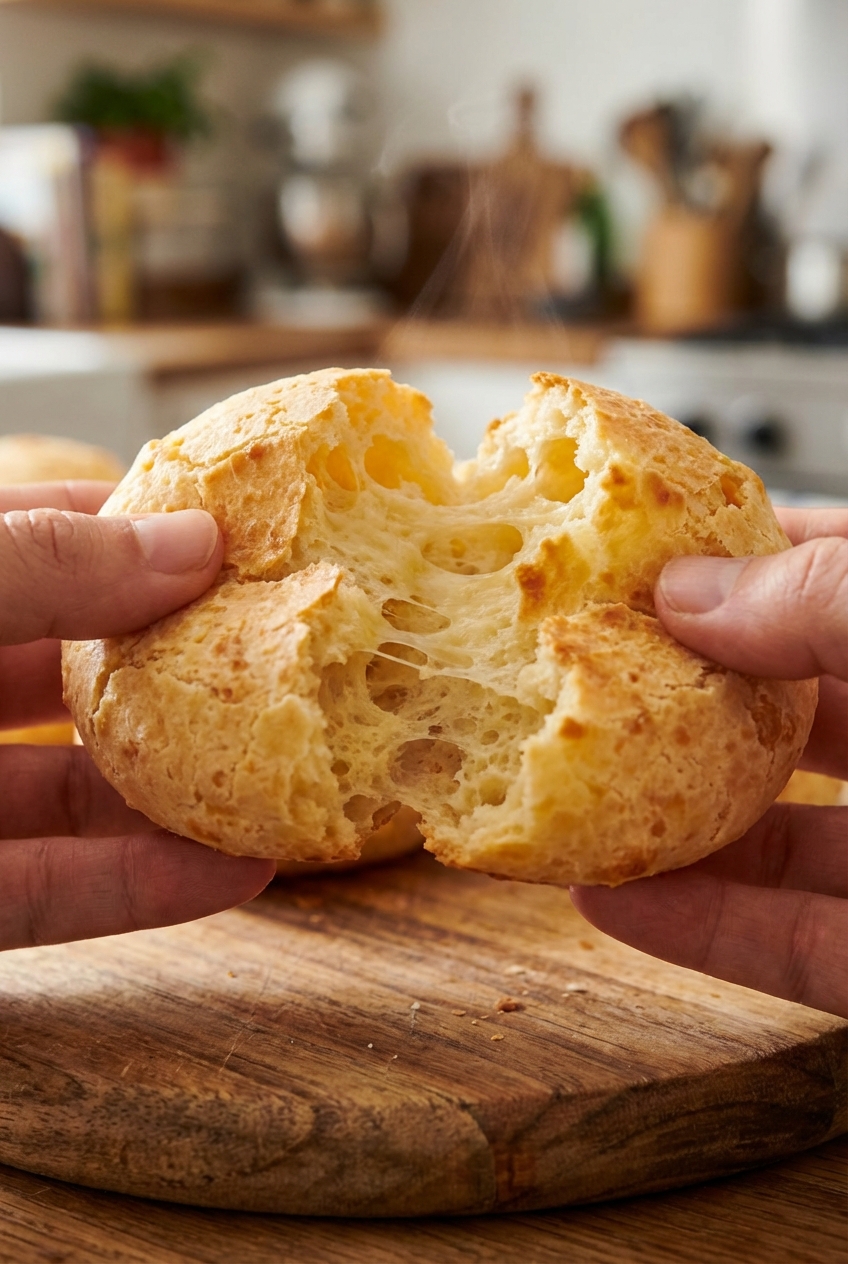
A close-up of one Brazilian cheese bread torn open to show a stretchy, airy, chewy interior with steam rising

Why It Works

  • Classic texture without gluten: Scalding the liquid and whisking it into tapioca starch gelatinizes the starch, which is what creates that signature chew.
  • Big cheese flavor, not greasy: A balanced mix of Parmesan for punch and mozzarella for melt gives you stretch and savoriness without an oil slick.
  • Wholesome, flexible ingredients: Use milk of choice, swap in part cottage cheese or Greek yogurt for extra protein, and keep everything accessible.
  • Reliable in real kitchens: The batter is forgiving. Too thick, add a splash of milk. Too loose, rest it for 5 minutes so the starch hydrates.

Pairs Well With

Storage Tips

Room temp: These are best the day they are baked. If you are serving within a few hours, keep them loosely covered so the crust stays snappy.

Fridge: Store in an airtight container up to 4 days. Reheat in a 350°F oven or toaster oven for 6 to 10 minutes until crisp outside again.

Freezer: Freeze baked pão de queijo on a tray until solid, then transfer to a freezer bag for up to 2 months. For peak texture, they are best within 1 month.

  • Reheat from frozen: 350°F for 12 to 15 minutes.
  • Air fryer: 320°F for 6 to 9 minutes, shaking once.

Make-ahead tip: You can scoop the unbaked batter into a mini muffin tin, freeze until firm, then pop the frozen portions into a bag. Bake from frozen at 375°F, adding 3 to 5 minutes to the bake time.

Common Questions

Is Brazilian cheese bread actually healthy?

It can be. Traditional pão de queijo is already gluten free and portion-friendly. This version keeps the ingredient list simple and uses a few lighter-leaning choices like slightly less oil than many classic recipes and optional protein boosts (Greek yogurt or blended cottage cheese). It is still bread and cheese, just made with intention.

What is the difference between tapioca flour and tapioca starch?

In many US grocery stores, tapioca flour and tapioca starch are the same thing and can be used interchangeably for this recipe. Labels vary by country and brand, so for best results, choose a product that says 100% tapioca, not a blend.

Can I use sour tapioca starch (polvilho azedo)?

Yes. Sour tapioca starch adds a little tang and often helps the rolls expand more, but results can vary by brand and ratio. If you have it, use half sweet, half sour for a nice balance. If you only have regular tapioca, you are still in great shape.

Why did my pão de queijo turn out flat?

  • Your oven may have been too cool. These like a hot, well-preheated oven.
  • The batter may have been too loose. Rest 5 minutes, or whisk in 1 to 2 tablespoons tapioca starch.
  • Old cheese can be drier and less melty. Freshly grate if you can.

Can I make these dairy free?

You can try, but the cheese is the point and the structure. For a dairy free attempt, use unsweetened plant milk plus a meltable vegan mozzarella style cheese and a sprinkle of nutritional yeast. Expect less stretch and more of a crisp chew.

Can I make these in a blender?

There are two different lanes here.

  • This recipe uses the scalded method, which turns tapioca starch into a very thick, sticky paste. That is great for chew, but it is rough on most standard blenders and can stall the motor.
  • If you want an appliance assist for this method, use a hand mixer, stand mixer, or a sturdy spoon to beat in the eggs.
  • Blender pão de queijo is typically a different technique that blends unscalded ingredients into a thin batter, then bakes. Delicious, just not the same workflow.

The first time I made pão de queijo, I did the classic thing: I told myself it was “for later,” then ate three standing up while the pan was still hot. It is the kind of recipe that makes you feel like you pulled off something fancy, even though the steps are basically: scald, stir, scoop, bake, repeat.

This wholesome version came from me wanting that same chewy, cheesy payoff on a random weeknight, without needing specialty ingredients or a full dairy-and-oil situation. The best part is watching people take a bite, pause, and immediately reach for another. That is the whole point.