
Mom's Best Recipes
Recipe

Gourmet Gingerbread House

A crisp-edged, deeply spiced gingerbread dough that bakes sturdy for building, plus a no-fail royal icing “cement” that holds like a champ.

Author By Matt Campbell
4.9
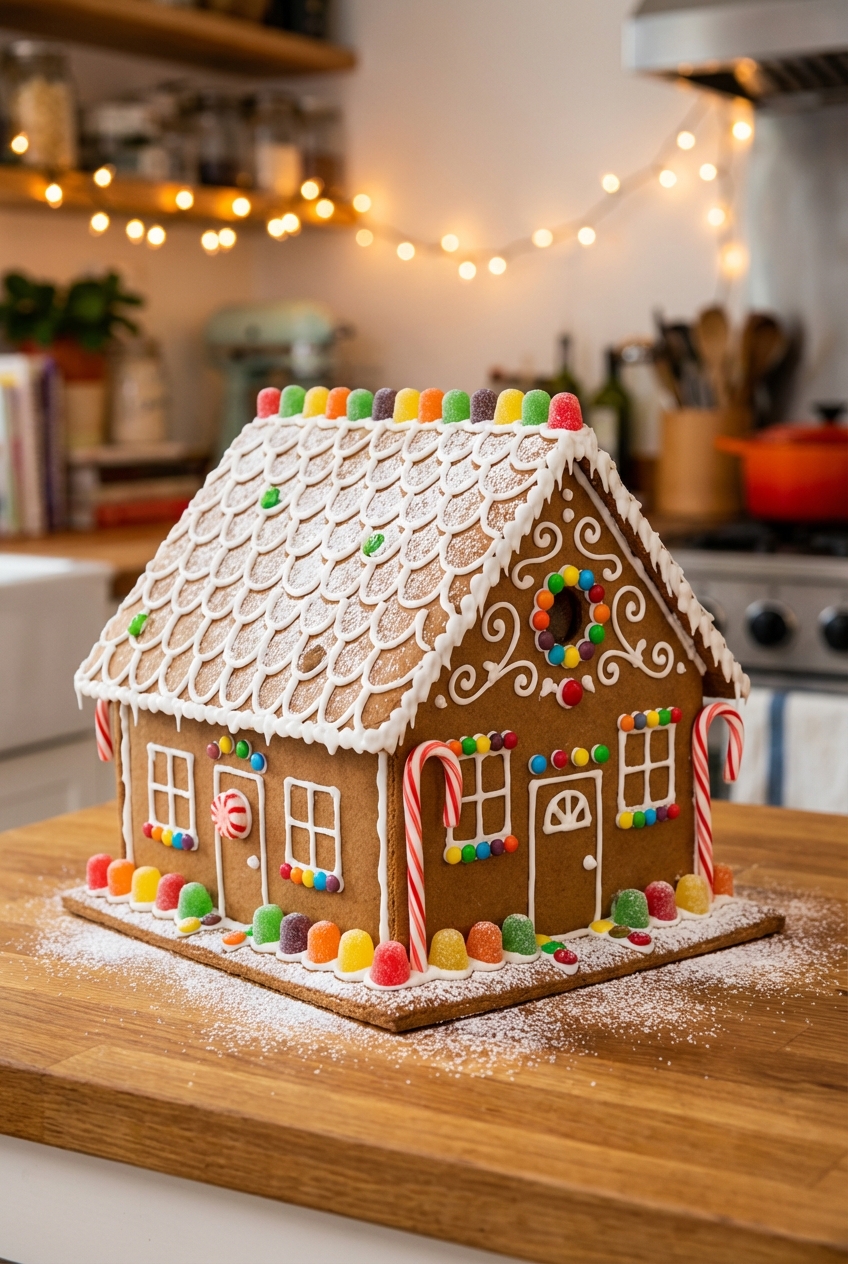
A fully assembled gingerbread house with crisp brown panels, piped white royal icing details, and warm holiday lights in the background

Gingerbread houses are supposed to be fun. But somehow, they turn into a sticky architectural crisis where the roof slides off and everyone pretends it’s “rustic.” Not today.

This is my gourmet gingerbread house recipe built for one thing: crisp, crunchy panels that actually stand up. The dough is aggressively spiced, baked low-and-steady for a snappy finish, and rolled evenly so every wall fits like it meant to be there. Pair it with royal icing that dries hard and you have the rare holiday project that feels chaotic in the good way, not the emergency way.
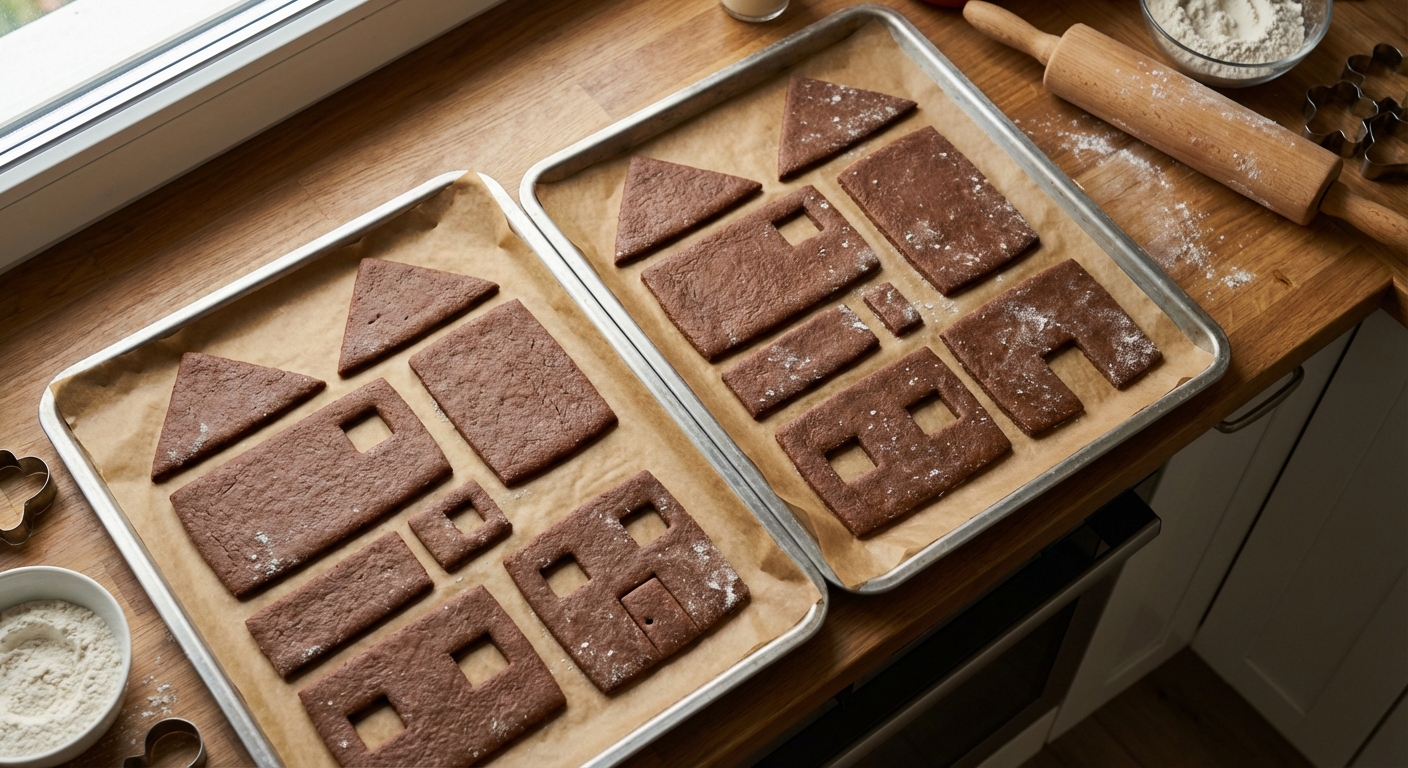

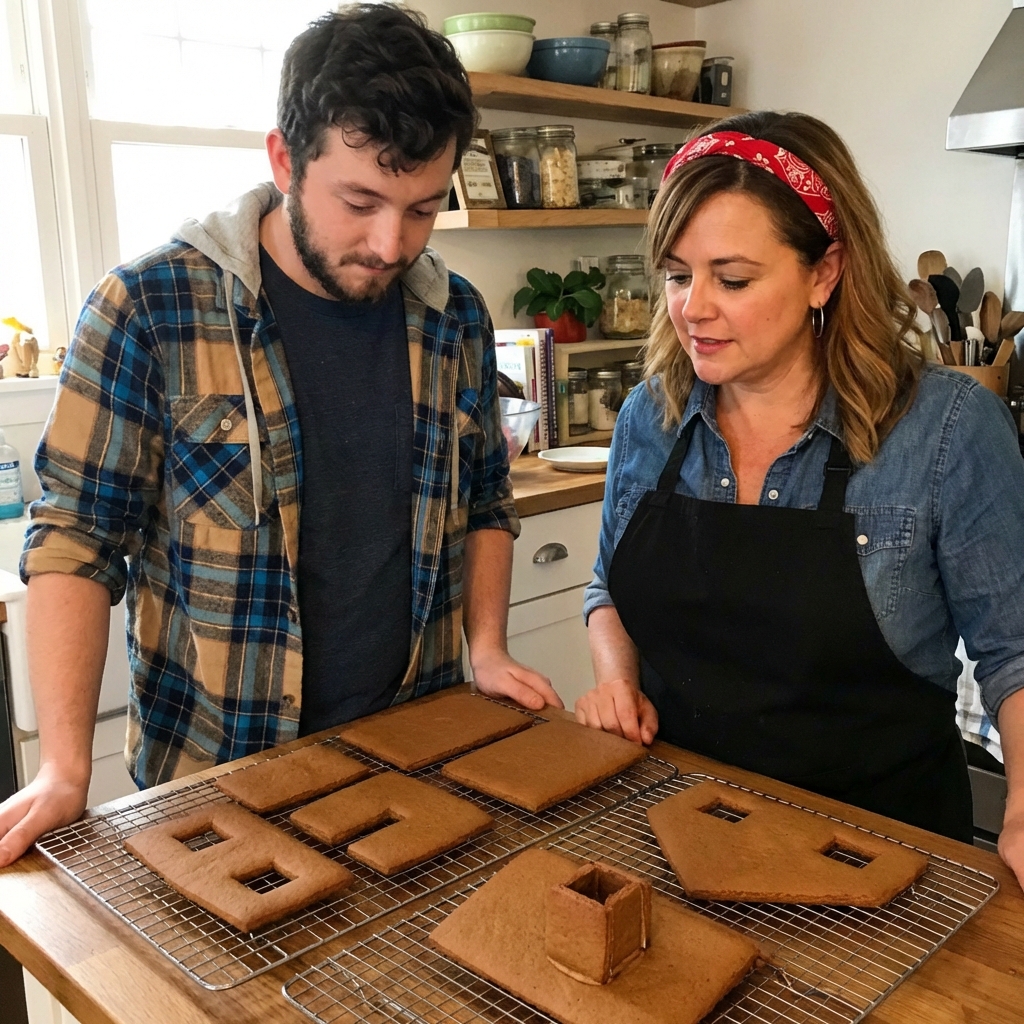
Unbaked gingerbread house panels cut into rectangles and triangles on parchment-lined baking sheets

Why It Works

  • Crispy, sturdy structure: This dough is formulated for building, with a lower moisture profile and a longer bake for a snappy bite.
  • Clean edges and fewer bubbles: Rolling guides and docking keep panels flatter so your walls meet without gaps.
  • Bold, bakery-style spice: Ginger, cinnamon, cloves, and a touch of black pepper keep it warm, not bland.
  • Royal icing that sets hard: The “cement” dries strong enough to hold heavy candy and roof panels without sagging.

Pairs Well With

Storage Tips

Storage Tips

Baked gingerbread panels

  • Room temp: Store fully cooled panels in an airtight container with parchment between layers for up to 2 weeks in a dry kitchen. In humid climates, expect less crisp time.
  • Humidity hack: Toss in a small packet of food-safe desiccant if you have one, or store in the driest spot in your kitchen. Avoid the fridge, it’s a moisture magnet.
  • Re-crisp option: If panels soften, bake in a 250°F oven for 10 to 15 minutes, then cool completely before assembling.

Assembled house

  • Display: Keep at cool room temperature, away from direct sunlight and steamy appliances.
  • Longevity: The house will stay crisp longer if you skip fresh fruit, soft cookies, or anything moist as decor.

Royal icing

  • In a bowl: Press plastic wrap directly on the surface and store at room temp for the day, or refrigerate up to 3 days. Bring to room temp and rewhip briefly. If condensation thins it, beat in a little extra powdered sugar.
  • In piping bags: Seal the tip with a clip or wrap tightly, then refrigerate up to 3 days. Bring to room temp before piping.

Common Questions

Common Questions

How do I keep gingerbread panels from warping?

Roll evenly (use guides), dock the dough with a fork, and bake until the panels are firm and dry to the touch with edges a shade darker than the center. If a panel comes out slightly curved, gently press it flat with a cutting board right when it comes out of the oven, then let it cool flat.

Pan note: Dark sheet pans brown faster. If you use one, start checking 2 minutes earlier.

Do I really need a template?

If you want a house that stands without drama, yes. Print a simple template or draw one on cardboard. Consistent panel sizes are the difference between “cute cottage” and “collapse at minute seven.”

Can I eat this gingerbread, or is it just for building?

You can absolutely eat it. It’s crunchy and boldly spiced, more like a ginger snap than a soft cookie. If you want it softer, bake the panels 2 to 4 minutes less, but they’ll be less sturdy.

Quick warning: Fully baked panels get very hard. If kids are snacking, break pieces small.

My royal icing is too runny. What now?

Add more powdered sugar, 1 to 2 tablespoons at a time, until it holds a stiff peak. Also make sure there’s no grease in your bowl or on your whisk. Even a little fat can loosen it.

Do I need raw egg whites for royal icing?

Nope. This recipe uses meringue powder for stability and food safety. It also makes the icing more predictable, which is exactly what you want when you’re using it as glue.

The first gingerbread house I ever tried to build looked confident for about three minutes. Then the roof started doing a slow-motion slide, like it was trying to escape the whole situation. I learned two things that day: royal icing is not frosting, it’s construction material, and gingerbread for building needs to bake longer than your instincts want.

Now I make the panels like I’m prepping for a tiny, delicious engineering exam. Crisp edges. Flat walls. Strong seams. And once it’s standing, we get to the best part, the decorating chaos where everyone suddenly has strong opinions about gumdrops.